Agriculture›
 Apparel and fashion accessories›
 Construction & real estate›💡Electronic & Electrical›🍎Food & Beverages›🛋️Home furnishing & supplies›⚗️Industrial goods & chemical›🪨Minerals & metals›📦Miscellaneous›Agriculture›Apparel and fashion accessories›Construction & real estate›💡Electronic & Electrical›🍎Food & Beverages›🛋️Home furnishing & supplies›⚗️Industrial goods & chemical›🪨Minerals & metals›📦Miscellaneous›
Alva Cipta Mulya Product Catalog
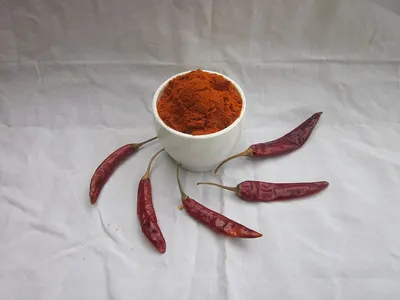
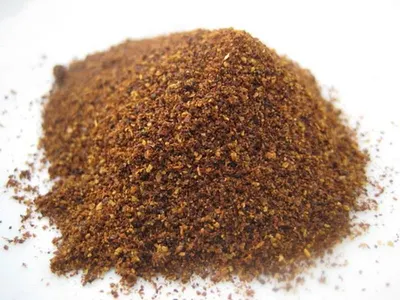
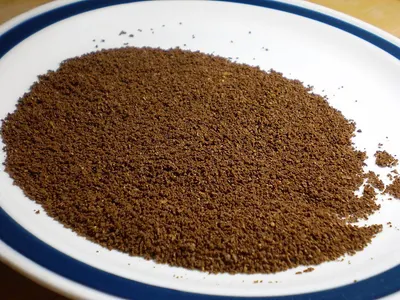
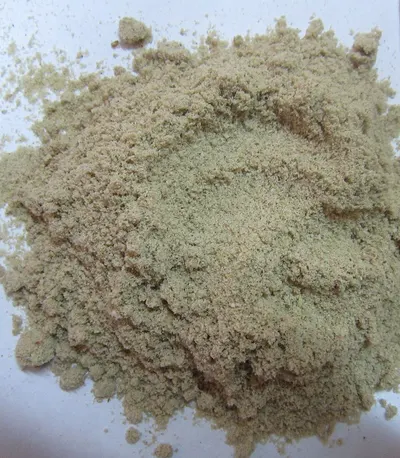
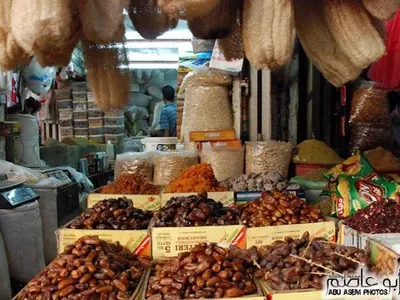
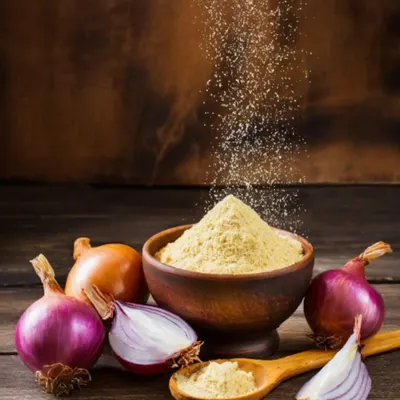
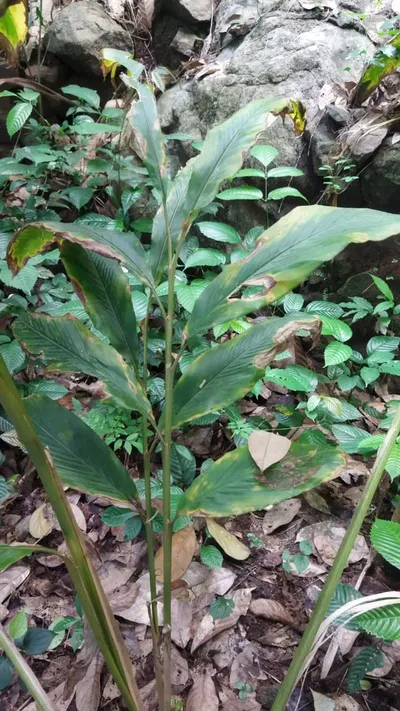
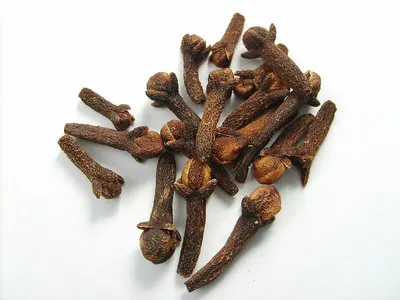

About Alva Cipta Mulya - Spice Powder Supplier in Indonesia
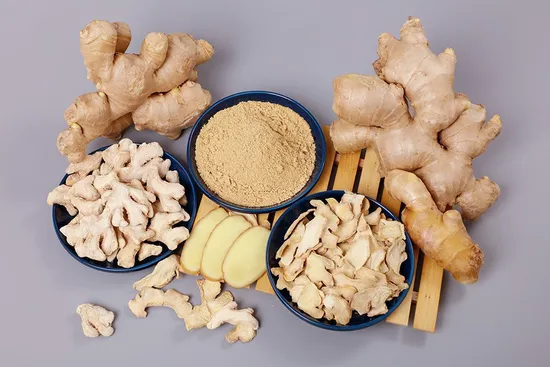
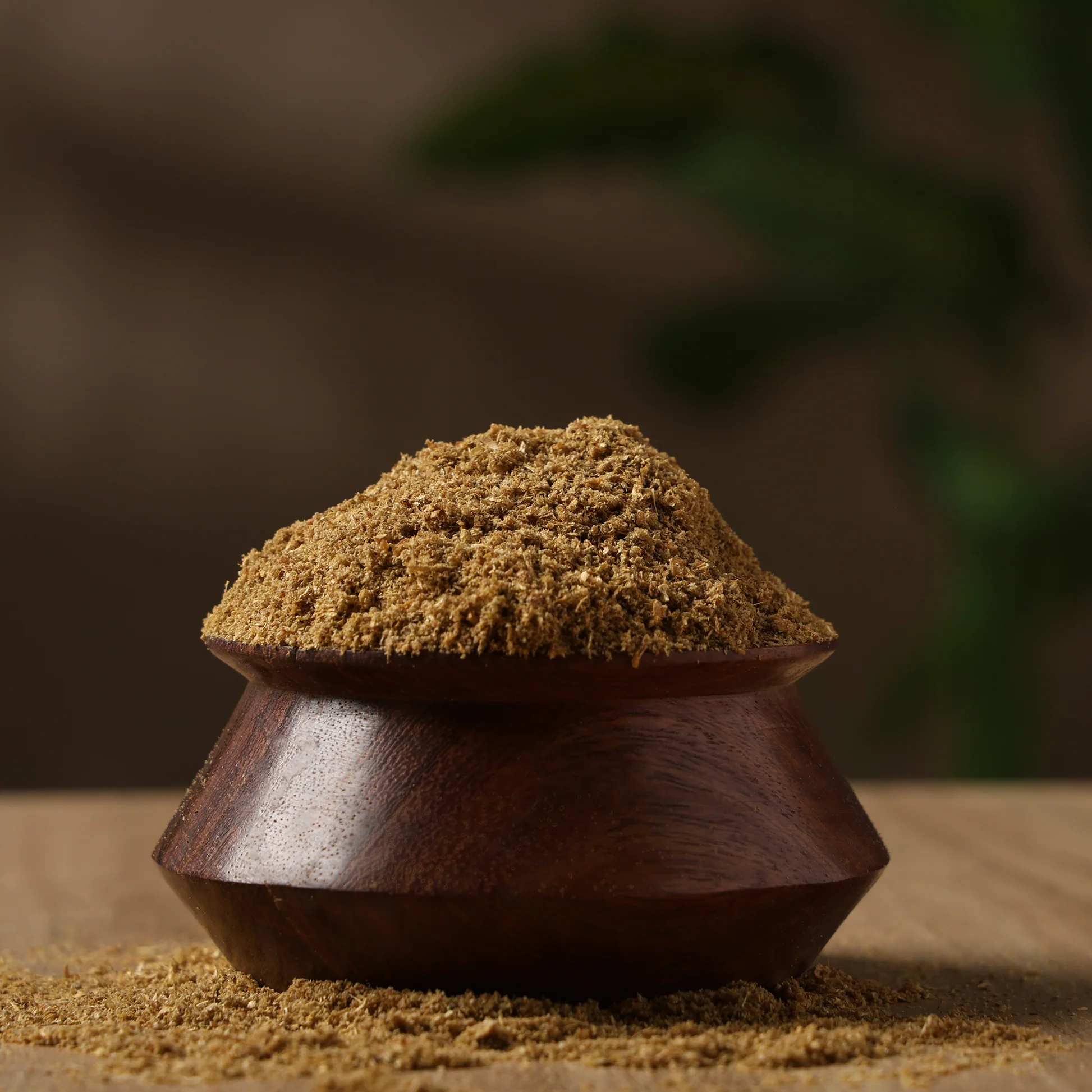
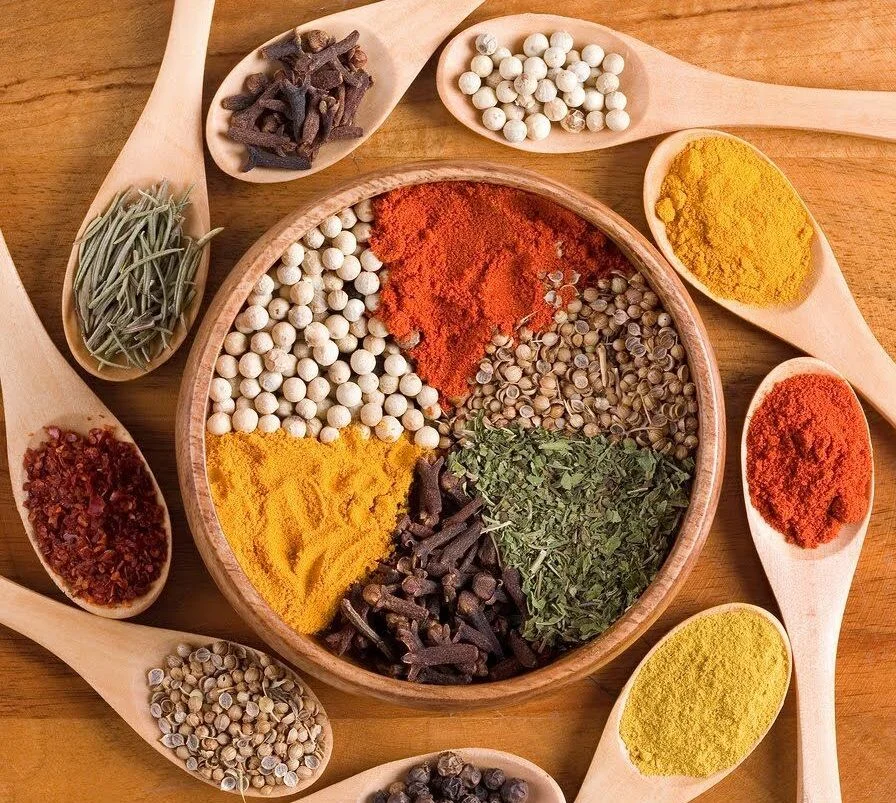
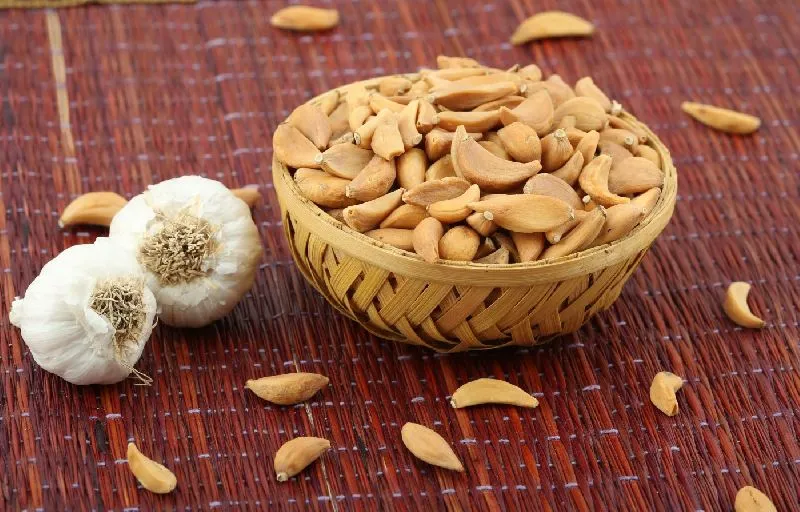
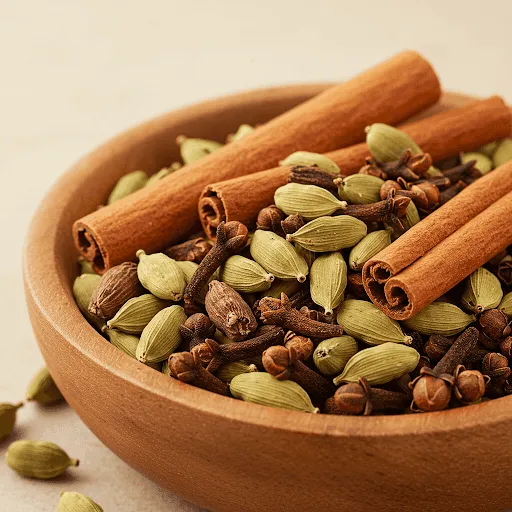
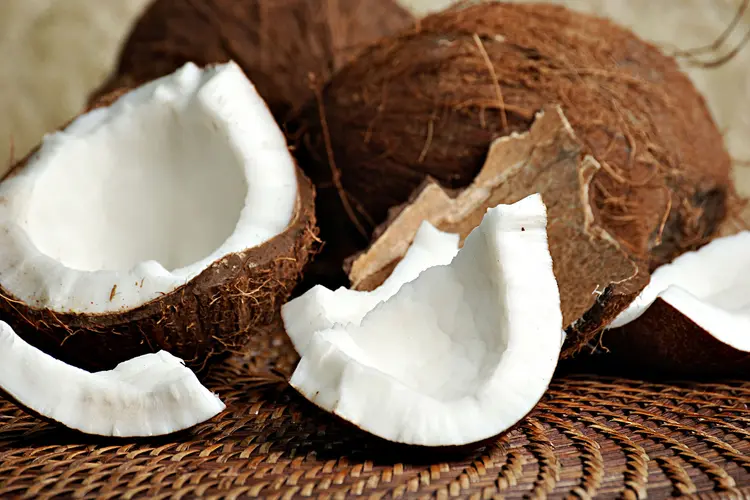
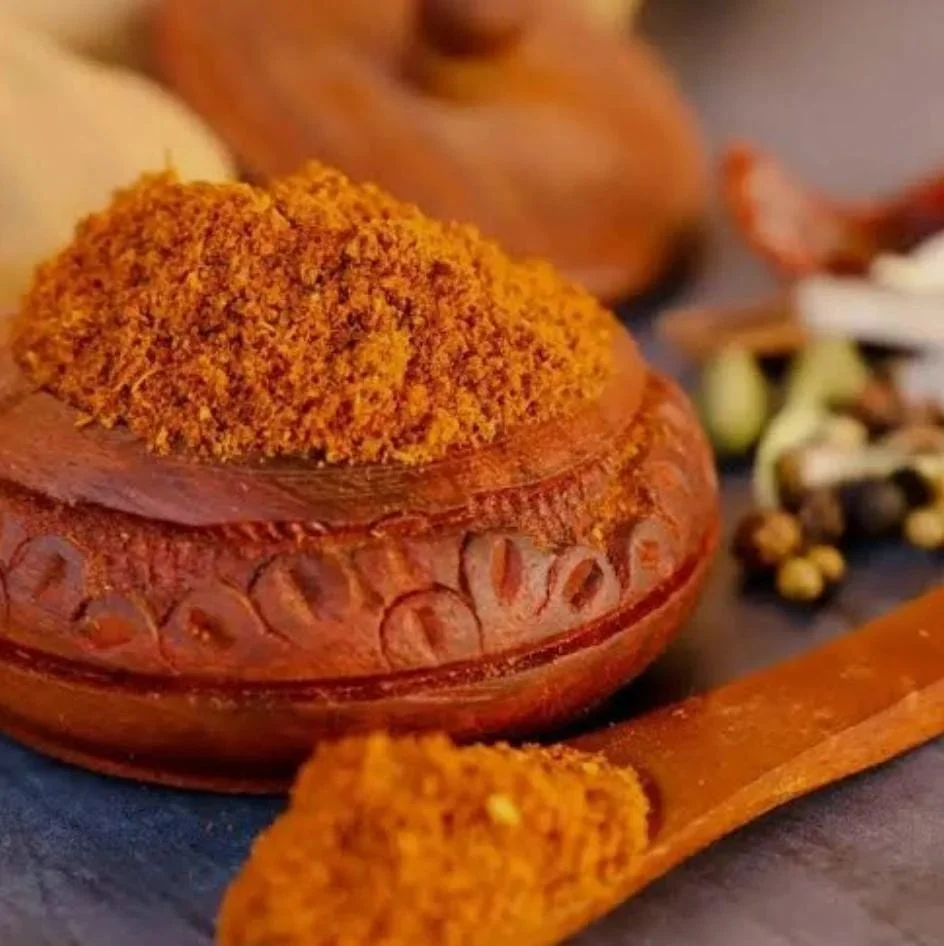
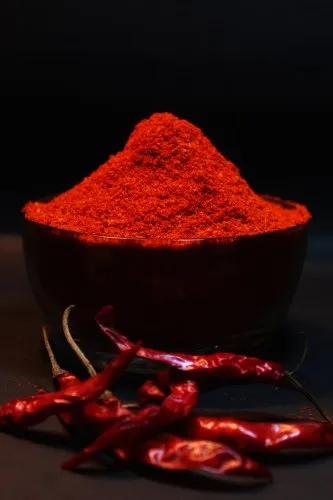
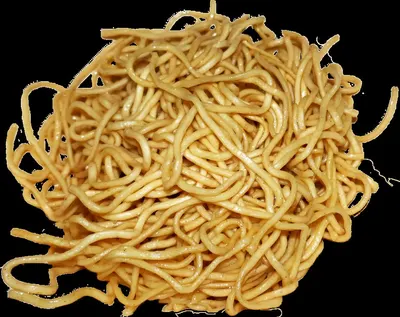
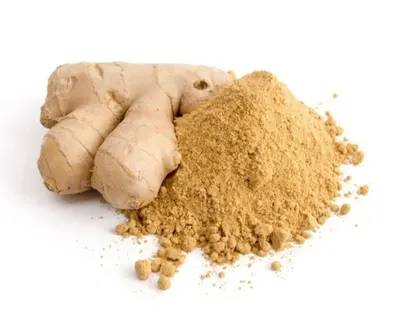
Indonesia hosts a catalogue of fourteen distinct spice and coconut products under Alva Cipta Mulya. The active product count of 14 covers items such as Semi‑Husked Coconut, Young Coconut, Turmeric Root Powder, Ginger Powder, Chili Powder, White and Black Pepper Powder, Coriander Powder, Candlenut Powder, Garlic Powder, White Cardamom, Clove, Tamarind and a processed food item, Indomie Noodle. Each listing falls within the broader spice‑powder and coconut‑product categories that Indonesian exporters typically classify under HS chapters 09 (spices) and 12 (coconuts).
The supplier’s catalogue explicitly names each product without providing HS codes, but the product families correspond to HS 0904‑0909 for pepper, ginger, garlic and other spices, and HS 1202 for fresh and semi‑husked coconut. The list also includes a processed noodle product, which is usually recorded under HS 1902 for prepared noodles. This factual inventory defines the scope of Alva Cipta Mulya’s exportable goods and the tariff headings that customs authorities will apply.
Product Range and Specialties of Alva Cipta Mulya
The spice items follow industry specifications that buyers commonly request. White and Black Pepper powder are graded by particle size (typically 250‑300 µm for Grade I) and moisture content below 12 %. Turmeric powder is evaluated on curcumin content (usually ≥3 % for culinary grade) and low ash. Ginger and Garlic powders are assessed for gingerol or allicin levels and microbial limits (e.g., total plate count <10⁴ CFU/g). Coriander, Candlenut, Clove and White Cardamom are usually sold in 25 kg polypropylene bags with moisture under 10 % and essential‑oil content meeting ISO 660 standards. Semi‑Husked and Young Coconut are exported as whole kernels or shredded, packed in 20 ft or 40 ft containers, complying with HS 1202 packaging norms.
Frequently Asked Questions About Alva Cipta Mulya
What spice products does Alva Cipta Mulya list in its catalogue?
The catalogue includes Semi‑Husked Coconut, Young Coconut, Turmeric Root Powder, Ginger Powder, Chili Powder, White Pepper Powder, Black Pepper Powder, Coriander Powder, Candlenut Powder, Garlic Powder, White Cardamom, Clove, Tamarind and Indomie Noodle.
Which HS codes apply to the listed spice and coconut products?
Spice powders such as pepper, ginger, garlic, coriander and clove fall under HS 0904‑0909, while fresh and semi‑husked coconut are classified under HS 1202. The processed noodle product is generally recorded under HS 1902.
What quality specifications are typical for the pepper powders offered?
White and Black Pepper powders are commonly graded to a particle size of 250‑300 µm, moisture content below 12 %, and ash content under 5 %. Microbial limits usually require total plate count under 10⁴ CFU/g and absence of E. coli.
Are any certifications required from the supplier for export?
Buyers typically request ISO 22000, HACCP or GMP certifications, as well as a phytosanitary certificate and Certificate of Origin. The supplier’s own certification status is not listed, so buyers should confirm these documents before contract.
What are the usual packaging formats for the powdered spices?
Powders are most often packed in 25 kg food‑grade polypropylene bags, which are then palletised for container loading. Moisture barriers and nitrogen flushing are optional for longer shelf life.
 Indonesia
Related Suppliers & Products
Explore similar suppliers, related products and trending categories