Ahmed — Verified Supplier

About Ahmed - Batteries & Chargers Supplier in India

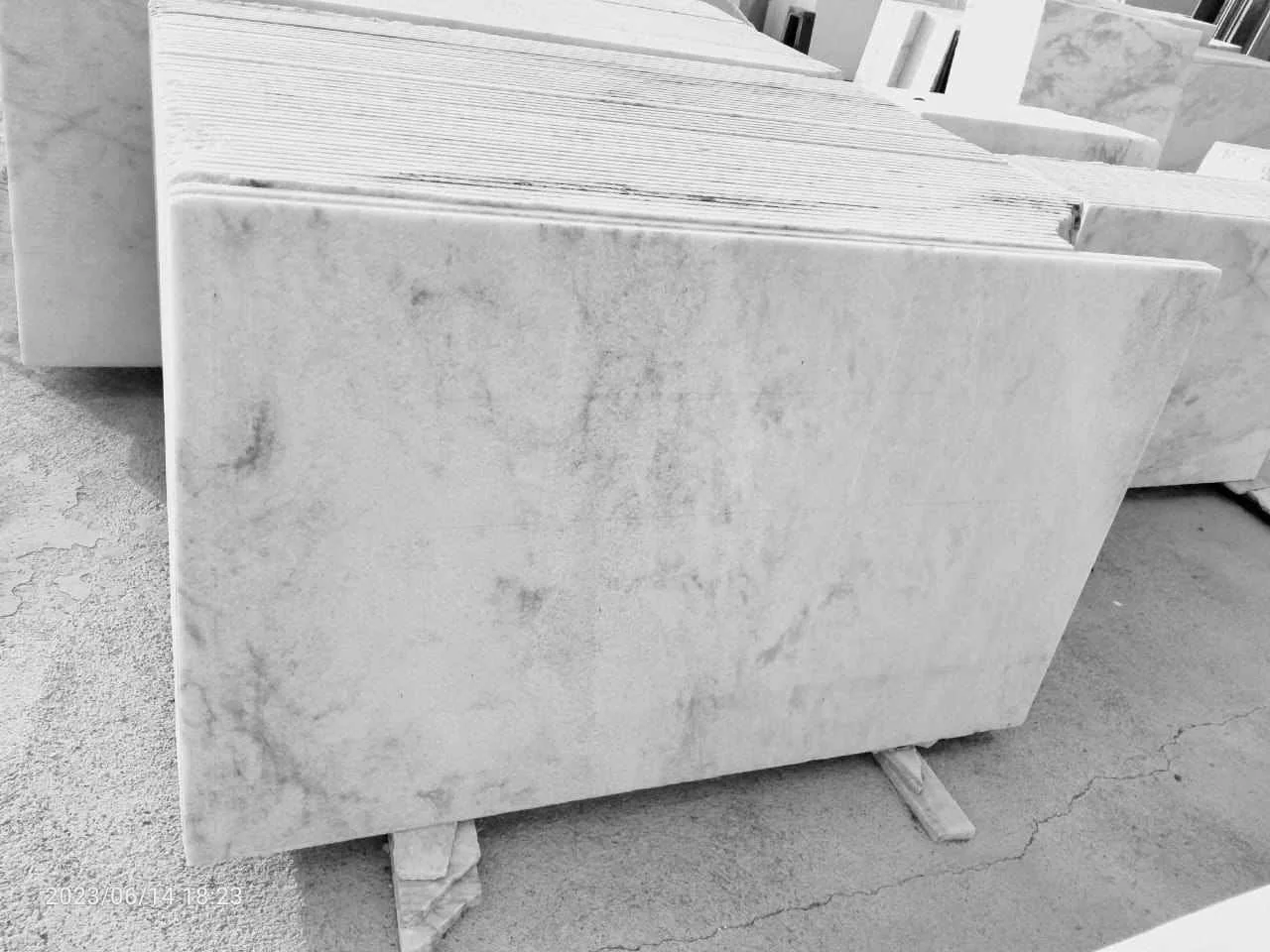
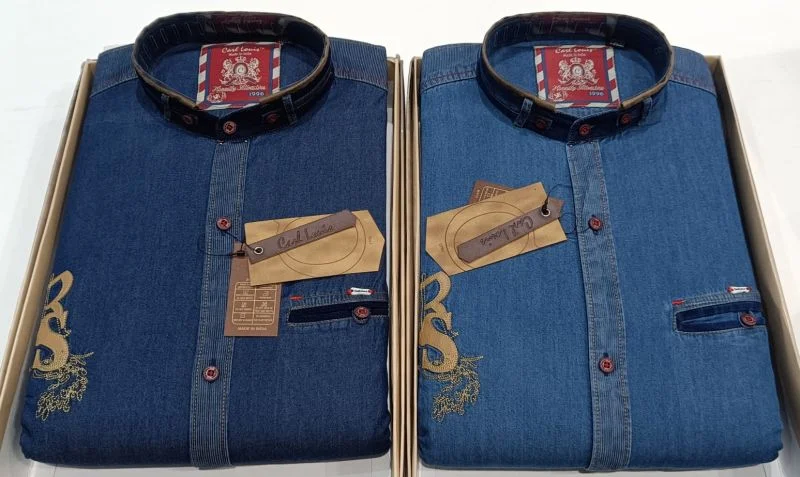
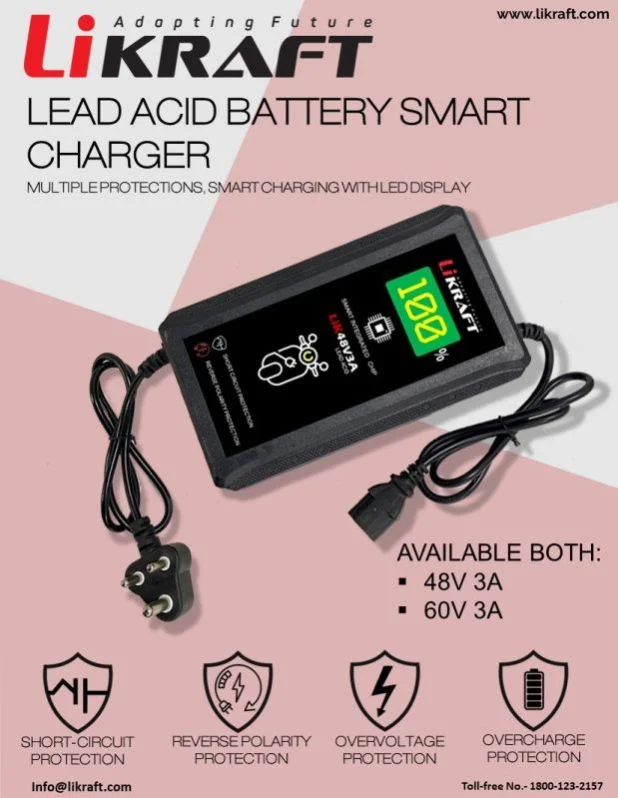
India, with a catalogue of 27 active products, Ahmed lists items across several categories including Batteries & Chargers, Leather Wallets, Precious & Semi‑Precious Stones, Cotton, Maize, Coffee, Oil Seeds and Red Chilli. The catalogue contains specific chemical and electronic items such as Lithium Carbonate (HS 2836.91, minimum 99.5 % purity), LifePo4 battery cells (HS 8507.60) and a 60 kW DC charger (HS 8504.40). Agricultural entries cover raw Cotton, Cereals, Pulses, Onion and other vegetables, each aligned with the relevant HS chapters for textiles and foodstuffs. The supplier also mentions finished goods such as Leather Wallets for men, Sweat Shorts, T‑shirts and marble products.

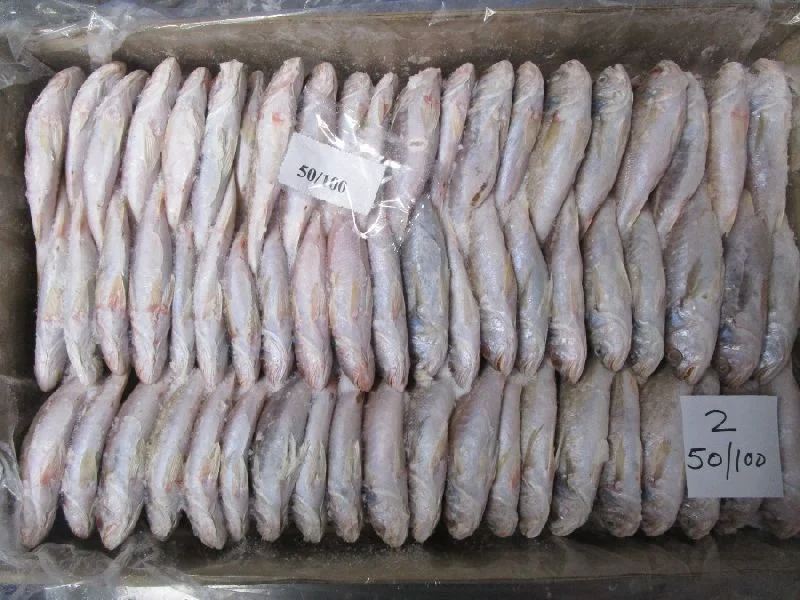
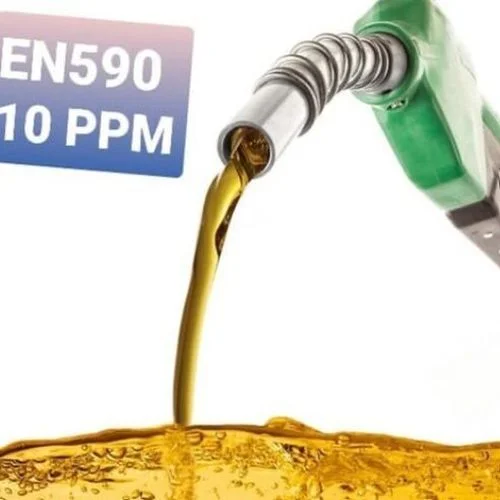
The product list further includes Solar Panels, various lithium‑based compounds, Wood Pellet, EN590‑10 ppm diesel specification, and Car Products, together with live fish and fresh flowers. No additional corporate details such as founding year or employee count are provided, and the information is limited to the items and HS codes shown in the catalogue.

Product Range and Specialties of Ahmed

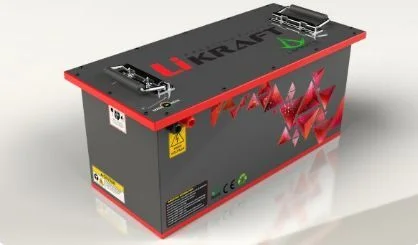
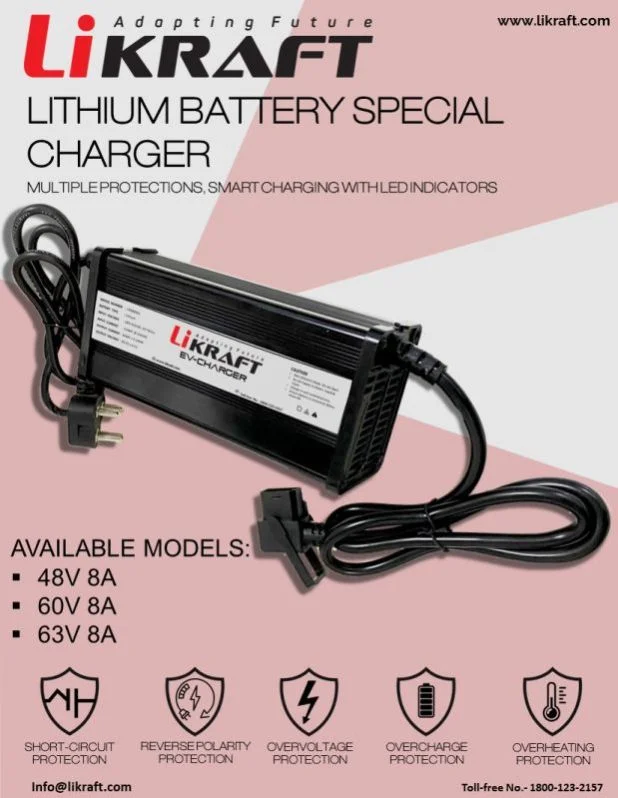
Ahmed’s catalogue features lithium‑based chemicals and battery components that match common industry specifications. Lithium Carbonate is presented as a battery‑grade material with a minimum purity of 99.5 %, which aligns with the standard used for lithium‑ion cell production. The LifePo4 cells are specified at 3.2 V nominal voltage and 280 Ah capacity, a configuration that follows IEC 62619 safety testing and IEC 62133 performance criteria. The 60 kW DC charger, built with a steel housing, conforms to IEC 60950 electrical safety norms and is typical of industrial‑grade chargers used in renewable‑energy installations. Solar panels, though not detailed, are generally offered in the 250‑400 W range and are expected to meet IEC 61215 and IEC 61730 certifications. For agricultural products, cotton is usually graded by fiber length (28‑34 mm) and micronaire (3.5‑4.5). Maize exports are evaluated for moisture content below 14 % and aflatoxin levels within Codex limits. Coffee beans are commonly classified by screen size and cup quality scores, while red chilli is graded by moisture (≤12 %) and Scoville heat units (30 000‑50 000). These industry benchmarks complement the product titles listed in Ahmed’s catalogue.

Trade and Export Information - Ahmed

India is a major exporter of both inorganic chemicals and agricultural commodities, and the HS codes in Ahmed’s catalogue reflect the standard classification used in global trade. Lithium carbonate and related compounds fall under HS 2836, which is subject to REACH registration in the EU and requires a Material Safety Data Sheet (MSDS) for customs clearance. Battery cells (HS 8507) and power equipment such as the 60 kW DC charger (HS 8504) are routinely inspected for IEC compliance, CE marking for the EU market, and UL certification for North America. Agricultural items - cotton (HS 5201), cereals and maize (HS 1005), oil seeds (HS 1201), and fresh produce such as onions or flowers - typically need phytosanitary certificates, certificates of origin, and may be subject to maximum residue limits (MRLs) under Codex Alimentarius. Typical export logistics from Indian ports use 20‑ft or 40‑ft containers for bulk goods, with bulk bags for chemicals and pallets for textiles. Incoterms most often applied are FOB (Free on Board) or CIF (Cost, Insurance, Freight) depending on the buyer’s preference. Major destination regions for Indian lithium products include the United States, the European Union and Southeast Asian markets, while cotton, maize, coffee and spices are frequently shipped to Europe, the Middle East and North America.

Sourcing from Ahmed - Buyer Guidance

When sourcing lithium carbonate or LiFePO4 cells from Ahmed, buyers should request a recent Certificate of Analysis, the MSDS, and test reports demonstrating compliance with IEC 62619 and IEC 62133. For the 60 kW DC charger, a CE Declaration of Conformity or UL listing, along with the product’s test report for voltage‑frequency stability, should be verified before placement of an order. For agricultural commodities, buyers need to obtain a phytosanitary certificate, a moisture‑content analysis, and, where applicable, pesticide‑residue test results that meet Codex limits. Cotton shipments should be accompanied by a fiber‑quality report showing length, strength and micronaire values. Maize and oil‑seed consignments require a mycotoxin analysis, and red chilli should be tested for Scoville heat units and moisture. Verifying these documents helps ensure smooth customs clearance and alignment with the buyer’s quality standards.

Frequently Asked Questions About Ahmed

What HS codes are used for Ahmed's lithium products?

Lithium carbonate and related battery‑grade compounds are listed under HS 2836.91, LiFePO4 battery cells under HS 8507.60, and the 60 kW DC charger under HS 8504.40.

Which certifications should a buyer request for the LiFePO4 battery cells?

Buyers typically ask for a Certificate of Analysis, an MSDS, and proof of compliance with IEC 62619 (safety) and IEC 62133 (performance), as well as any applicable REACH or RoHS statements.

How are the agricultural items such as cotton or maize packaged for export?

Cotton is usually packed in standard bales on wooden pallets inside 20‑ft containers, while maize is shipped in bulk bags of about one metric ton or in siloized containers, all accompanied by phytosanitary certificates.

What quality parameters are common for the red chilli product?

Standard specifications include moisture content of 12 % or less, Scoville heat units between 30 000 and 50 000, and pesticide residues below Codex maximum residue limits.

What documentation is required for exporting fresh flowers?

A Phytosanitary Certificate, a Certificate of Origin, and compliance with ISPM 15 for any wooden packaging are normally required.

What are typical lead times for the 60 kW DC charger?

Lead times of six to eight weeks are common after order confirmation and receipt of a purchase order.

Which markets does Ahmed primarily serve?

The catalogue does not specify target markets, but Indian exporters of lithium compounds and agricultural produce commonly supply Europe, the United States, the Middle East and Southeast Asian countries.

What is the minimum order quantity for lithium carbonate (99.5 % purity)?

Minimum orders are often set at 500 kg per shipment, though the exact MOQ should be confirmed with the supplier.

Featured Products from this Supplier

Other Suppliers in Primary Category

Top Trusted Suppliers

Related Products

Trending in Parent Category

More Suppliers in Category

Related Products

Other Suppliers

EximNext
58.5K+ live requirements
Register Free🎁 Reach verified global buyers
Post Requirement
🌍 Trusted by 224.6K+ businesses in 200+ countries|
58.5K+ active requirements right now
✉️ [email protected]
|
Sell on EximNextPost Requirement
EximNext
AgricultureApparelConstructionElectronicFoodHomeIndustrialMineralsMiscellaneous
🔥 Deals|✨ AI Match|🏭 Suppliers|📋 Buy Leads|💰 Trade Finance
58.5K+ live RFQs·194.6K+ suppliers
🎁 Reach global buyers →
EximNext
EximNext
Register Free
🎁 Reach verified global buyers
Sign In
📋Post Requirement💬Get QuotesAI Match📋RFQ Marketplace
All Categories
Services & Tools
🏭Supplier Directory🔥Today's Deals💰Trade Finance
Sell on EximNext
AboutContactBlogHelp
🏭

Ahmed

Harbor
Country flag , India
🛡️
77/100
Trust Score

Ahmed Product Catalog

Showing 12 of 27 products
View all products →
Car Products
Harbor
Car Products
Contact
MOQ: 1 Unit
EN590-10PPM
Harbor
EN590-10PPM
Contact
MOQ: 1 Unit
Marble
Harbor
Marble
Contact
MOQ: 1 Unit
Live Grouper Fish
Harbor
Live Grouper Fish
Contact
MOQ: 1 Unit
T-Shirts
Harbor
T-Shirts
Contact
MOQ: 1 Unit
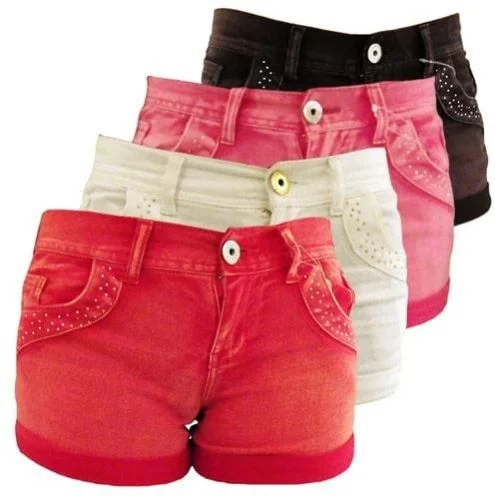
Sweat Shorts Unisex
Harbor
Sweat Shorts Unisex
Contact
MOQ: 1 Unit
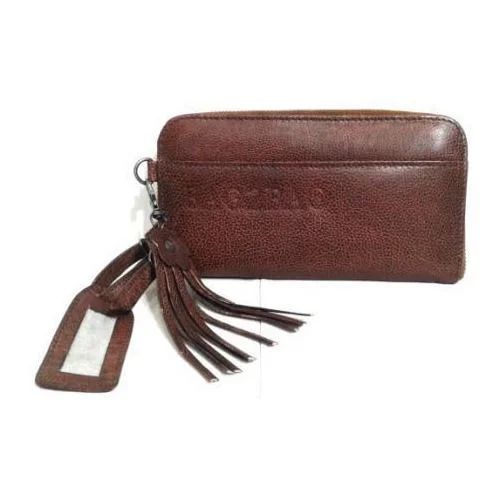
Leather Wallet Mens & Leather Purse Mens
Harbor
Leather Wallet Mens & Leather Purse Mens
Contact
MOQ: 1 Unit
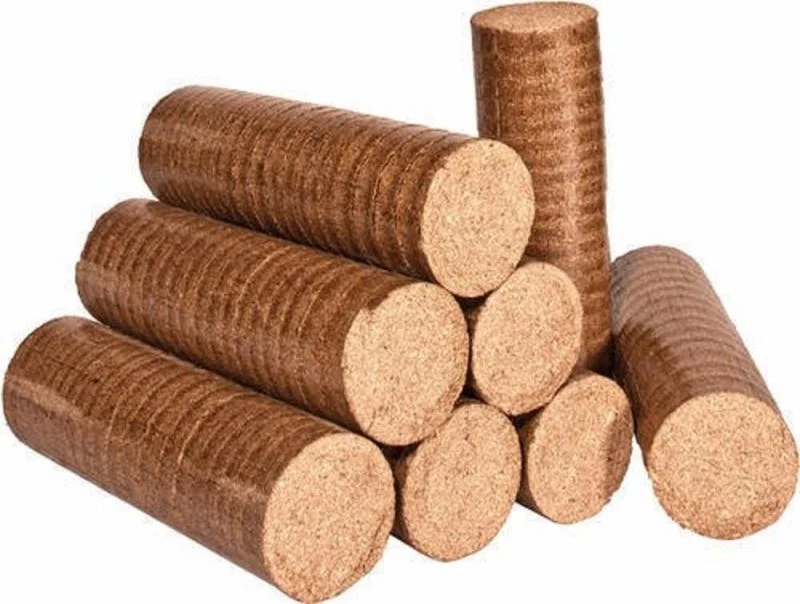
Wood Pellet
Harbor
Wood Pellet
Contact
MOQ: 1 Unit
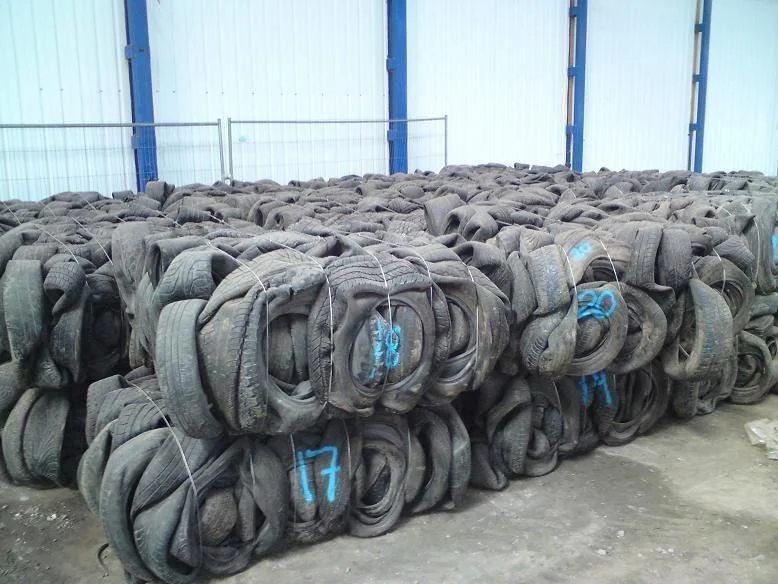
Butyl Tube Scrap
Harbor
Butyl Tube Scrap
Contact
MOQ: 1 Unit
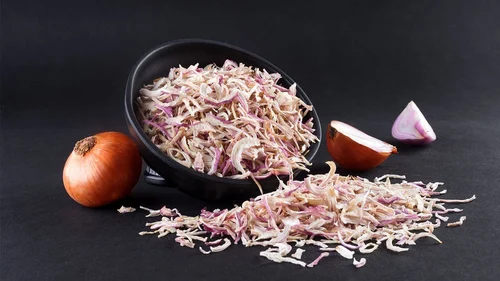
Onion
Harbor
Onion
Contact
MOQ: 1 Unit
LifePo4 Lishen 3.2V 280AH A Grade
Harbor
LifePo4 Lishen 3.2V 280AH A Grade
Contact
MOQ: 1 Unit
Lithium products
Harbor
Lithium products
Contact
MOQ: 1 Unit

About Ahmed - Batteries & Chargers Supplier in India

India, with a catalogue of 27 active products, Ahmed lists items across several categories including Batteries & Chargers, Leather Wallets, Precious & Semi‑Precious Stones, Cotton, Maize, Coffee, Oil Seeds and Red Chilli. The catalogue contains specific chemical and electronic items such as Lithium Carbonate (HS 2836.91, minimum 99.5 % purity), LifePo4 battery cells (HS 8507.60) and a 60 kW DC charger (HS 8504.40). Agricultural entries cover raw Cotton, Cereals, Pulses, Onion and other vegetables, each aligned with the relevant HS chapters for textiles and foodstuffs. The supplier also mentions finished goods such as Leather Wallets for men, Sweat Shorts, T‑shirts and marble products.

The product list further includes Solar Panels, various lithium‑based compounds, Wood Pellet, EN590‑10 ppm diesel specification, and Car Products, together with live fish and fresh flowers. No additional corporate details such as founding year or employee count are provided, and the information is limited to the items and HS codes shown in the catalogue.

Product Range and Specialties of Ahmed

Ahmed’s catalogue features lithium‑based chemicals and battery components that match common industry specifications. Lithium Carbonate is presented as a battery‑grade material with a minimum purity of 99.5 %, which aligns with the standard used for lithium‑ion cell production. The LifePo4 cells are specified at 3.2 V nominal voltage and 280 Ah capacity, a configuration that follows IEC 62619 safety testing and IEC 62133 performance criteria. The 60 kW DC charger, built with a steel housing, conforms to IEC 60950 electrical safety norms and is typical of industrial‑grade chargers used in renewable‑energy installations. Solar panels, though not detailed, are generally offered in the 250‑400 W range and are expected to meet IEC 61215 and IEC 61730 certifications. For agricultural products, cotton is usually graded by fiber length (28‑34 mm) and micronaire (3.5‑4.5). Maize exports are evaluated for moisture content below 14 % and aflatoxin levels within Codex limits. Coffee beans are commonly classified by screen size and cup quality scores, while red chilli is graded by moisture (≤12 %) and Scoville heat units (30 000‑50 000). These industry benchmarks complement the product titles listed in Ahmed’s catalogue.

Trade and Export Information - Ahmed

India is a major exporter of both inorganic chemicals and agricultural commodities, and the HS codes in Ahmed’s catalogue reflect the standard classification used in global trade. Lithium carbonate and related compounds fall under HS 2836, which is subject to REACH registration in the EU and requires a Material Safety Data Sheet (MSDS) for customs clearance. Battery cells (HS 8507) and power equipment such as the 60 kW DC charger (HS 8504) are routinely inspected for IEC compliance, CE marking for the EU market, and UL certification for North America. Agricultural items - cotton (HS 5201), cereals and maize (HS 1005), oil seeds (HS 1201), and fresh produce such as onions or flowers - typically need phytosanitary certificates, certificates of origin, and may be subject to maximum residue limits (MRLs) under Codex Alimentarius. Typical export logistics from Indian ports use 20‑ft or 40‑ft containers for bulk goods, with bulk bags for chemicals and pallets for textiles. Incoterms most often applied are FOB (Free on Board) or CIF (Cost, Insurance, Freight) depending on the buyer’s preference. Major destination regions for Indian lithium products include the United States, the European Union and Southeast Asian markets, while cotton, maize, coffee and spices are frequently shipped to Europe, the Middle East and North America.

Sourcing from Ahmed - Buyer Guidance

When sourcing lithium carbonate or LiFePO4 cells from Ahmed, buyers should request a recent Certificate of Analysis, the MSDS, and test reports demonstrating compliance with IEC 62619 and IEC 62133. For the 60 kW DC charger, a CE Declaration of Conformity or UL listing, along with the product’s test report for voltage‑frequency stability, should be verified before placement of an order. For agricultural commodities, buyers need to obtain a phytosanitary certificate, a moisture‑content analysis, and, where applicable, pesticide‑residue test results that meet Codex limits. Cotton shipments should be accompanied by a fiber‑quality report showing length, strength and micronaire values. Maize and oil‑seed consignments require a mycotoxin analysis, and red chilli should be tested for Scoville heat units and moisture. Verifying these documents helps ensure smooth customs clearance and alignment with the buyer’s quality standards.

Frequently Asked Questions About Ahmed

What HS codes are used for Ahmed's lithium products?

Lithium carbonate and related battery‑grade compounds are listed under HS 2836.91, LiFePO4 battery cells under HS 8507.60, and the 60 kW DC charger under HS 8504.40.

Which certifications should a buyer request for the LiFePO4 battery cells?

Buyers typically ask for a Certificate of Analysis, an MSDS, and proof of compliance with IEC 62619 (safety) and IEC 62133 (performance), as well as any applicable REACH or RoHS statements.

How are the agricultural items such as cotton or maize packaged for export?

Cotton is usually packed in standard bales on wooden pallets inside 20‑ft containers, while maize is shipped in bulk bags of about one metric ton or in siloized containers, all accompanied by phytosanitary certificates.

What quality parameters are common for the red chilli product?

Standard specifications include moisture content of 12 % or less, Scoville heat units between 30 000 and 50 000, and pesticide residues below Codex maximum residue limits.

What documentation is required for exporting fresh flowers?

A Phytosanitary Certificate, a Certificate of Origin, and compliance with ISPM 15 for any wooden packaging are normally required.

What are typical lead times for the 60 kW DC charger?

Lead times of six to eight weeks are common after order confirmation and receipt of a purchase order.

Which markets does Ahmed primarily serve?

The catalogue does not specify target markets, but Indian exporters of lithium compounds and agricultural produce commonly supply Europe, the United States, the Middle East and Southeast Asian countries.

What is the minimum order quantity for lithium carbonate (99.5 % purity)?

Minimum orders are often set at 500 kg per shipment, though the exact MOQ should be confirmed with the supplier.

About Ahmed - Batteries & Chargers Supplier in India

India, with a catalogue of 27 active products, Ahmed lists items across several categories including Batteries & Chargers, Leather Wallets, Precious & Semi‑Precious Stones, Cotton, Maize, Coffee, Oil Seeds and Red Chilli. The catalogue contains specific chemical and electronic items such as Lithium Carbonate (HS 2836.91, minimum 99.5 % purity), LifePo4 battery cells (HS 8507.60) and a 60 kW DC charger (HS 8504.40). Agricultural entries cover raw Cotton, Cereals, Pulses, Onion and other vegetables, each aligned with the relevant HS chapters for textiles and foodstuffs. The supplier also mentions finished goods such as Leather Wallets for men, Sweat Shorts, T‑shirts and marble products.

The product list further includes Solar Panels, various lithium‑based compounds, Wood Pellet, EN590‑10 ppm diesel specification, and Car Products, together with live fish and fresh flowers. No additional corporate details such as founding year or employee count are provided, and the information is limited to the items and HS codes shown in the catalogue.

Product Range and Specialties of Ahmed

Ahmed’s catalogue features lithium‑based chemicals and battery components that match common industry specifications. Lithium Carbonate is presented as a battery‑grade material with a minimum purity of 99.5 %, which aligns with the standard used for lithium‑ion cell production. The LifePo4 cells are specified at 3.2 V nominal voltage and 280 Ah capacity, a configuration that follows IEC 62619 safety testing and IEC 62133 performance criteria. The 60 kW DC charger, built with a steel housing, conforms to IEC 60950 electrical safety norms and is typical of industrial‑grade chargers used in renewable‑energy installations. Solar panels, though not detailed, are generally offered in the 250‑400 W range and are expected to meet IEC 61215 and IEC 61730 certifications. For agricultural products, cotton is usually graded by fiber length (28‑34 mm) and micronaire (3.5‑4.5). Maize exports are evaluated for moisture content below 14 % and aflatoxin levels within Codex limits. Coffee beans are commonly classified by screen size and cup quality scores, while red chilli is graded by moisture (≤12 %) and Scoville heat units (30 000‑50 000). These industry benchmarks complement the product titles listed in Ahmed’s catalogue.

Trade and Export Information - Ahmed

India is a major exporter of both inorganic chemicals and agricultural commodities, and the HS codes in Ahmed’s catalogue reflect the standard classification used in global trade. Lithium carbonate and related compounds fall under HS 2836, which is subject to REACH registration in the EU and requires a Material Safety Data Sheet (MSDS) for customs clearance. Battery cells (HS 8507) and power equipment such as the 60 kW DC charger (HS 8504) are routinely inspected for IEC compliance, CE marking for the EU market, and UL certification for North America. Agricultural items - cotton (HS 5201), cereals and maize (HS 1005), oil seeds (HS 1201), and fresh produce such as onions or flowers - typically need phytosanitary certificates, certificates of origin, and may be subject to maximum residue limits (MRLs) under Codex Alimentarius. Typical export logistics from Indian ports use 20‑ft or 40‑ft containers for bulk goods, with bulk bags for chemicals and pallets for textiles. Incoterms most often applied are FOB (Free on Board) or CIF (Cost, Insurance, Freight) depending on the buyer’s preference. Major destination regions for Indian lithium products include the United States, the European Union and Southeast Asian markets, while cotton, maize, coffee and spices are frequently shipped to Europe, the Middle East and North America.

Sourcing from Ahmed - Buyer Guidance

When sourcing lithium carbonate or LiFePO4 cells from Ahmed, buyers should request a recent Certificate of Analysis, the MSDS, and test reports demonstrating compliance with IEC 62619 and IEC 62133. For the 60 kW DC charger, a CE Declaration of Conformity or UL listing, along with the product’s test report for voltage‑frequency stability, should be verified before placement of an order. For agricultural commodities, buyers need to obtain a phytosanitary certificate, a moisture‑content analysis, and, where applicable, pesticide‑residue test results that meet Codex limits. Cotton shipments should be accompanied by a fiber‑quality report showing length, strength and micronaire values. Maize and oil‑seed consignments require a mycotoxin analysis, and red chilli should be tested for Scoville heat units and moisture. Verifying these documents helps ensure smooth customs clearance and alignment with the buyer’s quality standards.

Frequently Asked Questions About Ahmed
What HS codes are used for Ahmed's lithium products?
Lithium carbonate and related battery‑grade compounds are listed under HS 2836.91, LiFePO4 battery cells under HS 8507.60, and the 60 kW DC charger under HS 8504.40.
Which certifications should a buyer request for the LiFePO4 battery cells?
Buyers typically ask for a Certificate of Analysis, an MSDS, and proof of compliance with IEC 62619 (safety) and IEC 62133 (performance), as well as any applicable REACH or RoHS statements.
How are the agricultural items such as cotton or maize packaged for export?
Cotton is usually packed in standard bales on wooden pallets inside 20‑ft containers, while maize is shipped in bulk bags of about one metric ton or in siloized containers, all accompanied by phytosanitary certificates.
What quality parameters are common for the red chilli product?
Standard specifications include moisture content of 12 % or less, Scoville heat units between 30 000 and 50 000, and pesticide residues below Codex maximum residue limits.
What documentation is required for exporting fresh flowers?
A Phytosanitary Certificate, a Certificate of Origin, and compliance with ISPM 15 for any wooden packaging are normally required.
What are typical lead times for the 60 kW DC charger?
Lead times of six to eight weeks are common after order confirmation and receipt of a purchase order.
Which markets does Ahmed primarily serve?
The catalogue does not specify target markets, but Indian exporters of lithium compounds and agricultural produce commonly supply Europe, the United States, the Middle East and Southeast Asian countries.
What is the minimum order quantity for lithium carbonate (99.5 % purity)?
Minimum orders are often set at 500 kg per shipment, though the exact MOQ should be confirmed with the supplier.

🏭
Ahmed
Country flag , India
Harbor
77/100
Trust Score
📦
27
Products
Free to contact — no commission
Escrow payment available
Verified business identity
Compare more suppliers
Post a requirement — get 10 quotes free
Let verified suppliers compete for your business. Free, fast, no commitment.
EximNext Verified Supplier
Business identity verified
Physical address confirmed
Financial history checked
Certifications authenticated
Trade references validated
Due Diligence
Verify this supplier's real shipping history.
Every shipment, every buyer, every port. Trade data that can't be faked.
Run due diligence →
Discover More

Related Suppliers & Products

Explore similar suppliers, related products and trending categories

Featured Products from this Supplier

Other Suppliers in Primary Category

Top Trusted Suppliers

Related Products

Trending in Parent Category

More Suppliers in Category

Stay ahead in global trade
Weekly market insights & new supplier alerts.
EximNext
Exim Next is a leading global B2B marketplace, connecting over 205,000 verified suppliers and buyers across 200+ countries. As a trusted import export marketplace, it serves as the essential B2B portal for businesses worldwide, empowering them to expand their international reach. With Exim Next, businesses can trade smarter and grow faster.
SECURE PAYMENTS
VISAMastercardPayPalSWIFTL/CEscrow
Follow us
© 2026 EximNext