Agriculture›
 Apparel and fashion accessories›
 Construction & real estate›💡Electronic & Electrical›🍎Food & Beverages›🛋️Home furnishing & supplies›⚗️Industrial goods & chemical›🪨Minerals & metals›📦Miscellaneous›Agriculture›Apparel and fashion accessories›Construction & real estate›💡Electronic & Electrical›🍎Food & Beverages›🛋️Home furnishing & supplies›⚗️Industrial goods & chemical›🪨Minerals & metals›📦Miscellaneous›
Ace Ceramica Product Catalog


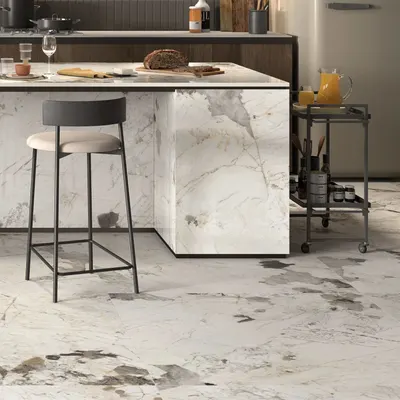
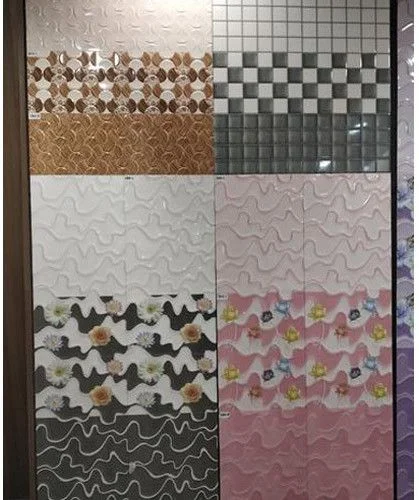


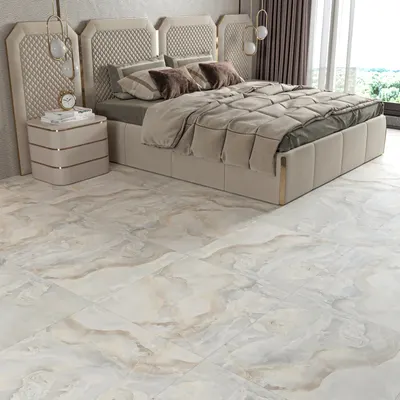

About Ace Ceramica - Porcelain Tiles Supplier in India
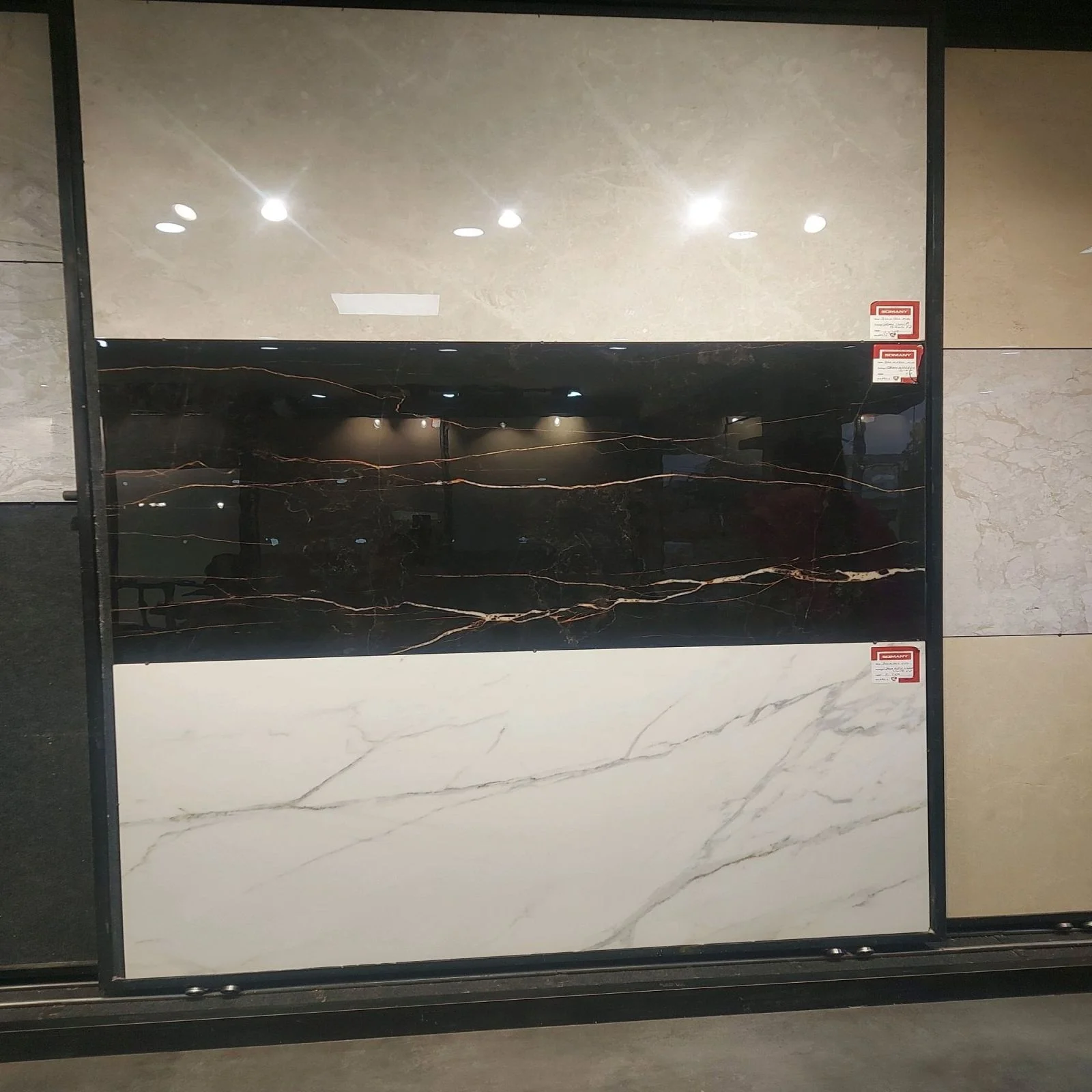
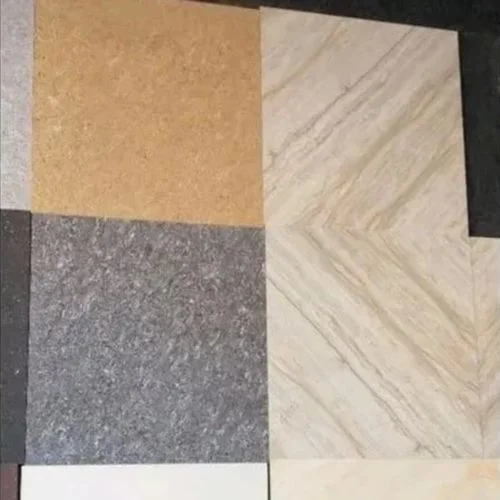
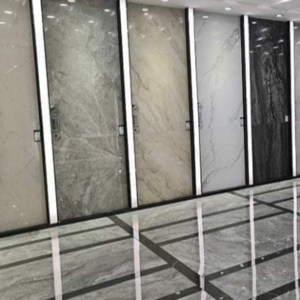
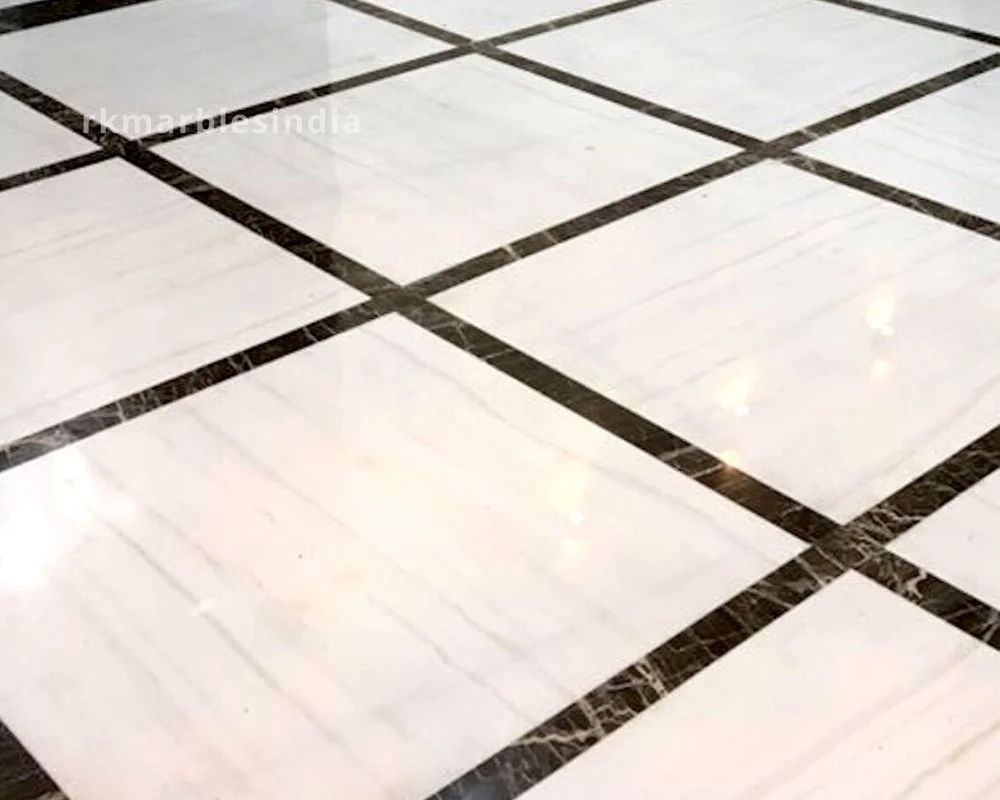
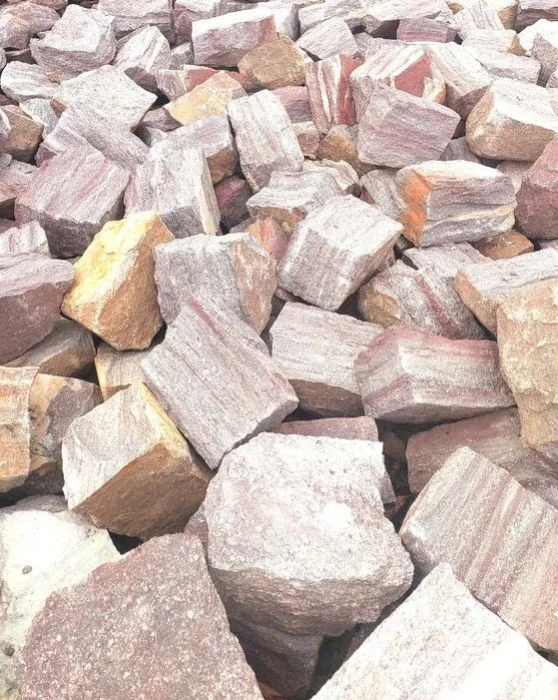
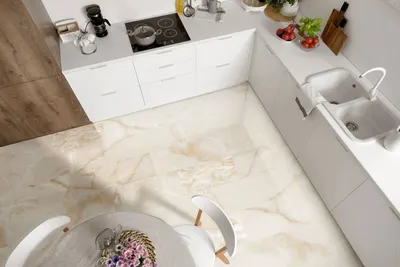
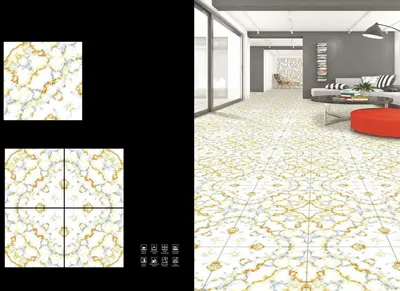
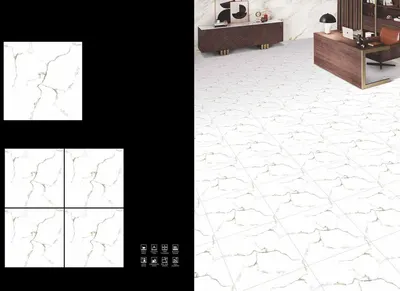
India is the origin country for Ace Ceramica, which currently lists 24 active products in its catalogue. The portfolio covers three top categories - Porcelain Tiles, general Tiles, and Sandstones & Sands - and includes a variety of surface finishes, sizes and formats that are typical for the Indian tile industry. Each entry specifies dimensions such as 600 × 600 mm, 600 × 1200 mm, 800 × 1600 mm, and slab‑size tiles, reflecting the common size range used in residential and commercial projects. The catalogue also contains several 300 × 600 mm formats that are often employed for wall cladding or mosaic applications.
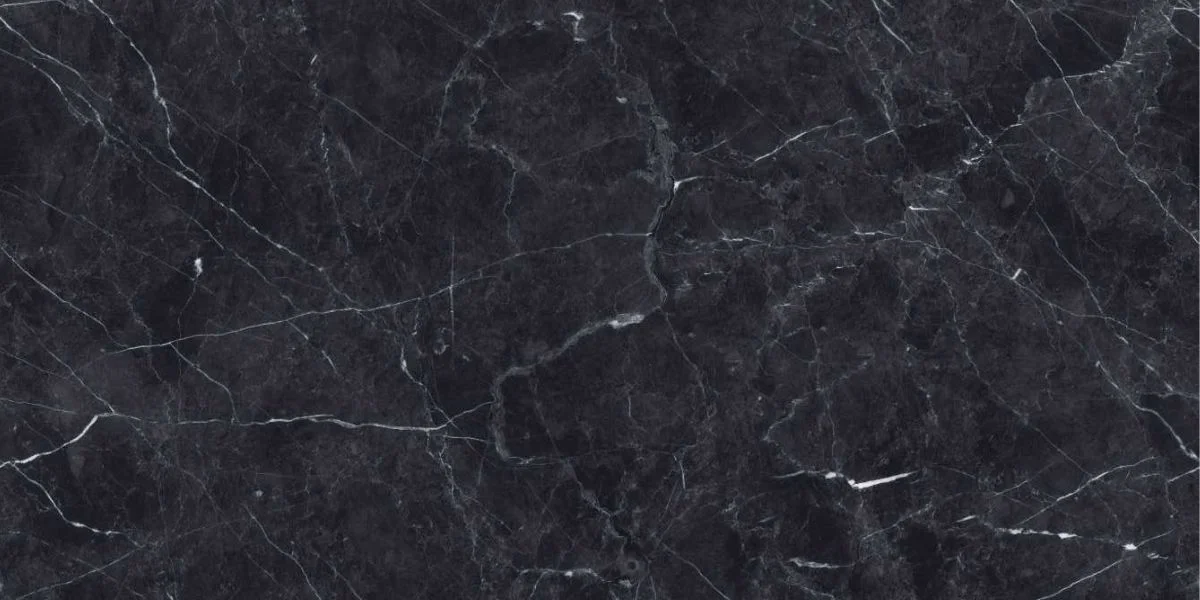
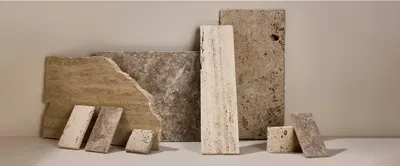
The product list includes named designs like LILERIA WHITE 600x600, SAND BROWN 600x600, and Jupiter Bronz Parking Tiles 600x600 mm, as well as larger format offerings such as Pietra Nero Tiles 800 × 1600 mm and various 800 × 1600 mm glossy tiles. In addition to the named designs, the supplier provides generic entries for 600 × 1200 mm, 600 × 600 mm and 300 × 600 mm porcelain tiles, as well as slab‑style tiles. The inclusion of both glazed and potentially unglazed stone‑derived tiles aligns with the broader Indian market that serves both floor covering and decorative stone applications.
Product Range and Specialties of Ace Ceramica
Ace Ceramica’s catalogue spans glazed porcelain tiles in standard formats of 300 × 600 mm, 600 × 600 mm, 600 × 1200 mm and large‑format 800 × 1600 mm, plus slab‑type tiles. In the industry, glazed porcelain tiles are typically classified by PEI (Porcelain Enamel Institute) ratings from 1 to 5, water absorption below 0.5 %, and a Mohs hardness of 6 - 7. Common finishes include high gloss, matte and textured, with typical slip‑resistance values of 0.45 % to 0.6 % for floor applications. Sandstone and sand products are generally supplied in bulk with particle size grading (e.g., 0‑2 mm, 2‑4 mm) and moisture content below 5 % for construction use. Buyers often request ISO 13006 compliance for tile dimensions and tolerances, and many Indian exporters offer ISO 9001 quality management certification.
Frequently Asked Questions About Ace Ceramica
What HS codes are applicable to the tiles listed by Ace Ceramica?
Glazed porcelain tiles are generally classified under HS code 6907, while unglazed or stone‑derived tiles fall under HS code 6908. The exact code depends on the surface finish and material composition of each product.
Which tile dimensions are most common in Ace Ceramica’s catalogue?
The catalogue includes 300 × 600 mm, 600 × 600 mm, 600 × 1200 mm and large‑format 800 × 1600 mm tiles, as well as slab‑size tiles. These sizes match standard industry offerings for both residential flooring and commercial projects.
Are any certifications required from Ace Ceramica before export?
While the supplier’s facts do not list specific certifications, buyers typically request ISO 9001 quality management certification and, for markets that mandate it, CE marking or equivalent building‑code approvals. These should be confirmed before order finalisation.
What lead time can buyers expect for orders from Ace Ceramica?
Lead times for Indian porcelain tile manufacturers typically range from 30 to 45 days after order confirmation, subject to production scheduling and any required pre‑shipment testing.
What quality standards should buyers verify for these tiles?
Buyers should look for compliance with ISO 13006 for dimensions and tolerances, PEI rating for wear resistance, water absorption below 0.5 % and a slip‑resistance coefficient appropriate for the intended use. Third‑party test reports from accredited labs are standard practice.
 India
Related Suppliers & Products
Explore similar suppliers, related products and trending categories