Xinyahong Technology Co. — Verified Supplier

About Xinyahong Technology Co. - Electric Components Supplier in China

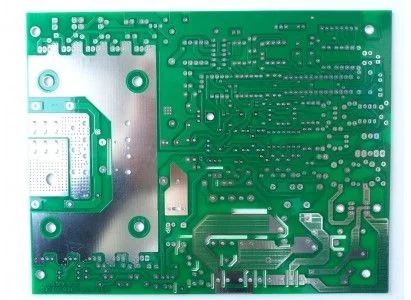
Xinyahong Technology Co. operates from China and currently lists five active products in its catalogue. All five items fall under the electric components umbrella and are identified as multilayer PCB, flexible printed circuit (FPC), PCB assembly service, aluminum PCB, and rigid‑flexible PCB. The supplier’s catalogue does not provide HS codes, so the products are referenced by their standard industry names. Each product type addresses a different segment of printed circuit board manufacturing, from high‑layer count rigid boards to lightweight flexible substrates. The count of five distinct offerings reflects a focused product portfolio within the broader electronic components market.

The listed PCB types are commonly used in consumer electronics, automotive, industrial control, and LED lighting applications. Multilayer PCBs can range from 4 to 20 layers, typically built on FR‑4 material and complying with IPC‑6012 standards for performance. Flexible printed circuits are usually made from polyimide films with copper thicknesses from 12 µm to 35 µm, supporting repeated bend cycles. Aluminum‑core PCBs are employed for heat‑dissipation in power LED modules, often featuring a 1 mm aluminum substrate with a dielectric layer of 0.5 mm. Rigid‑flex boards combine rigid FR‑4 sections with flexible polyimide zones, enabling compact, multi‑functional assemblies.

Product Range and Specialties of Xinyahong Technology Co.

The catalogue enumerates multilayer PCBs, flexible printed circuits, complete PCB assembly, aluminum‑core PCBs, and rigid‑flex PCBs. In the PCB industry, multilayer boards are graded by layer count, copper weight (e.g., 1 oz/ft²), and dielectric material, with higher layers supporting complex routing and impedance control. Flexible circuits are classified by bend radius, thickness, and copper foil weight, and they often meet IPC‑6013 for flex reliability. Aluminum PCBs are evaluated by thermal resistance (typically 0.5 - 1 °C/W) and suitability for high‑power LED applications. Rigid‑flex products combine the mechanical stability of rigid boards with the flexibility of FPCs, and they are built to IPC‑2223 standards for mixed‑technology designs. Buyers typically request data sheets that specify stack‑up, material grades (e.g., FR‑4, polyimide), and compliance with RoHS and REACH directives.

Trade and Export Information - Xinyahong Technology Co.

China is a major exporter of printed circuit boards, with shipments frequently directed to North America, Western Europe, and the Asia‑Pacific region. The HS chapter for printed circuit assemblies is 8473, while bare PCBs fall under heading 8542; these codes are used by customs authorities to assess duties and regulatory compliance. International buyers often require ISO 9001 quality management certification, UL listing for safety, and RoHS compliance to limit hazardous substances. Export logistics for PCBs typically involve anti‑static poly‑ethylene bags, double‑boxed in corrugated cartons, and loaded into 20‑ft or 40‑ft containers; a standard 20‑ft container can accommodate roughly 1,500 kg of board material depending on packaging density. Freight terms such as CIF or FOB are common, with buyers arranging final inland transport after customs clearance.

Sourcing from Xinyahong Technology Co. - Buyer Guidance

When sourcing PCBs from Xinyahong Technology Co., request the full Gerber files, material stack‑up details, and any applicable IPC test reports (e.g., IPC‑6012 for performance, IPC‑2221 for design). Verify that the supplier can provide RoHS compliance statements and, if required by the destination market, UL or CE certification documents. Typical minimum order quantities range from 100 units for prototype runs to several thousand for mass production, with lead times of 15 - 30 days after design finalisation. Confirm packaging specifications - anti‑static bags, moisture‑barrier sealing, and proper labeling - to prevent damage during transit.

Frequently Asked Questions About Xinyahong Technology Co.

What types of printed circuit boards does Xinyahong Technology Co. list in its catalogue?

The catalogue includes multilayer PCBs, flexible printed circuits (FPC), PCB assembly services, aluminum‑core PCBs, and rigid‑flex PCBs.

Are HS codes provided for the listed products?

The supplier’s public data does not include specific HS codes; however, printed circuit assemblies generally fall under HS 8473 and bare PCBs under HS 8542.

Which industry standards are relevant for the PCBs offered?

Typical standards include IPC‑6012 for performance testing, IPC‑2221 for generic design, IPC‑6013 for flexible circuits, and RoHS for hazardous substance limits.

What documentation should a buyer request before placing an order?

Buyers should ask for Gerber files, material specifications, IPC test reports, RoHS compliance statements, and any applicable UL or CE certificates.

What are common minimum order quantities and lead times for these PCB types?

Prototype orders often start at 100 units, while larger production runs may require several thousand units; lead times usually range from 15 to 30 days after design approval.

How are the PCBs packaged for international shipping?

Standard packaging uses anti‑static poly‑ethylene bags, moisture‑barrier sealing, and double‑wall corrugated cartons, suitable for container loading.

Which regions typically import PCBs from Chinese manufacturers?

Major import markets include the United States, European Union countries, Japan, South Korea, and Southeast Asian nations.

What certifications are commonly required by buyers of Chinese‑origin PCBs?

Buyers frequently require ISO 9001 quality management, UL safety listing, CE marking for the EU, and RoHS compliance for environmental standards.


Featured Products from this Supplier

Other Suppliers in Primary Category

Related Products

Trending in Parent Category

More Suppliers in Category

Related Products

Other Suppliers

EximNext
58.5K+ live requirements
Register Free🎁 Reach verified global buyers
Post Requirement
🌍 Trusted by 224.6K+ businesses in 200+ countries|
58.5K+ active requirements right now
✉️ [email protected]
|
Sell on EximNextPost Requirement
EximNext
AgricultureApparelConstructionElectronicFoodHomeIndustrialMineralsMiscellaneous
🔥 Deals|✨ AI Match|🏭 Suppliers|📋 Buy Leads|💰 Trade Finance
58.5K+ live RFQs·194.6K+ suppliers
🎁 Reach global buyers →
EximNext
EximNext
Register Free
🎁 Reach verified global buyers
Sign In
📋Post Requirement💬Get QuotesAI Match📋RFQ Marketplace
All Categories
Services & Tools
🏭Supplier Directory🔥Today's Deals💰Trade Finance
Sell on EximNext
AboutContactBlogHelp
🏭

Xinyahong Technology Co.

Harbor
Country flag , China
🛡️
55/100
Trust Score

Xinyahong Technology Co. Product Catalog

Showing 5 of 5 products
View all products →
Rigid Flexible PCB
Harbor
Rigid Flexible PCB
Contact
MOQ: 1 Unit
Aluminum pcb
Harbor
Aluminum pcb
Contact
MOQ: 1 Unit
Pcb assembly
Harbor
Pcb assembly
Contact
MOQ: 1 Unit
FPC
Harbor
FPC
Contact
MOQ: 1 Unit
Multilayer pcb
Harbor
Multilayer pcb
Contact
MOQ: 1 Unit

About Xinyahong Technology Co. - Electric Components Supplier in China

Xinyahong Technology Co. operates from China and currently lists five active products in its catalogue. All five items fall under the electric components umbrella and are identified as multilayer PCB, flexible printed circuit (FPC), PCB assembly service, aluminum PCB, and rigid‑flexible PCB. The supplier’s catalogue does not provide HS codes, so the products are referenced by their standard industry names. Each product type addresses a different segment of printed circuit board manufacturing, from high‑layer count rigid boards to lightweight flexible substrates. The count of five distinct offerings reflects a focused product portfolio within the broader electronic components market.

The listed PCB types are commonly used in consumer electronics, automotive, industrial control, and LED lighting applications. Multilayer PCBs can range from 4 to 20 layers, typically built on FR‑4 material and complying with IPC‑6012 standards for performance. Flexible printed circuits are usually made from polyimide films with copper thicknesses from 12 µm to 35 µm, supporting repeated bend cycles. Aluminum‑core PCBs are employed for heat‑dissipation in power LED modules, often featuring a 1 mm aluminum substrate with a dielectric layer of 0.5 mm. Rigid‑flex boards combine rigid FR‑4 sections with flexible polyimide zones, enabling compact, multi‑functional assemblies.

Product Range and Specialties of Xinyahong Technology Co.

The catalogue enumerates multilayer PCBs, flexible printed circuits, complete PCB assembly, aluminum‑core PCBs, and rigid‑flex PCBs. In the PCB industry, multilayer boards are graded by layer count, copper weight (e.g., 1 oz/ft²), and dielectric material, with higher layers supporting complex routing and impedance control. Flexible circuits are classified by bend radius, thickness, and copper foil weight, and they often meet IPC‑6013 for flex reliability. Aluminum PCBs are evaluated by thermal resistance (typically 0.5 - 1 °C/W) and suitability for high‑power LED applications. Rigid‑flex products combine the mechanical stability of rigid boards with the flexibility of FPCs, and they are built to IPC‑2223 standards for mixed‑technology designs. Buyers typically request data sheets that specify stack‑up, material grades (e.g., FR‑4, polyimide), and compliance with RoHS and REACH directives.

Trade and Export Information - Xinyahong Technology Co.

China is a major exporter of printed circuit boards, with shipments frequently directed to North America, Western Europe, and the Asia‑Pacific region. The HS chapter for printed circuit assemblies is 8473, while bare PCBs fall under heading 8542; these codes are used by customs authorities to assess duties and regulatory compliance. International buyers often require ISO 9001 quality management certification, UL listing for safety, and RoHS compliance to limit hazardous substances. Export logistics for PCBs typically involve anti‑static poly‑ethylene bags, double‑boxed in corrugated cartons, and loaded into 20‑ft or 40‑ft containers; a standard 20‑ft container can accommodate roughly 1,500 kg of board material depending on packaging density. Freight terms such as CIF or FOB are common, with buyers arranging final inland transport after customs clearance.

Sourcing from Xinyahong Technology Co. - Buyer Guidance

When sourcing PCBs from Xinyahong Technology Co., request the full Gerber files, material stack‑up details, and any applicable IPC test reports (e.g., IPC‑6012 for performance, IPC‑2221 for design). Verify that the supplier can provide RoHS compliance statements and, if required by the destination market, UL or CE certification documents. Typical minimum order quantities range from 100 units for prototype runs to several thousand for mass production, with lead times of 15 - 30 days after design finalisation. Confirm packaging specifications - anti‑static bags, moisture‑barrier sealing, and proper labeling - to prevent damage during transit.

Frequently Asked Questions About Xinyahong Technology Co.

What types of printed circuit boards does Xinyahong Technology Co. list in its catalogue?

The catalogue includes multilayer PCBs, flexible printed circuits (FPC), PCB assembly services, aluminum‑core PCBs, and rigid‑flex PCBs.

Are HS codes provided for the listed products?

The supplier’s public data does not include specific HS codes; however, printed circuit assemblies generally fall under HS 8473 and bare PCBs under HS 8542.

Which industry standards are relevant for the PCBs offered?

Typical standards include IPC‑6012 for performance testing, IPC‑2221 for generic design, IPC‑6013 for flexible circuits, and RoHS for hazardous substance limits.

What documentation should a buyer request before placing an order?

Buyers should ask for Gerber files, material specifications, IPC test reports, RoHS compliance statements, and any applicable UL or CE certificates.

What are common minimum order quantities and lead times for these PCB types?

Prototype orders often start at 100 units, while larger production runs may require several thousand units; lead times usually range from 15 to 30 days after design approval.

How are the PCBs packaged for international shipping?

Standard packaging uses anti‑static poly‑ethylene bags, moisture‑barrier sealing, and double‑wall corrugated cartons, suitable for container loading.

Which regions typically import PCBs from Chinese manufacturers?

Major import markets include the United States, European Union countries, Japan, South Korea, and Southeast Asian nations.

What certifications are commonly required by buyers of Chinese‑origin PCBs?

Buyers frequently require ISO 9001 quality management, UL safety listing, CE marking for the EU, and RoHS compliance for environmental standards.

About Xinyahong Technology Co. - Electric Components Supplier in China

Xinyahong Technology Co. operates from China and currently lists five active products in its catalogue. All five items fall under the electric components umbrella and are identified as multilayer PCB, flexible printed circuit (FPC), PCB assembly service, aluminum PCB, and rigid‑flexible PCB. The supplier’s catalogue does not provide HS codes, so the products are referenced by their standard industry names. Each product type addresses a different segment of printed circuit board manufacturing, from high‑layer count rigid boards to lightweight flexible substrates. The count of five distinct offerings reflects a focused product portfolio within the broader electronic components market.

The listed PCB types are commonly used in consumer electronics, automotive, industrial control, and LED lighting applications. Multilayer PCBs can range from 4 to 20 layers, typically built on FR‑4 material and complying with IPC‑6012 standards for performance. Flexible printed circuits are usually made from polyimide films with copper thicknesses from 12 µm to 35 µm, supporting repeated bend cycles. Aluminum‑core PCBs are employed for heat‑dissipation in power LED modules, often featuring a 1 mm aluminum substrate with a dielectric layer of 0.5 mm. Rigid‑flex boards combine rigid FR‑4 sections with flexible polyimide zones, enabling compact, multi‑functional assemblies.

Product Range and Specialties of Xinyahong Technology Co.

The catalogue enumerates multilayer PCBs, flexible printed circuits, complete PCB assembly, aluminum‑core PCBs, and rigid‑flex PCBs. In the PCB industry, multilayer boards are graded by layer count, copper weight (e.g., 1 oz/ft²), and dielectric material, with higher layers supporting complex routing and impedance control. Flexible circuits are classified by bend radius, thickness, and copper foil weight, and they often meet IPC‑6013 for flex reliability. Aluminum PCBs are evaluated by thermal resistance (typically 0.5 - 1 °C/W) and suitability for high‑power LED applications. Rigid‑flex products combine the mechanical stability of rigid boards with the flexibility of FPCs, and they are built to IPC‑2223 standards for mixed‑technology designs. Buyers typically request data sheets that specify stack‑up, material grades (e.g., FR‑4, polyimide), and compliance with RoHS and REACH directives.

Trade and Export Information - Xinyahong Technology Co.

China is a major exporter of printed circuit boards, with shipments frequently directed to North America, Western Europe, and the Asia‑Pacific region. The HS chapter for printed circuit assemblies is 8473, while bare PCBs fall under heading 8542; these codes are used by customs authorities to assess duties and regulatory compliance. International buyers often require ISO 9001 quality management certification, UL listing for safety, and RoHS compliance to limit hazardous substances. Export logistics for PCBs typically involve anti‑static poly‑ethylene bags, double‑boxed in corrugated cartons, and loaded into 20‑ft or 40‑ft containers; a standard 20‑ft container can accommodate roughly 1,500 kg of board material depending on packaging density. Freight terms such as CIF or FOB are common, with buyers arranging final inland transport after customs clearance.

Sourcing from Xinyahong Technology Co. - Buyer Guidance

When sourcing PCBs from Xinyahong Technology Co., request the full Gerber files, material stack‑up details, and any applicable IPC test reports (e.g., IPC‑6012 for performance, IPC‑2221 for design). Verify that the supplier can provide RoHS compliance statements and, if required by the destination market, UL or CE certification documents. Typical minimum order quantities range from 100 units for prototype runs to several thousand for mass production, with lead times of 15 - 30 days after design finalisation. Confirm packaging specifications - anti‑static bags, moisture‑barrier sealing, and proper labeling - to prevent damage during transit.

Frequently Asked Questions About Xinyahong Technology Co.
What types of printed circuit boards does Xinyahong Technology Co. list in its catalogue?
The catalogue includes multilayer PCBs, flexible printed circuits (FPC), PCB assembly services, aluminum‑core PCBs, and rigid‑flex PCBs.
Are HS codes provided for the listed products?
The supplier’s public data does not include specific HS codes; however, printed circuit assemblies generally fall under HS 8473 and bare PCBs under HS 8542.
Which industry standards are relevant for the PCBs offered?
Typical standards include IPC‑6012 for performance testing, IPC‑2221 for generic design, IPC‑6013 for flexible circuits, and RoHS for hazardous substance limits.
What documentation should a buyer request before placing an order?
Buyers should ask for Gerber files, material specifications, IPC test reports, RoHS compliance statements, and any applicable UL or CE certificates.
What are common minimum order quantities and lead times for these PCB types?
Prototype orders often start at 100 units, while larger production runs may require several thousand units; lead times usually range from 15 to 30 days after design approval.
How are the PCBs packaged for international shipping?
Standard packaging uses anti‑static poly‑ethylene bags, moisture‑barrier sealing, and double‑wall corrugated cartons, suitable for container loading.
Which regions typically import PCBs from Chinese manufacturers?
Major import markets include the United States, European Union countries, Japan, South Korea, and Southeast Asian nations.
What certifications are commonly required by buyers of Chinese‑origin PCBs?
Buyers frequently require ISO 9001 quality management, UL safety listing, CE marking for the EU, and RoHS compliance for environmental standards.

🏭
Xinyahong Technology Co.
Country flag , China
Harbor
55/100
Trust Score
📦
5
Products
Free to contact — no commission
Escrow payment available
Verified business identity
Compare more suppliers
Post a requirement — get 10 quotes free
Let verified suppliers compete for your business. Free, fast, no commitment.
EximNext Verified Supplier
Business identity verified
Physical address confirmed
Financial history checked
Certifications authenticated
Trade references validated
Due Diligence
Verify this supplier's real shipping history.
Every shipment, every buyer, every port. Trade data that can't be faked.
Run due diligence →
Discover More

Related Suppliers & Products

Explore similar suppliers, related products and trending categories

Featured Products from this Supplier

Other Suppliers in Primary Category

Related Products

Trending in Parent Category

More Suppliers in Category

Stay ahead in global trade
Weekly market insights & new supplier alerts.
EximNext
Exim Next is a leading global B2B marketplace, connecting over 205,000 verified suppliers and buyers across 200+ countries. As a trusted import export marketplace, it serves as the essential B2B portal for businesses worldwide, empowering them to expand their international reach. With Exim Next, businesses can trade smarter and grow faster.
SECURE PAYMENTS
VISAMastercardPayPalSWIFTL/CEscrow
Follow us
© 2026 EximNext