Vrn Ceramic Ltd. — Supplier
About Vrn Ceramic Ltd. - Tiles Supplier in India
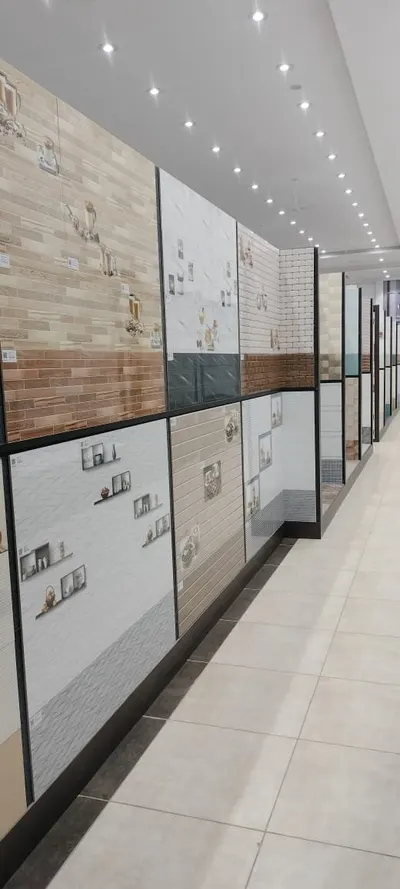
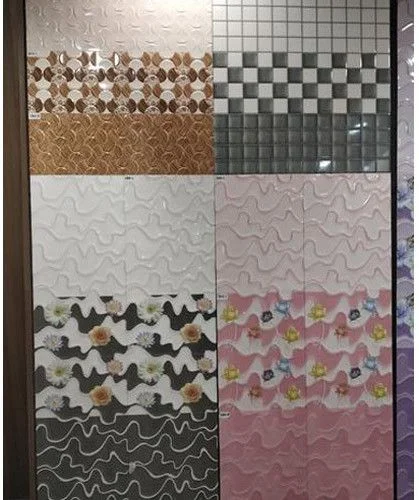
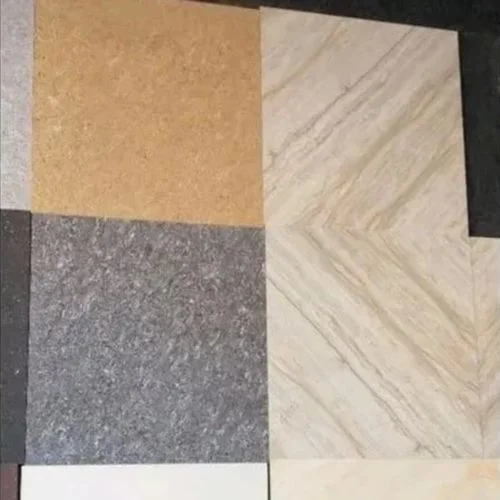
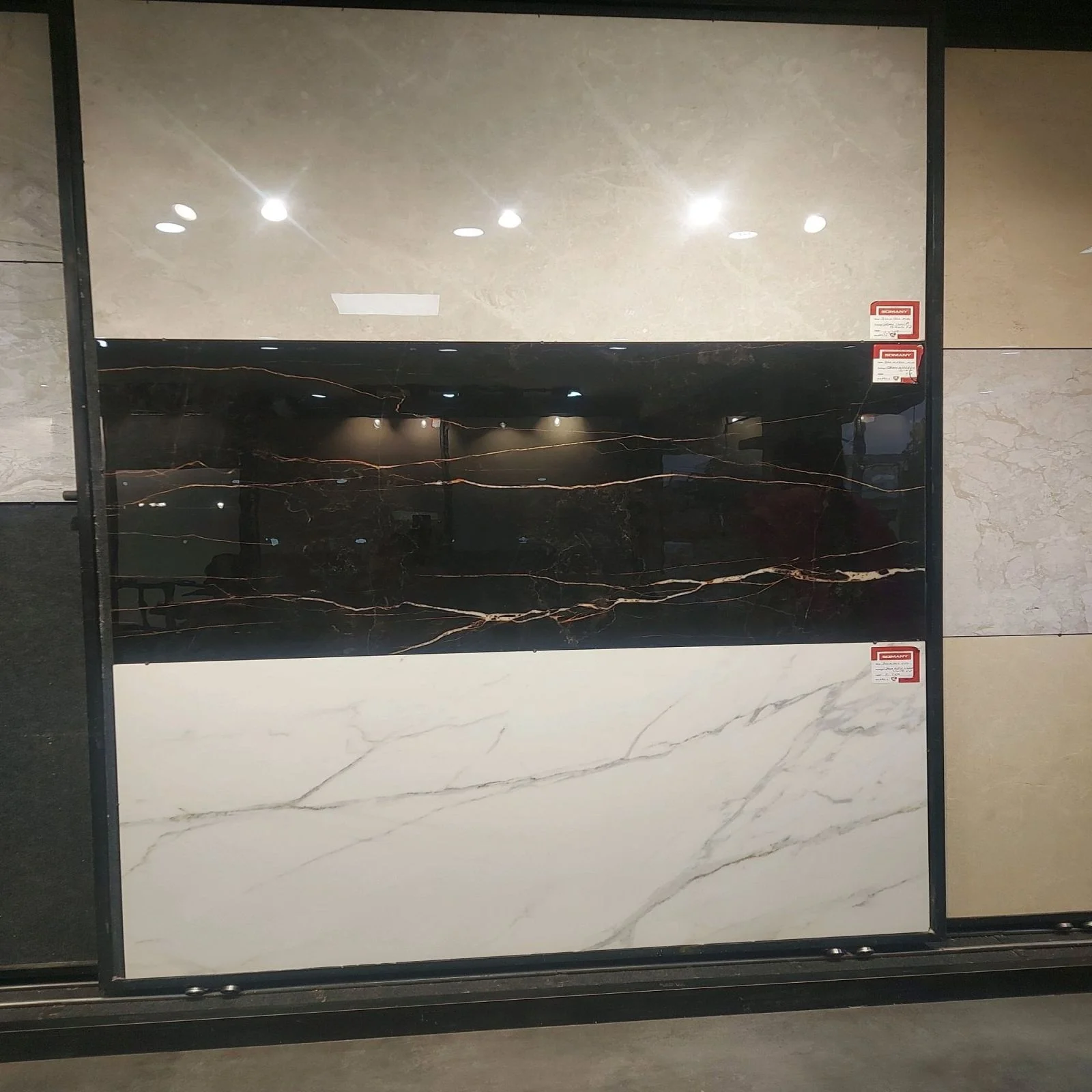
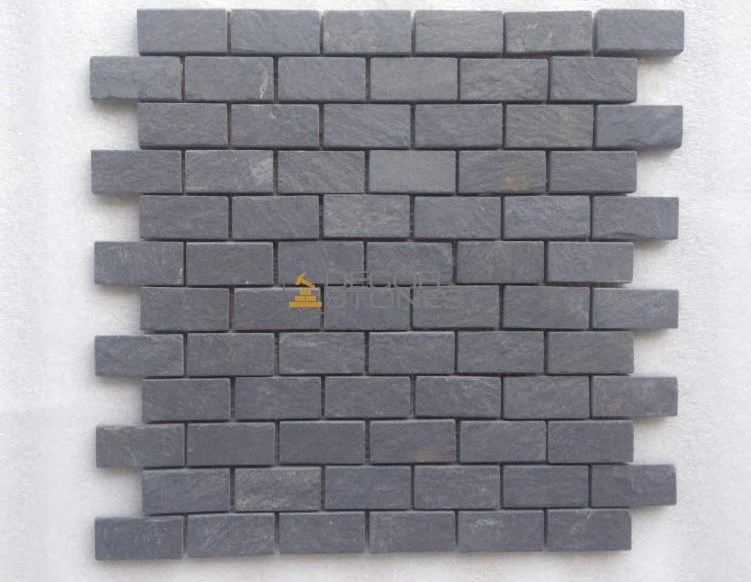
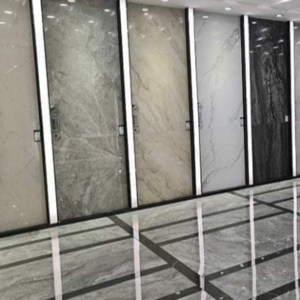
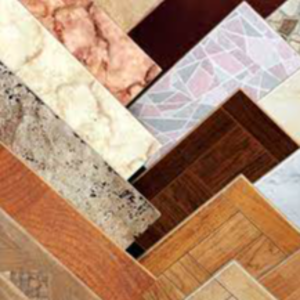
Vrn Ceramic Ltd. is located in India and currently lists 25 distinct tile products in its online catalogue. The supplier groups its offerings under the top categories of Tiles and Quartzite Tiles, reflecting a focus on ceramic and natural stone‑derived flooring solutions. Each entry in the catalogue is identified by a product name such as Glazed Vitrified Tiles, HG Mercury, Helix Beige, and Brickstone Almond, indicating a mix of glazed vitrified and quartzite‑styled designs. The product list does not include HS codes, so the classification relies on the broader tile categories reported in the facts.
The catalogue further includes a variety of design series - for example, the HG series (Mercury, Mars, Venus, Jupiter, Earth, Valsadi Teak), the Armani and Austin collections, and the Brickstone line (Almond and Natural). Additional names such as Neo White, Riga Brown, Rocky Gris, Vanezia, and Lyom Nero suggest a range of colour and texture options suitable for residential and commercial interiors. By presenting 25 separate SKUs, Vrn Ceramic Ltd. provides a relatively broad selection within the tile segment, covering both standard glazed vitrified tiles and specialty quartzite‑styled products.
Product Range and Specialties of Vrn Ceramic Ltd.
The listed products cover glazed vitrified tiles and quartzite‑styled tiles, both of which are common in Indian flooring exports. In the industry, glazed vitrified tiles are typically manufactured to meet PEI (Porcelain Enamel Institute) ratings from 1 to 5, with water absorption rates below 0.5 % and thicknesses ranging from 8 mm to 12 mm. Quartzite tiles, often marketed as natural‑look stone tiles, usually have a Mohs hardness of 6‑7, a surface coefficient of friction (COF) around 0.55‑0.65 for slip resistance, and are available in sizes such as 600 × 600 mm or 800 × 800 mm. Standard industry specifications also include a minimum breaking strength of 20 MPa for ceramic tiles and a frost resistance rating of F‑150 for quartzite products. Buyers typically look for colour consistency (e.g., RAL or Pantone references), dimensional tolerances of ±1 mm, and edge finish options such as polished, matte, or rectified edges. The Vrn Ceramic catalogue reflects these norms by offering a variety of colour names and design series that align with common market expectations for interior and exterior tiling projects.
Trade and Export Information - Vrn Ceramic Ltd.
India ranks among the top global exporters of ceramic and stone‑look tiles, with the majority of shipments destined for the Middle East, Africa, Southeast Asia, and the European Union. The HS chapter most frequently applied to glazed vitrified and quartzite tiles is 6907, which covers ceramic tiles, glazed or not, and stone‑like tiles. Export shipments from India are often packed in double‑wall cardboard boxes (typically 20 - 30 kg per box) placed on Euro pallets, allowing a 20‑ft container to hold approximately 1,200 kg of tiles or a 40‑ft container up to 2,400 kg. Commonly required certifications for Indian tile exporters include ISO 9001 quality management, ISO 14001 environmental management, and, where applicable, CE marking for EU market entry. Importers frequently request test reports for water absorption, breaking strength, and slip resistance in accordance with standards such as IS 15658 (Indian Standard for vitrified tiles) and ASTM C648 (water absorption). Incoterms most often used are FOB (Port of Chennai or Kolkata) and CIF for destinations in the Gulf region.
Sourcing from Vrn Ceramic Ltd. - Buyer Guidance
When sourcing tiles from Vrn Ceramic Ltd., buyers should request sample tiles that represent the intended colour, finish, and size to verify visual and dimensional compliance. It is advisable to obtain test certificates covering water absorption (≤0.5 %), breaking strength (≥20 MPa), and PEI rating or COF values, as these are standard acceptance criteria in most construction contracts. Buyers should also confirm that the supplier can provide ISO 9001 or comparable quality system documentation, and ask whether the tiles are compliant with the destination market’s building codes, such as the EU’s CE marking requirements or the US’s ASTM standards. Verifying packaging details - double‑wall cartons, pallet stacking limits, and moisture barrier films - helps prevent damage during transit, especially for longer sea voyages.
Frequently Asked Questions About Vrn Ceramic Ltd.
What types of tiles does Vrn Ceramic Ltd. list in its catalogue?
The catalogue includes glazed vitrified tiles and a range of quartzite‑styled tiles, identified by names such as Glazed Vitrified Tiles, HG Mercury, Helix Beige, Brickstone Almond, and Neo White, totaling 25 distinct SKUs.
How many different tile products are available from Vrn Ceramic Ltd.?
The supplier currently lists 25 separate tile products across its two main categories, Tiles and Quartzite Tiles.
Which HS code is typically used for the tiles offered by Vrn Ceramic Ltd.?
While the supplier’s data does not specify HS codes, tiles of this type are generally classified under HS chapter 6907 for ceramic and stone‑like tiles.
What certifications should a buyer request when ordering tiles from this Indian supplier?
Buyers should ask for ISO 9001 quality‑management certificates, any ISO 14001 environmental certification, and test reports for water absorption, breaking strength, and slip resistance that meet IS 15658 or ASTM standards.
What are the common size and thickness specifications for the tiles listed?
Industry practice for glazed vitrified tiles is 300 × 300 mm to 600 × 600 mm dimensions with thicknesses of 8 mm to 12 mm; quartzite‑styled tiles often use larger formats such as 600 × 600 mm or 800 × 800 mm with similar thickness ranges.
What is the typical packaging method for these tiles for export?
Tiles are usually packed in double‑wall cardboard boxes (20 - 30 kg each) stacked on Euro pallets, with moisture‑barrier liners for sea freight, allowing full container loads in 20‑ft or 40‑ft containers.
Which markets commonly import Indian tile products like those from Vrn Ceramic Ltd.?
Key import markets include the Gulf Cooperation Council (GCC) countries, South‑East Asian nations, East Africa, and the European Union, where demand for both glazed vitrified and quartzite‑look tiles is strong.
What lead time and minimum order quantity are typical for tile shipments from India?
Exporters often require a minimum order of one full container (approximately 1,200 kg for a 20‑ft container) and a lead time of 30‑45 days from order confirmation, subject to production scheduling and shipping arrangements.




 , India