Agriculture›
 Apparel and fashion accessories›
 Construction & real estate›💡Electronic & Electrical›🍎Food & Beverages›🛋️Home furnishing & supplies›⚗️Industrial goods & chemical›🪨Minerals & metals›📦Miscellaneous›Agriculture›Apparel and fashion accessories›Construction & real estate›💡Electronic & Electrical›🍎Food & Beverages›🛋️Home furnishing & supplies›⚗️Industrial goods & chemical›🪨Minerals & metals›📦Miscellaneous›
Vietnam Investment Technology And Development
⚓ Harbor , Viet NamNew supplier / no reviews yet
Vietnam Investment Technology And Development Product Catalog
About Vietnam Investment Technology And Development - Roofing Sheets Supplier in Viet Nam
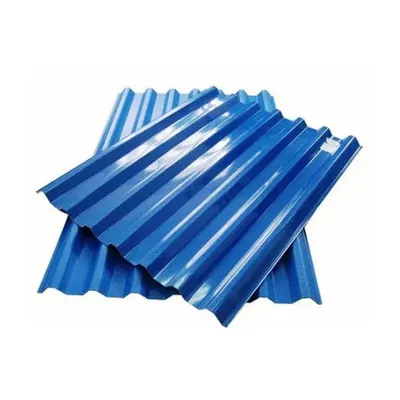
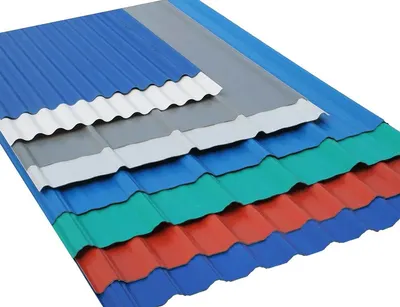
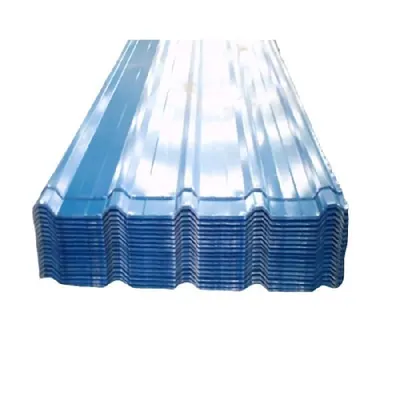
Vietnam Investment Technology And Development operates out of Viet Nam and currently lists five active products. All five entries fall under the roofing sheet segment, specifically fiber‑cement based sheets that are marketed as non‑asbestos and colour‑finished. The catalogue titles include variations such as non‑asbestos fiber cement roofing sheet, asbestos‑free colour corrugated roofing sheet, and high‑quality fiber cement roofing sheet, indicating a focus on corrosion‑resistant, fire‑safe building material. The supplier’s product set is limited to fiber‑cement roofing sheets that are corrugated or flat and offered in assorted colour finishes. These sheets are typically used for exterior cladding, industrial sheds, and low‑rise residential construction where durability and fire resistance are required. The listings do not mention gypsum board despite it appearing in the top‑category list, and no other material families are cited in the catalogue.
Product Range and Specialties of Vietnam Investment Technology And Development
The catalogue comprises five variants of fiber‑cement roofing sheets, each described with a focus on being asbestos‑free and colour‑ready. In the broader market, fiber‑cement sheets are manufactured in thicknesses ranging from 4 mm to 6 mm, widths of 1 m to 1.2 m, and lengths of 2 m to 3 m, with standard weights of 7 - 9 kg m⁻¹. Common industry specifications reference ASTM C1185 (Standard Specification for Fiber‑Cement Sheet) and EN 12467 (Fiber‑Cement Flat and Corrugated Sheets), which define flexural strength, water absorption and fire classification (typically Class A). Buyers often request CE marking or ISO 9001 certification to verify conformity with European and global quality systems. Typical colour‑finished sheets are produced with pigments that meet ASTM D4752 for colourfastness, and corrugated profiles are designed to meet wind‑load standards such as AS/NZS 1170.1. The supplier’s naming of “quality” and “colour” aligns with these industry variants, though specific technical data sheets would be needed to confirm exact grades.
Frequently Asked Questions About Vietnam Investment Technology And Development
What types of roofing sheets are listed by Vietnam Investment Technology And Development?
The supplier lists five variants of fiber‑cement roofing sheets, including non‑asbestos flat sheets, colour‑finished corrugated sheets, and a high‑quality fibre‑cement option. All products are described as asbestos‑free and intended for exterior cladding.
Are the roofing sheets free of asbestos?
Yes, each product title explicitly mentions non‑asbestos or asbestos‑free, indicating that the sheets comply with modern health and safety regulations that prohibit asbestos in construction materials.
Which industry standards are typically applied to these sheets?
Fiber‑cement roofing sheets are commonly manufactured to ASTM C1185 or EN 12467 specifications, which define dimensions, flexural strength (≥30 MPa), water absorption (≤12 %), and fire‑rating (Class A). Buyers should request confirmation of compliance with these standards.
What are the usual dimensions and thicknesses for the sheets?
In the market, standard fibre‑cement sheets are 2 m to 3 m long, 1 m to 1.2 m wide, and 4 mm to 6 mm thick, with a typical weight of 7 - 9 kg per square metre. Exact dimensions for each variant should be verified with the supplier’s technical sheet.
How are the sheets packaged for export?
Export shipments are generally packed in bundles of 10 m², wrapped in moisture‑resistant polyethylene, and placed on wooden pallets that meet ISPM 15 standards. Bundles are then loaded into 20‑ft or 40‑ft containers.
Viet NamRelated Suppliers & Products
Explore similar suppliers, related products and trending categories