Sryshaya Group — Verified Supplier
About Sryshaya Group - Dehydrated Food Supplier in India
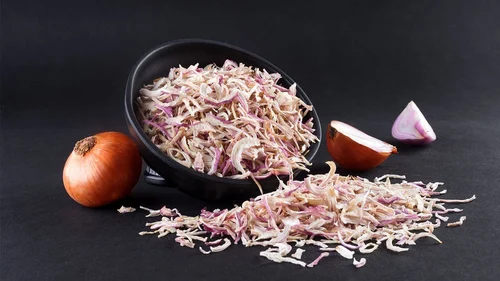
Sryshaya Group is based in India and lists 41 active dehydrated food products. The catalogue spans dehydrated onion, vegetable, fruit, garlic and spice powders. Specific items include dehydrated garlic granules, banana powder, red onion flakes, potato flakes, white onion flakes, ginger powder, carrot powder, green cabbage flakes and coated fried onion. Products are presented in forms such as granules, flakes, chips, powders and cubes. All items fall under the food‑preparation HS chapter that covers vegetables and fruits.
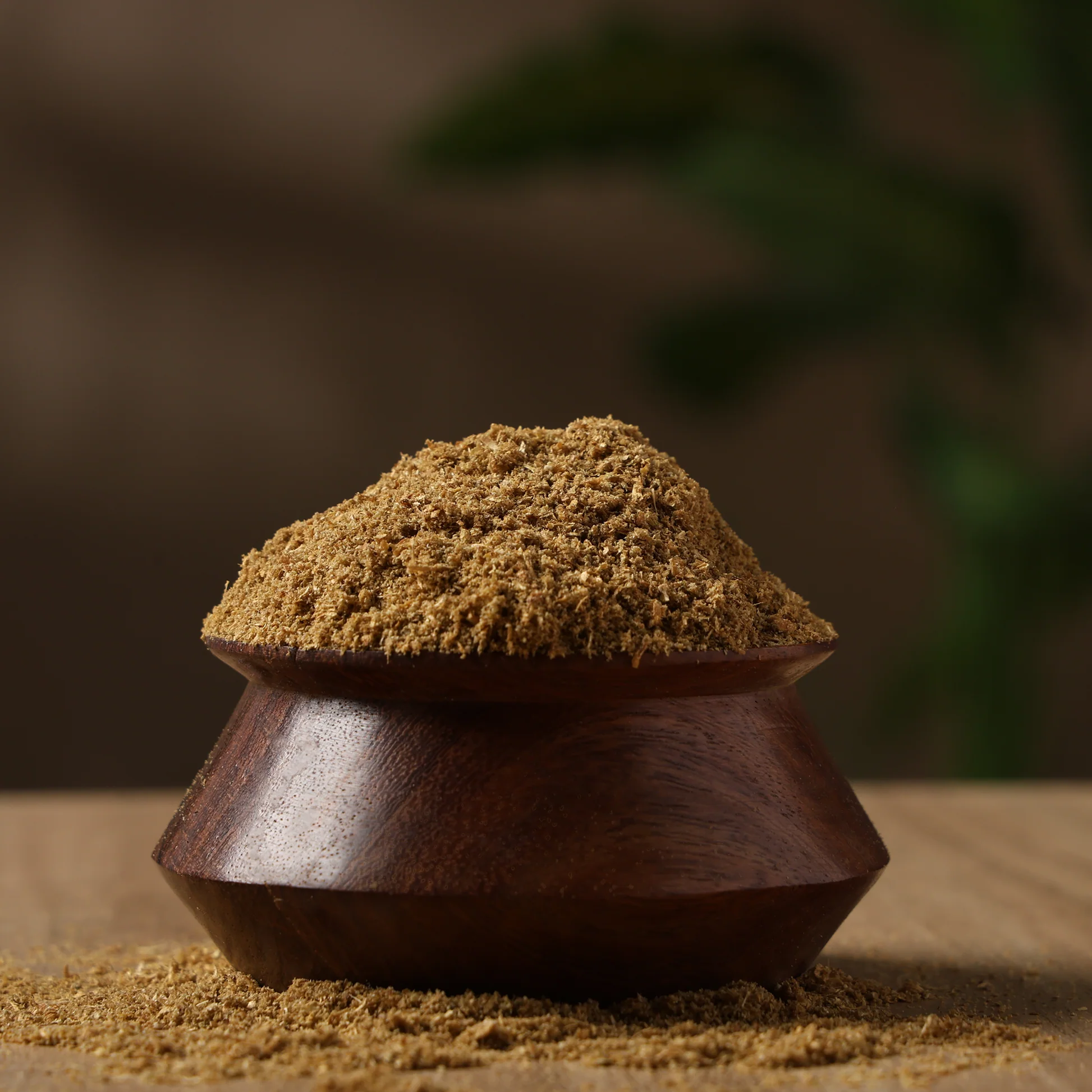
The supplier’s top categories list dehydrated onion, vegetable powder, dehydrated vegetables, fruit powder, dehydrated garlic, spices powder, coriander powder and dehydrated potato. Within the catalogue, items like dehydrated garlic chips, white onion powder, tomato powder, green chili powder, tamarind powder, chikoo powder and dried Kasoori Methi powder are offered. The product range includes both raw vegetable derivatives and spice blends prepared by low‑temperature drying to preserve flavor. Each product is assigned to the relevant HS code family for vegetable and fruit preparations, which customs authorities use for tariff classification. The supplier does not disclose additional corporate data beyond the product list.
Product Range and Specialties of Sryshaya Group
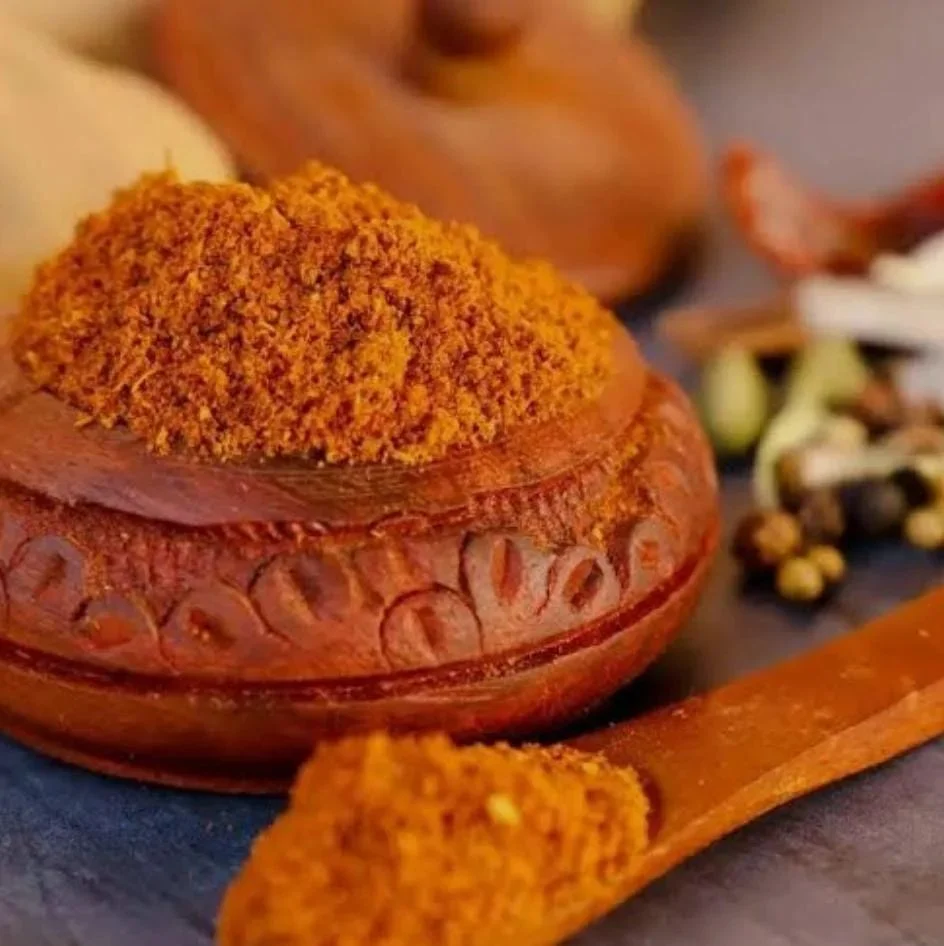
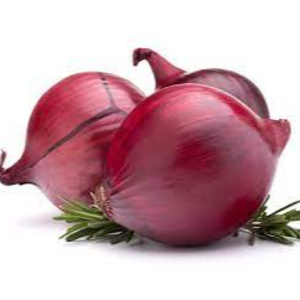
The listed catalogue comprises dehydrated garlic granules, garlic chips, garlic flakes and garlic powder, as well as a full set of onion derivatives (red and white onion flakes, granules and powders) together with potato flakes and powder, carrot powder, flakes and cubes, ginger powder and flakes, green cabbage powder and flakes, tomato powder, green chili powder and flakes, tamarind powder, banana and chikoo fruit powders, dried Kasoori Methi powder, coriander leaves and coriander powder, and coated fried onion. In the dehydrated vegetable and fruit sector, typical moisture content is limited to 5‑8 % to ensure shelf stability, particle size for powders usually ranges from 100 µm to 500 µm, and granules are sized between 0.5 mm and 2 mm. Quality grades often reference Indian Standards such as IS 14523 for onion powder or IS 10695 for garlic powder, and international buyers frequently look for specifications like pyruvic acid content (≥5 mg/g) for garlic powder or colour L* values for onion flakes.
Typical export packaging for these products includes food‑grade PET jars (1 kg‑5 kg), multi‑layer polypropylene‑aluminium bags (5 kg, 25 kg) and bulk 20‑ft containers holding approximately 20 tonnes of powder. Bulk shipments are commonly nitrogen‑flushed and sealed to prevent oxidation. Buyers in the food‑processing industry often request a Certificate of Analysis, moisture and microbial test results, and where applicable a pesticide residue report to verify compliance with EU or US food safety limits.
Trade and Export Information - Sryshaya Group
India ranks among the world’s leading exporters of dehydrated vegetables and spice powders, with major shipments directed to the European Union, the Middle East, Southeast Asia and the United States. HS Chapter 21 (particularly sub‑headings 2008 for onion powder, 2009 for garlic powder, 2104 for fruit powders and 2105 for vegetable powders) is used by customs to classify these items, and duty rates vary by destination country. Exporters of Indian dehydrated powders commonly hold ISO 22000, FSSC 22000 or HACCP certifications, and many buyers also require BRC Global Standard or organic certification where the supply chain permits. Sea freight in 20‑ft or 40‑ft containers is the norm, with FOB terms usually quoted from Mumbai or Chennai ports; container loading efficiencies reach up to 25 metric tonnes for fine powders when using bulk bags.
Indian manufacturers typically apply a low‑temperature hot‑air or drum‑drying process to retain colour, aroma and nutritional value. Standard export documentation includes a commercial invoice, packing list, certificate of origin, phytosanitary certificate (if required) and the relevant HS code declaration. Buyers importing into the EU must verify compliance with EU Regulation 1169/2011 on food information and may request a EU‑specific import licence for certain spice powders. In the United States, FDA Food Facility Registration and prior notice are required for bulk food imports.
Sourcing from Sryshaya Group - Buyer Guidance
When sourcing from Sryshaya Group, buyers should request a detailed Certificate of Analysis for each product, covering moisture content, microbial limits (e.g., total plate count ≤10 000 CFU/g, coliforms ≤10 CFU/g), pesticide residue levels and, for garlic products, pyruvic acid content. Verifying the HS code used on the commercial invoice against the product description helps avoid customs delays and ensures correct tariff treatment.
A pre‑shipment sample of 5 kg is advisable to assess flavour, colour and particle size before confirming a full order. Buyers should also confirm that the supplier can provide the certifications typically required for dehydrated food powders - such as ISO 22000, HACCP or BRC - either as existing documents or through a third‑party audit. Checking the packaging material (food‑grade PET or laminated PP‑Al bags) and confirming nitrogen flushing can further protect product quality during transit.
Frequently Asked Questions About Sryshaya Group
What forms of dehydrated garlic does Sryshaya Group offer?
The catalogue lists dehydrated garlic granules, chips, flakes and powder, each produced by low‑temperature drying to retain pungency.
Are the onion products supplied as powders or flakes?
Both formats are available; the supplier provides red and white onion flakes, granules and powders, as well as coated fried onion.
Which HS codes are applicable to the listed products?
Products fall under HS Chapter 21, with typical sub‑headings such as 2008 for onion powder, 2009 for garlic powder, 2104 for fruit powders and 2105 for vegetable powders.
What quality specifications should a buyer verify for these powders?
Key specifications include moisture ≤ 8 %, microbial limits (total plate count ≤10 000 CFU/g), pesticide residues within EU/US limits, and for garlic powder a pyruvic acid content of ≥5 mg/g.
What packaging options are standard for bulk shipments?
Bulk shipments are usually packed in food‑grade polypropylene‑aluminium laminated bags of 5 kg or 25 kg, nitrogen‑flushed, and loaded into 20‑ft containers.
Which certifications are typically required for Indian dehydrated vegetable powders?
Buyers commonly request ISO 22000, HACCP or FSSC 22000, and may also ask for BRC or organic certification depending on the target market.
How long is the typical shelf life for these dehydrated products?
When stored in moisture‑proof packaging at ambient temperature, most dehydrated powders retain quality for 12‑24 months, provided the moisture content remains below 8 %.
What is the usual lead time from order to shipment?
Lead times generally range from 30 to 45 days for standard products, with longer periods possible for custom packaging or organic certification.




 , India