Soyo Technology Development Co., Ltd. — Supplier
About Soyo Technology Development Co., Ltd. - Electric Components Supplier in China
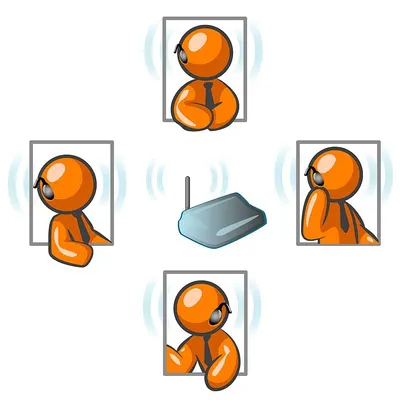
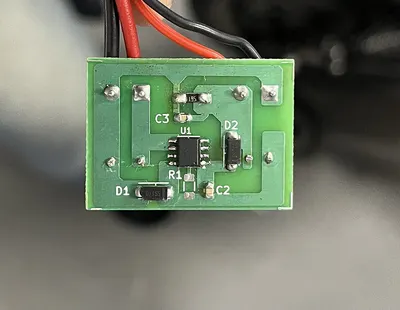
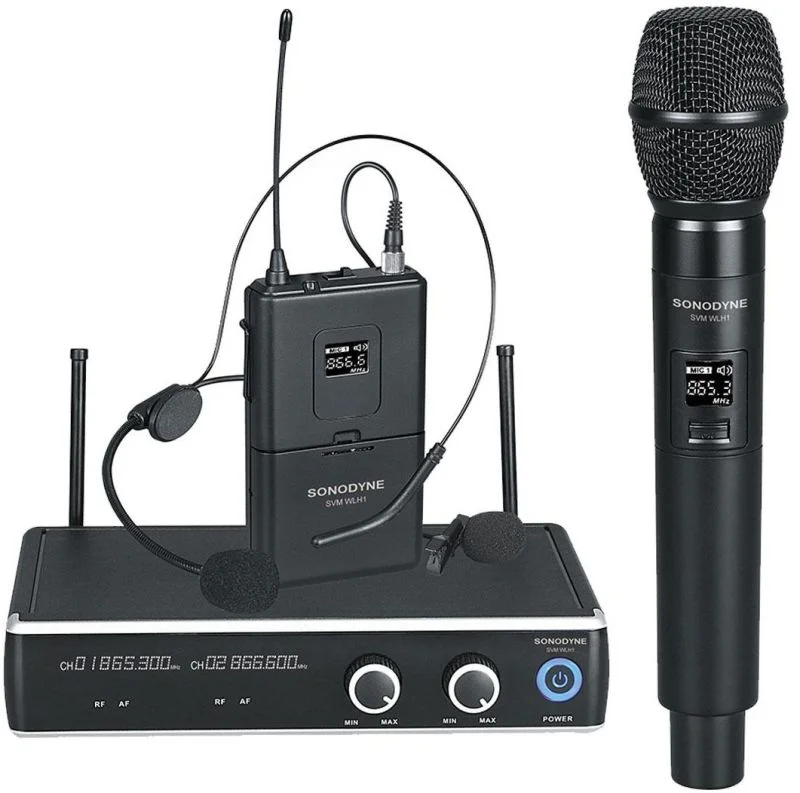
Soyo Technology Development Co., Ltd. is based in China and currently lists ten active products. The catalogue focuses on 2.4 GHz wireless audio solutions that fall under the broader categories of Electric Components and Speakers, with items such as wireless speaker modules, audio transceivers, headphone modules and tour‑guide systems. Each product is described using the generic 2.4 GHz wireless technology label and is grouped within the HS‑code families commonly applied to electronic audio equipment, such as Chapter 85 for radio‑frequency devices and Chapter 85‑18 for loudspeakers.
The supplier’s catalogue includes modules for wireless speakers, headphones, microphones, audio transmitters and integrated tour‑guide kits, all designed for short‑range digital audio transmission. No specific HS codes are disclosed in the provided facts, but the product types align with typical classifications for wireless transmitters (8517.62) and speakers (8518.21). The ten listings reflect a focused product set rather than a broad component portfolio.
Product Range and Specialties of Soyo Technology Development Co., Ltd.
The product range consists exclusively of 2.4 GHz digital wireless audio modules. Typical industry grades for such modules include FCC Part 15 compliance for unlicensed spectrum use, CE marking for European markets, and RoHS conformity for hazardous substance restrictions. Buyers normally encounter specifications such as transmission power up to 10 mW, operating frequency 2.401 - 2.483 GHz, audio bandwidth 20 Hz - 20 kHz, and battery life measured in hours for portable units. Speaker modules are often rated by output power (e.g., 3 W RMS) and driver size (e.g., 40 mm), while headphone modules may list impedance (16 - 32 Ω) and sensitivity (≈95 dB SPL/1 mW).
In the broader market, wireless audio components are supplied in bulk cartons, typically 20 ft or 40 ft containers holding 1 000 - 2 000 units depending on packaging density. Standard packaging includes anti‑static bags, cardboard boxes with moisture‑resistant liners, and printed compliance labels. The industry also uses test reports such as FCC ID certificates, CE Declaration of Conformity, and electromagnetic compatibility (EMC) test results to verify product safety and performance.
Trade and Export Information - Soyo Technology Development Co., Ltd.
China is a major exporter of electronic audio equipment, and 2.4 GHz wireless modules are regularly shipped to North America, Europe, and Southeast Asian markets. Export shipments usually follow Incoterms FCA or FOB from major Chinese ports, with subsequent consolidation into container loads. Importers typically require HS‑code verification (e.g., 8517.62 for transmitters, 8518.21 for speakers) and may request pre‑shipment inspection reports to satisfy customs and quality‑control standards. Common certifications demanded by overseas buyers include FCC, CE, RoHS and sometimes UL for safety in North American applications.
Regulatory bodies in the destination countries often inspect for electromagnetic interference compliance and hazardous substance limits. Buyers should be aware that many importers request a full test report from an accredited lab, a certificate of origin, and a packing list that details unit weight and dimensions. Logistics for these compact electronic modules generally involve palletized cartons, with each pallet holding 400 - 600 units, allowing efficient handling at ports and warehouses.
Sourcing from Soyo Technology Development Co., Ltd. - Buyer Guidance
When sourcing from Soyo Technology Development Co., Ltd., buyers should request the latest FCC ID documentation, CE Declaration of Conformity and RoHS test reports for each wireless audio module. It is advisable to obtain a sample unit to verify key specifications such as transmission power, audio fidelity (THD < 0.5 %), and battery endurance before confirming larger orders. Verify that the supplier can provide a detailed packing list, product datasheets with exact model numbers, and compliance certificates that match the intended market’s regulatory requirements.
Typical minimum order quantities for 2.4 GHz wireless audio modules range from 500 to 1 000 pieces, with lead times of 20 - 35 days after order confirmation and receipt of a purchase order. Buyers should confirm the exact packaging format (e.g., anti‑static bag inside a 20 kg carton) and ensure that the supplier can accommodate any labeling or branding requests within the agreed production schedule.
Frequently Asked Questions About Soyo Technology Development Co., Ltd.
What type of wireless technology do the listed products use?
All ten products are based on 2.4 GHz digital wireless technology, which operates in the unlicensed ISM band and is standard for short‑range audio transmission.
Which HS‑code families are relevant for these items?
The modules fall under HS Chapter 85, with transmitters and receivers typically classified under 8517.62 and speaker units under 8518.21.
What certifications should I request before purchasing?
Buyers should request FCC Part 15 compliance, CE marking, and RoHS test reports to confirm electromagnetic and hazardous‑substance compliance.
What are typical sample specifications I can expect?
Samples usually demonstrate transmission power up to 10 mW, audio bandwidth 20 Hz - 20 kHz, total harmonic distortion below 0.5 %, and battery life of 4 - 6 hours for portable units.
What is a common MOQ and lead time for these products?
Minimum order quantities often start at 500 units, with a production lead time of 20 - 35 days after order confirmation.
How are the products packaged for export?
Standard export packaging includes anti‑static bags placed in moisture‑resistant cardboard cartons, palletized for container loading, typically 20 kg per carton.
Which regions commonly import 2.4 GHz wireless audio modules from China?
Key import regions include North America, the European Union, and Southeast Asian countries, where such modules are used in consumer electronics, hospitality guide systems and portable audio devices.
What documentation is needed for customs clearance?
Customs usually requires a commercial invoice, packing list, certificate of origin, and the applicable compliance certificates (FCC, CE, RoHS) matching the HS code.




 , China