Sazan Exports — Verified Supplier
About Sazan Exports - Coir Fibers Supplier in India
India, as the base of Sazan Exports, lists eight active products across several agricultural and textile categories. The supplier’s catalogue covers coir fibers, soil conditioners, honey, coconut, apparel, handicrafts and groundnuts. Coir products such as curled fibre and brown and golden fibre fall under HS chapter 46 for vegetable fibres. Soil conditioner items like coco peat block are classified under HS 3105 for peat and other horticultural products. The remaining items - natural honey, coconut, round‑neck T‑shirts and clay handicrafts - are recorded under the usual HS chapters for foodstuffs and consumer goods.
The eight products enumerated by Sazan Exports are Curled Coir Fibre, Brown and Golden Coir Fibre, Coco Peat Block, Natural Honey, Coconut, Round Neck T‑Shirt, Clay Handicrafts and Ground Nut. Coir fibres are typically supplied in bulk bales of 500 kg or in polypropylene bags of 25 kg, while coco peat blocks are shipped as compressed bricks of 25 kg each. Indian honey is commonly graded by moisture content below 18 % and may carry a standard ICUMSA 45 label. Groundnuts are usually exported as in‑shell kernels with a moisture level not exceeding 6 %. Apparel items such as the round‑neck T‑shirt are generally packed in cartons of 20 - 24 pieces per box.
Product Range and Specialties of Sazan Exports
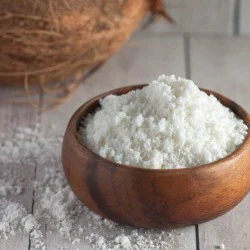
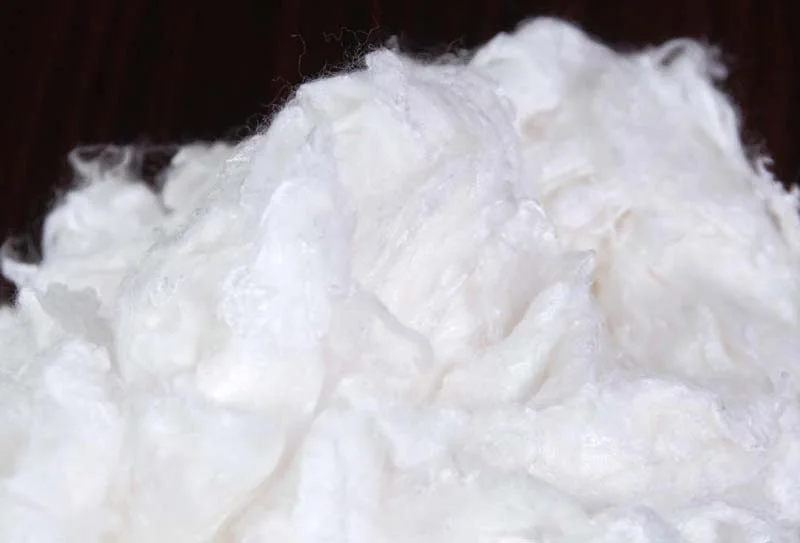
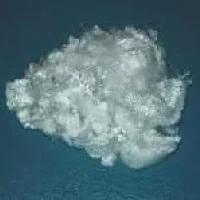
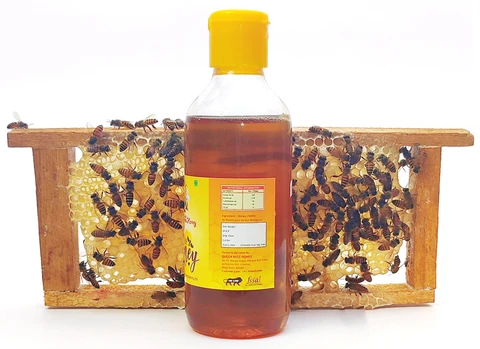
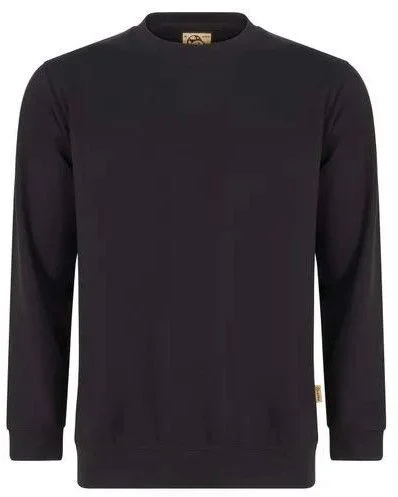
The catalogue lists two grades of coir fibre - curled and a brown‑golden mix - both derived from the husk of coconut and used for horticultural rope, matting and erosion control. In the global market coir fibre is graded by fibre length (typically 30 - 70 mm) and tensile strength (around 30 - 45 MPa), with higher length and lower dust content commanding premium rates. Coco peat blocks are compressed peat moss used as a soil amendment; standard blocks weigh 25 kg and expand to about 5 times their volume when re‑hydrated, with a typical bulk density of 120 kg/m³. Natural honey from India is generally classified as monofloral or multifloral and conforms to Codex Alimentarius limits for hydroxymethylfurfural (<40 mg/kg) and moisture (<18 %). Groundnuts exported from India are usually in‑shell, meeting a kernel moisture specification of ≤6 % and a free fatty acid level below 0.5 %. The round‑neck T‑shirt is a cotton‑blend garment, most buyers request a fabric weight of 150 - 180 gsm and a stitch count of at least 12 stitches/cm for durability. Clay handicrafts are handcrafted items that are generally shipped in sturdy wooden crates or reinforced cardboard to prevent breakage during sea freight.
Trade and Export Information - Sazan Exports
India is one of the world’s largest exporters of coir and horticultural products, supplying Europe, the United States and the Middle East under HS 4602 for coir fibre and HS 3105 for peat products. Buyers of Indian honey typically require compliance with EU honey directive (Council Regulation (EC) No 123/2007) and may request a certificate of analysis confirming ICUMSA 45 quality. Coconut products are classified under HS 0804 and often need phytosanitary certificates for import into Asian and African markets. Groundnuts fall under HS 1202 and are subject to maximum residue limits (MRLs) for aflatoxins in many jurisdictions, so exporters usually provide a lab report meeting Codex standards. Apparel such as cotton‑blend T‑shirts is recorded under HS 6109; buyers often ask for compliance with Oeko‑Tex Standard 100 or ISO 9001 quality management documentation. Typical Incoterms used by Indian exporters include FOB Mumbai or CIF Dubai, with container loads ranging from 20‑ft (≈22 metric tons) to 40‑ft (≈44 metric tons) depending on product packaging.
Sourcing from Sazan Exports - Buyer Guidance
When sourcing coir fibre or coco peat from Sazan Exports, request a product data sheet that lists fibre length distribution, tensile strength and bulk density, as well as a recent phytosanitary certificate. For honey, ask for a certificate of analysis showing moisture content, HMF level and pollen profile, and verify that the batch complies with Codex standards. Groundnut buyers should obtain an aflatoxin test report and a moisture certificate; a lab report from an ISO‑17025 accredited laboratory is standard practice. Apparel purchasers normally request fabric composition, GSM, stitch count and a wash‑fastness test report; an Oeko‑Tex or ISO‑9001 audit copy is useful if sustainability claims are part of the procurement criteria. In all cases, confirm packaging details - such as 25 kg polypropylene bags for coir, 25 kg compressed bricks for peat, and sealed cartons for T‑shirts - to ensure compatibility with container loading plans.
Frequently Asked Questions About Sazan Exports
What coir fibre grades does Sazan Exports list in its catalogue?
The catalogue includes Curled Coir Fibre and a mixed Brown and Golden Coir Fibre, both derived from coconut husk and typically supplied in 25 kg polypropylene bags or 500 kg bulk bales.
Which HS chapters apply to the products offered by Sazan Exports?
Coir fibres fall under HS chapter 46 (vegetable fibres), coco peat block under HS 3105 (peat and other horticultural products), honey under HS 0409, coconut under HS 0804, groundnuts under HS 1202, apparel under HS 6109 and clay handicrafts under HS 6802.
What quality specifications are common for Indian honey exports?
Indian honey is usually graded to ICUMSA 45, with moisture content below 18 % and hydroxymethylfurfural (HMF) under 40 mg/kg; buyers often request a certificate of analysis confirming these parameters.
How are coco peat blocks typically packaged for export?
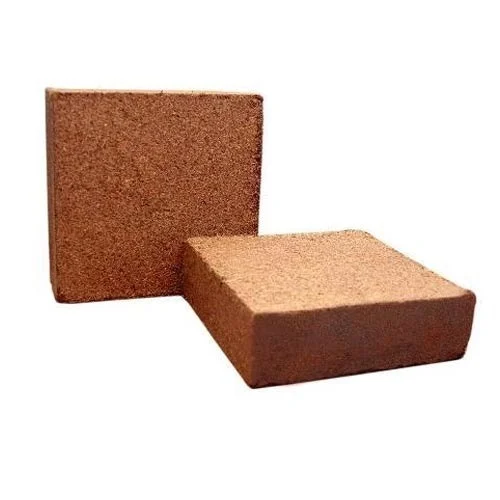
Coco peat blocks are compressed into 25 kg bricks, wrapped in moisture‑resistant film, and stacked on pallets for shipment in 20‑ft or 40‑ft containers.
What documents should a buyer request before purchasing groundnuts from Sazan Exports?
Buyers should request a phytosanitary certificate, an aflatoxin test report from an ISO‑17025 lab, and a moisture content certificate confirming ≤6 % moisture.
Are there any standard certifications buyers usually ask for regarding the T‑shirts?
Buyers commonly ask for fabric composition details, GSM (typically 150 - 180 gsm), Oeko‑Tex Standard 100 compliance or an ISO‑9001 quality management system certificate.
What are the typical shipment terms used by Indian exporters like Sazan Exports?
FOB from major Indian ports such as Mumbai or CIF to regional hubs like Dubai are frequently used, with container loads of 20‑ft (≈22 tons) or 40‑ft (≈44 tons) depending on product volume.
How can a buyer verify the authenticity of the coir fibre grade?
Request a recent laboratory test report showing fibre length distribution (30 - 70 mm), tensile strength (30 - 45 MPa) and dust content, and compare it with the supplier’s product data sheet.




 , India