Royal Gate For Investment And Trade — Verified Supplier

About Royal Gate For Investment And Trade - Chemicals & Allied Products Supplier in Egypt

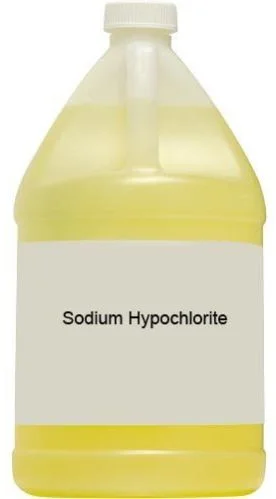
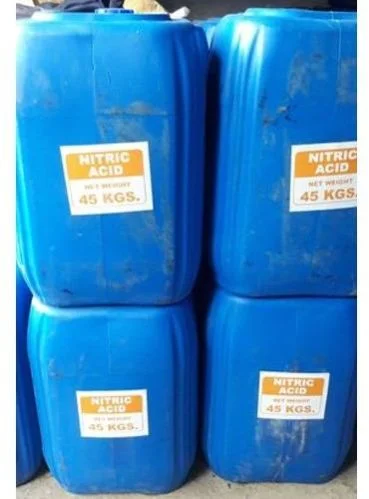
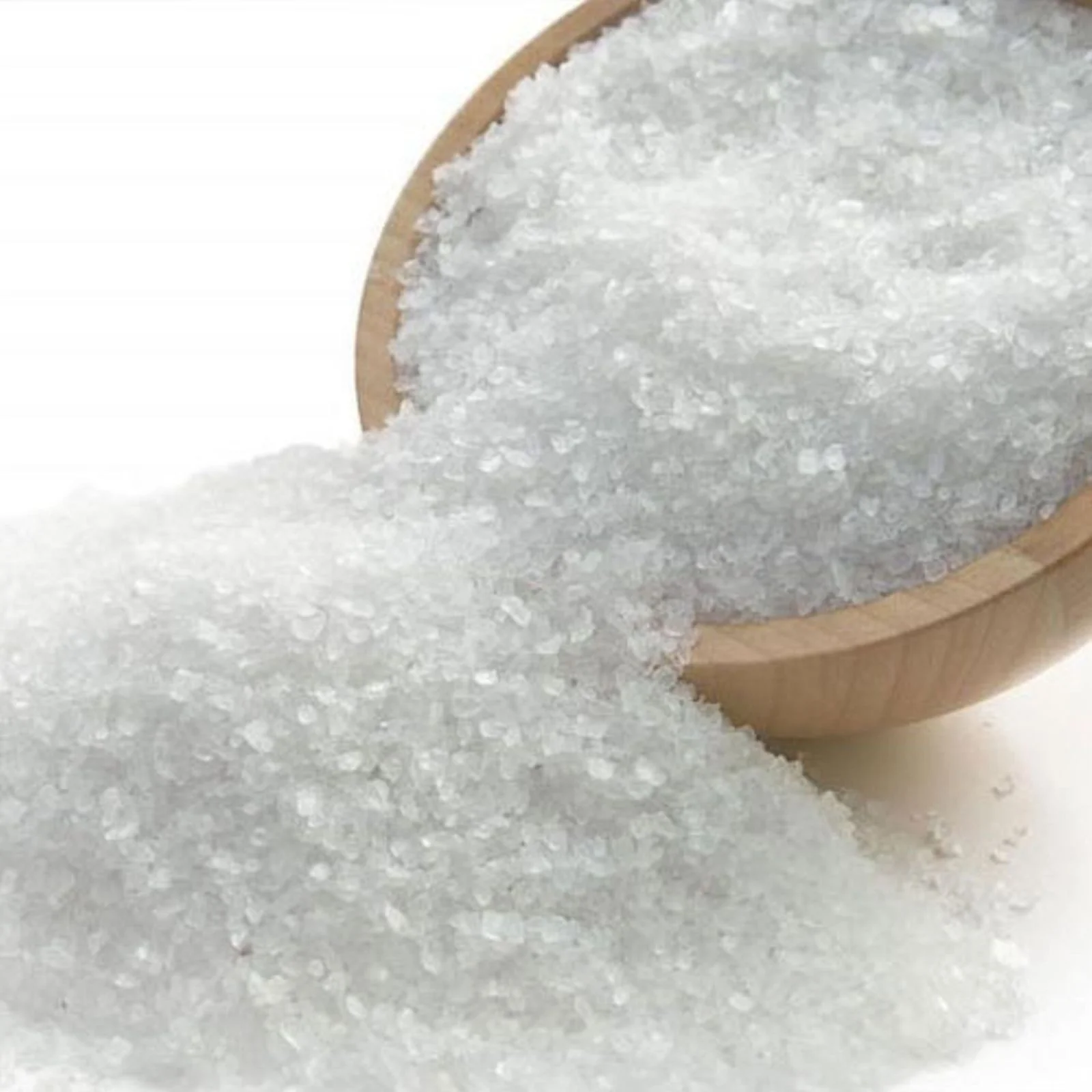
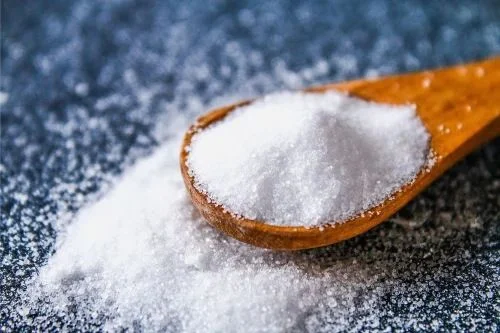
Royal Gate For Investment And Trade is based in Egypt and lists 15 active products across chemicals, salts, gypsum, and stone materials. The catalogue includes gypsum lumps (HS 2520.10, calcium sulfate dihydrate), calcined gypsum (HS 2520.20, calcium sulfate hemihydrate), caustic soda liquid (HS 2815.12, 50 % NaOH solution), liquid chlorine (HS 2801.10, ≥99.5 % Cl₂), sodium hypochlorite (HS 2828.90, aqueous NaOCl), sulfuric acid (HS 2807.00, strong mineral acid), liquid ammonia, liquid fertilizer, pure ammonium nitrate (HS 3102.30, 38.8 % N, dense and porous grades), deicing salt, washed salt, table salt, marble & granite, and white silica sand (HS 2505.10, high‑purity SiO₂).

These items fall under HS chapter 25 for mineral products (gypsum, silica sand, marble & granite), chapter 28 for inorganic chemicals (caustic soda, chlorine, hypochlorite, sulfuric acid, ammonia), and chapter 31 for fertilizers (ammonium nitrate). The supplier’s product set therefore covers both bulk mineral commodities and liquid industrial chemicals, which are typically shipped in bulk containers, 20‑ft or 40‑ft, with appropriate safety packaging.

Product Range and Specialties of Royal Gate For Investment And Trade

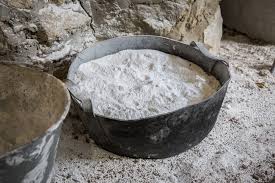
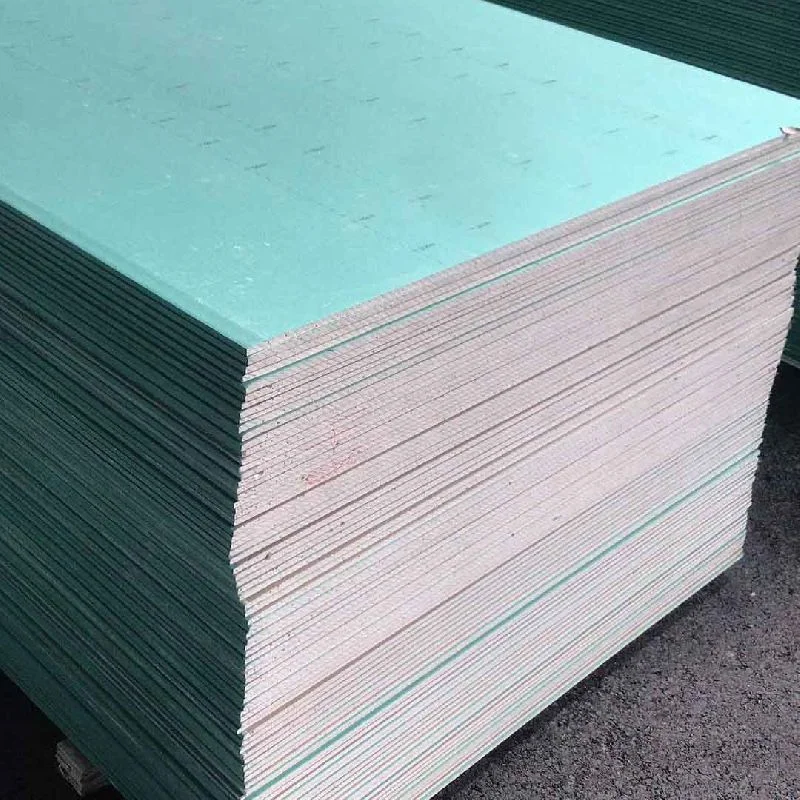
Gypsum is offered in lump form and as calcined hemihydrate. Internationally, gypsum lumps are usually sized 2 - 5 mm, contain >95 % calcium sulfate, and have moisture below 2 %; calcined gypsum is supplied with a bulk density around 0.55 t/m³ and meets construction standards such as ASTM C472.

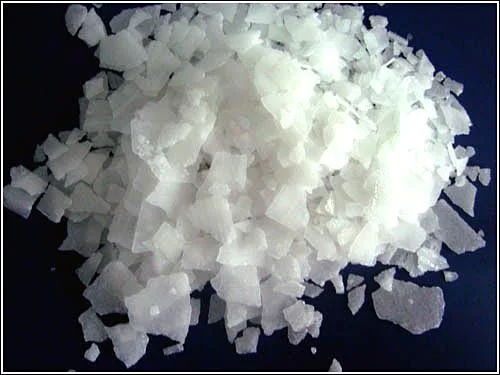
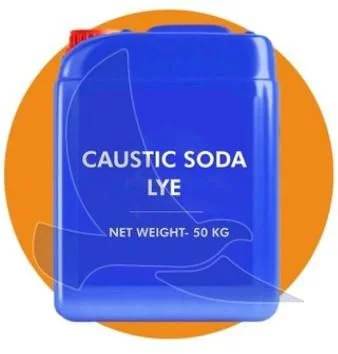
Caustic soda liquid is listed at 50 % NaOH, aligning with common industrial grades of 45 % - 55 % that require corrosion‑resistant drums or IBCs. Liquid chlorine meets a minimum purity of 99.5 % Cl₂, matching water‑treatment specifications, while sodium hypochlorite is typically formulated at 10‑15 % active chlorine; buyers should confirm the exact concentration. Sulfuric acid is normally provided at 93‑98 % concentration with specifications for specific gravity and impurity limits (e.g., arsenic <10 ppm).

Trade and Export Information - Royal Gate For Investment And Trade

Egypt serves as a regional hub for mineral and chemical exports, with ports such as Alexandria and Port Said handling bulk shipments to the Middle East, North Africa, Europe, and parts of Asia. Gypsum and silica sand from Egypt generally satisfy the quality requirements of the EU and GCC construction and glass sectors and are loaded in bulk bags or open‑top containers, while liquid chemicals are shipped under the IMDG Code with required UN numbers, safety data sheets, and compliance with REACH or comparable standards.

Buyers normally request ISO 9001 quality‑management certificates, third‑party laboratory analysis reports, and material safety data sheets for all hazardous chemicals. For salts and stone products, moisture‑content certificates and grain‑size analysis are common, and typical Incoterms are CIF or FOB with container loads of 20 ft (≈18 t) for salts and 40 ft (≈30 t) for gypsum. Exporters from Egypt often provide pre‑shipment inspection reports in line with Ministry of Trade guidelines.

Sourcing from Royal Gate For Investment And Trade - Buyer Guidance

Prospective buyers should obtain the latest MSDS for each liquid chemical and request a certificate of analysis confirming concentration, purity, and impurity limits before placing an order. For gypsum, silica sand, and stone, a sample batch with moisture and grain‑size test results helps verify compliance with project specifications. Verify that the supplier can supply ISO 9001 or comparable quality‑system documentation and confirm that the HS codes listed (e.g., 2520.10 for gypsum lumps) match the intended customs classification.

Typical minimum order quantities are 5 t for bulk chemicals and 10 t for mineral commodities, with lead times of 30‑45 days after receipt of a pro‑forma invoice. Packaging follows industry norms: bulk chemicals in stainless‑steel drums (200 L) or intermediate bulk containers, salts in 25 kg polypropylene bags, gypsum in 20 kg paper bags, and stone in wooden crates or open‑top containers. Buyers should arrange a pre‑shipment inspection if required by the destination country.

Frequently Asked Questions About Royal Gate For Investment And Trade

Which HS codes apply to the gypsum products?

Gypsum lumps are classified under HS 2520.10 (calcium sulfate dihydrate) and calcined gypsum under HS 2520.20 (calcium sulfate hemihydrate). Both codes fall within chapter 25 for mineral products.

What concentration is the caustic soda liquid supplied at?

The caustic soda liquid is listed at a 50 % sodium hydroxide concentration. This aligns with typical industrial grades that range from 45 % to 55 % NaOH.

Are certificates of analysis available for the liquid chemicals?

Buyers can request a certificate of analysis for each liquid chemical, which will detail concentration, purity, and impurity limits such as arsenic content for sulfuric acid or active chlorine for sodium hypochlorite.

What is the typical moisture content for the table salt?

Table salt exported from Egypt usually has a moisture content below 0.2 % and is often iodine‑fortified to meet food‑grade specifications.

How is white silica sand packaged for export?

White silica sand is typically shipped in bulk bags of 20‑25 kg or in open‑top 20 ft containers, with moisture content kept under 0.5 % and purity exceeding 99 % SiO₂.

What certifications should I request for ammonium nitrate?

For ammonium nitrate, buyers should ask for a certificate of analysis, an ISO 9001 quality‑system certificate, and any export‑control documentation required by the destination country, as the product is regulated in many regions.

What Incoterms are commonly used for these products?

The most common Incoterms for these commodities are CIF (Cost, Insurance, Freight) and FOB (Free on Board), allowing buyers to select the level of logistics responsibility they prefer.

What are the lead time and MOQ for gypsum lumps?

Gypsum lumps usually have a minimum order quantity of 10 t, with a lead time of 30‑45 days from order confirmation, depending on container availability and port schedules.

Featured Products from this Supplier

Other Suppliers in Primary Category

Top Trusted Suppliers

Related Products

Trending in Parent Category

More Suppliers in Category

Related Products

Other Suppliers

EximNext
58.5K+ live requirements
Register Free🎁 Reach verified global buyers
Post Requirement
🌍 Trusted by 224.6K+ businesses in 200+ countries|
58.5K+ active requirements right now
✉️ [email protected]
|
Sell on EximNextPost Requirement
EximNext
AgricultureApparelConstructionElectronicFoodHomeIndustrialMineralsMiscellaneous
🔥 Deals|✨ AI Match|🏭 Suppliers|📋 Buy Leads|💰 Trade Finance
58.5K+ live RFQs·194.6K+ suppliers
🎁 Reach global buyers →
EximNext
EximNext
Register Free
🎁 Reach verified global buyers
Sign In
📋Post Requirement💬Get QuotesAI Match📋RFQ Marketplace
All Categories
Services & Tools
🏭Supplier Directory🔥Today's Deals💰Trade Finance
Sell on EximNext
AboutContactBlogHelp
🏭

Royal Gate For Investment And Trade

Harbor
Country flag , Egypt
🛡️
55/100
Trust Score

Royal Gate For Investment And Trade Product Catalog

Showing 12 of 15 products
View all products →
Gypsum Lumps
Harbor
Gypsum Lumps
Contact
MOQ: 1 Unit
Calcined Gypsum
Harbor
Calcined Gypsum
Contact
MOQ: 1 Unit
Caustic Soda Liquid
Harbor
Caustic Soda Liquid
Contact
MOQ: 1 Unit
Liquid Chlorine
Harbor
Liquid Chlorine
Contact
MOQ: 1 Unit
Sodium Hypochlorite
Harbor
Sodium Hypochlorite
Contact
MOQ: 1 Unit
Sulfuric Acid
Harbor
Sulfuric Acid
Contact
MOQ: 1 Unit
Liquid Ammonia
Harbor
Liquid Ammonia
Contact
MOQ: 1 Unit
Liquid Fertilizer
Harbor
Liquid Fertilizer
Contact
MOQ: 1 Unit
Pure Ammonium Nitrate 38.8 % ( Dense )
Harbor
Pure Ammonium Nitrate 38.8 % ( Dense )
Contact
MOQ: 1 Unit
Pure Ammonium Nitrate 38.8 % ( Porous )
Harbor
Pure Ammonium Nitrate 38.8 % ( Porous )
Contact
MOQ: 1 Unit
Deicing Salt
Harbor
Deicing Salt
Contact
MOQ: 1 Unit
Washed Salt
Harbor
Washed Salt
Contact
MOQ: 1 Unit

About Royal Gate For Investment And Trade - Chemicals & Allied Products Supplier in Egypt

Royal Gate For Investment And Trade is based in Egypt and lists 15 active products across chemicals, salts, gypsum, and stone materials. The catalogue includes gypsum lumps (HS 2520.10, calcium sulfate dihydrate), calcined gypsum (HS 2520.20, calcium sulfate hemihydrate), caustic soda liquid (HS 2815.12, 50 % NaOH solution), liquid chlorine (HS 2801.10, ≥99.5 % Cl₂), sodium hypochlorite (HS 2828.90, aqueous NaOCl), sulfuric acid (HS 2807.00, strong mineral acid), liquid ammonia, liquid fertilizer, pure ammonium nitrate (HS 3102.30, 38.8 % N, dense and porous grades), deicing salt, washed salt, table salt, marble & granite, and white silica sand (HS 2505.10, high‑purity SiO₂).

These items fall under HS chapter 25 for mineral products (gypsum, silica sand, marble & granite), chapter 28 for inorganic chemicals (caustic soda, chlorine, hypochlorite, sulfuric acid, ammonia), and chapter 31 for fertilizers (ammonium nitrate). The supplier’s product set therefore covers both bulk mineral commodities and liquid industrial chemicals, which are typically shipped in bulk containers, 20‑ft or 40‑ft, with appropriate safety packaging.

Product Range and Specialties of Royal Gate For Investment And Trade

Gypsum is offered in lump form and as calcined hemihydrate. Internationally, gypsum lumps are usually sized 2 - 5 mm, contain >95 % calcium sulfate, and have moisture below 2 %; calcined gypsum is supplied with a bulk density around 0.55 t/m³ and meets construction standards such as ASTM C472.

Caustic soda liquid is listed at 50 % NaOH, aligning with common industrial grades of 45 % - 55 % that require corrosion‑resistant drums or IBCs. Liquid chlorine meets a minimum purity of 99.5 % Cl₂, matching water‑treatment specifications, while sodium hypochlorite is typically formulated at 10‑15 % active chlorine; buyers should confirm the exact concentration. Sulfuric acid is normally provided at 93‑98 % concentration with specifications for specific gravity and impurity limits (e.g., arsenic <10 ppm).

Trade and Export Information - Royal Gate For Investment And Trade

Egypt serves as a regional hub for mineral and chemical exports, with ports such as Alexandria and Port Said handling bulk shipments to the Middle East, North Africa, Europe, and parts of Asia. Gypsum and silica sand from Egypt generally satisfy the quality requirements of the EU and GCC construction and glass sectors and are loaded in bulk bags or open‑top containers, while liquid chemicals are shipped under the IMDG Code with required UN numbers, safety data sheets, and compliance with REACH or comparable standards.

Buyers normally request ISO 9001 quality‑management certificates, third‑party laboratory analysis reports, and material safety data sheets for all hazardous chemicals. For salts and stone products, moisture‑content certificates and grain‑size analysis are common, and typical Incoterms are CIF or FOB with container loads of 20 ft (≈18 t) for salts and 40 ft (≈30 t) for gypsum. Exporters from Egypt often provide pre‑shipment inspection reports in line with Ministry of Trade guidelines.

Sourcing from Royal Gate For Investment And Trade - Buyer Guidance

Prospective buyers should obtain the latest MSDS for each liquid chemical and request a certificate of analysis confirming concentration, purity, and impurity limits before placing an order. For gypsum, silica sand, and stone, a sample batch with moisture and grain‑size test results helps verify compliance with project specifications. Verify that the supplier can supply ISO 9001 or comparable quality‑system documentation and confirm that the HS codes listed (e.g., 2520.10 for gypsum lumps) match the intended customs classification.

Typical minimum order quantities are 5 t for bulk chemicals and 10 t for mineral commodities, with lead times of 30‑45 days after receipt of a pro‑forma invoice. Packaging follows industry norms: bulk chemicals in stainless‑steel drums (200 L) or intermediate bulk containers, salts in 25 kg polypropylene bags, gypsum in 20 kg paper bags, and stone in wooden crates or open‑top containers. Buyers should arrange a pre‑shipment inspection if required by the destination country.

Frequently Asked Questions About Royal Gate For Investment And Trade

Which HS codes apply to the gypsum products?

Gypsum lumps are classified under HS 2520.10 (calcium sulfate dihydrate) and calcined gypsum under HS 2520.20 (calcium sulfate hemihydrate). Both codes fall within chapter 25 for mineral products.

What concentration is the caustic soda liquid supplied at?

The caustic soda liquid is listed at a 50 % sodium hydroxide concentration. This aligns with typical industrial grades that range from 45 % to 55 % NaOH.

Are certificates of analysis available for the liquid chemicals?

Buyers can request a certificate of analysis for each liquid chemical, which will detail concentration, purity, and impurity limits such as arsenic content for sulfuric acid or active chlorine for sodium hypochlorite.

What is the typical moisture content for the table salt?

Table salt exported from Egypt usually has a moisture content below 0.2 % and is often iodine‑fortified to meet food‑grade specifications.

How is white silica sand packaged for export?

White silica sand is typically shipped in bulk bags of 20‑25 kg or in open‑top 20 ft containers, with moisture content kept under 0.5 % and purity exceeding 99 % SiO₂.

What certifications should I request for ammonium nitrate?

For ammonium nitrate, buyers should ask for a certificate of analysis, an ISO 9001 quality‑system certificate, and any export‑control documentation required by the destination country, as the product is regulated in many regions.

What Incoterms are commonly used for these products?

The most common Incoterms for these commodities are CIF (Cost, Insurance, Freight) and FOB (Free on Board), allowing buyers to select the level of logistics responsibility they prefer.

What are the lead time and MOQ for gypsum lumps?

Gypsum lumps usually have a minimum order quantity of 10 t, with a lead time of 30‑45 days from order confirmation, depending on container availability and port schedules.

About Royal Gate For Investment And Trade - Chemicals & Allied Products Supplier in Egypt

Royal Gate For Investment And Trade is based in Egypt and lists 15 active products across chemicals, salts, gypsum, and stone materials. The catalogue includes gypsum lumps (HS 2520.10, calcium sulfate dihydrate), calcined gypsum (HS 2520.20, calcium sulfate hemihydrate), caustic soda liquid (HS 2815.12, 50 % NaOH solution), liquid chlorine (HS 2801.10, ≥99.5 % Cl₂), sodium hypochlorite (HS 2828.90, aqueous NaOCl), sulfuric acid (HS 2807.00, strong mineral acid), liquid ammonia, liquid fertilizer, pure ammonium nitrate (HS 3102.30, 38.8 % N, dense and porous grades), deicing salt, washed salt, table salt, marble & granite, and white silica sand (HS 2505.10, high‑purity SiO₂).

These items fall under HS chapter 25 for mineral products (gypsum, silica sand, marble & granite), chapter 28 for inorganic chemicals (caustic soda, chlorine, hypochlorite, sulfuric acid, ammonia), and chapter 31 for fertilizers (ammonium nitrate). The supplier’s product set therefore covers both bulk mineral commodities and liquid industrial chemicals, which are typically shipped in bulk containers, 20‑ft or 40‑ft, with appropriate safety packaging.

Product Range and Specialties of Royal Gate For Investment And Trade

Gypsum is offered in lump form and as calcined hemihydrate. Internationally, gypsum lumps are usually sized 2 - 5 mm, contain >95 % calcium sulfate, and have moisture below 2 %; calcined gypsum is supplied with a bulk density around 0.55 t/m³ and meets construction standards such as ASTM C472.

Caustic soda liquid is listed at 50 % NaOH, aligning with common industrial grades of 45 % - 55 % that require corrosion‑resistant drums or IBCs. Liquid chlorine meets a minimum purity of 99.5 % Cl₂, matching water‑treatment specifications, while sodium hypochlorite is typically formulated at 10‑15 % active chlorine; buyers should confirm the exact concentration. Sulfuric acid is normally provided at 93‑98 % concentration with specifications for specific gravity and impurity limits (e.g., arsenic <10 ppm).

Trade and Export Information - Royal Gate For Investment And Trade

Egypt serves as a regional hub for mineral and chemical exports, with ports such as Alexandria and Port Said handling bulk shipments to the Middle East, North Africa, Europe, and parts of Asia. Gypsum and silica sand from Egypt generally satisfy the quality requirements of the EU and GCC construction and glass sectors and are loaded in bulk bags or open‑top containers, while liquid chemicals are shipped under the IMDG Code with required UN numbers, safety data sheets, and compliance with REACH or comparable standards.

Buyers normally request ISO 9001 quality‑management certificates, third‑party laboratory analysis reports, and material safety data sheets for all hazardous chemicals. For salts and stone products, moisture‑content certificates and grain‑size analysis are common, and typical Incoterms are CIF or FOB with container loads of 20 ft (≈18 t) for salts and 40 ft (≈30 t) for gypsum. Exporters from Egypt often provide pre‑shipment inspection reports in line with Ministry of Trade guidelines.

Sourcing from Royal Gate For Investment And Trade - Buyer Guidance

Prospective buyers should obtain the latest MSDS for each liquid chemical and request a certificate of analysis confirming concentration, purity, and impurity limits before placing an order. For gypsum, silica sand, and stone, a sample batch with moisture and grain‑size test results helps verify compliance with project specifications. Verify that the supplier can supply ISO 9001 or comparable quality‑system documentation and confirm that the HS codes listed (e.g., 2520.10 for gypsum lumps) match the intended customs classification.

Typical minimum order quantities are 5 t for bulk chemicals and 10 t for mineral commodities, with lead times of 30‑45 days after receipt of a pro‑forma invoice. Packaging follows industry norms: bulk chemicals in stainless‑steel drums (200 L) or intermediate bulk containers, salts in 25 kg polypropylene bags, gypsum in 20 kg paper bags, and stone in wooden crates or open‑top containers. Buyers should arrange a pre‑shipment inspection if required by the destination country.

Frequently Asked Questions About Royal Gate For Investment And Trade
Which HS codes apply to the gypsum products?
Gypsum lumps are classified under HS 2520.10 (calcium sulfate dihydrate) and calcined gypsum under HS 2520.20 (calcium sulfate hemihydrate). Both codes fall within chapter 25 for mineral products.
What concentration is the caustic soda liquid supplied at?
The caustic soda liquid is listed at a 50 % sodium hydroxide concentration. This aligns with typical industrial grades that range from 45 % to 55 % NaOH.
Are certificates of analysis available for the liquid chemicals?
Buyers can request a certificate of analysis for each liquid chemical, which will detail concentration, purity, and impurity limits such as arsenic content for sulfuric acid or active chlorine for sodium hypochlorite.
What is the typical moisture content for the table salt?
Table salt exported from Egypt usually has a moisture content below 0.2 % and is often iodine‑fortified to meet food‑grade specifications.
How is white silica sand packaged for export?
White silica sand is typically shipped in bulk bags of 20‑25 kg or in open‑top 20 ft containers, with moisture content kept under 0.5 % and purity exceeding 99 % SiO₂.
What certifications should I request for ammonium nitrate?
For ammonium nitrate, buyers should ask for a certificate of analysis, an ISO 9001 quality‑system certificate, and any export‑control documentation required by the destination country, as the product is regulated in many regions.
What Incoterms are commonly used for these products?
The most common Incoterms for these commodities are CIF (Cost, Insurance, Freight) and FOB (Free on Board), allowing buyers to select the level of logistics responsibility they prefer.
What are the lead time and MOQ for gypsum lumps?
Gypsum lumps usually have a minimum order quantity of 10 t, with a lead time of 30‑45 days from order confirmation, depending on container availability and port schedules.

🏭
Royal Gate For Investment And Trade
Country flag , Egypt
Harbor
55/100
Trust Score
📦
15
Products
Free to contact — no commission
Escrow payment available
Verified business identity
Compare more suppliers
Post a requirement — get 10 quotes free
Let verified suppliers compete for your business. Free, fast, no commitment.
EximNext Verified Supplier
Business identity verified
Physical address confirmed
Financial history checked
Certifications authenticated
Trade references validated
Due Diligence
Verify this supplier's real shipping history.
Every shipment, every buyer, every port. Trade data that can't be faked.
Run due diligence →
Discover More

Related Suppliers & Products

Explore similar suppliers, related products and trending categories

Featured Products from this Supplier

Other Suppliers in Primary Category

Top Trusted Suppliers

Related Products

Trending in Parent Category

More Suppliers in Category

Stay ahead in global trade
Weekly market insights & new supplier alerts.
EximNext
Exim Next is a leading global B2B marketplace, connecting over 205,000 verified suppliers and buyers across 200+ countries. As a trusted import export marketplace, it serves as the essential B2B portal for businesses worldwide, empowering them to expand their international reach. With Exim Next, businesses can trade smarter and grow faster.
SECURE PAYMENTS
VISAMastercardPayPalSWIFTL/CEscrow
Follow us
© 2026 EximNext