Agriculture›
 Apparel and fashion accessories›
 Construction & real estate›💡Electronic & Electrical›🍎Food & Beverages›🛋️Home furnishing & supplies›⚗️Industrial goods & chemical›🪨Minerals & metals›📦Miscellaneous›Agriculture›Apparel and fashion accessories›Construction & real estate›💡Electronic & Electrical›🍎Food & Beverages›🛋️Home furnishing & supplies›⚗️Industrial goods & chemical›🪨Minerals & metals›📦Miscellaneous›
Qingzhou Rainbow Modern Agriculture Development Co., Ltd
⚓ Harbor , ChinaNew supplier / no reviews yet
Qingzhou Rainbow Modern Agriculture Development Co., Ltd Product Catalog
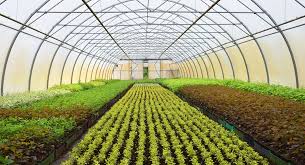
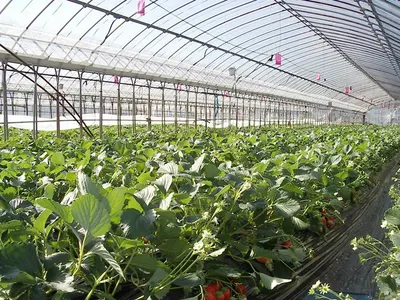
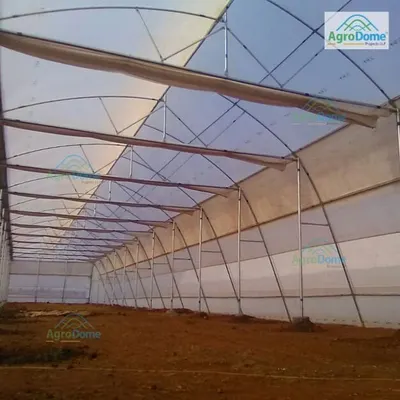
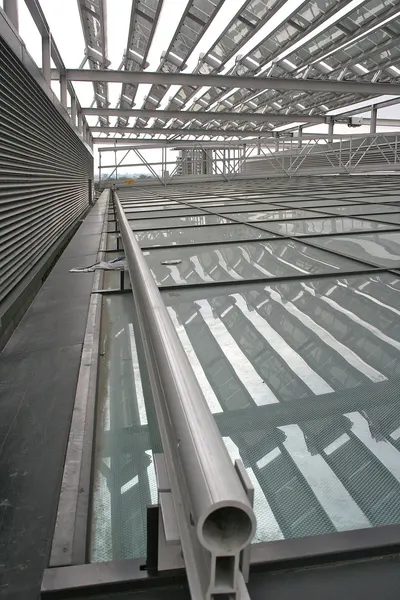
About Qingzhou Rainbow Modern Agriculture Development Co., Ltd - Greenhouse Supplier in China
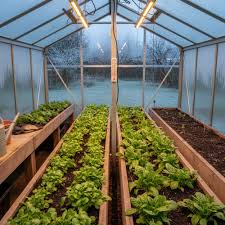
Based in China, Qingzhou Rainbow Modern Agriculture Development Co., Ltd lists seven active greenhouse‑related products. The catalogue covers both greenhouse structures and tempered‑glass components, reflecting the company’s focus on agricultural enclosure solutions. Each entry is identified by its functional description, such as Solar Greenhouse or Polycarbonate Tomato Greenhouse. The product set includes variations in frame design, covering material and intended crop use. The supplier’s trust tier is recorded as "harbor", indicating a moderate level of platform verification.
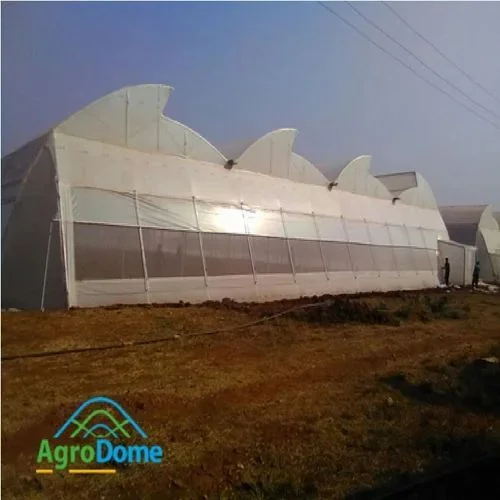
The product lineup comprises a Solar Greenhouse, a Vegetable Planting Flim Greenhouse, a Gothic Tempered Glass Greenhouse, a Multi‑span Arch‑type Flim Greenhouse, a Flim Covered Greenhouse, a Single Span Arch Type Flim Greenhouse, and a Tomatoes Used Polycarbonate Greenhouse. The terms "Flim" refer to lightweight film or polycarbonate coverings commonly used for high‑transmission light. The Gothic design indicates a curved glass façade, while the arch‑type structures denote ribbed steel frames. The inclusion of tempered glass highlights applications where impact resistance and safety glazing are required. Together these items address a range of climate‑controlled farming needs.
Product Range and Specialties of Qingzhou Rainbow Modern Agriculture Development Co., Ltd
The catalogue offers greenhouse structures built on steel or aluminum frames with coverings of either polycarbonate panels or tempered glass sheets. In the greenhouse industry, polycarbonate panels are typically supplied in 4 mm to 10 mm thickness with UV‑protective coatings and light transmission rates of 80‑90 %. Tempered glass units for greenhouse use often meet safety standards such as EN 12150, with common thicknesses of 4 mm to 6 mm and impact resistance up to 45 kJ/m². Span configurations such as single‑span arch, multi‑span arch and gothic glass façades influence span length, load capacity (usually 1.5 - 2.5 kN/m²) and internal climate uniformity. Buyers also encounter solar greenhouse designs that incorporate passive heating, where glazing orientation and thermal mass are engineered to maximize solar gain.
Typical greenhouse specifications include ventilation openings, automatic shading, and drainage systems. Polycarbonate greenhouse covers are often graded by the ICUMSA light transmission index, while tempered glass is classified by its safety rating and thermal conductivity. These industry standards help buyers compare performance across suppliers and select products that match crop‑specific light and temperature requirements.
Frequently Asked Questions About Qingzhou Rainbow Modern Agriculture Development Co., Ltd
What greenhouse structures are listed in the catalogue?
The catalogue includes a Solar Greenhouse, a Vegetable Planting Flim Greenhouse, a Gothic Tempered Glass Greenhouse, a Multi‑span Arch‑type Flim Greenhouse, a Flim Covered Greenhouse, a Single Span Arch Type Flim Greenhouse and a Tomatoes Used Polycarbonate Greenhouse.
Which materials are used for the covering of these greenhouses?
Coverings are specified as lightweight film (often polycarbonate) for the Flim models and tempered safety glass for the Gothic Tempered Glass Greenhouse.
What HS code categories apply to these products?
Greenhouse frames and polycarbonate film typically fall under HS 3906, while tempered glass components are classified under HS 7610.
What certifications should a buyer request for these greenhouse products?
Buyers normally ask for CE marking on tempered glass, ISO 9001 compliance for the manufacturing process, and third‑party test reports on light transmission and wind‑load capacity.
What is a typical minimum order quantity and lead time?
For standard greenhouse kits the minimum order is often one complete unit, with lead times ranging from 30 to 90 days depending on customization and shipping terms.
ChinaRelated Suppliers & Products
Explore similar suppliers, related products and trending categories