Poonam Ceramic Industries — Supplier
About Poonam Ceramic Industries - Refractory Bricks Supplier in India
India hosts Poonam Ceramic Industries with an active catalogue of 21 distinct refractory and ceramic products. The supplier lists items across the fire brick spectrum, including standard fire bricks, high‑alumina fire bricks, low‑iron fire bricks, shape bricks, boiler‑bed materials, HFK bricks, rolling bricks, tundish blocks, burner blocks, and graphite‑based components. Each entry is tied to specific HS‑code families such as 6902 for refractory bricks, 6903 for high‑alumina castables and nozzles, and 2508 for refractory aggregates and bentonite clay. The material descriptions reference high‑alumina aggregates (Al₂O₃ 70‑95 %), refractory aluminosilicates, carbon‑bonded composites, and natural bentonite, illustrating a focus on high‑temperature industrial applications.
The catalogue also includes monolithic castables (HS 3816.00) and bentonite clay (HS 2508.10) used as binders or sealants in refractory installations. While the supplier does not list any certifications, the product set aligns with the typical HS‑code groups for ceramic and mineral refractory goods, which are subject to standard export documentation and quality‑test reports. The breadth of 21 items indicates coverage of both brick‑type and monolithic solutions for steel, cement, glass, and petrochemical sectors.
Product Range and Specialties of Poonam Ceramic Industries
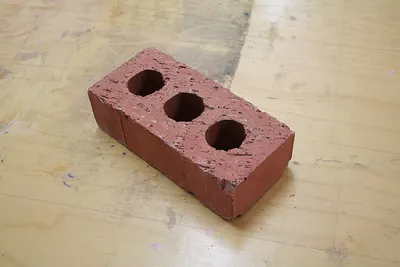
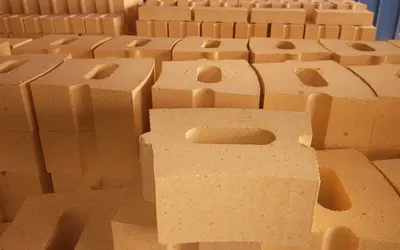
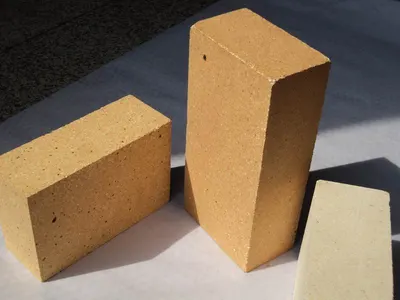
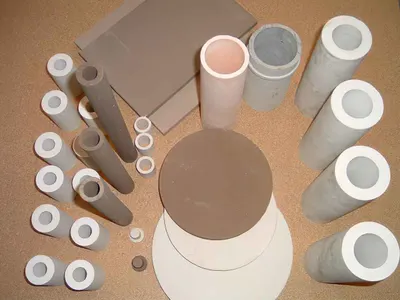
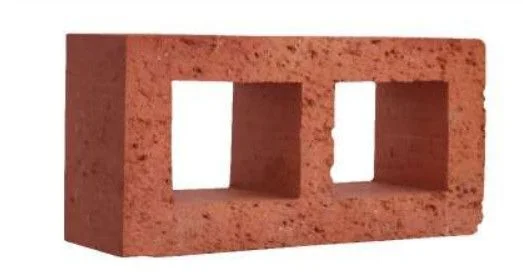
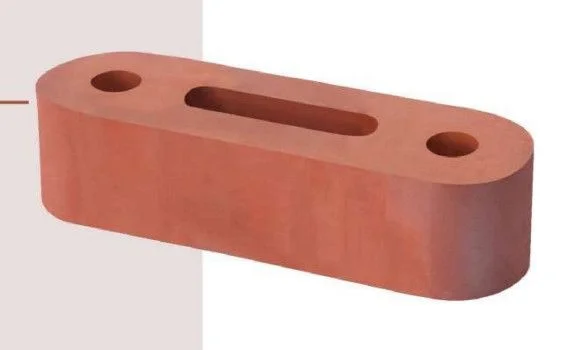
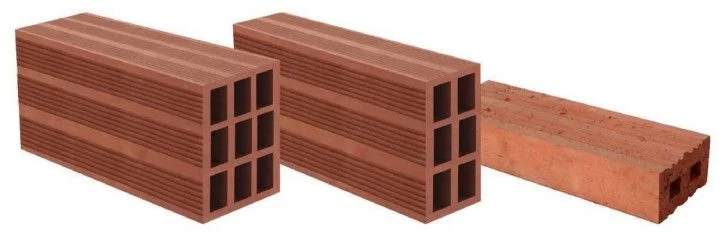
Poonam Ceramic Industries offers fire bricks, high‑alumina fire bricks, low‑iron refractory bricks, and specialised shapes such as HFK bricks (HS 6902.10) and rolling bricks (HS 6902.10). In the refractory brick market, buyers commonly specify Al₂O₃ content between 70 % and 95 % for high‑alumina grades, and Fe₂O₃ below 5 % for low‑iron grades, with compressive strengths exceeding 30 MPa after firing at 1 200 °C. The catalogue further includes boiler‑bed materials (HS 2508.30) made from calcined bauxite and fused alumina, tundish well blocks and nozzles (HS 6903.20) that typically require carbon‑bonded or sillimanite‑graphite composites for thermal shock resistance, and monolithic castables (HS 3816.00) that use calcium aluminate cement binders. Standard industry specifications such as ASTM C633 for refractories and EN 1523 for fire bricks apply to these product types.
Trade and Export Information - Poonam Ceramic Industries
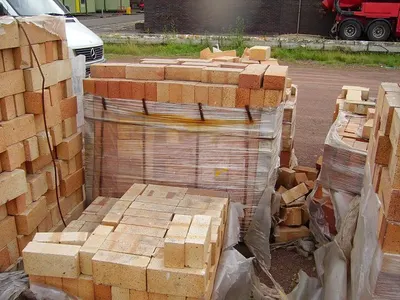
India is a major exporter of refractory ceramic products, with the HS‑chapter 69 (ceramic goods) and HS‑chapter 25 (mineral products) forming the primary tariff categories. Typical import destinations include steel‑making plants in the Middle East, Southeast Asia, and Europe, as well as cement, glass, and petrochemical facilities that require high‑temperature linings. Buyers usually request ISO 9001 quality‑management certification and, where environmental compliance is critical, ISO 14001; however, these certifications are not listed for this supplier. Shipping of refractory bricks is commonly performed in 20‑ft or 40‑ft containers stacked on wooden pallets, with each pallet holding approximately 1 200 kg of bricks, and the product is often wrapped in moisture‑resistant film to prevent degradation during transit.
Sourcing from Poonam Ceramic Industries - Buyer Guidance
When sourcing from Poonam Ceramic Industries, buyers should obtain a mill test report (MTR) that details chemical composition (Al₂O₃, SiO₂, Fe₂O₃, MgO), bulk density, porosity, and compressive strength at specified firing temperatures. Requesting third‑party certification such as ASTM C633 compliance or EN 1523 conformity helps verify that the bricks meet industry standards for thermal resistance and mechanical performance. It is advisable to confirm the exact HS code for each item, verify packaging dimensions, and arrange a pre‑shipment sample to assess dimensional tolerance and surface finish before confirming bulk orders.
Frequently Asked Questions About Poonam Ceramic Industries
What types of fire bricks does Poonam Ceramic Industries produce?
The catalogue lists standard fire bricks, high‑alumina fire bricks, low‑iron refractory bricks, HFK bricks and rolling bricks, all classified under HS 6902.10. These products typically contain Al₂O₃ levels of 70‑95 % and are used in steel‑making and cement kilns.
Which HS codes are associated with the refractory boiler‑bed material?
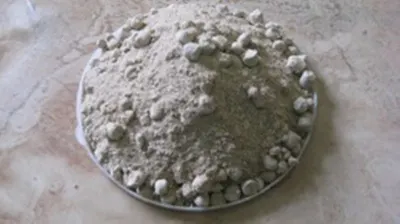
The boiler‑bed material is listed with HS 2508.30 and is described as a high‑alumina refractory aggregate made from calcined bauxite and fused alumina. This code falls under the mineral products chapter used for refractory aggregates.
Are there specific certifications buyers should ask for?
While the supplier does not list certifications, buyers normally request ISO 9001 for quality management and ISO 14001 for environmental compliance, as well as ASTM or EN test reports that confirm thermal and mechanical properties.
What is the typical minimum order quantity (MOQ) for refractory bricks?
MOQ varies by product size and packaging, but exporters from India often set a baseline of one 20‑ft container, roughly 12 000 kg of bricks, to achieve economical freight rates.
How long is the lead time for a standard fire‑brick order?
Lead times for fired refractory bricks in India generally range from 30 to 45 days after order confirmation, depending on the required firing schedule and any custom dimensions.
What packaging method is used for shipping the bricks?
Bricks are packed on wooden pallets, wrapped in moisture‑resistant film, and secured with strapping inside standard 20‑ft or 40‑ft containers to protect against breakage and moisture ingress.
Can I obtain a sample before placing a large order?
Suppliers typically provide a small sample batch (e.g., 10‑20 kg) for testing physical dimensions, compressive strength, and thermal shock resistance prior to confirming a full container shipment.
What documentation is required for customs clearance?
Customs clearance usually requires a commercial invoice, packing list, certificate of origin, and the relevant HS‑code declaration; additional test reports may be requested by the importing country’s authorities.




 , India