Agriculture›
 Apparel and fashion accessories›
 Construction & real estate›💡Electronic & Electrical›🍎Food & Beverages›🛋️Home furnishing & supplies›⚗️Industrial goods & chemical›🪨Minerals & metals›📦Miscellaneous›Agriculture›Apparel and fashion accessories›Construction & real estate›💡Electronic & Electrical›🍎Food & Beverages›🛋️Home furnishing & supplies›⚗️Industrial goods & chemical›🪨Minerals & metals›📦Miscellaneous›
Paramporul Exports Product Catalog
About Paramporul Exports - PP (Polypropylene) Woven Bag Supplier in India
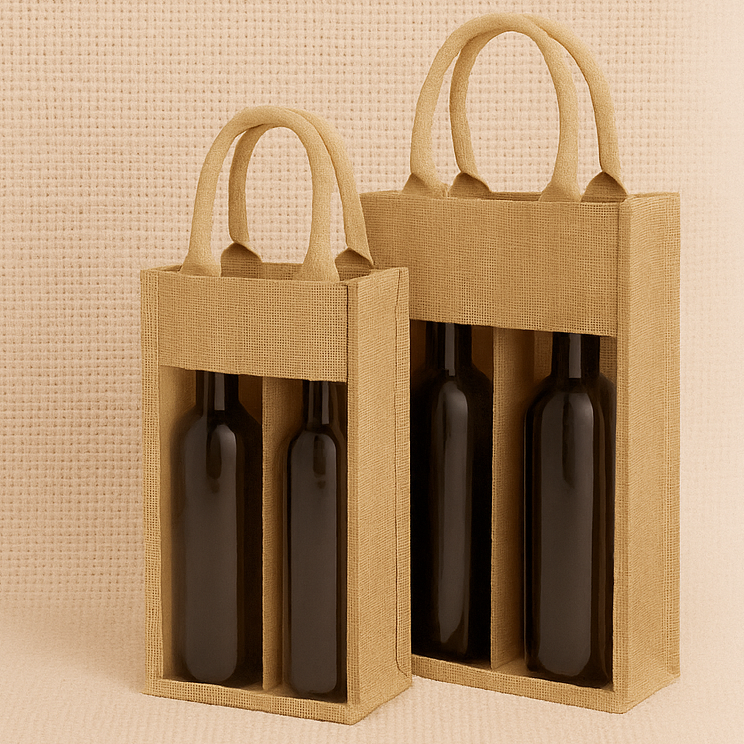
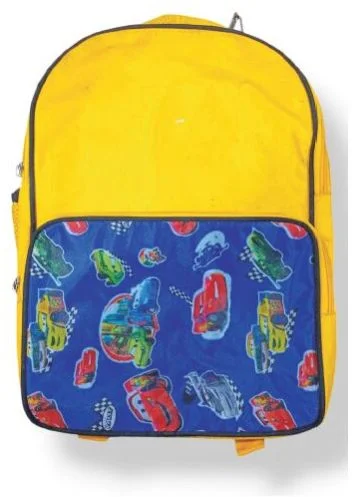
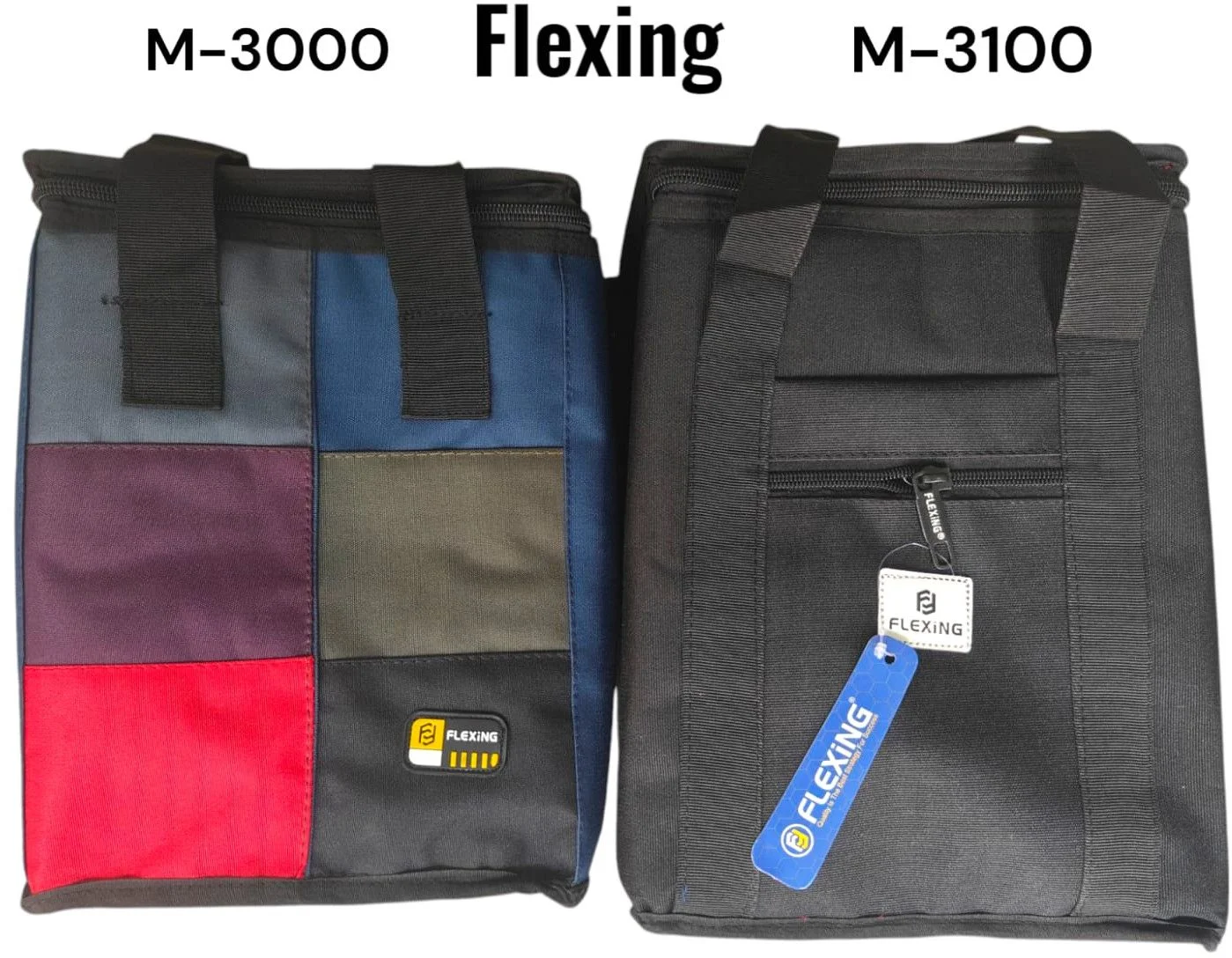
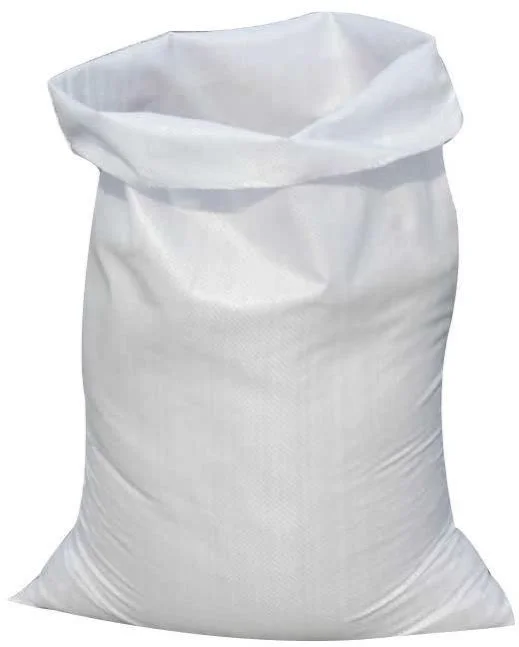
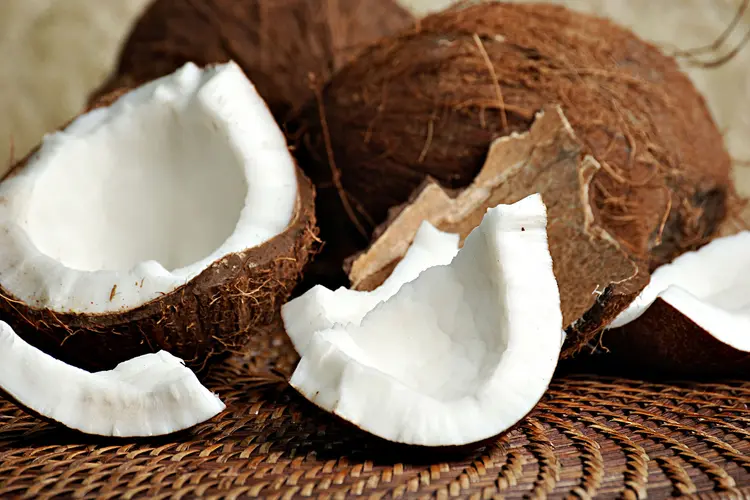
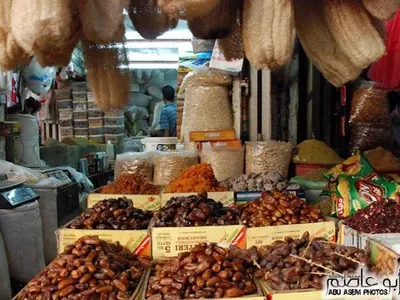
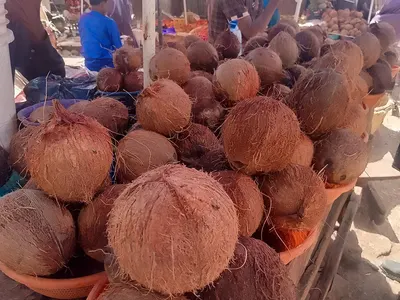
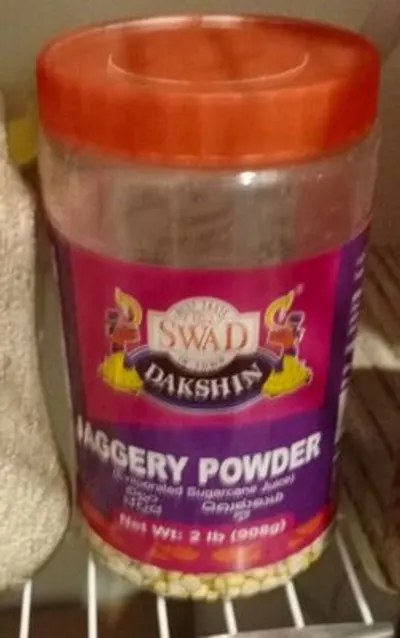
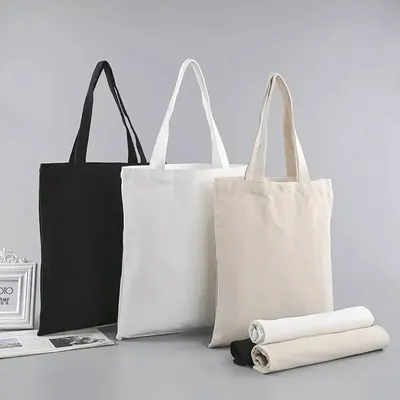
India is the origin of Paramporul Exports, which lists five active product lines in its catalogue. The company reports offerings in PP (Polypropylene) woven bags, groundnuts, semi‑husked coconut, jaggery and copra. These categories correspond to the top categories supplied, covering both polymer packaging and agricultural commodities. The active product count of five matches the five items shown in the catalogue: Non‑Woven Bags, Peanut or Groundnut Kernels, Fully & Semi Husked Coconut, Jaggery Powder and Coconut Copra.
The bag products fall under the HS chapter 39 for plastics, while the food items are classified in HS chapter 12 (edible nuts, coconut) and chapter 17 (sugar products). The catalogue does not provide individual HS codes, but typical HS codes for these groups are 3920 for woven polypropylene bags, 1209 for groundnut kernels, 1204 for semi‑husked coconut, 1702 for jaggery and 1202 for copra. Paramporul Exports therefore covers a mixed portfolio of polymer packaging and primary agricultural produce sourced in India.
Product Range and Specialties of Paramporul Exports
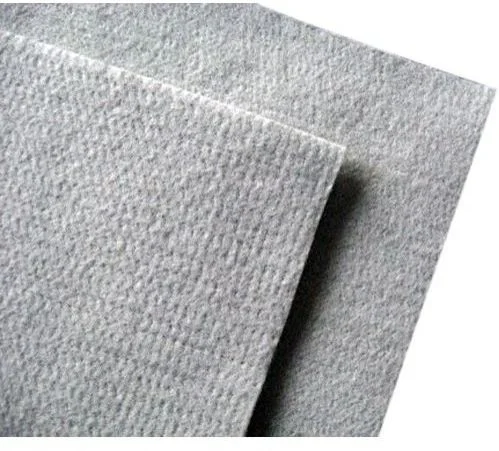
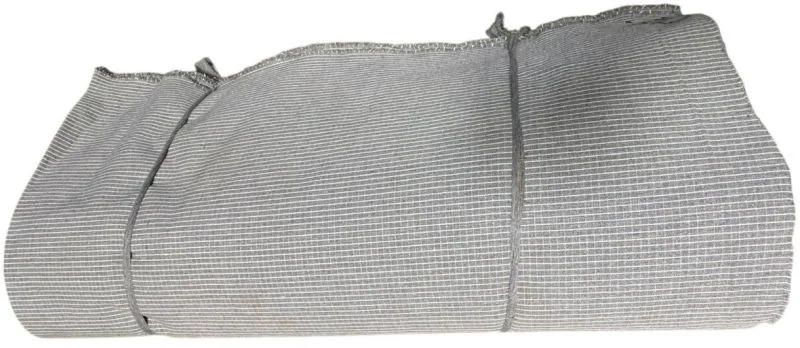
Paramporul Exports lists Non‑Woven Bags, Peanut or Groundnut Kernels, Fully & Semi Husked Coconut, Jaggery Powder and Coconut Copra. In the polymer segment, non‑woven bags are commonly produced from polypropylene or polyester fibers with typical weights of 30‑80 g m‑2 and tear resistance measured in newtons. Groundnut kernels are usually graded by size (e.g., 12 mm ± 2 mm) and moisture content below 6 % to meet international specifications. Semi‑husked coconut is supplied with shell moisture around 12‑14 % and kernel moisture 6‑8 %, while fully husked coconut meets similar parameters with higher shell removal. Jaggery powder is generally processed to a moisture level of 20‑30 % and a purity of 95 %+ sucrose. Copra is exported with oil content of 55‑65 % and moisture below 7 %.
Industry standards often require compliance with food‑safety schemes such as FSSAI in India, and buyers frequently request certificates like ISO 22000 or HACCP for the edible products. For the polymer bags, buyers may look for compliance with ASTM D6400 for compostability or ISO 9001 for quality management, although the catalogue does not specify such certifications for this supplier.
Frequently Asked Questions About Paramporul Exports
What types of bags does Paramporul Exports offer?
The catalogue lists Non‑Woven Bags made from polypropylene or polyester fibers, suitable for packaging lightweight goods. They are classified under HS chapter 39, commonly under code 3920.
What are the specifications for the groundnut kernels?
Groundnut kernels are supplied as whole kernels with size around 12 mm ± 2 mm, moisture content below 6 %, and are typically graded for aflatoxin levels not exceeding 10 µg kg‑1 as required by most import regulations.
How is semi‑husked coconut graded?
Semi‑husked coconut is graded by shell moisture (12‑14 %) and kernel moisture (6‑8 %). The product falls under HS code 1204 and is usually packed in 25 kg polypropylene bags.
What quality parameters apply to jaggery powder?
Jaggery powder is produced with a moisture range of 20‑30 % and sucrose purity of at least 95 %. It is classified under HS code 1702 and often shipped in 1 ton bulk bags.
What is the typical packaging for copra?
Copra is exported in bulk bags of 1 ton capacity, sometimes in 25 kg polypropylene sacks for smaller shipments. The product conforms to HS code 1202 and is checked for oil content of 55‑65 % and moisture below 7 %.
 India
Related Suppliers & Products
Explore similar suppliers, related products and trending categories