Agriculture›
 Apparel and fashion accessories›
 Construction & real estate›💡Electronic & Electrical›🍎Food & Beverages›🛋️Home furnishing & supplies›⚗️Industrial goods & chemical›🪨Minerals & metals›📦Miscellaneous›Agriculture›Apparel and fashion accessories›Construction & real estate›💡Electronic & Electrical›🍎Food & Beverages›🛋️Home furnishing & supplies›⚗️Industrial goods & chemical›🪨Minerals & metals›📦Miscellaneous›
Omkar Engineering Works Product Catalog



About Omkar Engineering Works - Machined Components Supplier in India
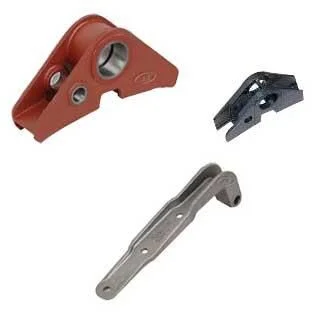
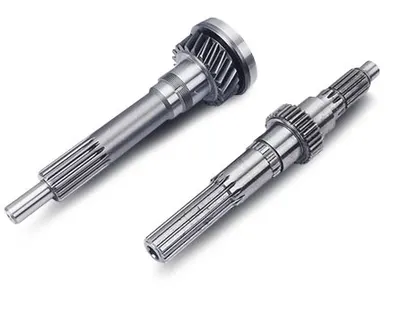
Omkar Engineering Works operates out of India and currently lists five distinct machined components in its online catalogue. The supplier’s active product count of five is split between two top categories: Machined Components and Tool Box. Each item is identified by a specific model name, for example Splined Shaft T.W.11 and Conveyor link D-1, which are typical part numbers used in industrial equipment. The catalogue does not provide HS codes, but the products fall within the HS chapter 84 family that covers machine parts and accessories. The listing reflects a focused offering rather than a broad product line, concentrating on precision‑engineered steel parts for mechanical systems.
The five products - Splined Shaft T.W.11, Conveyor link D-1, S.L guide rail P.U, M.S. RH. Opener and Picking lever D‑37 - are all machined steel components commonly used in material‑handling and automation equipment. Industry practice for such parts involves manufacturing from carbon or alloy steel with heat treatment to achieve hardness levels between 45 and 55 HRC. Typical tolerances are ±0.01 mm on critical dimensions and surface finishes around Ra 0.8 µm. Although the supplier’s catalogue does not state certifications, these specifications align with standard requirements for durable mechanical components.
Product Range and Specialties of Omkar Engineering Works
The catalogue’s five items represent core elements of linear motion and material‑handling assemblies. A splined shaft such as the T.W.11 is usually produced to ISO 286 thread standards, while a conveyor link like D‑1 is fabricated to meet ISO 2768 general tolerance rules. Guide rails (S.L guide rail P.U) and levers (Picking lever D‑37) are typically supplied in mill‑finished condition with hardness in the 45‑55 HRC range and may be offered with optional surface treatments such as zinc plating for corrosion resistance. In the broader machined‑components market, buyers often request grades such as ASTM A29 for carbon steel or ASTM A574 for alloy steel, and they look for certifications like ISO 9001:2015 to assure consistent quality control.
Frequently Asked Questions About Omkar Engineering Works
What types of machined components does Omkar Engineering Works offer?
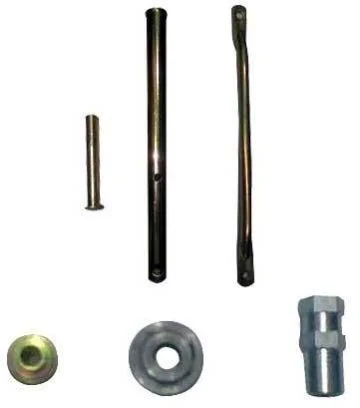
The supplier lists five items: a splined shaft (T.W.11), a conveyor link (D‑1), a guide rail (P.U), an RH‑type opener, and a picking lever (D‑37). All are steel parts used in material‑handling and automation equipment.
Are material specifications provided for these products?
The catalogue does not list exact grades, but industry practice for similar parts uses carbon or alloy steel conforming to ASTM A29 or ASTM A574. Hardness typically falls between 45 - 55 HRC with surface finishes around Ra 0.8 µm.
Which certifications should a buyer verify before purchase?
Buyers should request the supplier’s ISO 9001:2015 certificate and a mill test certificate for each batch. For EU shipments, a CE declaration of conformity may also be required.
What documentation is needed for customs clearance?
Customs authorities usually require the commercial invoice, packing list, HS‑code declaration (chapter 84), and the mill test certificate. A certificate of origin may be requested for preferential trade agreements.
What are typical minimum order quantities and lead times?
Minimum order quantities for custom‑machined parts generally start at 500 units, with lead times of 4‑6 weeks after final drawing approval. Larger batches may reduce per‑unit lead time.
 India
Related Suppliers & Products
Explore similar suppliers, related products and trending categories