Agriculture›
 Apparel and fashion accessories›
 Construction & real estate›💡Electronic & Electrical›🍎Food & Beverages›🛋️Home furnishing & supplies›⚗️Industrial goods & chemical›🪨Minerals & metals›📦Miscellaneous›Agriculture›Apparel and fashion accessories›Construction & real estate›💡Electronic & Electrical›🍎Food & Beverages›🛋️Home furnishing & supplies›⚗️Industrial goods & chemical›🪨Minerals & metals›📦Miscellaneous›
Noyer Overseas India Pvt. Ltd.
⚓ Harbor , IndiaNew supplier / no reviews yet
Noyer Overseas India Pvt. Ltd. Product Catalog
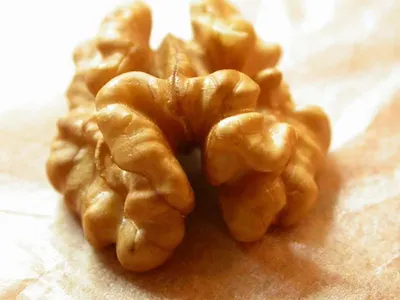
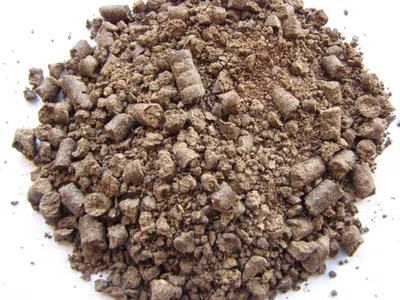
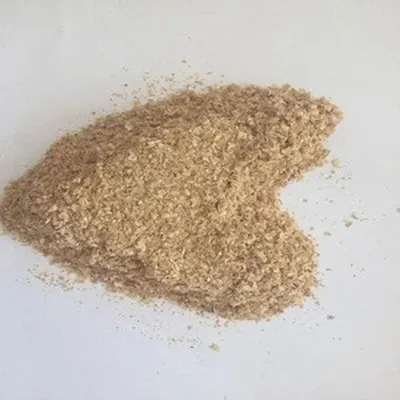
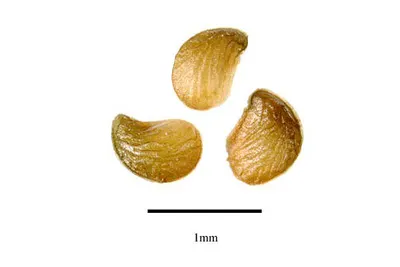

About Noyer Overseas India Pvt. Ltd. - Almonds Supplier in India
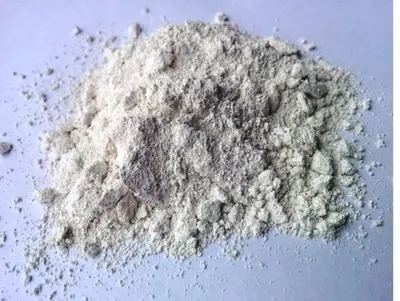
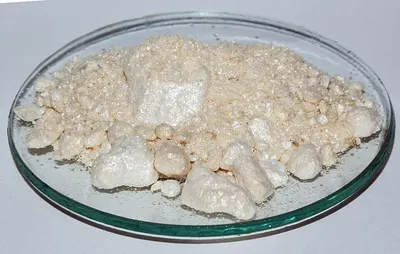
India‑based Noyer Overseas India Pvt. Ltd. lists 17 active products across three primary categories: Almonds, Walnuts and Fruit Seeds. The catalogue includes multiple forms of walnut shell material (coarse, medium/granular and fine powders as well as whole shells), almond shell items (raw shells, shells and hulls, and powders in coarse, medium and fine grades) and grape seed products. Where provided, the HS codes fall under the 12‑chapter sections for vegetable products (1212.99 for almond shell, 1213.00 for almond shell powder) and the 23‑chapter sections for other agricultural products (2308.90 for almond shells and powders, 2308.00 for almond shell medium form).
The supplier’s product list also distinguishes “Coarse Form”, “Medium Form” and “Fine Form” for both walnut and almond shell powders, indicating separate processing streams. Grape seed appears both as “Grape Seed” and “Grape Seeds” entries, suggesting bulk raw seed material. All items are described using the botanical source (e.g., Prunus dulcis for almond shells) and material type (natural, dried by‑product, ground).
Product Range and Specialties of Noyer Overseas India Pvt. Ltd.
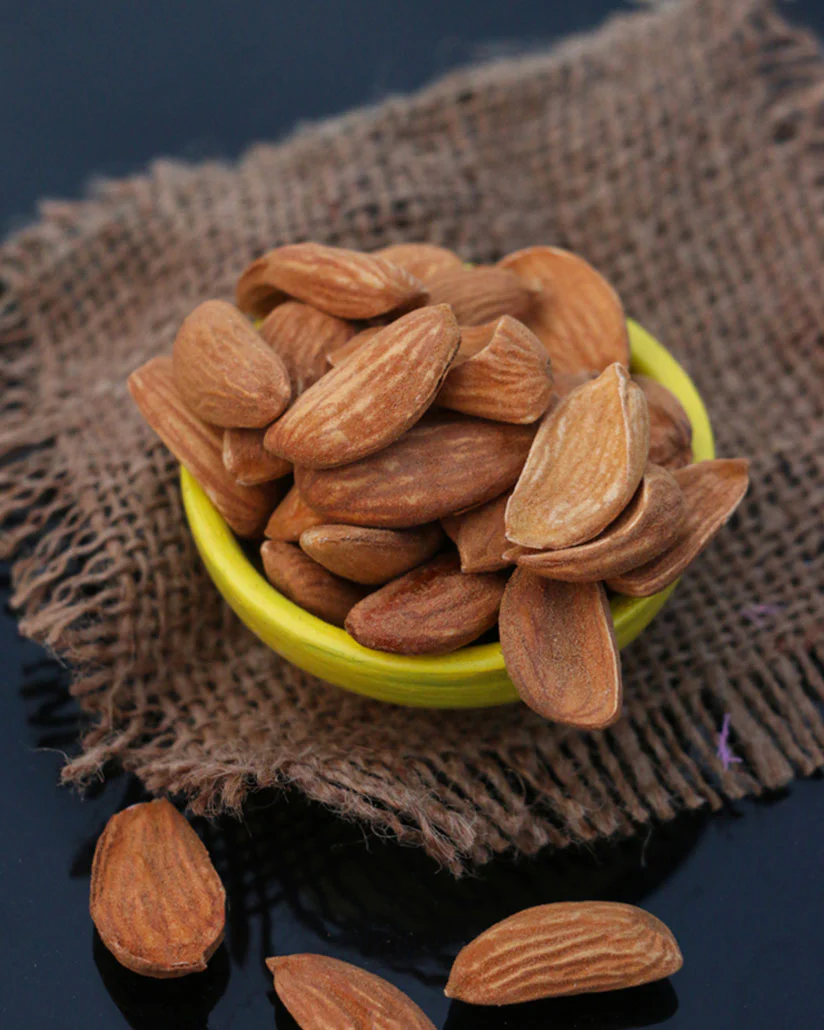
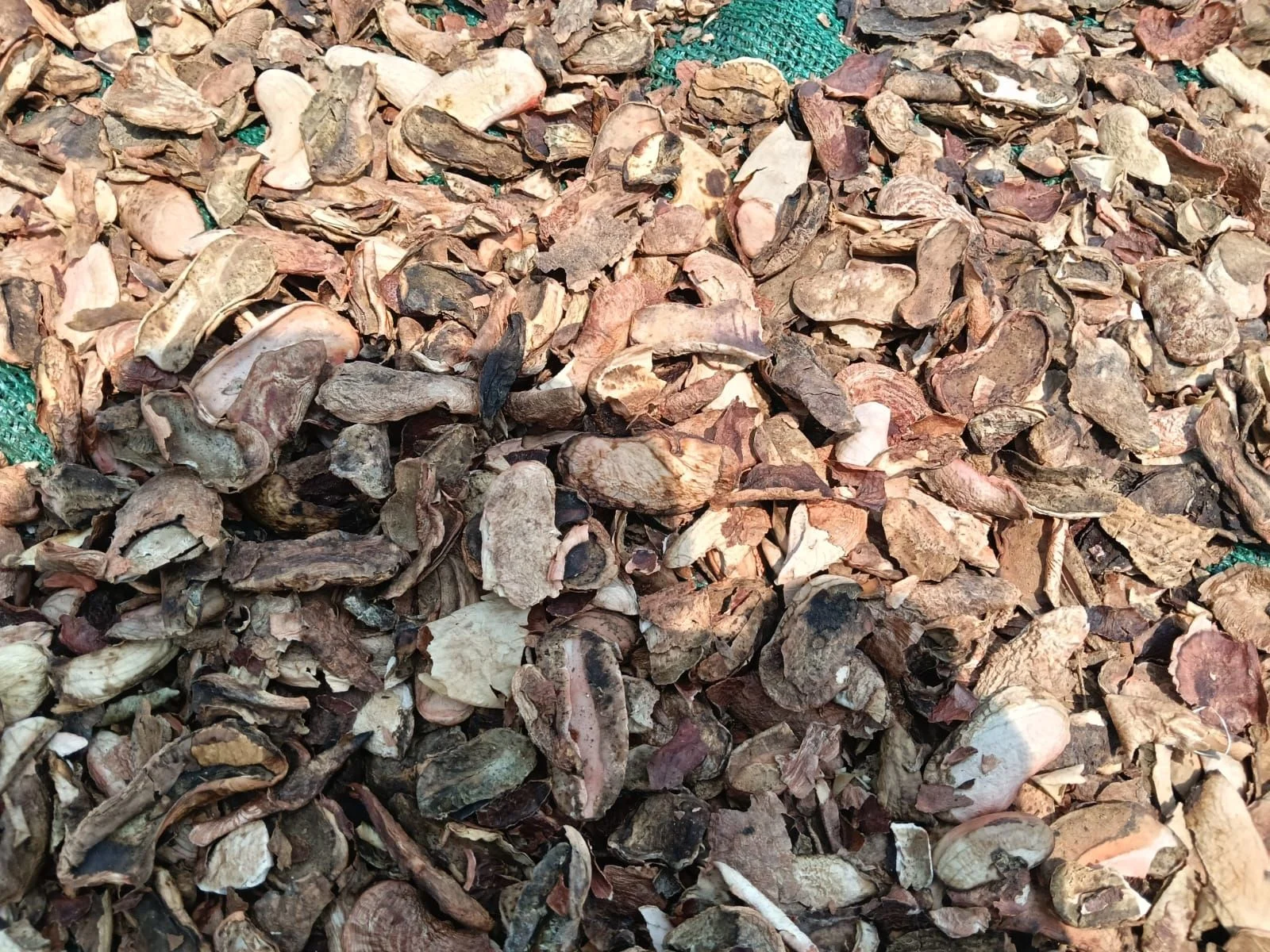
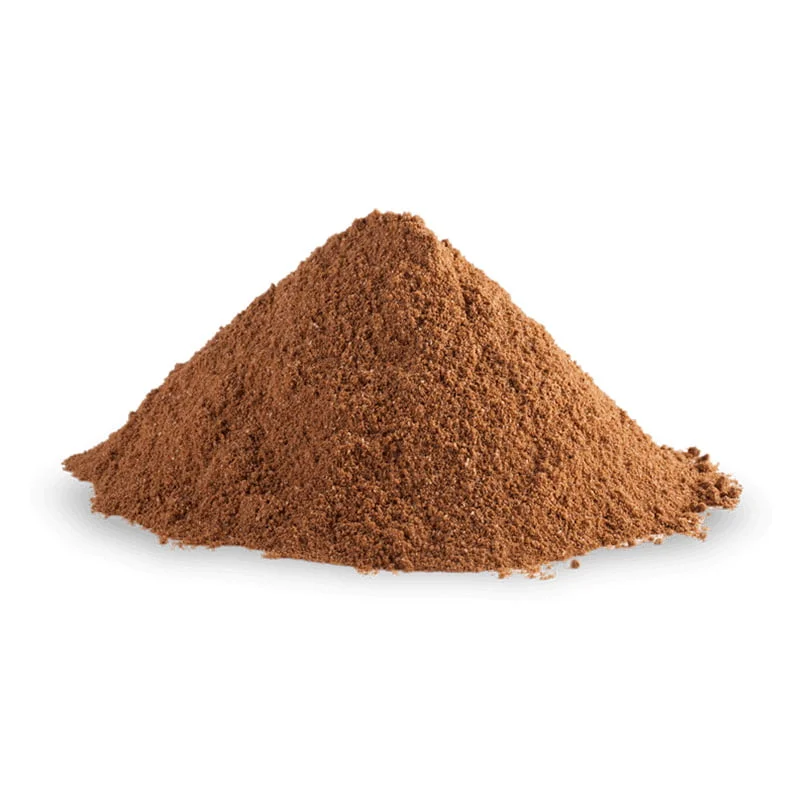
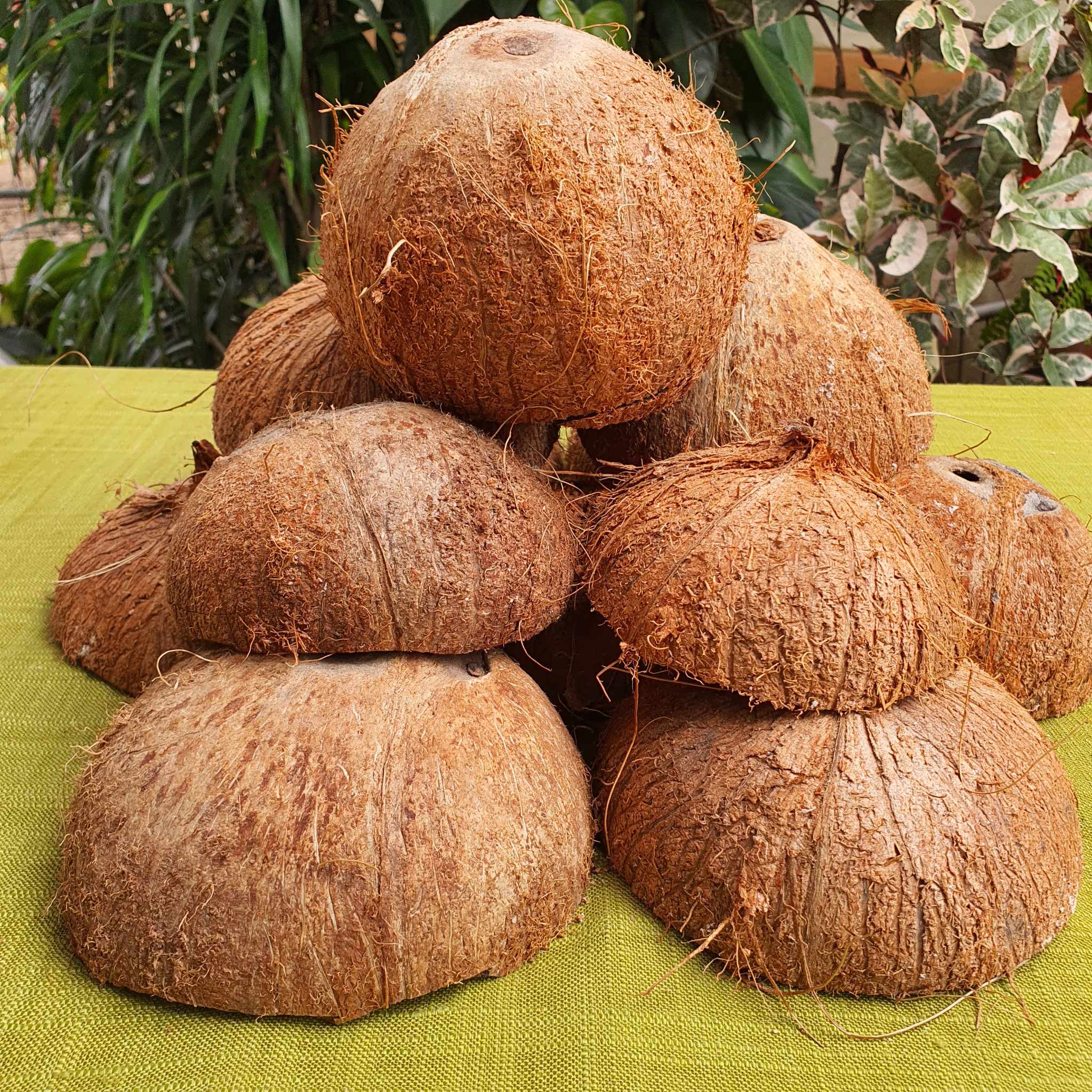
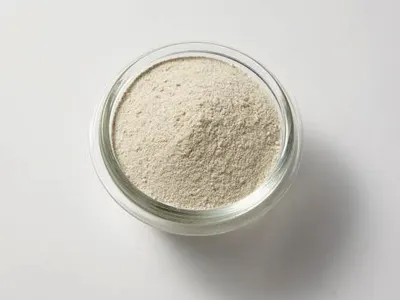
The catalogue covers walnut shell powders in three particle‑size categories - coarse, medium/granular and fine - plus whole walnut shells, which are commonly used as abrasive media, filler in polymer compounds and as a bio‑char feedstock. Almond shell products include raw shells, dried hulls and three powder grades; typical industrial specifications target particle sizes of 0.5‑2 mm for coarse, 0.2‑0.5 mm for medium and below 0.2 mm for fine, with moisture limits of 8‑10 % and ash content under 2 %. Grape seeds are generally supplied as whole dried seeds for extraction of oil or phenolic antioxidants, with standard seed moisture below 12 % and oil content around 10‑12 %. Industry standards such as ISO 9001 for quality management and ISO 14001 for environmental control are frequently applied to these categories, while specific grades like “ICUMSA 45” apply to sugar‑related seed products, not directly relevant here but indicative of the grading culture in agricultural by‑products.
Frequently Asked Questions About Noyer Overseas India Pvt. Ltd.
What walnut shell products does Noyer Overseas India offer?
The supplier lists whole walnut shells and walnut shell powders in three size grades - coarse, medium/granular and fine - as separate catalogue entries. Each grade is intended for applications such as abrasive blasting, polymer filler or bio‑char production.
Which HS codes are associated with the almond shell products?
Almond shell raw material is listed under HS 1212.99, while almond shell powders (coarse, medium, fine) appear under HS 1213.00 or HS 2308.90/2308.00 depending on the specific entry. The HS code should match the product description on the commercial invoice.
What specifications should a buyer verify for almond shell powder?
Buyers should verify particle‑size distribution (coarse > 0.5 mm, medium 0.2‑0.5 mm, fine < 0.2 mm), moisture content (≤10 %), ash content (≤2 %), and bulk density (0.4‑0.6 g/cm³). Test reports for these parameters are standard industry requirements.
Are certifications required for importing these Indian agricultural by‑products?
Importers commonly request ISO 9001 quality management certification, ISO 14001 environmental certification, and phytosanitary certificates. If the supplier does not list certifications, the buyer should ask the supplier to provide them before shipment.
What packaging formats are typical for the listed products?
Standard packaging includes 25 kg polypropylene bags for powders and bulk bags for whole shells. For container shipping, 20 ft or 40 ft containers are used, accommodating roughly 20‑22 tonnes or 40‑44 tonnes respectively.
IndiaRelated Suppliers & Products
Explore similar suppliers, related products and trending categories