Agriculture›
 Apparel and fashion accessories›
 Construction & real estate›💡Electronic & Electrical›🍎Food & Beverages›🛋️Home furnishing & supplies›⚗️Industrial goods & chemical›🪨Minerals & metals›📦Miscellaneous›Agriculture›Apparel and fashion accessories›Construction & real estate›💡Electronic & Electrical›🍎Food & Beverages›🛋️Home furnishing & supplies›⚗️Industrial goods & chemical›🪨Minerals & metals›📦Miscellaneous›
Navia Furniture Product Catalog


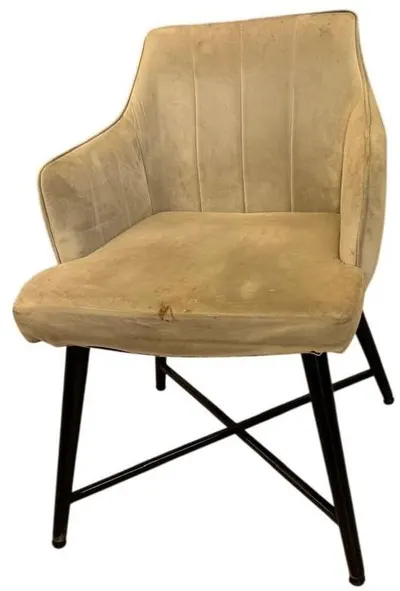

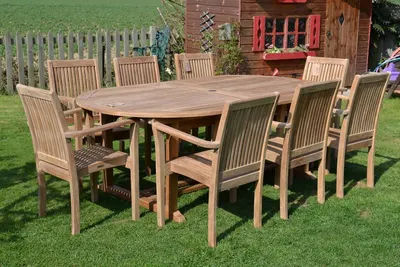
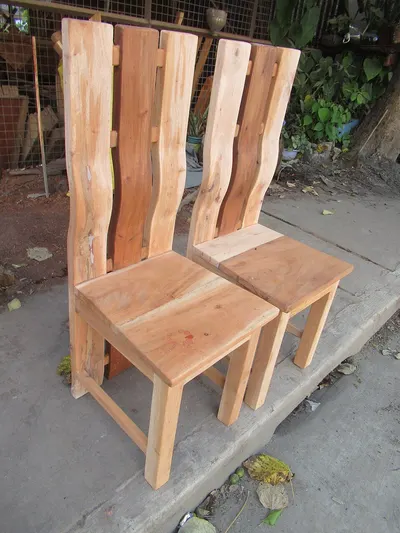
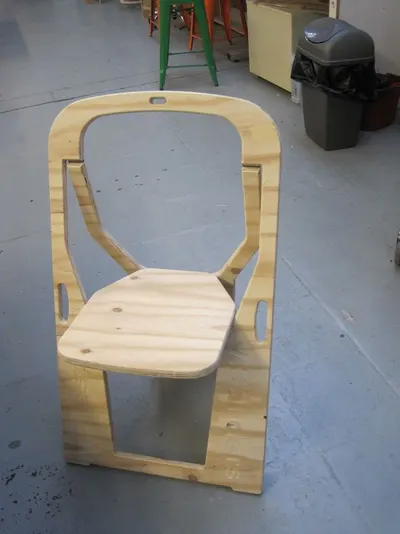
About Navia Furniture - Furniture Supplier in Indonesia
Navia Furniture is based in Indonesia and currently lists seven active products in its catalogue. The supplier’s inventory covers a variety of wood‑based items, including generic wood furniture, specific wood chairs, teak furniture, broader wooden furniture, commercial‑grade furniture, and seating designed for restaurants and cafés. Each entry falls under the broader furniture classification used in international trade, without additional product‑specific HS codes disclosed. The catalogue reflects a focus on solid‑wood construction and teak as a premium material, which are common in Indonesian furniture exports.
The listed products are identified by their functional categories rather than detailed model numbers, allowing buyers to assess suitability for residential, hospitality, or commercial environments. Indonesian manufacturers typically source timber from domestic plantations, and the presence of teak indicates a higher‑end segment due to the wood’s natural durability and aesthetic grain. The supplier’s catalogue does not include canned vegetables despite being listed in its top‑category tags, so the furniture line remains the primary offering for trade inquiries.
Product Range and Specialties of Navia Furniture
Navia Furniture’s catalogue contains wood furniture, wood chairs, teak furniture, generic wooden furniture, commercial furniture, restaurant chairs and café chairs. In the furniture industry, wood furniture is usually classified by material type (solid wood, engineered wood, veneer) and finish (laminate, paint, natural oil). Teak furniture is commonly graded by heartwood percentage, moisture content below 12 %, and resistance to decay, making it suitable for indoor and outdoor use. Commercial and hospitality chairs are often specified with load‑bearing capacities of 120 kg ± 10 % and ergonomic dimensions such as seat height 450 mm and backrest height 850 mm. Buyers typically request details on veneer thickness (e.g., 3 mm) and joint methods (dovetail, mortise‑and‑tenon) for quality assurance.
Industry standards for wooden furniture include compliance with ISO 9001 for quality management and, where sustainability is a concern, FSC or PEFC certification of the timber. Furniture exported from Southeast Asia frequently adheres to the European Union’s REACH regulation for chemical safety, especially for finishes that may contain volatile organic compounds. These benchmarks help buyers compare Navia Furniture’s offerings with global market expectations.
Frequently Asked Questions About Navia Furniture
What types of furniture does Navia Furniture list in its catalogue?
The catalogue includes wood furniture, wood chairs, teak furniture, generic wooden furniture, commercial furniture, restaurant chairs and café chairs, totaling seven distinct product entries.
Does Navia Furniture provide any sustainability certifications for its timber?
No specific certifications are listed in the supplier’s facts. Buyers should request FSC, PEFC or other sustainability certificates directly from the supplier before purchase.
Which HS code chapter applies to the products offered by Navia Furniture?
The items fall under HS Chapter 94, which covers furniture and related products, though no individual HS codes are provided in the supplier’s data.
How are the furniture products from Navia Furniture typically packaged for export?
Export packaging generally involves protective crating or double‑wall cardboard, placed on standard 120 cm × 100 cm pallets, and loaded into 20‑ft or 40‑ft containers for sea freight.
What lead time should a buyer expect when ordering from Navia Furniture?
Lead times from Indonesian furniture manufacturers commonly range from 30 to 45 days after order confirmation, depending on product complexity and order size.
 Indonesia
Related Suppliers & Products
Explore similar suppliers, related products and trending categories