Nantong Guangxing Pneumatic Equipment Co., Ltd. — Supplier
About Nantong Guangxing Pneumatic Equipment Co., Ltd. - Compressors Supplier in China
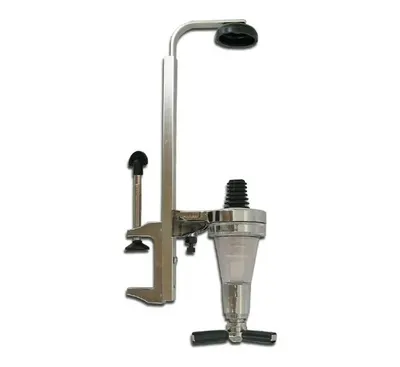
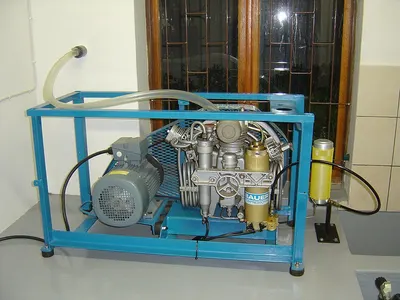
Nantong Guangxing Pneumatic Equipment Co., Ltd. is located in China and lists ten active products in its catalogue. The offering focuses on high‑pressure air compressors and pneumatic pumps, with model names that reference pressure ratings such as 4500 psi and 4640 psi. Products include a GX‑E‑4 4500 psi air compressor, a vehicle‑mounted compressor, several stirrup‑type pumps (GX‑H‑M6, GX‑4500psi, GX‑H‑6, Pcp Stirrup Pump) and a high‑pressure pneumatic pump. All items fall under the broader categories of Compressors and Industrial Pumps as defined by the supplier.
In international trade, compressors of this type are classified under HS chapter 84, code 8421, while pneumatic pumps are usually recorded under HS code 8424. The Chinese manufacturing base provides access to standard steel or aluminium casings and the ability to meet pressure specifications up to 5 000 psi. The catalogue does not list certifications, so buyers typically verify compliance with ISO 9001 quality management, CE marking for EU markets, and ATEX certification where explosive‑atmosphere use is anticipated.
Product Range and Specialties of Nantong Guangxing Pneumatic Equipment Co., Ltd.
The catalogue lists air compressors ranging from the GX‑E‑4 4500 psi unit to a 4640 psi model, as well as vehicle‑mounted variants designed for mobile applications. Pump offerings are stirrup‑type high‑pressure units such as the GX‑H‑M6 and the GX‑H‑6, which are commonly used in pneumatic concrete placement (PCP) systems. Industry standards for these products include ISO 1217 for compressor performance testing and ISO 5199 for pump power and head specifications. Typical material choices are cast iron housings for durability and aluminium or stainless‑steel components for corrosion‑resistant pump internals. Pressure ratings are expressed in psi, with common commercial grades ranging from 2 500 psi to 5 000 psi, and flow capacities are usually given in cubic feet per minute (CFM) for compressors and liters per minute (L/min) for pumps.
Trade and Export Information - Nantong Guangxing Pneumatic Equipment Co., Ltd.
China is a major exporter of high‑pressure pneumatic equipment, supplying North America, Europe and Southeast Asian markets that require robust compressors for construction, mining and oil‑field operations. Buyers usually import these goods under FOB or CIF terms, packing units in wooden crates on 20‑ft or 40‑ft containers with internal bracing to protect against vibration. Standard documentation includes a commercial invoice, packing list, certificate of origin and, where required, CE or ATEX conformity certificates. Inspection agencies often perform pre‑shipment checks against ISO 9001 quality systems and verify that pressure‑test certificates meet the declared psi ratings. Export licensing in China for hydraulic and pneumatic equipment follows the Ministry of Commerce guidelines, and end‑users may need to submit import permits depending on national safety regulations.
Sourcing from Nantong Guangxing Pneumatic Equipment Co., Ltd. - Buyer Guidance
When evaluating a supplier such as Nantong Guangxing, request a full performance test report that includes rated pressure, flow rate (CFM or L/min), power consumption (kW) and noise level (dB(A)). Ask for material certificates for the compressor housing and pump casings, as well as any existing CE or ATEX conformity documents. Verify that the supplied pressure‑test data match the model’s advertised psi rating before confirming an order. Typical minimum order quantities for individual compressor or pump models start at one unit, but bulk orders often require a 20‑ft container load; confirm lead time, which for Chinese manufacturers generally ranges from 30 to 60 days after receipt of a pro‑forma invoice.
Frequently Asked Questions About Nantong Guangxing Pneumatic Equipment Co., Ltd.
What pressure ratings are available for the air compressors listed by Nantong Guangxing?
The catalogue includes models rated at 4 500 psi and 4 640 psi. These values are stated in the product titles and correspond to the maximum operating pressure for each unit.
Are the stirrup pumps suitable for pneumatic concrete placement (PCP)?
Yes. The GX‑H‑6 Stirrup Pump For PCP and the Pcp Stirrup Pump are specifically described for PCP applications, indicating compatibility with high‑pressure concrete delivery systems.
Which HS codes are typically used for these compressors and pumps when exported?
Compressors of this type are normally classified under HS code 8421, while high‑pressure pneumatic pumps fall under HS code 8424. These codes are applied at customs for tariff and statistical purposes.
What certifications should a buyer request before purchasing?
Buyers should ask for ISO 9001 quality‑management certification, CE marking for EU market compliance, and ATEX certification if the equipment will be used in explosive atmospheres. Test reports confirming the stated psi rating are also standard.
What packaging and container size is standard for shipping these units?
Units are typically crated in wooden boxes with internal cushioning and loaded into 20‑ft or 40‑ft containers. The crate dimensions are designed to fit the compressor or pump footprint while protecting against vibration.
What is the usual lead time for an order from this supplier?
Lead times reported for Chinese pneumatic equipment manufacturers are generally 30 to 60 days after the buyer confirms the order and provides any required test‑report or certification documentation.
How can a buyer obtain a sample or prototype before a full order?
The supplier can ship a single unit as a sample under the same specifications as the catalogued model. Buyers should request a pre‑shipment inspection report and confirm the sample’s pressure performance before scaling up.
What are the typical material constructions for the pumps?
Stirrup pumps are commonly built with cast‑iron housings for pressure resistance and may use stainless‑steel internal components to resist corrosion in concrete or oil‑field environments.




 , China