Morris Poon — Verified Supplier
About Morris Poon - Paints & Coatings Supplier in Taiwan
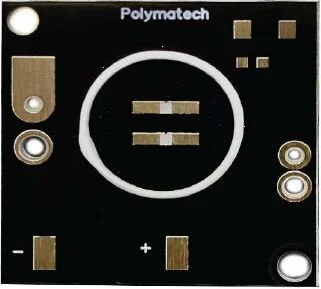
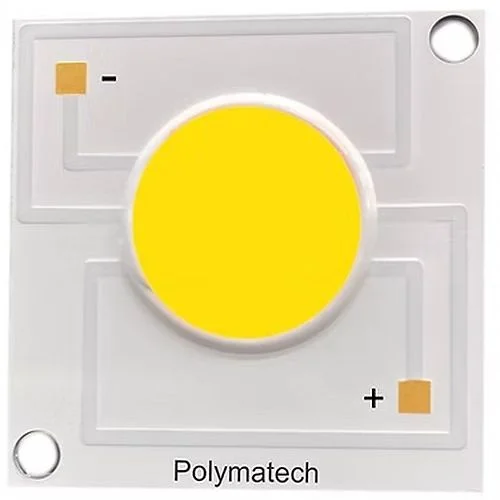
Taiwan‑based Morris Poon lists fifteen active products across several high‑technology categories. The catalogue includes surface‑treatment chemicals, LED substrates, ceramic PCBs, ceramic ball bearings, graphite surface treatments and specialty paints. Each entry is identified by a specific HS‑code family, for example the anti‑plasma surface treatment falls under HS 3824.99 and the silicon‑nitride ceramic ball bearing under HS 8482.10. The supplier also offers a 99.5 % pure aluminum‑nitride (AlN) COB substrate classified under HS 8542.39, as well as various nano‑silicon and nano‑graphite compounds.
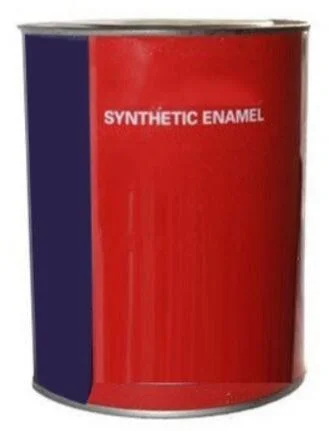
The product list combines chemical formulations (e.g., nano‑technology based surface treatment compounds) with engineered ceramics such as silicon‑nitride and aluminum‑nitride. Bearing products use silicon‑nitride ceramic balls with steel inner and outer rings, a material combination common in high‑speed, low‑friction applications. Graphite items are described as artificial VGI or SIC surface‑treatment grades, aligning with HS 3801.30 for treated graphite products. Paint offerings include a “Magic Nano Green Power Paint” positioned within the broader paints & coatings HS chapter 38. All items are presented without price or delivery terms, focusing on technical specifications and material composition.
Product Range and Specialties of Morris Poon
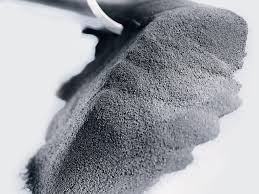
Morris Poon’s catalogue covers nano‑based surface treatments, high‑power LED substrates, ceramic printed‑circuit boards, ceramic ball bearings and treated graphite products. In the paints & coatings segment, buyers typically look for VOC limits below 150 g kg‑1 and compliance with ISO 12944 for corrosion protection. LED substrates are usually evaluated on substrate thermal conductivity (AlN > 150 W m‑1 K‑1) and chip‑on‑board (COB) binning grades such as 10‑W, 20‑W and 100‑W power classes. Ceramic bearings made from Si₃N₄ are graded by hardness (≈ 1800 HV) and dimensional tolerance (± 10 µm). Graphite surface‑treatment grades are classified by particle size distribution and purity (typically ≥ 99 % carbon).
Trade and Export Information - Morris Poon
Taiwan is a recognized exporter of electronic components, specialty ceramics and advanced coatings, supplying North America, Europe and Southeast Asian markets. HS 38‑series codes (e.g., 3824.99, 3801.30) cover chemical surface‑treatment products, which often require REACH registration and an MSDS for customs clearance. HS 84‑ and HS 85‑series codes (e.g., 8482.10 for bearings, 8542.39 for LED substrates) are commonly inspected for RoHS and UL compliance, especially when destined for EU or US electronics manufacturers. Export shipments typically use 20‑ft or 40‑ft containers with moisture‑proof drums for liquids and anti‑static packaging for LED and ceramic items. Taiwanese exporters frequently obtain ISO 9001 quality‑management certification and may provide test reports such as IEC 60730 for LED modules or ASTM B777 for ceramic ball bearings.
Sourcing from Morris Poon - Buyer Guidance
When sourcing from Morris Poon, request a current Material Safety Data Sheet (MSDS) for any chemical surface‑treatment product and a purity certificate for graphite or AlN materials. Verify that ceramic bearings meet the specified Si₃N₄ hardness and that test reports reference ASTM B777 or equivalent standards. For LED substrates, ask for thermal‑conductivity data, lumen output charts and RoHS compliance statements before confirming a purchase. Confirm packaging details (e.g., anti‑static bags, moisture‑barrier drums) and typical minimum order quantities, which in this sector range from a single 10‑W COB module to bulk shipments of 1 ton of ceramic balls.
Frequently Asked Questions About Morris Poon
What HS codes are associated with Morris Poon’s products?
The catalogue lists HS 3824.99 for anti‑plasma surface treatment, HS 8482.10 for silicon‑nitride ceramic ball bearings, HS 3801.30 for artificial graphite surface‑treatment grades, and HS 8542.39 for the aluminum‑nitride LED substrate.
Which certifications should a buyer request for the LED substrates?
Buyers should ask for RoHS compliance, UL or IEC safety test reports, and a thermal‑conductivity certificate confirming AlN purity of 99.5 %.
What typical quality standards apply to the ceramic ball bearings?
Ceramic bearings are usually validated against ASTM B777 for silicon‑nitride ceramics, with hardness around 1800 HV and dimensional tolerances of ±10 µm. ISO 9001 quality‑management certification is common for the manufacturing process.
How are the graphite surface‑treatment products graded?
Graphite grades are defined by carbon purity (generally ≥ 99 %), particle‑size distribution and the VGI/SIC surface‑treatment specification, which aligns with HS 3801.30.
What packaging is typical for the chemical surface‑treatment compounds?
Chemical surface‑treatment products are usually shipped in sealed, moisture‑proof drums or IBC containers, labelled with the appropriate HS 38‑series code and accompanied by an MSDS.
What are common lead times for the high‑power LED modules?
Lead times for 100‑W LED modules and related COB substrates generally range from 4 to 6 weeks after order confirmation, depending on production batch size and required testing.
Which documents are essential for customs clearance of the paint product?
Customs authorities typically require a product specification sheet, VOC content report, REACH registration proof and the MSDS for the “Magic Nano Green Power Paint” classified under HS 38‑series.




 , Taiwan