Agriculture›
 Apparel and fashion accessories›
 Construction & real estate›💡Electronic & Electrical›🍎Food & Beverages›🛋️Home furnishing & supplies›⚗️Industrial goods & chemical›🪨Minerals & metals›📦Miscellaneous›Agriculture›Apparel and fashion accessories›Construction & real estate›💡Electronic & Electrical›🍎Food & Beverages›🛋️Home furnishing & supplies›⚗️Industrial goods & chemical›🪨Minerals & metals›📦Miscellaneous›
Mohammed Product Catalog

About Mohammed - Printing Paper Supplier in Oman
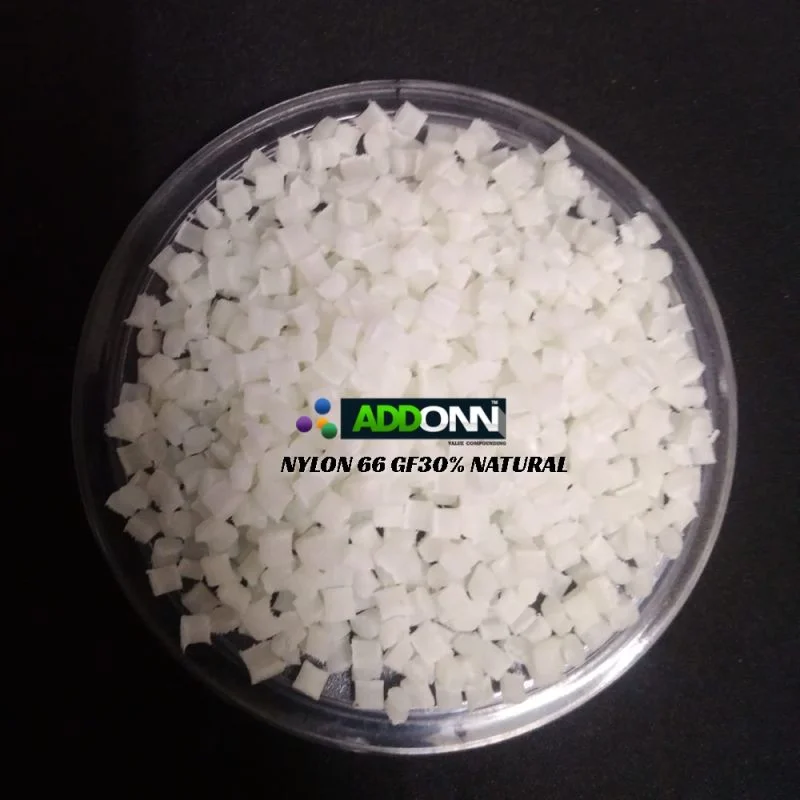
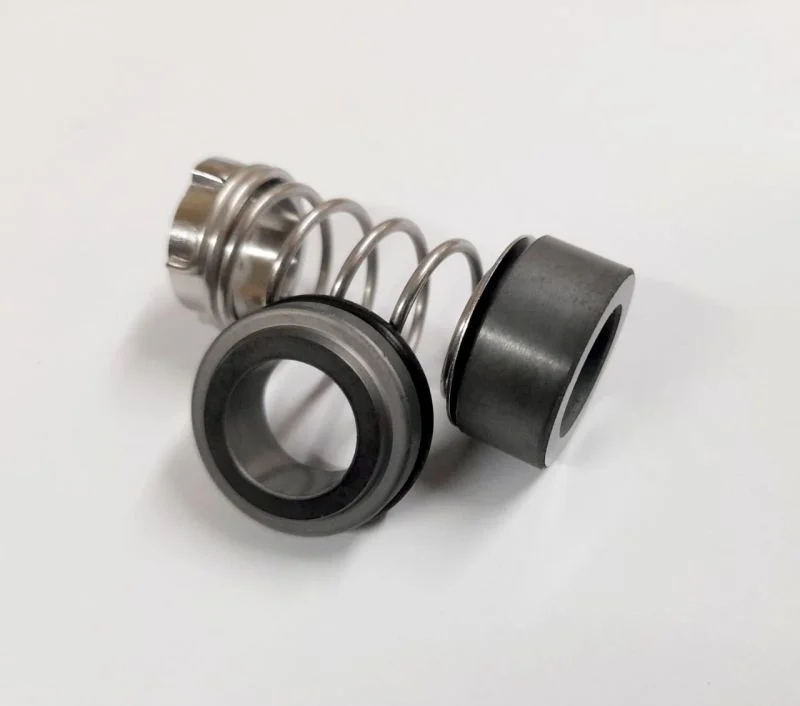
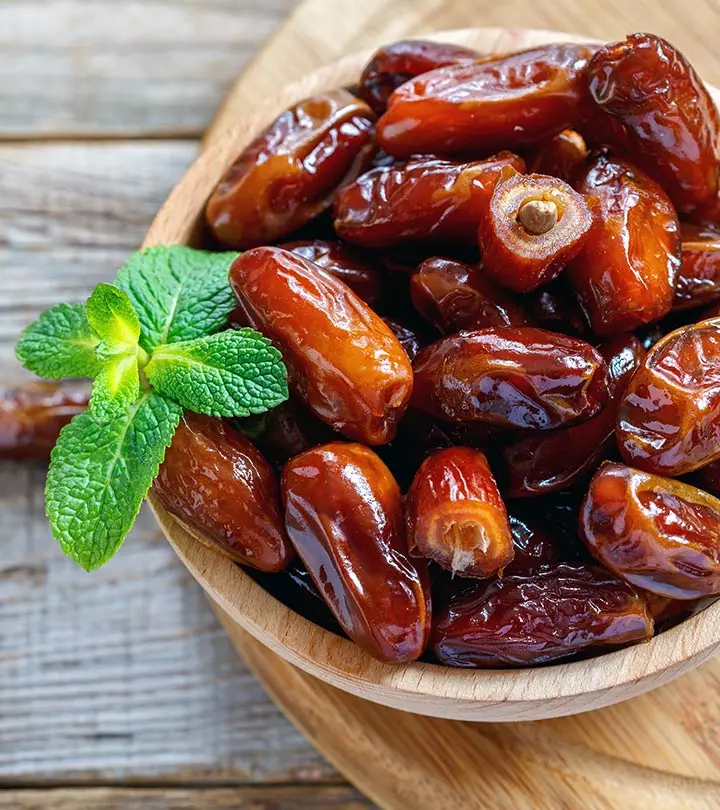
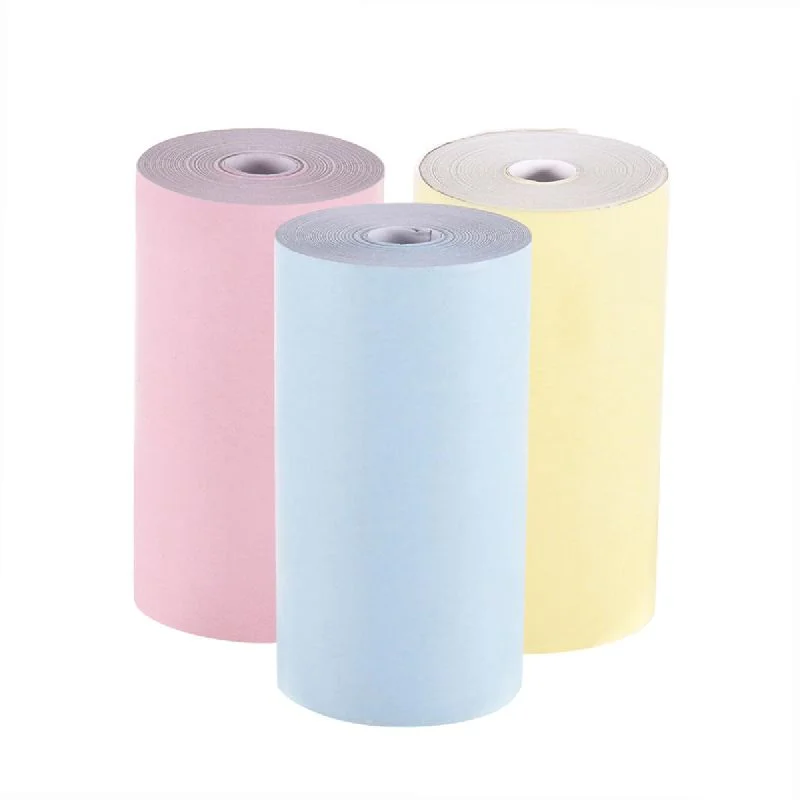
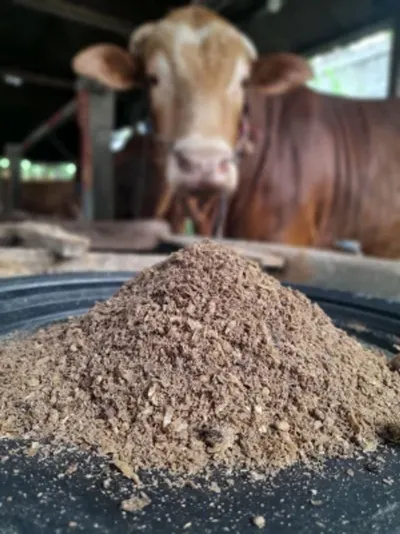
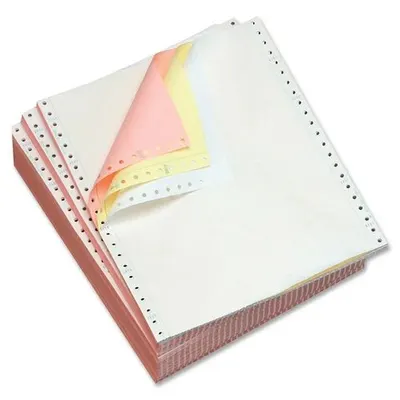
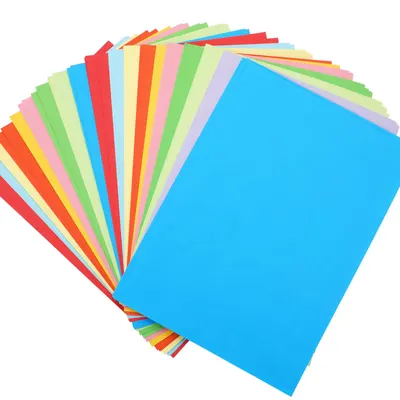
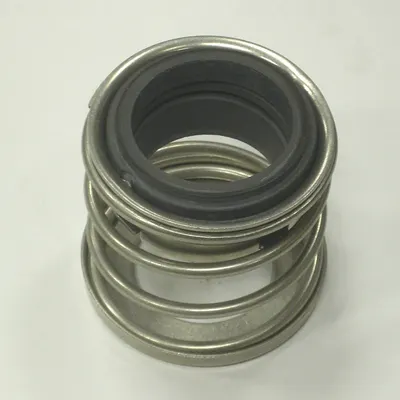
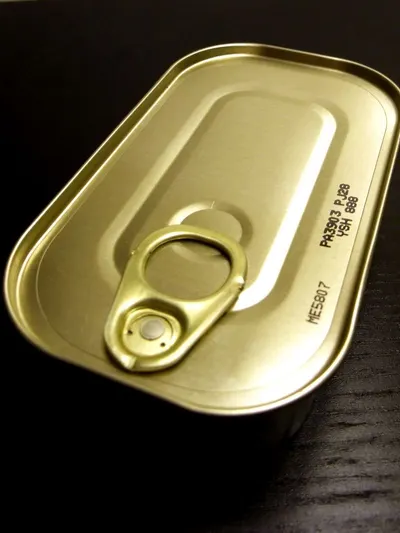
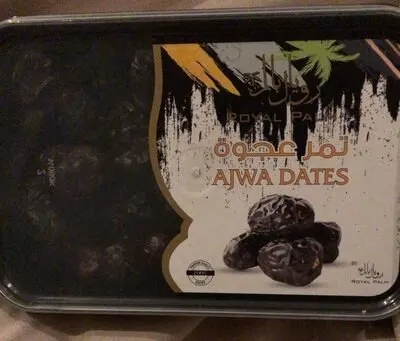
Oman hosts the supplier Mohammed, which currently lists seven distinct products across printing paper, dates, canned fish, mechanical seals, animal and cattle feed, and plastic raw materials. The catalogue includes two paper items (Copy Paper and A4 Copy Paper), a food product (Canned Sardine in Vegetable Oil 125 gm), a seal component (Mechanical Seal), a livestock feed ingredient (Crushed Cattle Bone), a polymer commodity (PP Granules‑bellets Recycled - Polypropylene), and raw dates. All items are recorded under the supplier’s active product count of seven, and the only HS code provided in the catalogue is 1604.13 for the canned sardine product. The supplier’s origin is Oman, which is a recognized exporter of dates and marine products in the Gulf region.
The paper entries fall under HS chapter 48 (paper and paperboard) and are typically classified in sub‑heading 4811 for copy paper. The canned sardine entry uses HS 1604.13, which covers prepared or preserved fish in oil. Mechanical seals are generally classified under HS 8483, while crushed cattle bone is recorded under HS 2309 for animal by‑products. The PP granules belong to HS 3902 for polymers in primary forms. Each product description includes material details where supplied, such as Indian Oil Sardine and vegetable oil for the canned fish.
Product Range and Specialties of Mohammed
Mohammed’s product list comprises standard grades commonly traded in each category. Copy Paper and A4 Copy Paper are usually supplied in ISO A‑series dimensions (210 mm × 297 mm for A4) with a typical basis weight of 80 g/m² and brightness of 92 % ISO. Dates are generally sold as whole dried fruits meeting Saudi Standard SASO 1389 for moisture content below 30 %. Canned sardines in vegetable oil are typically packed in 125 g metal tins and meet HACCP and ISO 22000 food safety standards, with oil quality measured by free‑fatty acid content below 0.5 %. Mechanical seals are normally offered in carbon‑stainless steel constructions, rated for pressure up to 10 bar and temperature up to 120 °C. Crushed cattle bone is processed to a particle size of 2 - 5 mm and used in feed formulations complying with EU Regulation 182/2005 for animal by‑products. Recycled PP granules are supplied in bulk with melt flow index (MFI) values between 5 and 15 g/10 min, suitable for extrusion and injection molding.
Frequently Asked Questions About Mohammed
What paper sizes and weights does Mohammed offer?
Mohammed lists Copy Paper and A4 Copy Paper, which are typically supplied in ISO A‑series dimensions with a basis weight around 80 g/m² and a brightness of about 92 % ISO.
What are the common Incoterms used for Mohammed’s exports?
Typical Incoterms are FOB Muscat for bulk shipments such as PP granules and mechanical seals, and CIF for higher‑value food items like canned sardines and dates.
Which certification should buyers request for the canned sardines?
Buyers should request HACCP and ISO 22000 food safety certificates, a recent laboratory analysis of oil quality (free‑fatty acid <0.5 %), and a health certificate for the Indian Oil sardine product.
What HS code applies to the canned sardine product?
The canned sardine in vegetable oil 125 g is classified under HS code 1604.13, which covers prepared or preserved fish in oil.
Are there standard specifications for the mechanical seal?
Mechanical seals are generally supplied in carbon‑stainless steel, rated up to 10 bar pressure and 120 °C temperature; buyers should ask for material test reports and a CE conformity declaration.
 Oman
Related Suppliers & Products
Explore similar suppliers, related products and trending categories