Mianyang Boyang Technology Co. , Ltd. — Verified Supplier
About Mianyang Boyang Technology Co. , Ltd. - CNC Machines & Spare Parts Supplier in China
China‑based Mianyang Boyang Technology Co. , Ltd. lists seven active products across CNC machines & spare parts, injection‑moulded products, tools & instruments, and machined components. The catalogue includes items classified under HS code 8466.93 for CNC‑machined metal parts and HS code 7604.29 for aluminium‑based turned components, reflecting typical tariff groups for precision engineering goods.
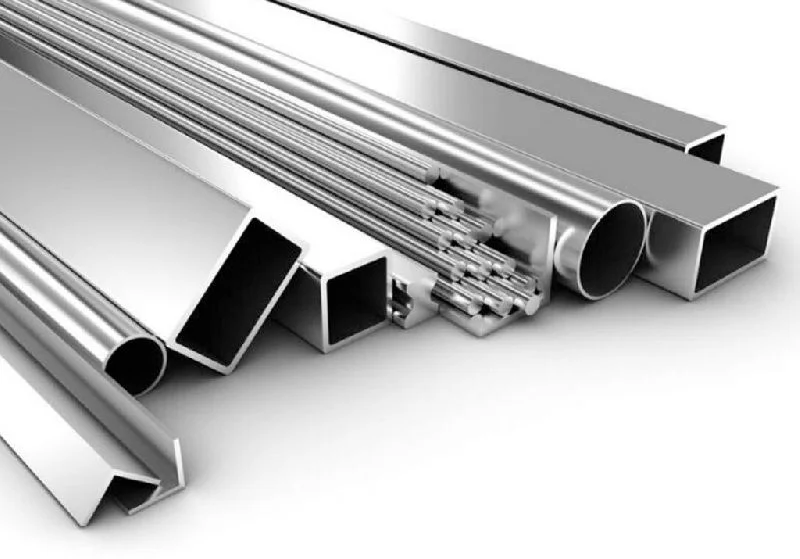
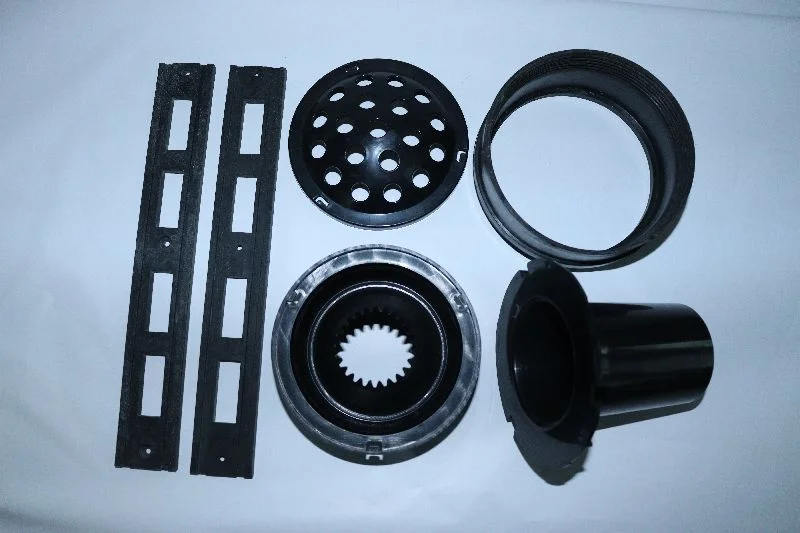
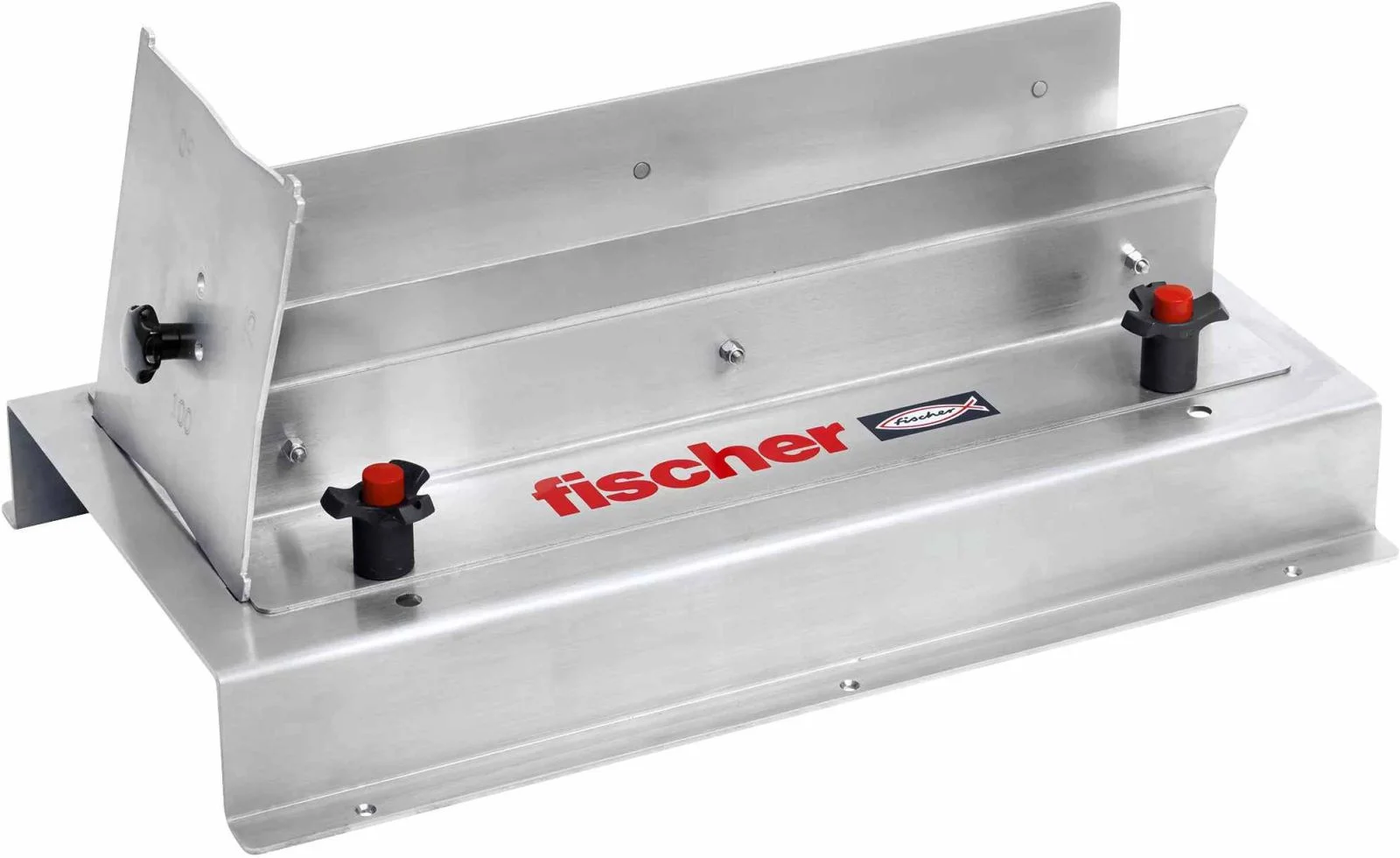
The product list covers a CNC metal prototype anodized aluminium milling machine, CNC machining of stainless‑steel precision parts, generic precision CNC‑machined parts in aluminium alloys 6061/7075, carbon steel, stainless steel 304/316 and brass C360, an OEM aluminium machined turned part (HS 7604.29), a custom injection‑moulded plastic component, a hand‑tool circlip‑plier set, and a stainless‑steel machinery part. Materials specified include stainless steel grades 304 and 316L, aluminium alloys 6061‑T6 and 6063‑T5, and brass C360, matching common engineering alloys used in global supply chains.
Product Range and Specialties of Mianyang Boyang Technology Co. , Ltd.
The catalogue’s seven SKUs span high‑precision CNC machining and basic plastic injection moulding. Aluminium alloy 6061‑T6 and 6063‑T5 are standard for aerospace‑grade components, offering tensile strengths of 290‑310 MPa and good surface finish capability; stainless steels 304 and 316L provide corrosion resistance up to 0.5 % chloride environments; brass C360 is typical for valve and connector parts with a hardness of 70‑90 HRB. Injection‑moulded plastic parts are usually produced from ABS, polycarbonate or PP, with wall thickness tolerances of ±0.1 mm and melt flow indices between 10‑30 g/10 min.
Industry practice for CNC‑machined components calls for dimensional tolerances of ±0.01 mm for critical features, surface roughness Ra 0.8 µm for sliding interfaces, and hardness checks (Rockwell B 95‑105). Buyers often require mill test reports (MTR) for aluminium and stainless grades, as well as material certification conforming to ASTM B209 (aluminium) and ASTM A240 (stainless).
Trade and Export Information - Mianyang Boyang Technology Co. , Ltd.
China remains a leading exporter of CNC‑machined components, with major import markets in the United States, Germany, Japan and South‑East Asia. HS 8466.93 items are commonly shipped in 20‑ft or 40‑ft containers, packed in wooden crates with anti‑corrosion film, and traded under FOB or CIP terms. For aluminium turned parts (HS 7604.29), exporters frequently provide a Certificate of Origin and a declaration of compliance with the EU’s REACH regulation when destined for Europe. Typical buyer industries include automotive OEMs, aerospace manufacturers, industrial equipment assemblers and consumer‑electronics firms, all of which often request ISO 9001 quality‑management certification and, where applicable, CE marking for safety‑critical components.
Buyers usually verify compliance with RoHS for plastic injection parts and request a test report for any lead content. Freight logistics from inland China to coastal ports such as Shanghai or Shenzhen involve consolidated container loading, with standard export documentation comprising commercial invoice, packing list, bill of lading and, if required, an inspection certificate from a third‑party agency (e.g., SGS).
Sourcing from Mianyang Boyang Technology Co. , Ltd. - Buyer Guidance
When sourcing from Mianyang Boyang Technology, request material test certificates for each alloy (e.g., ASTM B209 for aluminium, ASTM A240 for stainless steel) and a dimensional inspection report that includes tolerance verification and surface‑finish measurements. For the injection‑moulded plastic part, ask for a melt‑flow index test, a colour‑match sample and a declaration of RoHS/REACH compliance. Typical minimum order quantities range from a single prototype batch (1‑10 pcs) for CNC‑machined items to a 500 kg batch for bulk plastic parts. Lead times are generally 2‑4 weeks after final drawing approval, with additional time for tooling if a new mould is required. Verify that the supplier can provide packaging in sealed, moisture‑controlled bags for corrosion‑sensitive parts, and that crates are labelled with HS codes and handling instructions.
Freight terms such as FOB Shanghai or CIF Hamburg are common; buyers should confirm the incoterm early to allocate responsibility for insurance and customs clearance. Prior to large orders, a pilot run or sample batch is advisable to assess dimensional accuracy and material consistency against the supplied certificates.
Frequently Asked Questions About Mianyang Boyang Technology Co. , Ltd.
What HS codes apply to the CNC‑machined metal parts listed by Mianyang Boyang?
The CNC‑machined stainless‑steel precision parts and the generic precision CNC parts are classified under HS code 8466.93, which covers machine tools parts and accessories. The OEM aluminium turned parts fall under HS code 7604.29, used for aluminium waste and scrap, but is also applied to machined aluminium components in some export filings.
Which material standards should I request for the aluminium alloy components?
Request a mill test report that references ASTM B209 for aluminium alloy 6061‑T6 or 6063‑T5, including tensile strength, chemical composition and heat‑treatment condition. The report should also state compliance with ISO 9001 if you need a quality‑management reference.
Are there typical certifications buyers expect for CNC‑machined stainless‑steel parts?
Buyers commonly require ISO 9001 certification for the manufacturing process and a material certificate confirming ASTM A240 compliance for stainless‑steel grades 304 and 316L. For export to the EU, a CE declaration may be requested for safety‑critical applications.
What are the usual tolerances and surface‑finish specifications for the listed CNC parts?
Industry practice for precision CNC parts includes dimensional tolerances of ±0.01 mm on critical features and a surface roughness of Ra 0.8 µm for sliding surfaces. Hardness testing (Rockwell B 95‑105) is often specified for hardened steel components.
How is the plastic injection‑moulded part typically packaged for international shipment?
Standard packaging involves sealing the part in moisture‑resistant poly‑bag, then placing it in a sturdy cardboard box with cushioning. For larger volumes, the boxes are palletised and shrink‑wrapped, ready for container loading.
What documentation should I request before placing a bulk order for the stainless‑steel machinery part?
Ask for a material test certificate (ASTM A240), a dimensional inspection report, a RoHS compliance statement if the part contains electronic components, and a commercial invoice that lists HS code 8466.93.
What are the common lead times for a new tooling project for the injection‑moulded product?
New tooling for plastic injection generally requires 6‑8 weeks for design, mould fabrication and trial runs, after which standard production lead times of 2‑3 weeks per 20‑ft container apply.
Which markets most frequently import the CNC and machined components from China?
The United States, Germany, Japan and South‑East Asian countries such as Vietnam and Thailand are the largest importers of Chinese CNC‑machined components, driven by demand in automotive, aerospace and industrial equipment sectors.




 , China