Agriculture›
 Apparel and fashion accessories›
 Construction & real estate›💡Electronic & Electrical›🍎Food & Beverages›🛋️Home furnishing & supplies›⚗️Industrial goods & chemical›🪨Minerals & metals›📦Miscellaneous›Agriculture›Apparel and fashion accessories›Construction & real estate›💡Electronic & Electrical›🍎Food & Beverages›🛋️Home furnishing & supplies›⚗️Industrial goods & chemical›🪨Minerals & metals›📦Miscellaneous›
Mega Trend Mulya PT Product Catalog
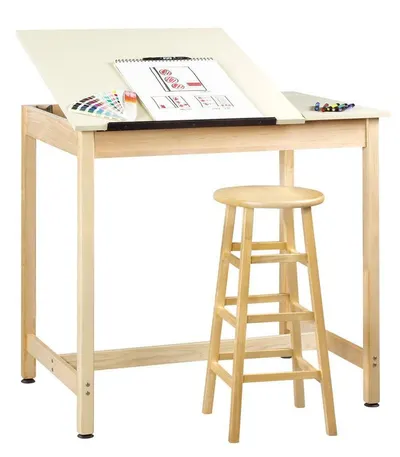

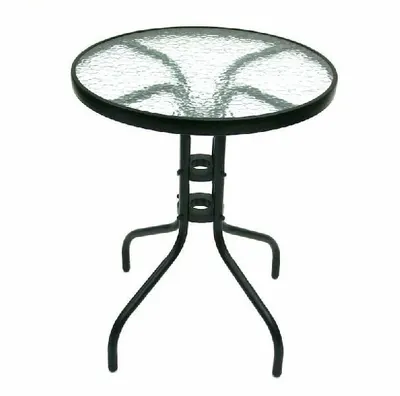
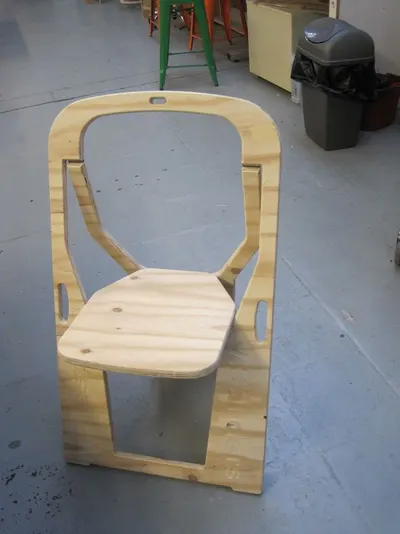
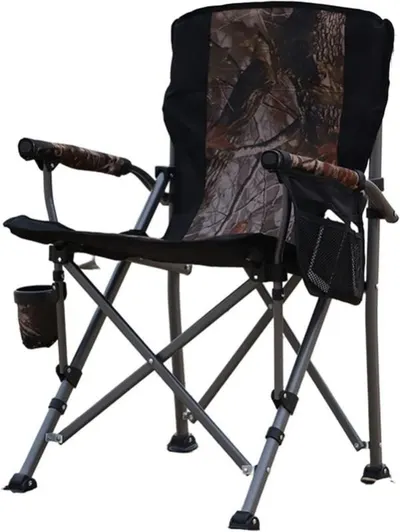
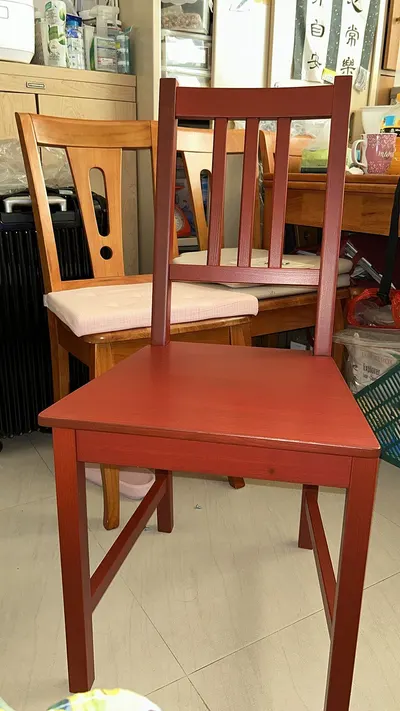
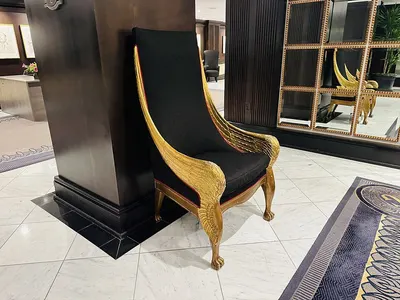
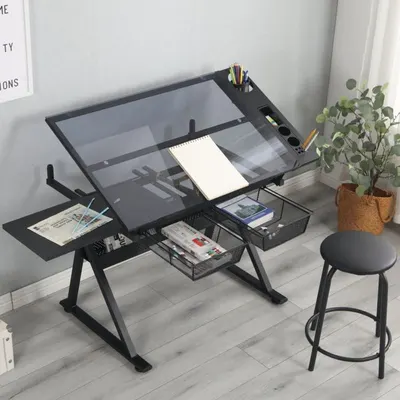
About Mega Trend Mulya PT - Wooden Furniture and Canned Vegetables Supplier in Indonesia
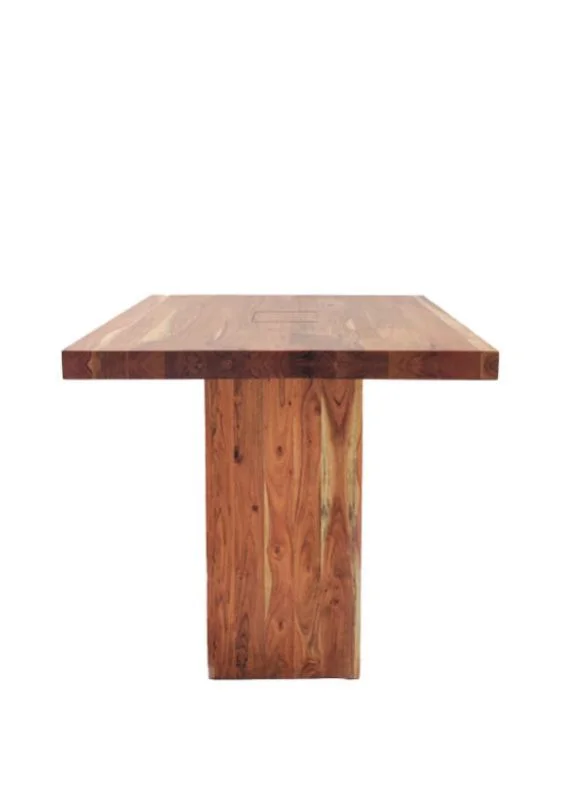
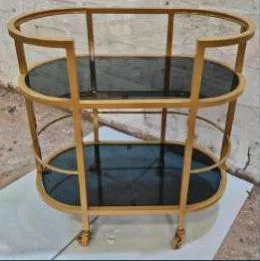
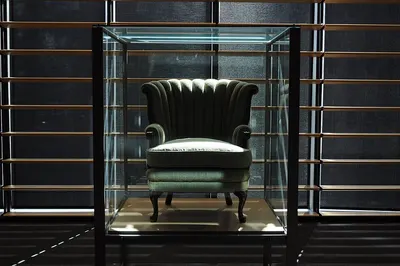
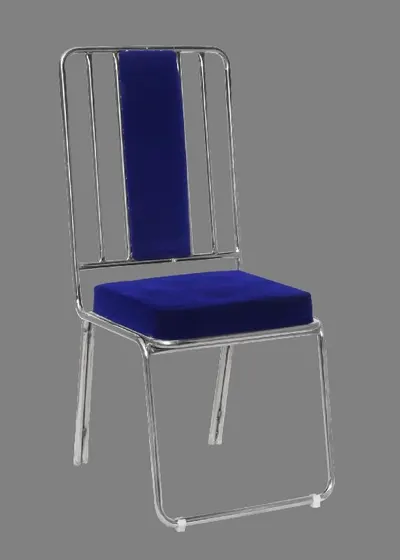
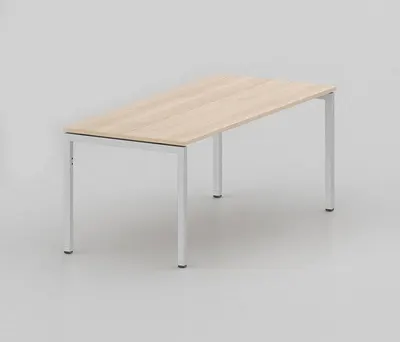
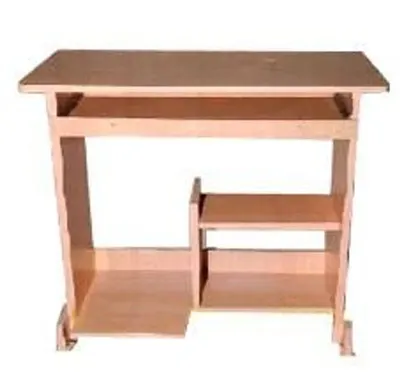
Mega Trend Mulya PT is an Indonesia-based supplier operating from the country's major wood-working and processed-food manufacturing belt, listing 15 active products across two distinct categories: canned vegetables and wooden furniture. The wooden furniture line accounts for 14 of the 15 active listings and covers seating, tables, desks, benches and folding pieces, while the canned vegetable line is represented by a single entry. Indonesia is one of the world's largest producers of tropical hardwood furniture and a significant exporter of processed canned food, particularly canned pineapple and canned mushrooms, so the supplier's combined focus reflects two well-established export streams from the country. The catalogue spans household seating such as armchairs, dining chairs, folding chairs and stools, alongside functional pieces including writing desks, picnic tables, trolley tables and benches.
The supplier's furniture range mixes named design references (Samba Ramses Armchair, Kinderland Bureau Writing Desk, TM33-022, TM33-015, TM33-029) with generic category entries (Chair, Wooden Stool, Tables, Bench, Folding Armchair), suggesting a mix of in-house designs and standard catalogue items. Wooden furniture from Indonesia typically falls under HS chapter 94 (furniture; bedding, mattresses, mattress supports, cushions and similar stuffed furnishing; lamps and lighting fittings not elsewhere specified or included), with seating generally classified under HS 9401 and tables under HS 9403. The canned vegetable line, given Indonesia's export profile, most commonly maps to HS 2005 (other vegetables prepared or preserved otherwise than by vinegar or acetic acid, not frozen), in particular HS 2005.20 for potatoes and HS 2005.99 for other vegetables, though canned pineapple is more typically classified under HS 2008.20.
Product Range and Specialties of Mega Trend Mulya PT
Mega Trend Mulya PT's catalogue is dominated by wooden furniture, with 14 of the 15 active listings covering chairs, stools, armchairs, dining chairs, folding chairs, benches, writing desks, a children's writing desk, a bureau, trolley tables, a square picnic table and a generic tables entry. Indonesian wooden furniture is typically produced from plantation teak (Tectona grandis), mahogany (Swietenia spp.), mindi (Melia azedarach), acacia (Acacia mangium), and increasingly from recycled or reclaimed teak and suar (Albizia saman) wood, with surface finishes ranging from natural oil and water-based lacquer to PU and nitrocellulose coatings. Common specifications buyers encounter include kiln-dried moisture content of 8 to 12 percent, mortise-and-tenon or dowel joinery, and FSC or VLK (Verifikasi Legalitas Kayu) documentation for legality of timber origin, which is mandatory under Indonesia's timber legality assurance system SVLK. For seating, load-bearing tests to SNI 07-0693-1989 or equivalent European EN 12520 / EN 1022 standards are typical reference points, while children's furniture should meet EN 1729 (educational furniture) or ASTM F1838 (children's wooden furniture) safety criteria. The single canned vegetable entry sits within a category where Indonesian exporters typically deal in canned pineapple (sliced, tidbit, crushed, chunk), canned mushrooms (whole, sliced, pieces), canned bamboo shoots, canned baby corn, canned long beans, and canned jackfruit, packed in tinplate cans of 227 g, 400 g, 425 g, 800 g, A10 (2.84 kg) and A2.5 (2.95 kg) sizes, with Brix levels, drained weight, vacuum, headspace and BIS (bisulfite) residue limits forming the standard quality parameters.
Frequently Asked Questions About Mega Trend Mulya PT
What product categories does Mega Trend Mulya PT supply?
The supplier lists 15 active products, 14 of which are wooden furniture items (chairs, armchairs, dining chairs, folding chairs, stools, benches, writing desks, a children's writing desk, a bureau, trolley tables, a square picnic table and generic tables). The remaining listing falls under canned vegetables, a category in which Indonesian exporters typically deal in canned pineapple, canned mushrooms, canned bamboo shoots and canned baby corn.
Which Indonesian timber species are typically used in furniture of this type?
Indonesian wooden furniture is most commonly produced from plantation teak (Tectona grandis), mahogany (Swietenia spp.), mindi (Melia azedarach), acacia (Acacia mangium) and reclaimed teak or suar (Albizia saman). Kiln-dried moisture content is normally held between 8 and 12 percent to prevent warping and cracking in transit.
Which certifications and documents should a buyer request for the wooden furniture line?
Buyers should ask for SVLK V-Legal documentation under Indonesia's timber legality assurance system, E1 or better formaldehyde emission test reports to EN 13986 for European destinations, and Lacey Act due-diligence records for US-bound shipments. For children's furniture, EN 1729 or ASTM F1838 safety evidence is a typical requirement.
Which documents and food-safety certificates are standard for the canned vegetable line?
Standard requests include HACCP and ISO 22000 food safety management certificates, BPOM registration for the Indonesian production facility, FDA Food Facility Registration for US-bound goods, and a per-shipment Certificate of Analysis covering Brix, drained weight, vacuum, headspace, BIS residue and microbiological limits.
What is the typical packaging and shipping configuration for Indonesian wooden furniture exports?
Furniture is normally shipped flat-pack or knockdown (KD) in 20 ft or 40 ft dry containers, with a 40 ft HQ providing close to 68 cubic metres of internal volume. Pieces are typically wrapped in foam, bubble wrap or corrugated cardboard, edge-protected, and loaded on fumigated or heat-treated pallets compliant with ISPM 15.
 Indonesia
Related Suppliers & Products
Explore similar suppliers, related products and trending categories