Kite Exim — Verified Supplier
About Kite Exim - Spice Supplier in India
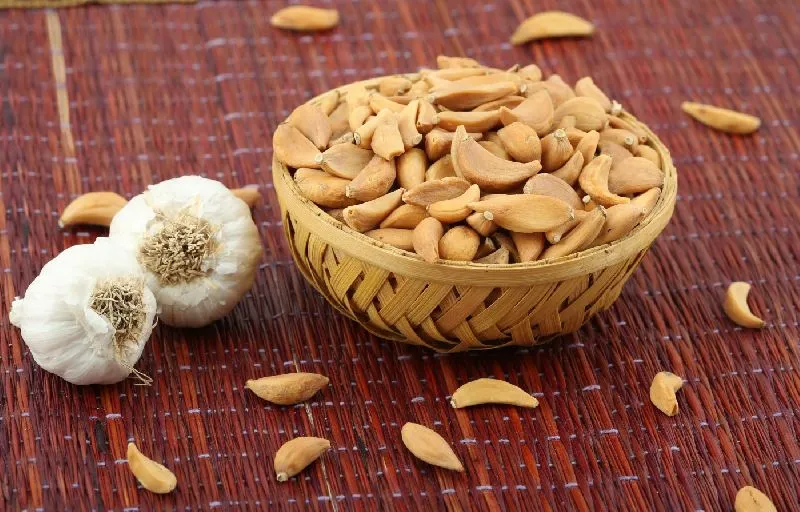
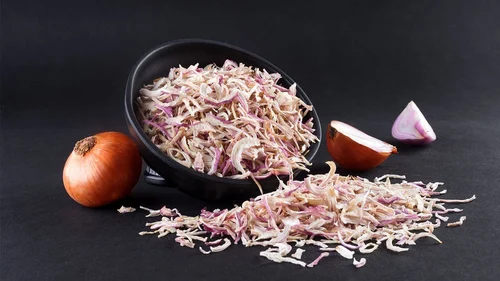
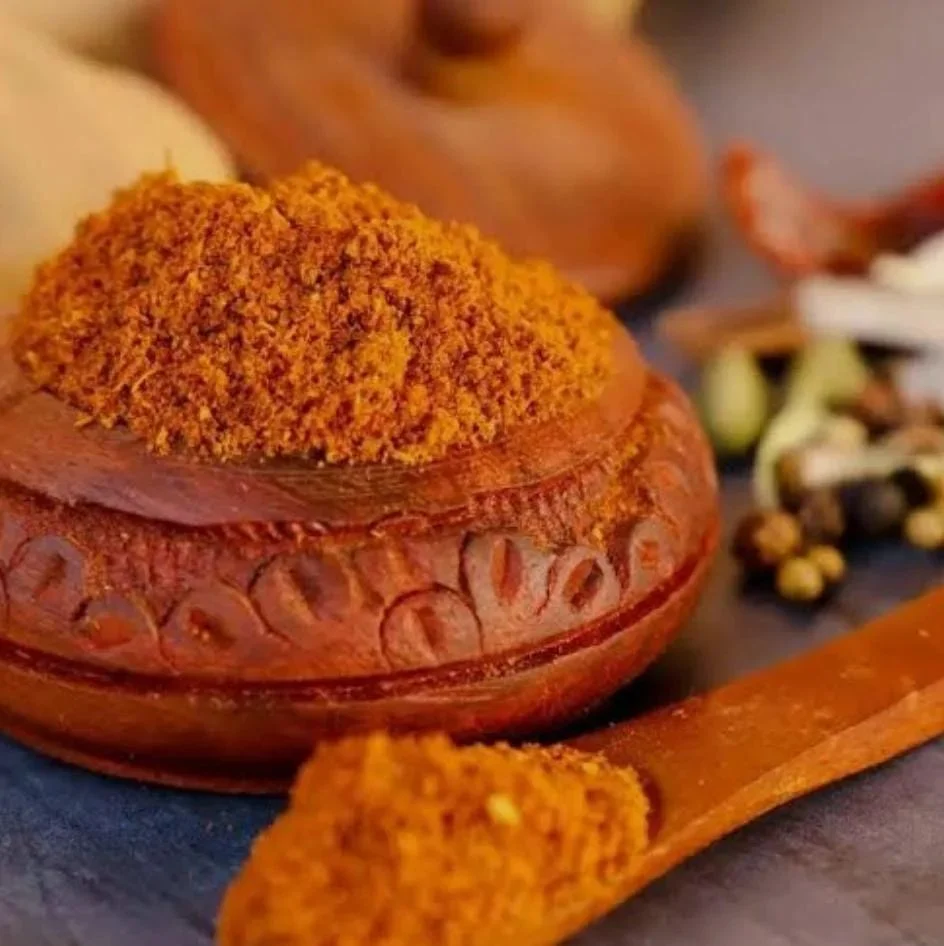
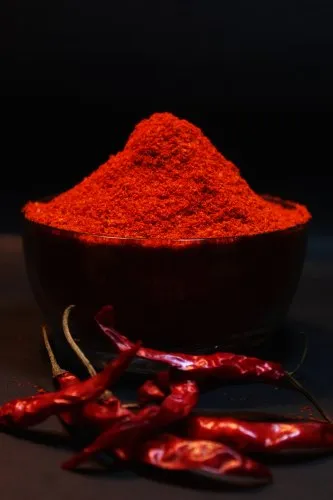
Kite Exim, based in India, offers 66 active products. The company lists a variety of spices, including Dehydrated Onion, Kitchenware & Cooking, Dehydrated Garlic, Senna, Red Chilli, Turmeric, Cloves, and Coriander Seeds. Specifically, their catalogue includes Dry Red Chilli Whole, Dry Red Chilli Flex, and Dry Red Chilli Powder, as well as Turmeric Whole, Turmeric Tbc, and Turmeric Powder. Other products include Coriander Whole, Coriander Splits, and Coriander Powder, along with Cumin Whole, Cumin Powder, Fenugreek Seed, and Fenugreek Tbc. The company also offers Psyllium Husk, Green Cardamom, and Green Cardamom Powder, in addition to Yellow Mustard Seeds, Fennel Seeds, and Fennel Powder. Furthermore, their range encompasses Cinnamon Whole, Cinnamon Powder, Star Anise Whole, Star Anise Powder, Cloves Whole, and Cloves Powder, as well as Senna Leaves, Senna Leaves Tbc, Senna Pods Whole, and Senna Pods Tbc.
Exporters of spices like Kite Exim typically ship their goods to regions such as the Middle East, Europe, and North America, where there is a high demand for these products. The HS code families involved in the export of these spices commonly fall under chapters 09 and 12 of the Harmonized System. Buyers of spices usually require certifications such as ISO 22000 and HACCP to ensure the quality and safety of the products.
Product Range and Specialties of Kite Exim
Kite Exim's product range includes various types of spices, each with its own set of specifications and standards. For example, Turmeric Whole is typically graded according to its curcumin content, with higher grades having a higher curcumin percentage. Coriander Seeds, on the other hand, are often classified based on their size and color. The company's catalogue also includes a variety of spice powders, such as Red Chilli Powder and Cumin Powder, which are commonly used in cooking and food processing. Buyers of these products should be aware of the typical quality parameters for each spice, such as moisture content, ash content, and volatile oil content, to ensure they are sourcing quality products.
Trade and Export Information - Kite Exim
The trade and export of spices from India, where Kite Exim is based, is subject to various regulations and standards. Exporters of spices typically need to comply with the regulations set by the Spice Board of India and the Indian government. The HS code families involved in the export of these spices, such as 0904 for Turmeric and 0910 for Ginger, are used to classify the products for customs purposes. Buyers of spices from India should be aware of the typical packaging and shipping norms for these products, such as the use of jute bags or polypropylene bags, and the common Incoterms used, such as FOB and CIF.
Sourcing from Kite Exim - Buyer Guidance
When sourcing spices from Kite Exim, buyers should request specifications, samples, and test reports to verify the quality of the products. They should also ask for certifications such as ISO 22000 and HACCP, which are commonly required for spice exports. Additionally, buyers should be aware of the typical quality parameters for each spice, such as moisture content and ash content, and should verify these parameters before placing an order. It is also important for buyers to confirm the packaging and shipping details, including the type of packaging material used and the Incoterms, to ensure smooth and efficient logistics.
Frequently Asked Questions About Kite Exim
What is the typical moisture content of Turmeric Whole?
The typical moisture content of Turmeric Whole is around 10-12%. However, this can vary depending on the specific grade and quality of the product.
What is the difference between Turmeric Tbc and Turmeric Whole?
Turmeric Tbc, or Turmeric Broken, refers to Turmeric that has been broken or crushed into smaller pieces, while Turmeric Whole refers to intact Turmeric roots. The broken form is often used for easier grinding and processing.
What certifications should I request from Kite Exim?
Buyers should request certifications such as ISO 22000 and HACCP, which are commonly required for spice exports. Additionally, certifications such as Organic and Non-GMO may be relevant depending on the specific product and market requirements.
What is the typical packaging used for spice exports from India?
The typical packaging used for spice exports from India includes jute bags, polypropylene bags, and corrugated boxes. The specific packaging material used can depend on the type of spice, its moisture content, and the desired shelf life.
What is the minimum order quantity (MOQ) for Kite Exim's products?
The MOQ for Kite Exim's products can vary depending on the specific product and market requirements. Buyers should confirm the MOQ with the supplier before placing an order.
What is the typical lead time for Kite Exim's products?
The typical lead time for Kite Exim's products can range from a few days to several weeks, depending on the specific product, packaging, and shipping requirements. Buyers should confirm the lead time with the supplier before placing an order.
How can I request a sample from Kite Exim?
Buyers can request a sample from Kite Exim by contacting the supplier directly and providing details about the specific product and quantity required. The supplier will typically provide a sample free of charge or for a nominal fee, depending on the product and market requirements.
What are the common Incoterms used for spice exports from India?
The common Incoterms used for spice exports from India include FOB (Free on Board), CIF (Cost, Insurance, and Freight), and CFR (Cost and Freight). The specific Incoterm used can depend on the type of spice, its value, and the desired level of risk allocation between the buyer and seller.




 , India