Katia — Verified Supplier
About Katia - Blocks, Tiles & Slabs Supplier in Indonesia
Indonesia hosts Katia, a supplier that currently lists 20 distinct tile products across its catalogue. The list comprises wall tiles sized 60x30 cm and floor tiles primarily 60x60 cm, with additional formats such as 33x33 cm and 30x30 cm for specialized applications. Materials recorded include glazed ceramic, porcelain, natural sandstone and standard ceramic, each matched to HS codes in the 6907, 6908 and 6802 families. The catalogue distinguishes between glazed and unglazed variants, and several items are identified as mosaic or pool‑specific designs. The supplier’s top categories are reported as “Blocks, Tiles & Slabs” and “Wall Tiles”, reflecting the focus on both decorative wall applications and load‑bearing floor solutions.
Product Range and Specialties of Katia
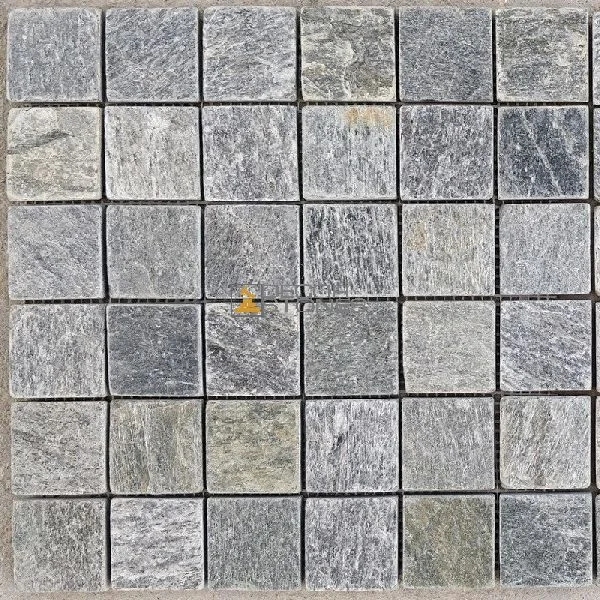
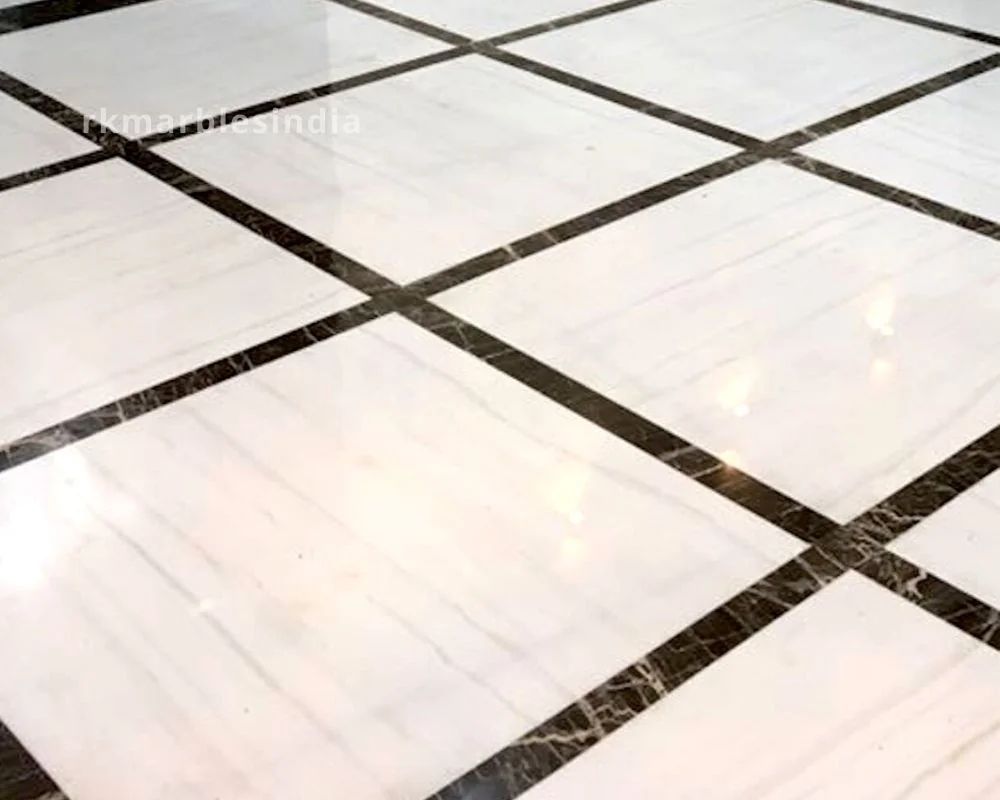
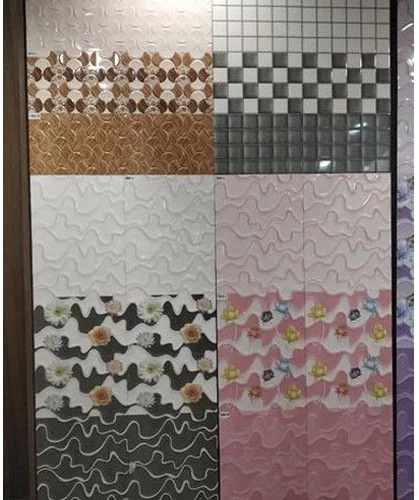
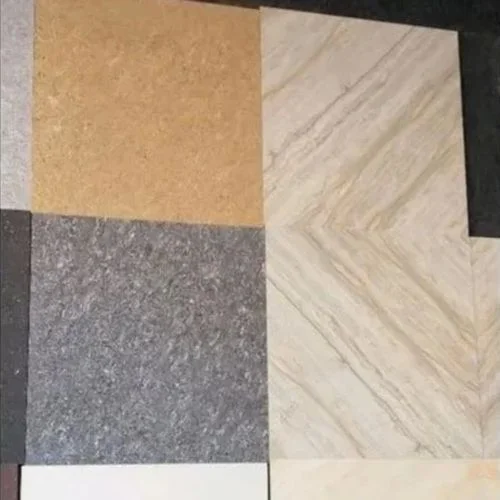
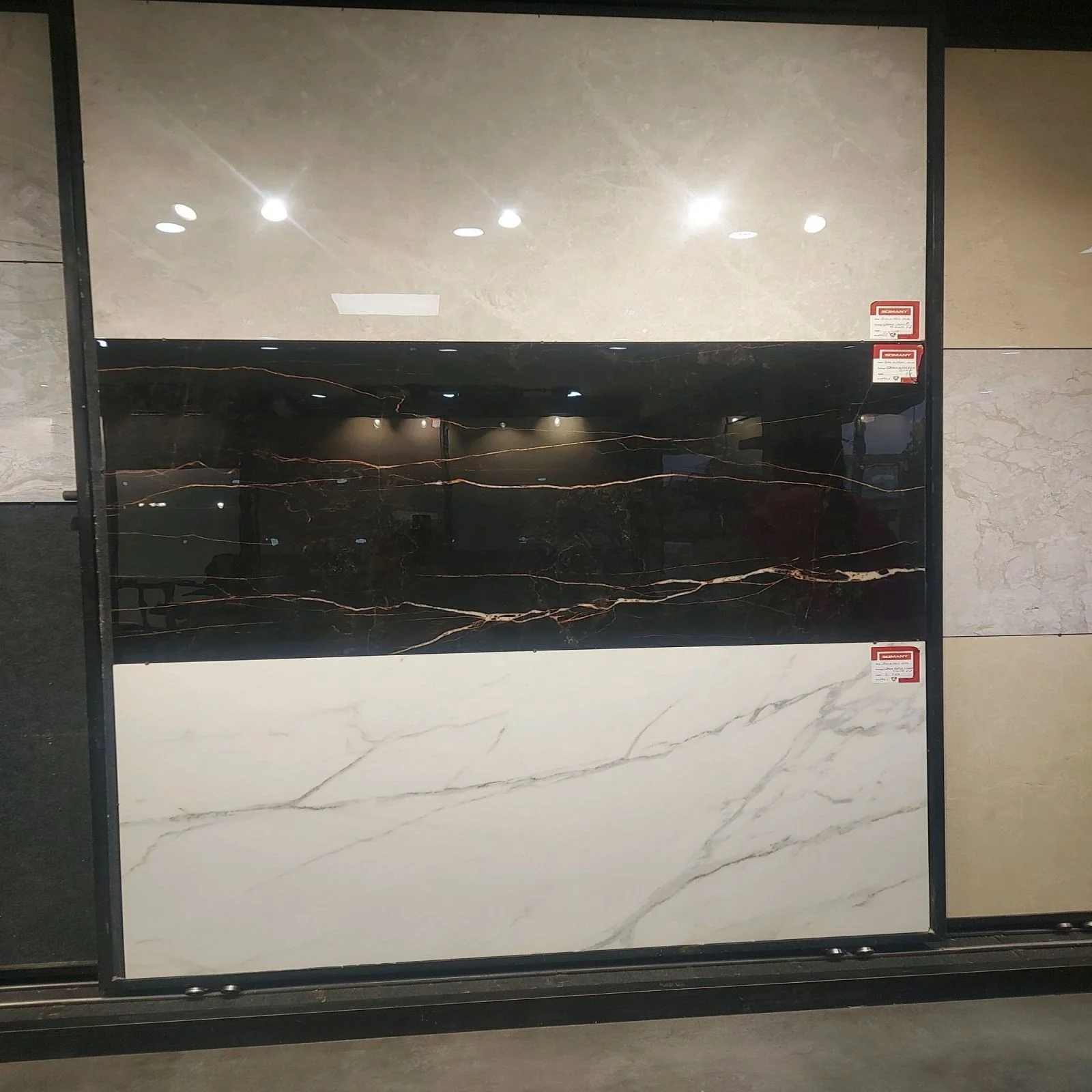
Katia’s catalogue features wall tiles (e.g., Wall Tile 60x30 dIceland, dCatania, dLuxuria) and a variety of floor tiles such as Floor Tile 60x60 dFortissimo (HS 6908.90, glazed ceramic), Floor Tile 60x60 dGabrieli (HS 6907.23, ceramic), and natural stone Floor Tile 33x33 Sandstone (HS 6802.92). The product set also includes pool‑grade mosaics and porcelain variants like Floor Tile 60x60 dCanzona (HS 6907.21). In the ceramic tile industry, buyers typically assess PEI (Porcelain Enamel Institute) ratings from 1 to 5, water absorption below 0.5 % for porcelain, and compliance with ISO 13006 for dimensions and surface quality. Common specifications also cover slip resistance (ASTM C1028 or EN 14411), frost resistance for outdoor tiles, and glaze hardness measured by the Mohs scale. Indonesian tile exporters often provide options in matte, polished, and textured finishes, with standard thicknesses ranging from 8 mm to 12 mm.
Trade and Export Information - Katia
Indonesia is a recognized exporter of ceramic and natural stone tiles, with the majority of shipments destined for markets in Southeast Asia, the Middle East, Europe and the United States. HS 6907 covers glazed ceramic tiles, while HS 6908 applies to other ceramic tiles and HS 6802 to natural stone, and customs authorities in importing countries frequently request a detailed HS‑code breakdown for tariff assessment. Buyers usually require certifications such as ISO 9001 quality management, ISO 14001 environmental management, and CE marking for compliance with EU safety standards; some importers also ask for test reports aligned with ASTM or EN specifications. Standard export logistics involve palletizing tiles on Euro pallets, loading them into 20‑foot or 40‑foot containers, and using FOB or CIF Incoterms. Indonesia’s export procedures include a certificate of origin and, for natural stone, a mineral inspection report, but no phytosanitary certificates are needed for ceramic products.
Sourcing from Katia - Buyer Guidance
When sourcing from Katia, buyers should request a product data sheet that lists dimensions, material composition, glaze type, water absorption percentage and the applicable PEI rating. Sample tiles are commonly offered for verification of colour, surface texture and dimensional tolerances before full‑scale orders. It is advisable to obtain mill test reports confirming compliance with ISO 13006, as well as any available CE Declaration of Conformity or ISO 9001 certificates, and to verify that the HS code on the commercial invoice matches the specific tile material. Typical minimum order quantities for Indonesian tile exporters range from 5 000 to 10 000 pieces, with lead times of 30‑45 days depending on the finish and packaging requirements.
Frequently Asked Questions About Katia
What tile sizes does Katia list in its catalogue?
Katia lists wall tiles in a 60 × 30 cm format and floor tiles mainly in 60 × 60 cm, with additional sizes of 33 × 33 cm and 30 × 30 cm for mosaic or pool applications.
Which HS codes are associated with Katia’s products?
The catalogue links floor tiles to HS 6907 (e.g., 6907.21, 6907.23) for glazed ceramic, HS 6908 (e.g., 6908.90) for other ceramic tiles, and HS 6802.92 for natural sandstone tiles.
What materials are used in Katia’s floor tiles?
Materials include glazed ceramic, porcelain, standard ceramic, and natural sandstone, with specific entries noting glazed porcelain ceramic or glazed ceramic tile constructions.
Are there industry standards that Katia’s tiles should meet?
Typical standards for ceramic tiles include ISO 13006 for dimensions and tolerances, PEI ratings for wear resistance, and ASTM C1028 or EN 14411 for slip resistance. Porcelain tiles also commonly meet water absorption limits of less than 0.5 %.
What certifications should a buyer request from Katia?
Buyers usually request ISO 9001 quality‑management certification, any CE Declaration of Conformity for EU markets, and mill test reports that verify compliance with ISO 13006 or relevant ASTM/EN standards.
How are Katia’s tiles packaged for export?
Tiles are typically palletized on Euro pallets, wrapped to protect glaze, and loaded into 20‑foot or 40‑foot containers. Packaging specifications often include moisture‑resistant liners and corner protectors.
What are typical lead times and minimum order quantities for Katia’s tiles?
Lead times generally range from 30 to 45 days after order confirmation, and minimum order quantities are commonly between 5 000 and 10 000 pieces, depending on the tile type and finish.
Which markets commonly import tiles like those offered by Katia?
Key import markets for Indonesian ceramic and stone tiles include Southeast Asian neighbours, the GCC countries in the Middle East, European nations such as Germany and the Netherlands, and North American buyers in the United States and Canada.




 , Indonesia