Kal Strategies — Verified Supplier

About Kal Strategies - Floor Tiles Supplier in United States

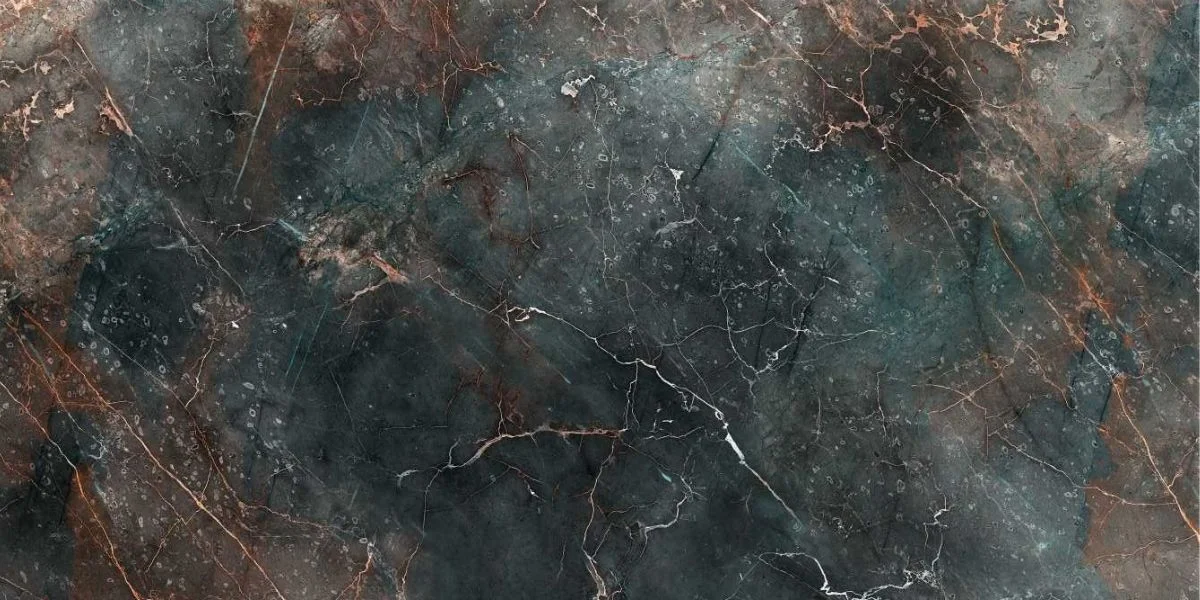
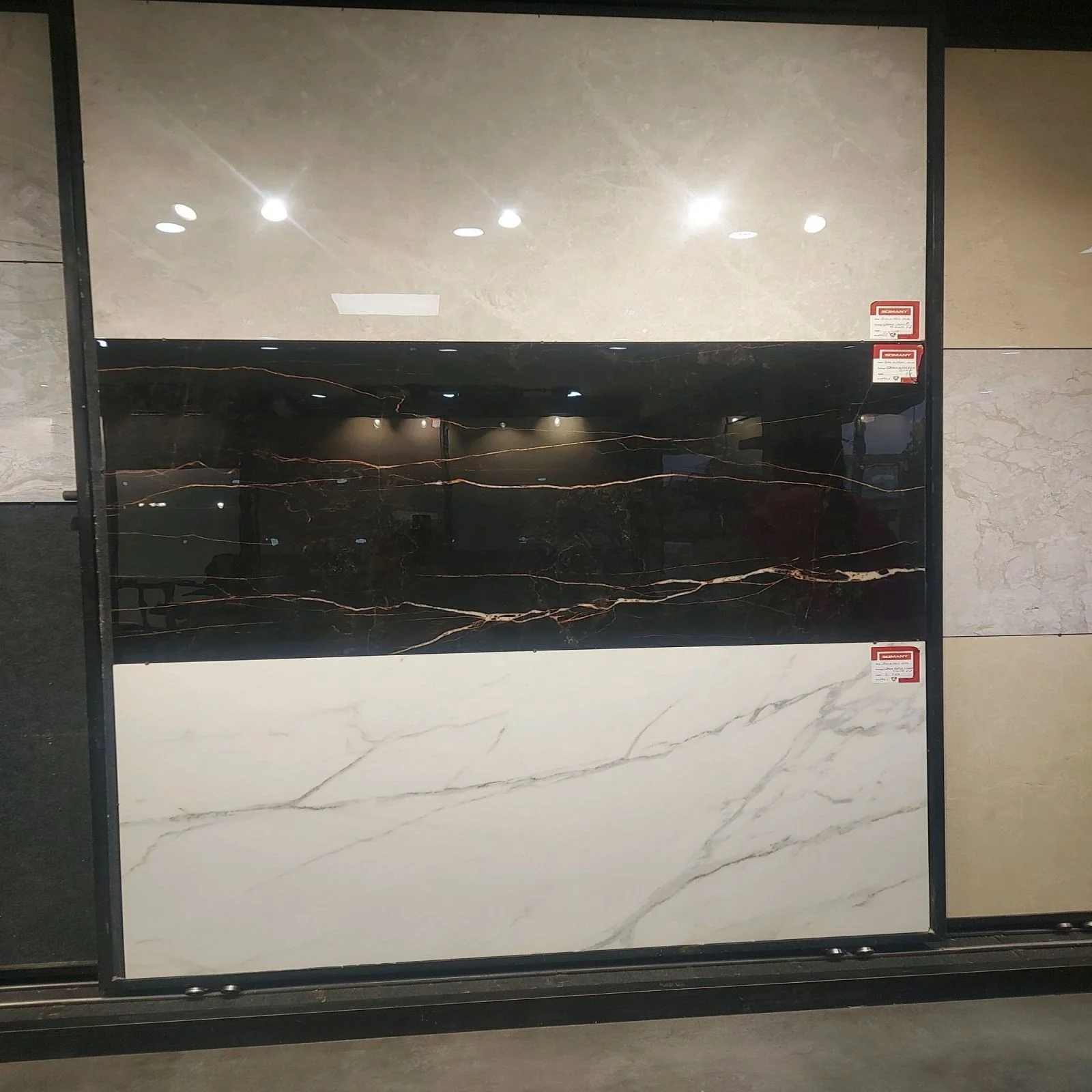
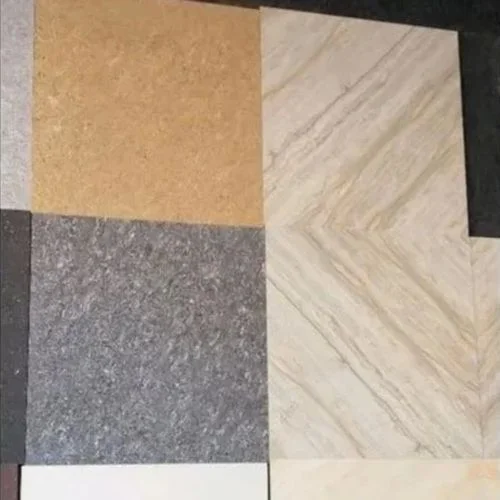
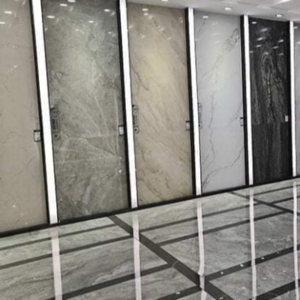
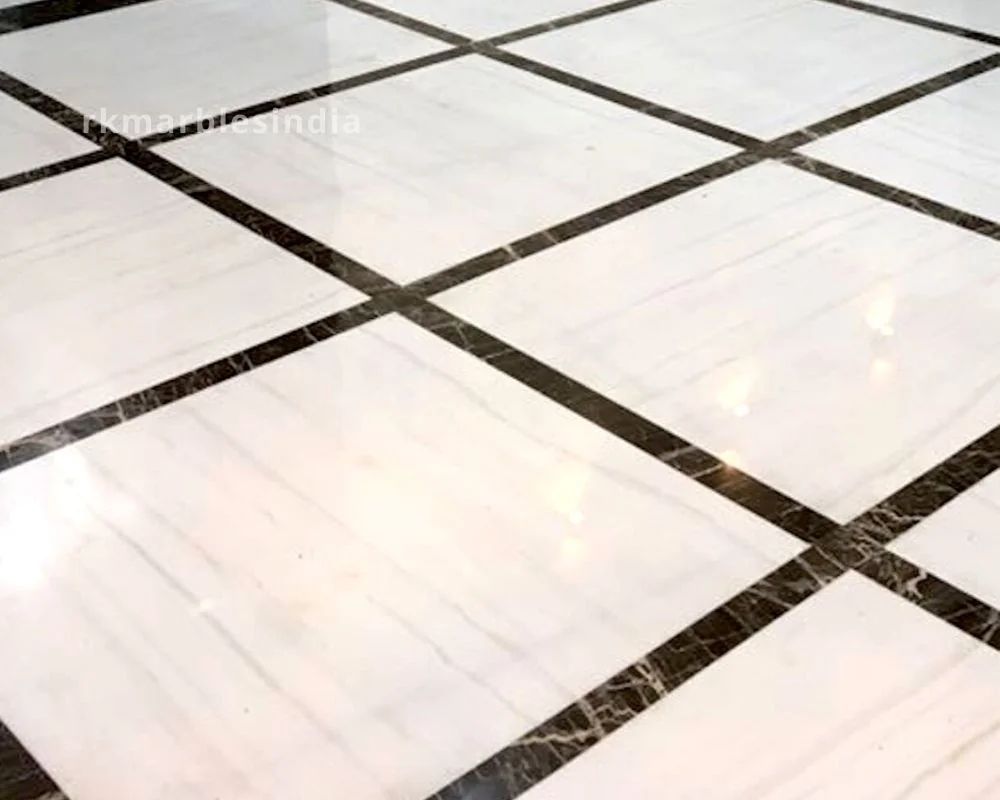
Based in the United States, Kal Strategies lists five active products in its catalogue. The supplier’s portfolio spans the floor‑tile segment, with specific focus on porcelain tiles and natural stone such as marble and granite. The five products - Porcelain / Vitrified Tile, Abu Dhabi Grey, Jakarta Gold, Jordan Cream and Riyad Palace - are presented under the broader categories of floor tiles, porcelain tiles and marble & granite. These items fall under HS Chapter 69, which covers ceramic tiles (e.g., HS 6907 for glazed tiles and HS 6908 for unglazed or vitrified tiles). The catalogue does not provide individual HS codes, but the product family aligns with the standard tariff headings for tile products.

The porcelain and vitrified tile offering is typical of Class I ceramic tiles with water absorption below 0.5 % and a PEI rating ranging from 3 to 5 for commercial flooring. Natural‑stone entries such as marble and granite are usually graded by grade A or B, with typical thicknesses of 10‑20 mm and surface finishes ranging from polished to honed. The designs named Abu Dhabi Grey, Jakarta Gold, Jordan Cream and Riyad Palace refer to colour or pattern variations that buyers evaluate for aesthetic compatibility. Standard dimensions for US‑origin tiles include 300 × 300 mm, 600 × 600 mm and larger formats up to 800 × 800 mm, although exact sizes must be confirmed per product. All listed items are intended for interior flooring applications in residential, commercial or hospitality projects.

Product Range and Specialties of Kal Strategies

Kal Strategies’ catalogue contains a single material class - porcelain/vitrified ceramic tile - presented through five named designs: Porcelain / Vitrified Tile, Abu Dhabi Grey, Jakarta Gold, Jordan Cream and Riyad Palace. In the industry, porcelain tiles are classified as low‑porosity, vitrified products that meet ASTM C373 water‑absorption limits and are often rated under the PEI scale for abrasion resistance. Typical grades for such tiles include Class I compliance, water absorption ≤0.5 %, and a slip‑resistance coefficient of 0.5 - 0.6 for polished finishes. Buyers also look for uniformity in colour, dimensional tolerance of ±1 mm and thickness tolerance of ±0.2 mm. While the catalogue does not list marble or granite as separate SKUs, the top‑level category includes these natural stones, which industry standards grade by vein consistency, hardness (Mohs 6 - 7) and surface finish. Common specifications for marble and granite slabs include thicknesses of 12 - 30 mm, surface flatness within 1 mm per 2 m, and a polish grade measured by gloss units of 70‑80 for high‑gloss finishes.

Trade and Export Information - Kal Strategies

United States tile exporters typically ship to the Middle East, Europe, and Southeast Asian markets, where demand for high‑grade porcelain and natural stone remains strong. The relevant tariff headings are HS 6907 for glazed ceramic tiles, HS 6908 for unglazed or vitrified tiles, and HS 6802 for natural stone slabs. Export shipments are usually packed on Euro‑pallets, with a 20‑foot container accommodating approximately 800 m² of 600 × 600 mm tiles or 30‑35 tonnes of stone slabs. Common Incoterms are FOB US ports such as Los Angeles or Savannah, and CIF to regional hubs like Dubai or Rotterdam. Buyers often require ISO 9001 quality‑management certification, ASTM C1026 compliance for glazed tiles, and CE marking for EU destinations. US exporters also adhere to EPA lead‑content limits and may provide a Material Safety Data Sheet for stone products.

Sourcing from Kal Strategies - Buyer Guidance

Prospective buyers should request a detailed product data sheet that includes tile dimensions, thickness, water‑absorption percentage, PEI rating and slip‑resistance values. Samples of the named designs - Abu Dhabi Grey, Jakarta Gold, Jordan Cream and Riyad Palace - enable verification of colour consistency and surface finish before bulk ordering. Verification of certifications such as ISO 9001, ASTM test reports (e.g., C373 for absorption, C1026 for glaze) and any CE documentation is advisable to confirm compliance with target market regulations. Buyers should also confirm packaging details, pallet configuration and container load plans to ensure efficient logistics. Where natural stone is involved, a slab‑quality report covering grade, hardness, flatness and surface gloss should be examined.

Frequently Asked Questions About Kal Strategies

How can I obtain the PEI rating for Kal Strategies’ porcelain tiles?

Request the product specification sheet; the sheet normally lists the PEI (Porcelain Enamel Institute) abrasion rating, which for Class I tiles ranges from 3 to 5. The rating is determined by ASTM C944 testing.

Are the tiles compliant with US EPA lead‑content regulations?

US‑origin ceramic tiles must meet the EPA limit of 0.06 % lead in the glaze. Ask the supplier for a lead‑content test report or a certification of compliance.

What HS codes apply to the items listed in the catalogue?

The porcelain/vitrified tiles fall under HS 6907 (glazed) or HS 6908 (unglazed) in Chapter 69, while any marble or granite slabs would be classified under HS 6802 in Chapter 68. The exact sub‑heading depends on the finish and material.

What are typical minimum order quantities for the listed designs?

For tiled flooring, exporters often set a MOQ of one full 20‑foot container, which equals roughly 800 m² of 600 × 600 mm tiles. Small sample orders of a few pallets can be arranged for testing.

Which certifications should I verify before placing an order?

Commonly required documents include ISO 9001 quality‑management certification, ASTM C1026 compliance for glazed tiles, CE conformity for EU shipments, and a lead‑free declaration per EPA standards. Request copies of these certificates with the quotation.

What packaging and shipping methods are used for these tiles?

Tiles are typically palletised on Euro‑pallets with shrink‑wrap protection, loaded into 20‑ft or 40‑ft containers. The supplier can ship FOB from US ports; buyers often arrange CIF to the destination port.

How long is the typical lead time for a full container order?

Lead times for US tile manufacturers range from 30 to 45 days after receipt of a confirmed purchase order and payment of the deposit, subject to production scheduling and export documentation.


Featured Products from this Supplier

Other Suppliers in Primary Category

Top Trusted Suppliers

Related Products

Trending in Parent Category

More Suppliers in Category

Related Products

Other Suppliers

EximNext
58.5K+ live requirements
Register Free🎁 Reach verified global buyers
Post Requirement
🌍 Trusted by 224.6K+ businesses in 200+ countries|
58.5K+ active requirements right now
✉️ [email protected]
|
Sell on EximNextPost Requirement
EximNext
AgricultureApparelConstructionElectronicFoodHomeIndustrialMineralsMiscellaneous
🔥 Deals|✨ AI Match|🏭 Suppliers|📋 Buy Leads|💰 Trade Finance
58.5K+ live RFQs·194.6K+ suppliers
🎁 Reach global buyers →
EximNext
EximNext
Register Free
🎁 Reach verified global buyers
Sign In
📋Post Requirement💬Get QuotesAI Match📋RFQ Marketplace
All Categories
Services & Tools
🏭Supplier Directory🔥Today's Deals💰Trade Finance
Sell on EximNext
AboutContactBlogHelp
🏭

Kal Strategies

Harbor
Country flag , United States
🛡️
54/100
Trust Score

Kal Strategies Product Catalog

Showing 5 of 5 products
View all products →
Jakarta Gold
Harbor
Jakarta Gold
Contact
MOQ: 1 Unit
Jordan Cream
Harbor
Jordan Cream
Contact
MOQ: 1 Unit
Riyad Palace
Harbor
Riyad Palace
Contact
MOQ: 1 Unit
Porcelain / Vitrified Tile
Harbor
Porcelain / Vitrified Tile
Contact
MOQ: 1 Unit
Abu Dhabi Grey
Harbor
Abu Dhabi Grey
Contact
MOQ: 1 Unit

About Kal Strategies - Floor Tiles Supplier in United States

Based in the United States, Kal Strategies lists five active products in its catalogue. The supplier’s portfolio spans the floor‑tile segment, with specific focus on porcelain tiles and natural stone such as marble and granite. The five products - Porcelain / Vitrified Tile, Abu Dhabi Grey, Jakarta Gold, Jordan Cream and Riyad Palace - are presented under the broader categories of floor tiles, porcelain tiles and marble & granite. These items fall under HS Chapter 69, which covers ceramic tiles (e.g., HS 6907 for glazed tiles and HS 6908 for unglazed or vitrified tiles). The catalogue does not provide individual HS codes, but the product family aligns with the standard tariff headings for tile products.

The porcelain and vitrified tile offering is typical of Class I ceramic tiles with water absorption below 0.5 % and a PEI rating ranging from 3 to 5 for commercial flooring. Natural‑stone entries such as marble and granite are usually graded by grade A or B, with typical thicknesses of 10‑20 mm and surface finishes ranging from polished to honed. The designs named Abu Dhabi Grey, Jakarta Gold, Jordan Cream and Riyad Palace refer to colour or pattern variations that buyers evaluate for aesthetic compatibility. Standard dimensions for US‑origin tiles include 300 × 300 mm, 600 × 600 mm and larger formats up to 800 × 800 mm, although exact sizes must be confirmed per product. All listed items are intended for interior flooring applications in residential, commercial or hospitality projects.

Product Range and Specialties of Kal Strategies

Kal Strategies’ catalogue contains a single material class - porcelain/vitrified ceramic tile - presented through five named designs: Porcelain / Vitrified Tile, Abu Dhabi Grey, Jakarta Gold, Jordan Cream and Riyad Palace. In the industry, porcelain tiles are classified as low‑porosity, vitrified products that meet ASTM C373 water‑absorption limits and are often rated under the PEI scale for abrasion resistance. Typical grades for such tiles include Class I compliance, water absorption ≤0.5 %, and a slip‑resistance coefficient of 0.5 - 0.6 for polished finishes. Buyers also look for uniformity in colour, dimensional tolerance of ±1 mm and thickness tolerance of ±0.2 mm. While the catalogue does not list marble or granite as separate SKUs, the top‑level category includes these natural stones, which industry standards grade by vein consistency, hardness (Mohs 6 - 7) and surface finish. Common specifications for marble and granite slabs include thicknesses of 12 - 30 mm, surface flatness within 1 mm per 2 m, and a polish grade measured by gloss units of 70‑80 for high‑gloss finishes.

Trade and Export Information - Kal Strategies

United States tile exporters typically ship to the Middle East, Europe, and Southeast Asian markets, where demand for high‑grade porcelain and natural stone remains strong. The relevant tariff headings are HS 6907 for glazed ceramic tiles, HS 6908 for unglazed or vitrified tiles, and HS 6802 for natural stone slabs. Export shipments are usually packed on Euro‑pallets, with a 20‑foot container accommodating approximately 800 m² of 600 × 600 mm tiles or 30‑35 tonnes of stone slabs. Common Incoterms are FOB US ports such as Los Angeles or Savannah, and CIF to regional hubs like Dubai or Rotterdam. Buyers often require ISO 9001 quality‑management certification, ASTM C1026 compliance for glazed tiles, and CE marking for EU destinations. US exporters also adhere to EPA lead‑content limits and may provide a Material Safety Data Sheet for stone products.

Sourcing from Kal Strategies - Buyer Guidance

Prospective buyers should request a detailed product data sheet that includes tile dimensions, thickness, water‑absorption percentage, PEI rating and slip‑resistance values. Samples of the named designs - Abu Dhabi Grey, Jakarta Gold, Jordan Cream and Riyad Palace - enable verification of colour consistency and surface finish before bulk ordering. Verification of certifications such as ISO 9001, ASTM test reports (e.g., C373 for absorption, C1026 for glaze) and any CE documentation is advisable to confirm compliance with target market regulations. Buyers should also confirm packaging details, pallet configuration and container load plans to ensure efficient logistics. Where natural stone is involved, a slab‑quality report covering grade, hardness, flatness and surface gloss should be examined.

Frequently Asked Questions About Kal Strategies

How can I obtain the PEI rating for Kal Strategies’ porcelain tiles?

Request the product specification sheet; the sheet normally lists the PEI (Porcelain Enamel Institute) abrasion rating, which for Class I tiles ranges from 3 to 5. The rating is determined by ASTM C944 testing.

Are the tiles compliant with US EPA lead‑content regulations?

US‑origin ceramic tiles must meet the EPA limit of 0.06 % lead in the glaze. Ask the supplier for a lead‑content test report or a certification of compliance.

What HS codes apply to the items listed in the catalogue?

The porcelain/vitrified tiles fall under HS 6907 (glazed) or HS 6908 (unglazed) in Chapter 69, while any marble or granite slabs would be classified under HS 6802 in Chapter 68. The exact sub‑heading depends on the finish and material.

What are typical minimum order quantities for the listed designs?

For tiled flooring, exporters often set a MOQ of one full 20‑foot container, which equals roughly 800 m² of 600 × 600 mm tiles. Small sample orders of a few pallets can be arranged for testing.

Which certifications should I verify before placing an order?

Commonly required documents include ISO 9001 quality‑management certification, ASTM C1026 compliance for glazed tiles, CE conformity for EU shipments, and a lead‑free declaration per EPA standards. Request copies of these certificates with the quotation.

What packaging and shipping methods are used for these tiles?

Tiles are typically palletised on Euro‑pallets with shrink‑wrap protection, loaded into 20‑ft or 40‑ft containers. The supplier can ship FOB from US ports; buyers often arrange CIF to the destination port.

How long is the typical lead time for a full container order?

Lead times for US tile manufacturers range from 30 to 45 days after receipt of a confirmed purchase order and payment of the deposit, subject to production scheduling and export documentation.

About Kal Strategies - Floor Tiles Supplier in United States

Based in the United States, Kal Strategies lists five active products in its catalogue. The supplier’s portfolio spans the floor‑tile segment, with specific focus on porcelain tiles and natural stone such as marble and granite. The five products - Porcelain / Vitrified Tile, Abu Dhabi Grey, Jakarta Gold, Jordan Cream and Riyad Palace - are presented under the broader categories of floor tiles, porcelain tiles and marble & granite. These items fall under HS Chapter 69, which covers ceramic tiles (e.g., HS 6907 for glazed tiles and HS 6908 for unglazed or vitrified tiles). The catalogue does not provide individual HS codes, but the product family aligns with the standard tariff headings for tile products.

The porcelain and vitrified tile offering is typical of Class I ceramic tiles with water absorption below 0.5 % and a PEI rating ranging from 3 to 5 for commercial flooring. Natural‑stone entries such as marble and granite are usually graded by grade A or B, with typical thicknesses of 10‑20 mm and surface finishes ranging from polished to honed. The designs named Abu Dhabi Grey, Jakarta Gold, Jordan Cream and Riyad Palace refer to colour or pattern variations that buyers evaluate for aesthetic compatibility. Standard dimensions for US‑origin tiles include 300 × 300 mm, 600 × 600 mm and larger formats up to 800 × 800 mm, although exact sizes must be confirmed per product. All listed items are intended for interior flooring applications in residential, commercial or hospitality projects.

Product Range and Specialties of Kal Strategies

Kal Strategies’ catalogue contains a single material class - porcelain/vitrified ceramic tile - presented through five named designs: Porcelain / Vitrified Tile, Abu Dhabi Grey, Jakarta Gold, Jordan Cream and Riyad Palace. In the industry, porcelain tiles are classified as low‑porosity, vitrified products that meet ASTM C373 water‑absorption limits and are often rated under the PEI scale for abrasion resistance. Typical grades for such tiles include Class I compliance, water absorption ≤0.5 %, and a slip‑resistance coefficient of 0.5 - 0.6 for polished finishes. Buyers also look for uniformity in colour, dimensional tolerance of ±1 mm and thickness tolerance of ±0.2 mm. While the catalogue does not list marble or granite as separate SKUs, the top‑level category includes these natural stones, which industry standards grade by vein consistency, hardness (Mohs 6 - 7) and surface finish. Common specifications for marble and granite slabs include thicknesses of 12 - 30 mm, surface flatness within 1 mm per 2 m, and a polish grade measured by gloss units of 70‑80 for high‑gloss finishes.

Trade and Export Information - Kal Strategies

United States tile exporters typically ship to the Middle East, Europe, and Southeast Asian markets, where demand for high‑grade porcelain and natural stone remains strong. The relevant tariff headings are HS 6907 for glazed ceramic tiles, HS 6908 for unglazed or vitrified tiles, and HS 6802 for natural stone slabs. Export shipments are usually packed on Euro‑pallets, with a 20‑foot container accommodating approximately 800 m² of 600 × 600 mm tiles or 30‑35 tonnes of stone slabs. Common Incoterms are FOB US ports such as Los Angeles or Savannah, and CIF to regional hubs like Dubai or Rotterdam. Buyers often require ISO 9001 quality‑management certification, ASTM C1026 compliance for glazed tiles, and CE marking for EU destinations. US exporters also adhere to EPA lead‑content limits and may provide a Material Safety Data Sheet for stone products.

Sourcing from Kal Strategies - Buyer Guidance

Prospective buyers should request a detailed product data sheet that includes tile dimensions, thickness, water‑absorption percentage, PEI rating and slip‑resistance values. Samples of the named designs - Abu Dhabi Grey, Jakarta Gold, Jordan Cream and Riyad Palace - enable verification of colour consistency and surface finish before bulk ordering. Verification of certifications such as ISO 9001, ASTM test reports (e.g., C373 for absorption, C1026 for glaze) and any CE documentation is advisable to confirm compliance with target market regulations. Buyers should also confirm packaging details, pallet configuration and container load plans to ensure efficient logistics. Where natural stone is involved, a slab‑quality report covering grade, hardness, flatness and surface gloss should be examined.

Frequently Asked Questions About Kal Strategies
How can I obtain the PEI rating for Kal Strategies’ porcelain tiles?
Request the product specification sheet; the sheet normally lists the PEI (Porcelain Enamel Institute) abrasion rating, which for Class I tiles ranges from 3 to 5. The rating is determined by ASTM C944 testing.
Are the tiles compliant with US EPA lead‑content regulations?
US‑origin ceramic tiles must meet the EPA limit of 0.06 % lead in the glaze. Ask the supplier for a lead‑content test report or a certification of compliance.
What HS codes apply to the items listed in the catalogue?
The porcelain/vitrified tiles fall under HS 6907 (glazed) or HS 6908 (unglazed) in Chapter 69, while any marble or granite slabs would be classified under HS 6802 in Chapter 68. The exact sub‑heading depends on the finish and material.
What are typical minimum order quantities for the listed designs?
For tiled flooring, exporters often set a MOQ of one full 20‑foot container, which equals roughly 800 m² of 600 × 600 mm tiles. Small sample orders of a few pallets can be arranged for testing.
Which certifications should I verify before placing an order?
Commonly required documents include ISO 9001 quality‑management certification, ASTM C1026 compliance for glazed tiles, CE conformity for EU shipments, and a lead‑free declaration per EPA standards. Request copies of these certificates with the quotation.
What packaging and shipping methods are used for these tiles?
Tiles are typically palletised on Euro‑pallets with shrink‑wrap protection, loaded into 20‑ft or 40‑ft containers. The supplier can ship FOB from US ports; buyers often arrange CIF to the destination port.
How long is the typical lead time for a full container order?
Lead times for US tile manufacturers range from 30 to 45 days after receipt of a confirmed purchase order and payment of the deposit, subject to production scheduling and export documentation.

🏭
Kal Strategies
Country flag , United States
Harbor
54/100
Trust Score
📦
5
Products
Free to contact — no commission
Escrow payment available
Verified business identity
Compare more suppliers
Post a requirement — get 10 quotes free
Let verified suppliers compete for your business. Free, fast, no commitment.
EximNext Verified Supplier
Business identity verified
Physical address confirmed
Financial history checked
Certifications authenticated
Trade references validated
Due Diligence
Verify this supplier's real shipping history.
Every shipment, every buyer, every port. Trade data that can't be faked.
Run due diligence →
Discover More

Related Suppliers & Products

Explore similar suppliers, related products and trending categories

Featured Products from this Supplier

Other Suppliers in Primary Category

Top Trusted Suppliers

Related Products

Trending in Parent Category

More Suppliers in Category

Stay ahead in global trade
Weekly market insights & new supplier alerts.
EximNext
Exim Next is a leading global B2B marketplace, connecting over 205,000 verified suppliers and buyers across 200+ countries. As a trusted import export marketplace, it serves as the essential B2B portal for businesses worldwide, empowering them to expand their international reach. With Exim Next, businesses can trade smarter and grow faster.
SECURE PAYMENTS
VISAMastercardPayPalSWIFTL/CEscrow
Follow us
© 2026 EximNext