JS Trading — Supplier
About JS Trading - Stationery Supplier in Pakistan
JS Trading is based in Pakistan and currently lists seven active products. The supplier’s catalogue covers four primary categories: Stationery, Raw Jute, Fruit Juices, and Eyelashes. Additional items include tyre‑tube scrap and a Polo‑style T‑shirt, expanding the product mix beyond the core groups. Each listing is identified by its generic product name without detailed specifications in the public data. The company is classified as an imported supplier with a harbor trust tier.
Product Range and Specialties of JS Trading
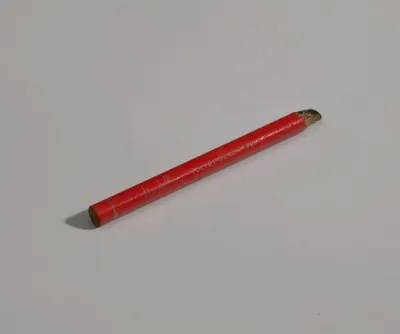
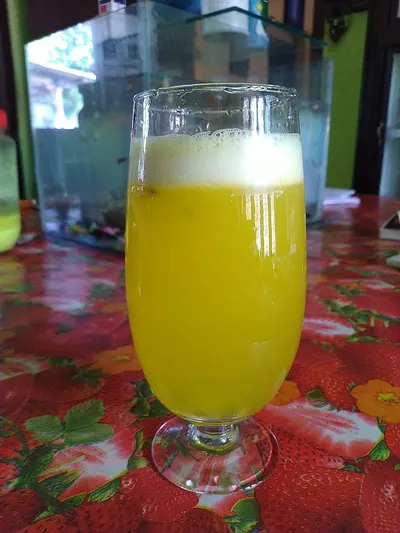
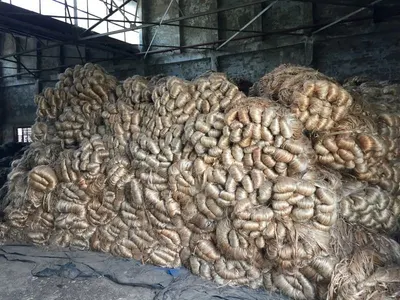
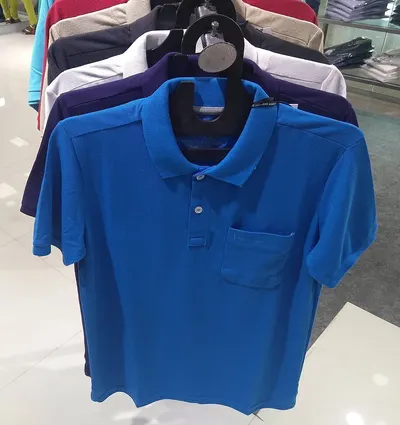
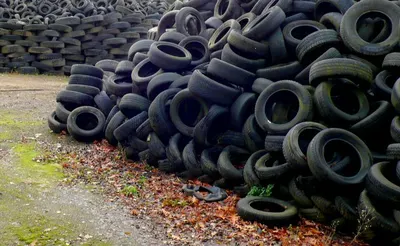
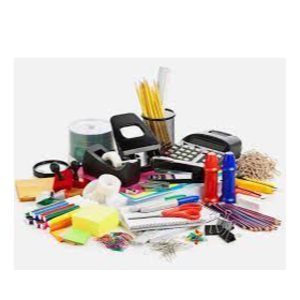
The catalogue shows a mix of raw material and finished‑goods items. The tyre‑tube scrap is typically steel‑wire scrap graded by tensile strength (e.g., 400‑500 MPa) and sold by weight in metric tonnes. The Polo T‑shirt is generally 100 % cotton with a fabric weight of 150‑180 g m⁻² and is supplied in standard adult sizes. Raw jute is usually graded by fiber length (2‑3 m) and moisture content (10‑12 %), and buyers often request a bulk density of 0.15‑0.20 t m⁻³. Rani Juice is a packaged fruit juice that in the trade is commonly pasteurised, with Brix values between 10‑12 % and compliance to HACCP or ISO 22000 food‑safety standards. The HB newspaper pencils and the 12‑colored set are wood‑cased, HB‑grade lead (≈0.7 mm diameter) and are typically packed in 1 000‑piece cartons. Korea eyelash extensions are synthetic fibers, usually 8‑15 mm in length, with a standard curl type and are supplied in sealed plastic trays.
Trade and Export Information - JS Trading
Pakistan’s export profile for the listed categories aligns with regional demand in the Middle East, Central Asia and parts of Africa. Stationery items such as pencils fall under HS chapter 96 (e.g., 9609) and are frequently shipped in 20‑ft containers with moisture‑resistant packaging. Raw jute is classified under HS 5301 and is largely exported to textile producers in Bangladesh, India and the EU, where certifications such as ISO 9001 and phytosanitary certificates are routinely requested. Fruit juices are covered by HS 2009; buyers typically require compliance with food‑safety standards (HACCP, ISO 22000) and may request lab analysis for sugar content and microbial limits. Eyelash extensions belong to HS 3306 and are subject to cosmetic‑product regulations, including safety data sheets and, where applicable, ISO 13485. Tyre‑tube scrap is coded under HS 7311 and is exported as recyclable steel, often under Incoterms CIF or FOB, with documentation for metal content and weight. Standard logistics involve container loading, palletisation, and, for perishable juice, temperature‑controlled containers (reefer).
Sourcing from JS Trading - Buyer Guidance
When sourcing from JS Trading, buyers should request product specifications that match the typical industry grades described above. For tyre‑tube scrap, ask for a tensile‑strength test report and a weight certificate; for raw jute, request fiber‑length analysis and moisture‑content results. Fruit‑juice orders should be accompanied by a HACCP or ISO 22000 compliance statement, a recent laboratory report showing Brix level and microbial limits, and a shelf‑life declaration. Pencil buyers normally ask for a lead‑hardness test, wood‑type certification and packaging dimensions. Eyelash extensions should be supplied with a safety data sheet, material‑origin declaration and a batch‑level adhesion test result. Verify that any required certifications (e.g., ISO 9001 for jute, ISO 13485 for cosmetics) are presented before finalising contracts.
Frequently Asked Questions About JS Trading
What HS codes apply to the products listed by JS Trading?
Tyre‑tube scrap is typically classified under HS 7311, Polo T‑shirts under HS 6109, raw jute under HS 5301, fruit juice under HS 2009, HB pencils under HS 9609 and coloured pencils under HS 9609.1, and eyelash extensions under HS 3306.
Which certifications should a buyer request for the raw jute product?
Buyers usually request an ISO 9001 quality‑management certificate, a phytosanitary certificate for export, and a laboratory report showing fiber length and moisture content.
What quality tests are standard for the HB newspaper pencils?
Standard tests include lead hardness (HB rating), lead diameter (≈0.7 mm), and a break‑strength test of the wooden casing. Test reports should be provided by an accredited lab.
How is fruit juice from JS Trading typically packaged for export?
Fruit juice is commonly packed in food‑grade PET bottles or Tetra Pak cartons, sealed, and placed in temperature‑controlled containers when shipped to distant markets.
What are the typical minimum order quantities (MOQ) for the eyelash extensions?
Eyelash extensions are often sold in trays of 100‑200 pieces; buyers generally place a first‑order of at least 1 000 pieces to cover sample and inventory needs.
Which documents are needed to clear the tyre‑tube scrap through customs?
Customs clearance usually requires a commercial invoice, a weight certificate, a metal‑content analysis report and the HS 7311 declaration on the packing list.
What lead time can a buyer expect for the Polo T‑shirt?
Production and shipment of a standard Polo T‑shirt from Pakistan typically takes 30‑45 days from order confirmation, depending on fabric availability and shipping terms.
What packaging format is used for the 12‑colored pencil set?
The 12‑colored set is normally packed in a cardboard box containing 1 000 sets, each set sealed in a shrink‑wrapped poly‑bag to protect the pigments during transit.




 , Pakistan