Jainson Lab India — Verified Supplier
About Jainson Lab India - Sulphur and Iron Ore Supplier in India
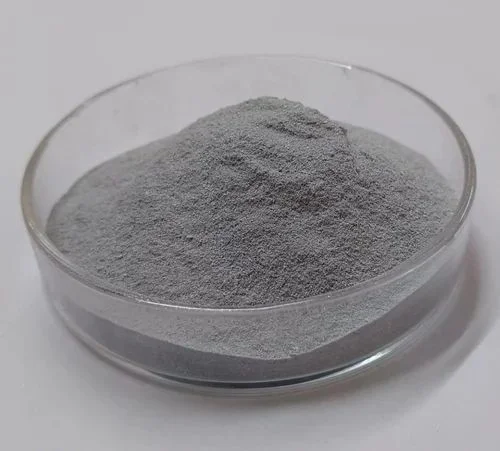
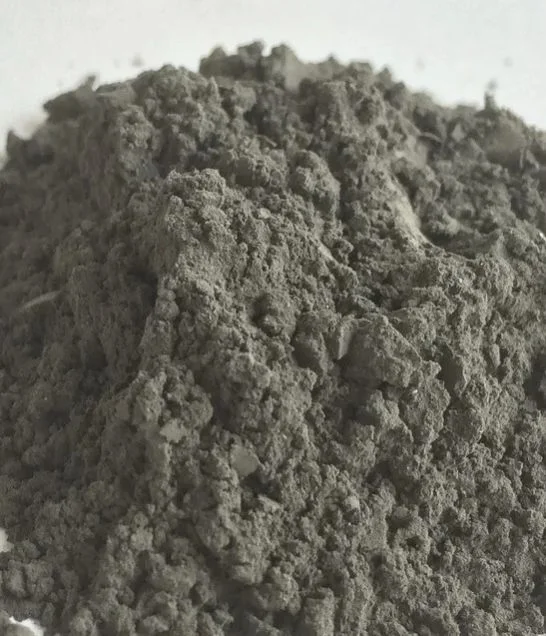
India hosts Jainson Lab India, a supplier that lists twelve distinct mineral products in its catalogue. The list includes Lead Chloride (HS 7804.11, PbCl₂), Iron Pyrite (HS 2601.11, FeS₂), Ferrous Sulphide Lumps (HS 2503.00, FeS with 28 % S average), Ferrous Sulphide Sticks (HS 7204.10, FeS), Iron Sulphide Powder (HS 2601.11, FeS powder), Sulphur Powder (no HS code provided), Zinc Sulphide (no HS code), Copper Iron Sulphide (HS 2603.00, CuFeS₂ chalcopyrite), Potassium Aluminium Fluoride Lumps and Powder (no HS codes), Sulphur Rolls and Sulphur Granules (no HS codes). Each entry specifies the material composition where available, such as the Fe‑balance and sulphur percentage for the ferrous sulphide items. The catalogue spans both bulk chemical forms (powders, rolls, granules) and shaped commodities (lumps, sticks).
Product Range and Specialties of Jainson Lab India
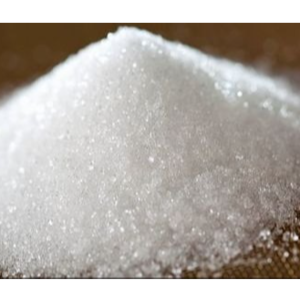
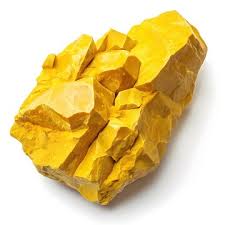
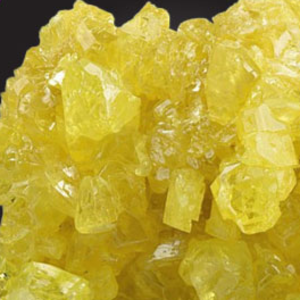
The catalogue covers sulphur in three physical forms - powder, rolls and granules - typically supplied with a minimum purity of 99.5 % and moisture below 0.5 %. Iron Pyrite is commonly graded by iron content (usually 44‑46 % Fe) and sulphur recovery potential, making it a standard feedstock for sulphuric acid production. Ferrous Sulphide products are offered as lumps, sticks or powder, with an average sulphur content of 28 % and iron balance, specifications that align with metallurgical smelting requirements. Lead Chloride is listed as PbCl₂, a compound frequently used in battery paste manufacturing and requires analysis for lead purity (typically >99 %). Copper Iron Sulphide (chalcopyrite) is supplied as CuFeS₂ with copper grades around 34 % and is a primary ore for copper extraction. Potassium Aluminium Fluoride, presented in lump and powder form, is used in specialty glass and ceramics, where particle size distribution (often ≤150 µm) is a key specification.
Trade and Export Information - Jainson Lab India
Exporters of sulphur and metal sulfides from India primarily serve fertilizer producers in China, metallurgical plants in the Middle East, and chemical manufacturers in the European Union. The HS‑code families in the catalogue (HS 25 for sulphur, HS 26 for metal sulfides, HS 78 for lead compounds, HS 72 for iron products) are routinely inspected under Indian customs regulations and often require a Certificate of Analysis and a Material Safety Data Sheet for customs clearance. Typical buyers request ISO 9001 or SGS inspection certificates, especially when the destination market enforces REACH or EU heavy‑metal limits. Products are usually packed in moisture‑proof polypropylene bags (25 kg) or bulk drums (500 kg) and shipped in 20‑ft or 40‑ft containers under FOB or CIF terms. Indian export logistics for these commodities include pre‑shipment laboratory testing, compliance with the Ministry of Commerce’s export documentation, and coordination with port authorities for HS‑code verification.
Sourcing from Jainson Lab India - Buyer Guidance
Buyers should request a current Certificate of Analysis that details purity, moisture, particle size and elemental composition for each mineral, together with an up‑to‑date MSDS. For Lead Chloride and any lead‑containing material, verification of lead‑content limits and lead‑free packaging claims is advisable, especially for EU destinations subject to RoHS. Samples of at least 5 kg for powders or 10 kg for lumped forms allow independent testing before a full order. Typical minimum order quantities range from one to two metric tonnes per shipment, with a lead time of 30‑45 days after order confirmation, depending on production scheduling and export documentation. Packaging should be inspected for sealed, moisture‑resistant bags and proper labeling of HS codes to avoid customs delays.
Frequently Asked Questions About Jainson Lab India
What HS codes are associated with Jainson Lab India's sulphur products?
The catalogue does not list a specific HS code for Sulphur Powder, Rolls or Granules, but they fall under HS Chapter 25 (commonly HS 2501 for elemental sulphur). The other listed minerals use the HS codes shown in the catalogue: 7804.11 for Lead Chloride, 2601.11 for Iron Pyrite and Iron Sulphide Powder, 2503.00 for Ferrous Sulphide Lumps, 7204.10 for Ferrous Sulphide Sticks, and 2603.00 for Copper Iron Sulphide.
Which documents should a buyer request for the Iron Pyrite product?
Buyers should ask for a Certificate of Analysis showing iron and sulphur percentages, an MSDS outlining handling precautions, and, if required by the destination market, an SGS inspection report confirming compliance with HS 2601.11 specifications.
Are there typical quality grades for Zinc Sulphide supplied from India?
Zinc Sulphide is generally supplied with a purity of 98‑99 % ZnS and moisture below 1 %. Buyers usually request an assay report that includes zinc content, particle size distribution (often ≤200 µm), and any impurity limits such as cadmium or lead.
What packaging formats are used for the Ferrous Sulphide Stick product?
Ferrous Sulphide Sticks are typically packed in sealed, moisture‑proof polypropylene bags of 25 kg each, stacked on pallets for transport in 20‑ft or 40‑ft containers. The packaging is labeled with the HS code 7204.10 and includes the product’s sulphur percentage (≈28 %).
Which certifications are commonly required for Lead Chloride exports to the EU?
EU importers normally require an ISO 9001 quality system certificate, a current Certificate of Analysis, an MSDS, and a REACH registration declaration for lead compounds. An independent laboratory test report confirming lead purity (>99 %) is also standard.
What is the typical lead time and MOQ for Copper Iron Sulphide (Chalcopyrite)?
Suppliers in India usually set a minimum order quantity of one metric tonne for chalcopyrite, with a lead time of 30‑45 days after order confirmation, allowing time for assay testing, packaging, and export documentation.
How are Potassium Aluminium Fluoride products usually shipped?
Both the lump and powder forms are packed in airtight fibre‑board boxes or bulk drums, each container marked with the appropriate HS code (if assigned) and weight. Shipping is arranged in 20‑ft or 40‑ft containers under FOB or CIF terms, with moisture‑resistant sealing to preserve product integrity.
What inspection or testing is advisable before accepting a shipment of Sulphur Granules?
Buyers should request a laboratory analysis confirming sulphur purity (minimum 99.5 %), moisture content (≤0.5 %), and particle size (granule size distribution, typically 2‑5 mm). An MSDS and a third‑party inspection certificate (e.g., SGS) provide additional assurance of compliance with import regulations.




 , India