Agriculture›
 Apparel and fashion accessories›
 Construction & real estate›💡Electronic & Electrical›🍎Food & Beverages›🛋️Home furnishing & supplies›⚗️Industrial goods & chemical›🪨Minerals & metals›📦Miscellaneous›Agriculture›Apparel and fashion accessories›Construction & real estate›💡Electronic & Electrical›🍎Food & Beverages›🛋️Home furnishing & supplies›⚗️Industrial goods & chemical›🪨Minerals & metals›📦Miscellaneous›
Hokk Mese Gida Tarim Ltd. Sti.
⚓ Harbor , TurkeyNew supplier / no reviews yet
Hokk Mese Gida Tarim Ltd. Sti. Product Catalog



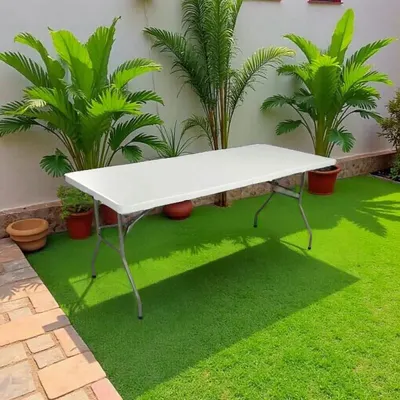
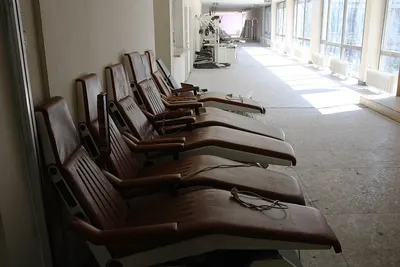

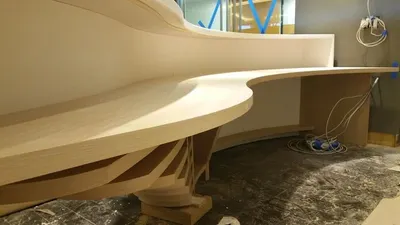
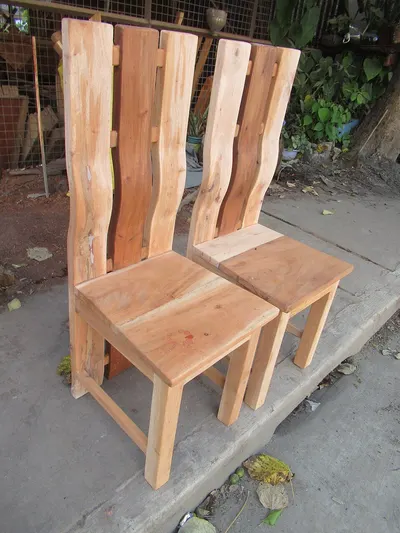
About Hokk Mese Gida Tarim Ltd. Sti. - Canned Vegetables and Wooden Furniture Supplier in Turkey
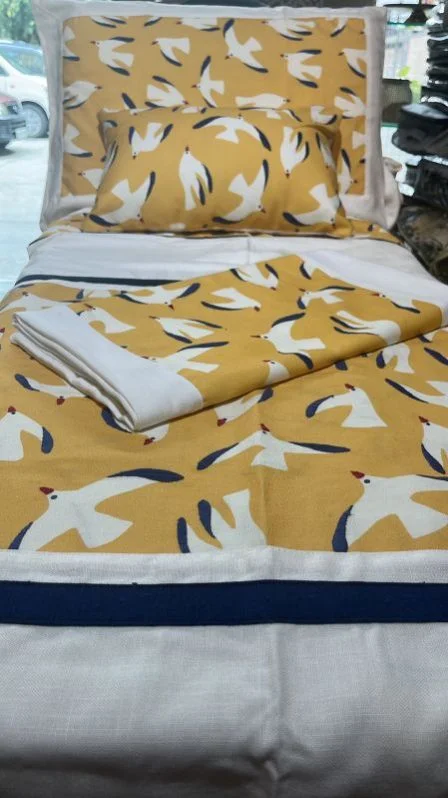
Hokk Mese Gida Tarim Ltd. Sti. is a Turkey-based exporter operating with an active catalogue of 23 products, listed across seven top categories that span processed food and wood-based goods: Canned Vegetables, Wooden Furniture, Bed Linens and Bed Sheets, Cabinets, Wall Finishes, Wooden Barrel, and Wooden Products. The catalogue is heavily weighted toward solid-wood furniture and home accessories, with 19 of the 23 listings being wood-based items such as tables, chairs, beds, cabinets, sunbeds, wall covers, monolithic oak works, barrels, and a wooden lampshade. Two textile and food entries complete the range: a single bed linen under HS code 6302.10 (100% cotton or cotton-polyester blend) and a canned vegetable line that gives the company its name's "Gida Tarim" (food and agriculture) identity. The mix places this supplier at the intersection of Turkey's well-established processed-food export sector and its traditional furniture-making regions, where oak (Quercus robur) and beech are the dominant hardwoods used in household and hospitality furniture.
The product spread covers several distinct HS code families: wooden bedroom and dining furniture falls under HS 9403 (with subheadings 9403.50 for wooden beds and 9403.60 for wooden cabinets), bed linens sit in HS 6302, and canned vegetables are typically classified in HS chapter 20/21 depending on preparation. The catalogue specifies solid oak and beech wood for the cabinets, oak and beech for the double bed, and solid Quercus robur oak for the oak barrel cupboard and cabinet, indicating a clear preference for European-style hardwoods rather than softwood or MDF alternatives. The single bed linen entry covers a category that, in Turkish mills, is commonly woven in percale, satin, or jersey constructions with thread counts typically ranging from 144 to 400. The canned vegetable line, although not detailed at the product level in the catalogue, sits within a Turkish export segment where processed tomatoes, peppers, cucumbers, and okra are the dominant SKUs shipped abroad.
Product Range and Specialties of Hokk Mese Gida Tarim Ltd. Sti.
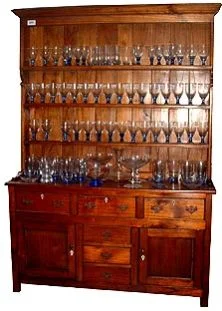
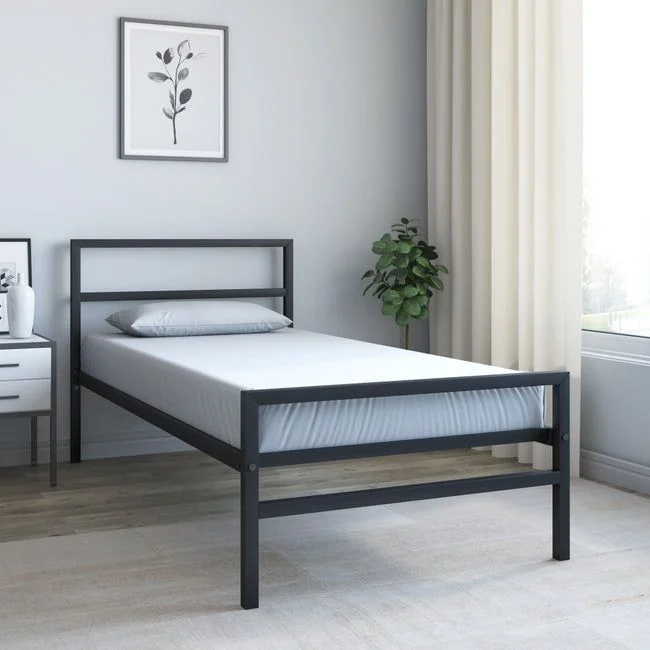
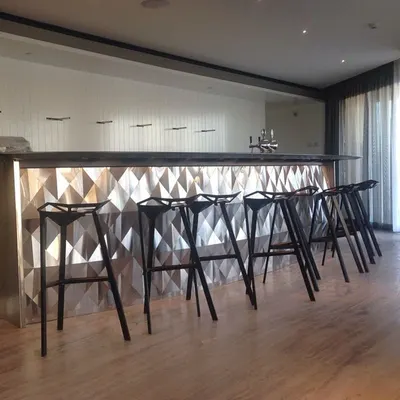
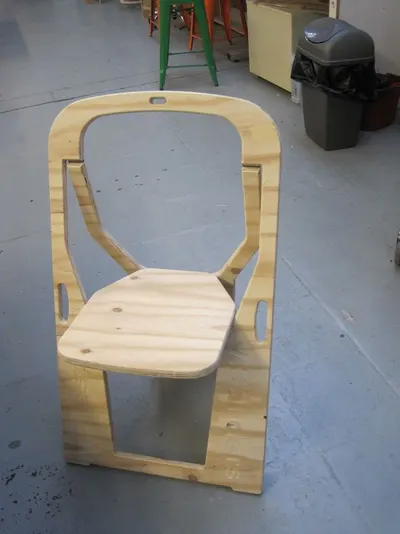
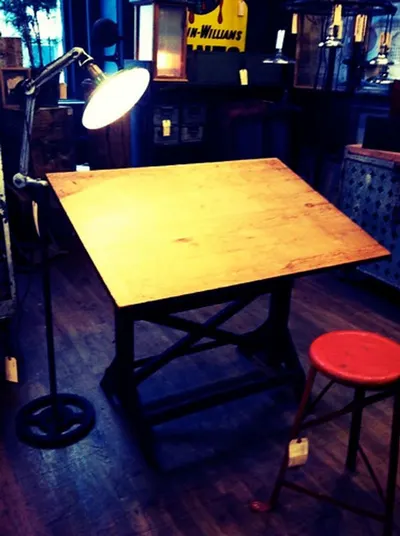
The furniture portion of the catalogue is built around solid oak and beech hardwoods, with named items including the Tek Kisilik Masa Table, Lata Table 03 and 04, the Oak Confectionary Table, the Outdoor Table, and the Square Table 02, alongside seating such as the Beech Chair 01 and 02, the Bar Chair and Bar Chair 02, and the Restlong 01 Sunbed. Bedroom pieces include the Single Bed (HS 6302.10 for the linen component, in 100% cotton or cotton-polyester blend) and the Double Bed (HS 9403.50, oak and beech wood), while storage and architectural pieces include the Cabinet (HS 9403.60, solid oak and beech), the Oak Barrel Cupboard and Cabinet (HS 9403.60, solid Quercus robur oak), the Oak Barrel 02, three Monolithic Oak Work pieces (02, 03, and 04), and two Wall Cover entries. A Wooden Lampshade rounds out the wood-based assortment. Buyers of Turkish solid-wood furniture typically evaluate moisture content (target 8-12% for indoor use), kiln-drying method, joinery (mortise-and-tenon, dovetail), finish type (lacquer, oil, wax), and conformity with formaldehyde emission class E1 or E2 under EN 13986 for wood-based panels.
For the textile entry, single bed linens under HS 6302.10 are commonly traded in standard sizes (single 90x200 cm, double 140x200 cm, king 160x200 cm, super king 180x200 cm) with fabric weights typically between 110 and 160 GSM for percale and 120-200 GSM for satin weaves. Turkish mills supplying European and Middle Eastern buyers usually offer reactive-dyed or yarn-dyed options, with shrinkage tolerances below 5% and colorfastness ratings of 4 or higher on the ISO 105 grey scale. For the canned vegetable line, the category typically includes grades defined by drained weight, piece size, Brix level, and acidity, with common certifications in the segment being ISO 22000 / FSSC 22000 food safety management, HACCP plans, and for organic lines EU 2018/848 or NOP equivalence; metal can formats are usually 400g, 800g, 2.5kg, and 5kg A10 cans.
Frequently Asked Questions About Hokk Mese Gida Tarim Ltd. Sti.
What product categories does Hokk Mese Gida Tarim Ltd. Sti. list in its catalogue?
The active catalogue of 23 products spans seven top categories: Canned Vegetables, Wooden Furniture, Bed Linens and Bed Sheets, Cabinets, Wall Finishes, Wooden Barrel, and Wooden Products. The wood-based items dominate, with tables, chairs, beds, cabinets, sunbeds, monolithic oak works, wall covers, barrels, and a wooden lampshade making up 19 of the 23 listings.
Which hardwoods are used in the furniture items?
The catalogue specifies solid oak (Quercus robur) and beech wood as the primary materials. The Cabinet (HS 9403.60) is listed in solid oak and beech, the Double Bed (HS 9403.50) in oak and beech, and the Oak Barrel Cupboard and Cabinet (HS 9403.60) in solid Quercus robur oak. Buyers should request confirmation of wood species, moisture content (typically 8-12% for indoor furniture), and finish type for each item.
What HS codes apply to the catalogue items with textile and furniture components?
The Single Bed linen is classified under HS 6302.10 (bed linen, knitted or crocheted) in 100% cotton or cotton-polyester blend. The Cabinet and the Oak Barrel Cupboard and Cabinet fall under HS 9403.60 (wooden furniture, other), and the Double Bed falls under HS 9403.50 (wooden bedroom furniture). Items without an HS code in the catalogue should not be assigned one by the buyer without confirmation from the supplier.
Which documents and certifications should a buyer request?
For the canned vegetable line, request a health certificate, manufacturer analysis (Brix, pH, drained weight), and ISO 22000 / FSSC 22000 or HACCP documentation. For wooden furniture, request EN 12520, EN 747, or EN 14749 conformity data depending on the item, plus FSC or PEFC chain-of-custody documentation if sustainably sourced timber is required. Standard shipping documents are commercial invoice, packing list, bill of lading, and certificate of origin.
What are typical lead times and shipping methods for these goods?
Solid-wood furniture from Turkey typically takes 30-60 days from order to ex-works readiness depending on stock versus make-to-order status, plus 10-25 days ocean transit to EU ports and 18-30 days to Gulf ports from Mersin, Izmir, or Istanbul. Canned vegetable production runs usually need 21-35 days plus similar transit times. Furniture is generally loaded into 40 ft high-cube containers with 25-40 cubic meters of packed volume per unit.
TurkeyRelated Suppliers & Products
Explore similar suppliers, related products and trending categories