Henan Nanbei Paper Co., Ltd. — Verified Supplier
About Henan Nanbei Paper Co., Ltd. - Printing Paper Supplier in China
Henan Nanbei Paper Co., Ltd. is based in China, operating in Henan province, and currently lists five active paper products. The catalogue is organised under the broad categories of Printing Paper and Thermal Paper, reflecting the company's focus on specialty paper grades used in commercial printing, point‑of‑sale receipts, and archival applications. Each product aligns with a distinct HS‑code family commonly used for paper goods, although specific HS codes are not disclosed in the supplied data. The company’s product set includes both coated and uncoated paper formats that serve different printing technologies and end‑use requirements.
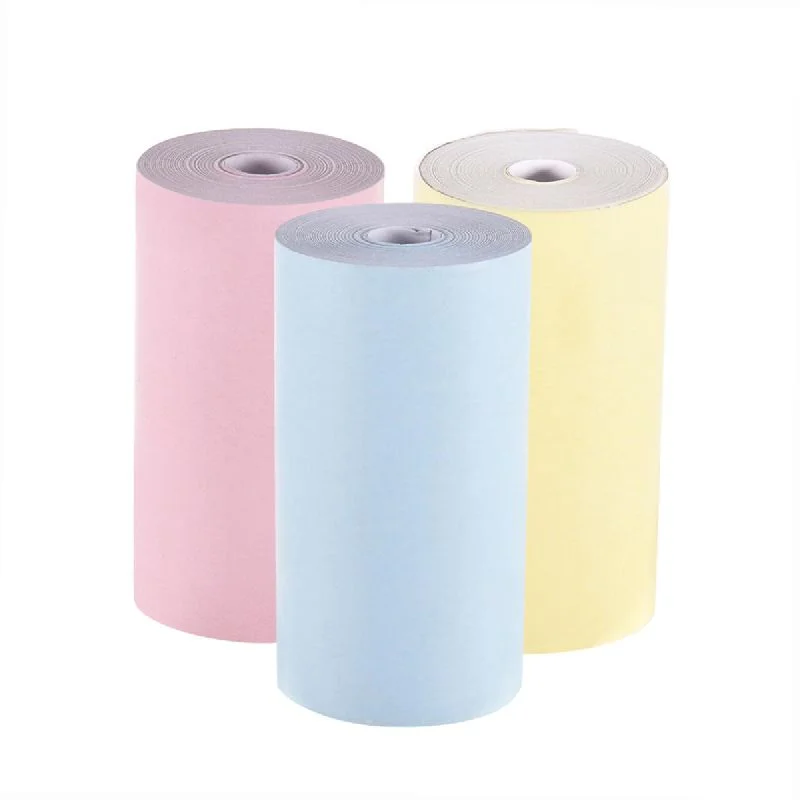
The five products listed are Thermal paper, Carbonless copy paper, Carbonless paper, Offset paper with a basis weight range of 40 g/m² to 55 g/m², and Bible paper designed for high‑opacity, thin‑sheet applications. Thermal paper is typically used in receipt printers, while carbonless papers provide multi‑part forms without the need for carbon ink. Offset paper in the 40‑55 g/m² range targets low‑weight printing jobs such as flyers and brochures, and Bible paper is a thin, dense grade suited for high‑page‑count publications. All items are produced in China and are positioned for export to markets that import paper goods.
Product Range and Specialties of Henan Nanbei Paper Co., Ltd.
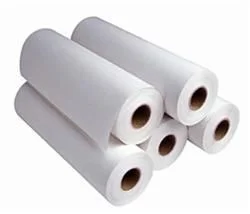
The catalogue covers thermal paper, which in the industry is often supplied in rolls of 70 mm width and a thickness of 0.07 mm, meeting ISO 2836 specifications for thermal sensitivity and durability. Carbonless copy papers, including both copy and multi‑part variants, are typically graded by the number of layers (NCR 1‑part, 2‑part, 3‑part) and conform to standards such as ISO 1253 for pressure‑sensitive copying. Offset paper listed at 40‑55 g/m² falls within the light‑weight segment of coated or uncoated offset grades, suitable for high‑speed rotary presses and meeting ISO 12647‑2 surface roughness tolerances. Bible paper is a specialty thin‑sheet grade with a typical basis weight of 30‑40 g/m², high opacity (often > 95 %) and low bulk, complying with archival standards for longevity. Buyers can expect these grades to be supplied in standard bulk packaging such as 500‑sheet reams for offset and bible paper, and continuous rolls for thermal and carbonless papers.
Trade and Export Information - Henan Nanbei Paper Co., Ltd.
Chinese paper exporters commonly ship to North America, Europe, and Southeast Asia, where demand for thermal receipts, carbonless forms, and lightweight offset sheets remains strong. Export logistics typically involve 20‑ft or 40‑ft containers packed on pallets for reams, or bulk roll handling for thermal and carbonless papers, with Incoterms such as FOB or CIF prevailing. Buyers usually request certifications like ISO 9001 quality management, FSC or PEFC chain‑of‑custody for sustainably sourced pulp, and compliance with REACH for chemical additives used in thermal coatings. Although Henan Nanbei Paper’s specific certifications are not listed, importers often verify these documents during the pre‑shipment audit to satisfy customs and buyer quality programs.
Sourcing from Henan Nanbei Paper Co., Ltd. - Buyer Guidance
When sourcing from this supplier, buyers should request a product data sheet that includes basis weight, thickness, ISO grade references, and any coating or chemical treatment details. Sample rolls or ream cuts are standard practice to assess print quality, thermal stability, and copy performance before committing to larger orders. Verify that the supplier can provide test reports for ISO 2836 (thermal paper), ISO 1253 (carbonless paper), and ISO 12647‑2 (offset paper) if these standards are critical to the buyer’s production line. Confirm packaging dimensions, pallet configuration, and lead times, which for Chinese paper manufacturers typically range from 30 to 45 days from order confirmation to shipment.
Frequently Asked Questions About Henan Nanbei Paper Co., Ltd.
What are the typical dimensions and weight for the offset paper offered by Henan Nanbei?
The offset paper is listed with a basis weight range of 40 g/m² to 55 g/m². It is commonly supplied in sheets sized 210 mm × 297 mm (A4) or larger formats, stacked in reams of 500 sheets per standard pallet.
Does the thermal paper meet any international standards?
Thermal paper from Chinese manufacturers is usually produced to meet ISO 2836 specifications for thermal sensitivity and durability. Buyers should request the ISO test report to confirm compliance.
What grades of carbonless copy paper are available?
The catalogue mentions carbonless copy paper and carbonless paper, which typically correspond to 2‑part and 3‑part NCR grades. These grades differ by the number of layers that develop a visible copy under pressure.
Are sustainability certifications such as FSC or PEFC required for these paper products?
While the supplier’s certifications are not disclosed, many importers request FSC or PEFC chain‑of‑custody certificates for paper sourced from China to verify responsible forest management.
What packaging formats are used for bible paper?
Bible paper is usually delivered in bulk packs of 500 sheets per ream, wrapped in moisture‑resistant film and stacked on pallets for container loading.
What is the typical lead time for an order of thermal paper rolls?
Lead times for thermal paper rolls from Chinese producers generally fall between 30 and 45 days, depending on order size and required customizations such as roll length or coating type.
Which documents should a buyer request before finalising a purchase?
Buyers should ask for a product data sheet, ISO test reports, a copy of the supplier’s quality management certificate (e.g., ISO 9001), and any relevant sustainability or chemical compliance certificates.
What Incoterms are most commonly used for shipping these paper products?
FOB (Free on Board) and CIF (Cost, Insurance and Freight) are the most frequently applied Incoterms for paper exports from China, allowing buyers to manage freight and insurance according to their preferences.




 , China