Heiltropfen — Verified Supplier
About Heiltropfen - Industrial Chemicals Supplier in United Kingdom
United Kingdom‑based Heiltropfen lists seven active products across industrial chemicals, zeolite and calcium carbonate categories. The catalogue includes natural clinoptilolite zeolite with a purity of 90‑92 % classified under HS code 2839.90, pure dimethyl sulfoxide (DMSO) and a 70 % DMSO solution, magnesium oil, magnesium chloride, calcium carbonate (CaCO₃) under HS code 2836.50, and pure colloidal silver. Each entry is identified by product name and, where applicable, the relevant HS tariff heading and material description, reflecting the supplier’s focus on specialty inorganic and organic chemicals.
The supplier’s product list is limited to the seven items noted, without additional specifications such as packaging size or minimum order quantities. No claims are made about certifications, production capacity, or client base; the information is confined to the product names, material grades, and the two HS codes that accompany zeolite and calcium carbonate.
Product Range and Specialties of Heiltropfen
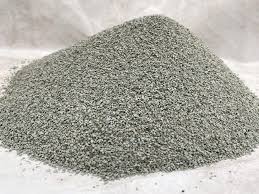
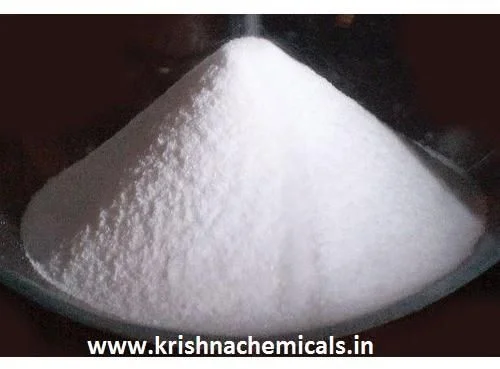
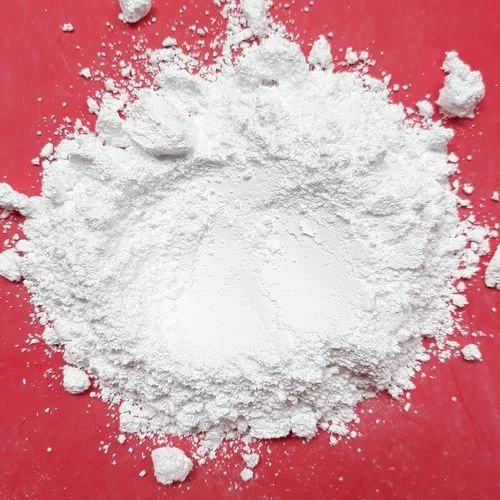
Heiltropfen’s catalogue covers a narrow but technically diverse set of chemicals. Natural clinoptilolite zeolite at 90‑92 % purity is commonly used as an adsorbent in water treatment and as a catalyst support; industry grades range from 85 % to 98 % purity, with particle sizes typically 0.5‑2 mm. Calcium carbonate (CaCO₃) is supplied in bulk for filler, pigment and antacid applications, where grades such as AR (acid‑reacted) and FCC (food grade) are distinguished by particle size (10‑30 µm) and moisture content (<0.2 %). Pure DMSO is a polar aprotic solvent with a standard purity of ≥99.9 % and a boiling point of 189 °C, while 70 % DMSO solutions are often used in pharmaceutical formulations. Magnesium oil (magnesium chloride hexahydrate solution) and magnesium chloride solid are typical magnesium sources for agricultural and health‑care uses, with common specifications of ≥99 % purity and low heavy‑metal content. Pure colloidal silver is marketed for antimicrobial applications, usually characterized by particle size around 10‑30 nm and silver concentration of 10‑20 ppm.
Trade and Export Information - Heiltropfen
The United Kingdom exports industrial chemicals such as zeolite, calcium carbonate, DMSO and magnesium compounds to Europe, North America and parts of Asia, where they serve sectors like water treatment, plastics, pharmaceuticals and cosmetics. HS chapter 28 (organic chemicals) and chapter 28.39 (other inorganic chemicals) cover most of the listed items, and customs authorities often require a Certificate of Origin and compliance with REACH regulations for EU shipments. Typical buyer requirements include ISO 9001 quality management certification, material safety data sheets (MSDS) and, for food‑grade calcium carbonate, compliance with FDA or EU food‑contact regulations. Shipping is usually performed in 20 ft or 40 ft containers, with bulk powders packed in moisture‑resistant multi‑layer bags and liquids sealed in IBCs or drums, adhering to UN 3373 for hazardous classification where applicable.
Sourcing from Heiltropfen - Buyer Guidance
When evaluating Heiltropfen’s chemicals, buyers should request the latest MSDS, a certificate of analysis (CoA) for each batch, and, where relevant, REACH registration documentation. For zeolite and calcium carbonate, particle‑size distribution and impurity limits (e.g., heavy metals <10 ppm) are standard verification points. DMSO and magnesium products should be accompanied by purity assays and water content analysis. Colloidal silver samples should include nanoparticle size verification (e.g., TEM) and total silver concentration. Confirming packaging details (e.g., 25 kg kraft bags for powders, 200 L IBCs for liquids) and container loading plans helps avoid unexpected freight costs.
Frequently Asked Questions About Heiltropfen
What types of zeolite does Heiltropfen offer and under which HS code?
Heiltropfen lists natural clinoptilolite zeolite with a purity of 90‑92 %, classified under HS code 2839.90. The product is typically supplied as a fine powder suitable for adsorption and catalyst applications.
Are there any certifications explicitly held by Heiltropfen?
The supplied facts do not mention any specific certifications held by the supplier. Buyers should request copies of any quality‑management certificates (e.g., ISO 9001) and regulatory compliance documents relevant to the product.
What is the standard purity and packaging for the calcium carbonate product?
The calcium carbonate is described as CaCO₃ and falls under HS code 2836.50. Industry practice for bulk calcium carbonate includes purity of ≥99 % and packaging in moisture‑resistant bags ranging from 20 kg to 25 kg.
Which documentation should be requested for the DMSO products?
For both pure DMSO and the 70 % DMSO solution, buyers should ask for a Certificate of Analysis showing ≥99.9 % purity for the pure product, water content, and a Material Safety Data Sheet outlining handling and transport requirements.
What are typical minimum order quantities (MOQ) for the magnesium chemicals?
While the catalogue does not state MOQs, bulk magnesium oil and magnesium chloride are usually supplied in 200 L drums or 25 kg bags, with a common minimum order of one container load (e.g., one 20 ft container).
How is pure colloidal silver usually shipped and what quality parameters are checked?
Colloidal silver is generally packed in sealed glass or high‑density polyethylene bottles to prevent contamination. Quality checks include particle‑size analysis (10‑30 nm) and total silver concentration, documented in a CoA.
Which regions commonly import the chemicals listed by Heiltropfen?
Export destinations for UK‑based industrial chemicals include the European Union, the United States, Canada and Southeast Asian markets, where the products are used in water treatment, polymer manufacturing, pharmaceutical formulation and agricultural applications.
What HS codes apply to the magnesium chloride and magnesium oil products?
The facts do not specify HS codes for these items. In general, magnesium chloride falls under HS heading 2835.20 and magnesium oil, being a solution, is often classified under HS 3824.90, but buyers should verify the exact code with the supplier.




 , United Kingdom