Agriculture›
 Apparel and fashion accessories›
 Construction & real estate›💡Electronic & Electrical›🍎Food & Beverages›🛋️Home furnishing & supplies›⚗️Industrial goods & chemical›🪨Minerals & metals›📦Miscellaneous›Agriculture›Apparel and fashion accessories›Construction & real estate›💡Electronic & Electrical›🍎Food & Beverages›🛋️Home furnishing & supplies›⚗️Industrial goods & chemical›🪨Minerals & metals›📦Miscellaneous›
Hebei Maxi Wire Mesh Co., Ltd.
⚓ Harbor , ChinaNew supplier / no reviews yet
Hebei Maxi Wire Mesh Co., Ltd. Product Catalog
About Hebei Maxi Wire Mesh Co., Ltd. - Wire Mesh Supplier in China
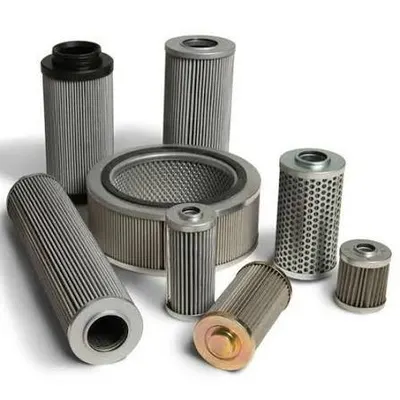
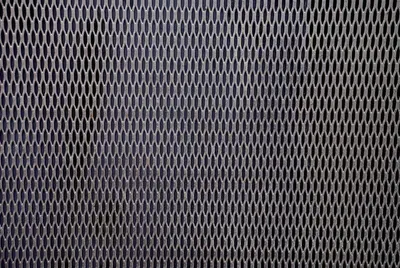
China, specifically the Hebei region, hosts Hebei Maxi Wire Mesh Co., Ltd., which lists 74 active products across wire mesh, industrial filters, polyester, steel and related categories. The catalogue spans stainless‑steel wire cloth, nylon and polyester mesh for screen printing, and specialty filter screens used in food processing and industrial applications. Products are grouped under HS‑code families such as 7314 (woven stainless‑steel wire mesh) and 7326 (stainless‑steel wire cloth screen mesh), reflecting the material composition and manufacturing process. The supplier’s list includes both standard mesh screens and customized filter tubes, indicating capability to serve diverse downstream industries.
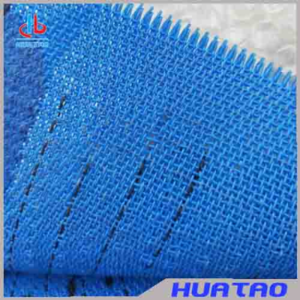
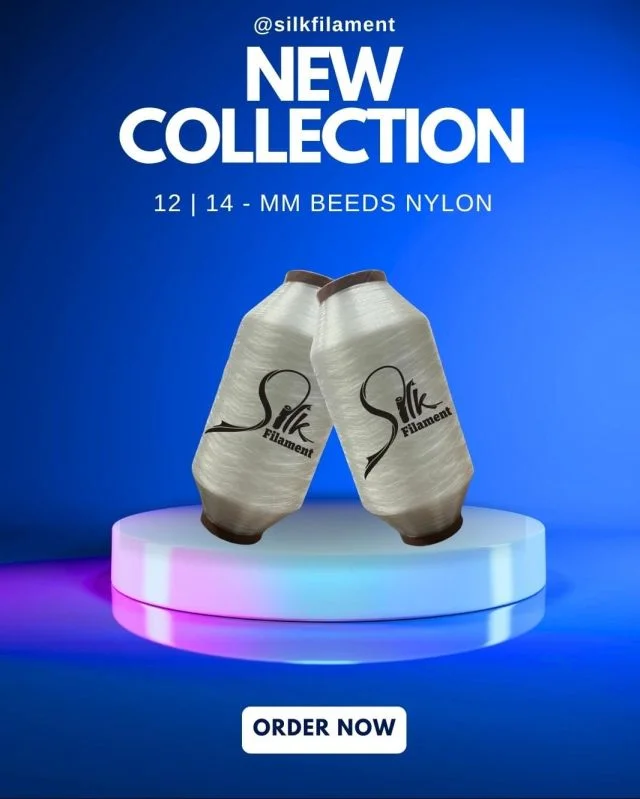
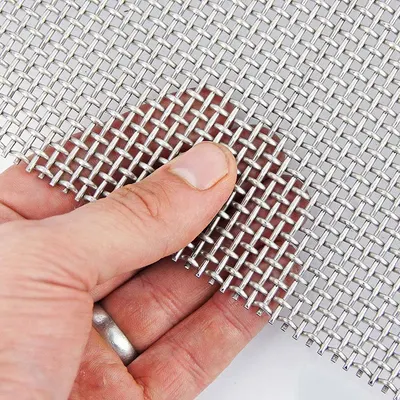
The listed items include "Stainless Steel Wire Cloth Screen Mesh" (HS 7326.90, material Stainless Steel 304/316) and "Stainless Steel Woven Filter Net Wire Mesh" (HS 7314.12, material Stainless Steel 304/316). Additional entries such as "Polyester Silk Mesh For Screen Printing" and "quality Food Grade Nylon Flour Mesh" show the range extends to polymer‑based meshes for printing and food‑grade filtration. Several products reference FDA approval or micron‑level filtration, highlighting suitability for regulated food and pharmaceutical environments.
Product Range and Specialties of Hebei Maxi Wire Mesh Co., Ltd.
The catalogue covers stainless‑steel meshes typically supplied in grades 304 and 316, which meet ASTM A240 and EN 10244 specifications for corrosion resistance and tensile strength (200‑500 MPa). Mesh counts commonly range from 40 to 200 wires per inch, with openings from 0.1 mm to 2 mm, allowing precise control of filtration and screen‑printing resolution. Polyester and nylon meshes used for screen printing are usually offered in counts of 110‑200 mesh per inch, with a polyester filament diameter of 30‑50 µm, while food‑grade nylon flour meshes are produced to micron ratings of 30‑200 µm to meet FDA food‑contact requirements. Buyers often request additional finishes such as electropolishing or passivation for enhanced durability in harsh chemical environments.
Frequently Asked Questions About Hebei Maxi Wire Mesh Co., Ltd.
What mesh counts are available for the stainless‑steel wire cloth screen mesh?
Typical stainless‑steel wire cloth is offered in 40‑200 wires per inch, providing opening sizes from 0.1 mm to 2 mm. Buyers should specify the required count to match filtration or screening applications.
Which certifications should I request for food‑grade nylon flour mesh?
Request FDA food‑contact approval documentation and a material safety data sheet (MSDS). A third‑party filtration test report confirming the micron rating is also standard.
How can I confirm the stainless‑steel grade of a mesh filter?
Ask the supplier for a mill test certificate that lists the chemical composition and confirms the grade (e.g., 304, 316, 321). The certificate should reference ASTM A240 compliance.
What HS codes apply to the woven stainless‑steel filter products?
The woven stainless‑steel wire mesh products are classified under HS 7314.12, while stainless‑steel wire cloth screen mesh falls under HS 7326.90. Ensure the invoice reflects the correct code for customs clearance.
Are there standard packaging practices for shipping wire mesh in containers?
Wire mesh is usually packed in wooden crates or bulk pallets, with protective wrapping to prevent deformation. Loads are arranged to fit standard 20‑ft or 40‑ft containers, and moisture‑resistant liners are used for food‑grade products.
ChinaRelated Suppliers & Products
Explore similar suppliers, related products and trending categories