Hebei Lanying Technology Co., Ltd. — Supplier
About Hebei Lanying Technology Co., Ltd. - CNC Machines & Spare Parts Supplier in China
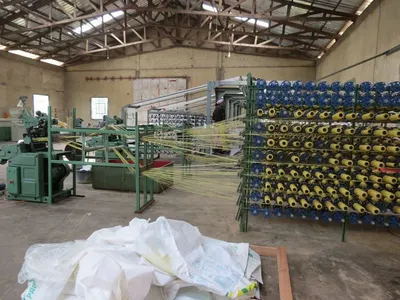
Hebei Lanying Technology Co., Ltd. is based in the Hebei province of China and currently lists five distinct products in its catalogue. The company classifies its offerings under the categories CNC Machines & Spare Parts and Metal Working Machinery, and the products fall within HS‑code families 8445, 8446 and 8448, which cover textile machinery, metal‑working machines and other special machines. Each entry specifies the primary material construction, ranging from carbon steel and alloy steel components to cast‑iron frames and hardened steel rapier parts. The active product count of five includes both fully coded items and one entry without an HS code, reflecting a focused but diverse machine portfolio.
The catalogue details a SG130/130-1JD Metal Wire Mesh Weaving Machine (HS 8445.19) built from carbon and alloy steel, a CNC Wire Mesh Weaving Machine (HS 8445.11) with a carbon‑steel and cast‑iron body and servo motor drive, a CNC Wire Weaving Machine (HS 8448.99) featuring a carbon‑steel/cast‑iron frame and hardened steel rapier components, a CNC Metal Wire Weaving Loom (no HS code provided), and a CNC Wire Mesh Loom (HS 8446.10) comprising steel and alloy precision assemblies. All machines are designed for continuous production of metal wire mesh in gauges typically from 0.2 mm to 2 mm, and they incorporate CNC control units for pattern programming. The listed materials indicate a focus on durability and high‑tension applications common in automotive, construction and filtration sectors.
Product Range and Specialties of Hebei Lanying Technology Co., Ltd.
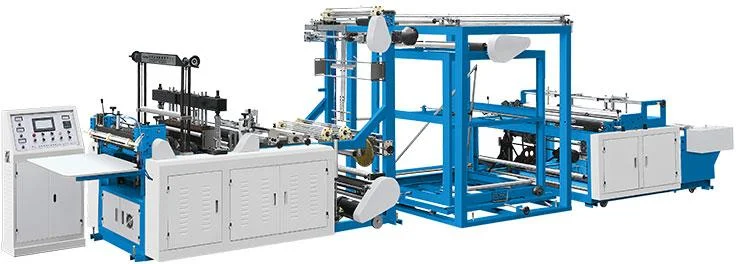
The product range centers on wire mesh weaving equipment that combines CNC automation with robust steel construction. In the broader industry, CNC wire mesh looms are commonly rated for spindle speeds between 500 and 2 500 rpm, power inputs of 5 kW to 30 kW, and mesh width capacities up to 1 200 mm. Standard specifications include IEC 60204‑1 electrical safety compliance, ISO 12100 machine safety design, and mesh tolerance of ±0.02 mm. Typical material grades are carbon steel S355 for the main frame, alloy steel 30CrMoV9 for high‑stress components, and hardened tool steel (HRC 58‑62) for rapier knives. Buyers often request optional features such as PLC‑based control panels, automatic thread tensioning, and modular spare‑part kits to reduce downtime.
Trade and Export Information - Hebei Lanying Technology Co., Ltd.
China remains the world’s largest exporter of metal‑working and textile machinery, and Hebei‑based manufacturers commonly ship to Europe (Germany, Italy, the UK), North America (USA, Canada), the Middle East (UAE, Saudi Arabia) and Southeast Asian markets (Vietnam, Thailand). The HS‑code clusters 8445, 8446 and 8448 are subject to standard customs duties of 0‑5 % under most free‑trade agreements, but buyers typically verify the presence of CE marking for EU entry and UL certification for the United States. Commonly required documentation includes a commercial invoice, packing list, bill of lading, and a Declaration of Conformity referencing the Machinery Directive (2006/42/EC). Machines are usually packed in wooden crates on Euro‑pallets, loaded in 20‑ft or 40‑ft containers, and shipped under FOB or CIF terms. Export controls in China mandate an export license for dual‑use equipment, though standard metal‑working looms generally fall under the low‑risk category.
Sourcing from Hebei Lanying Technology Co., Ltd. - Buyer Guidance
When sourcing from Hebei Lanying, buyers should request a detailed technical datasheet that lists spindle speed, power consumption (kW), wire gauge range, maximum mesh width and the CNC control software version. Verification of CE or UL certificates, ISO 9001 quality‑management certification, and a test report for load‑bearing capacity (e.g., 10 kN for rapier‑type looms) is advisable before contract signing. Samples of critical components such as rapier knives or servo motors can be examined for material hardness (Rockwell C 58‑62) and surface finish. Buyers should also confirm packaging dimensions, container loading plans and the supplier’s after‑sales service policy, including spare‑part lead times and on‑site installation support.
Frequently Asked Questions About Hebei Lanying Technology Co., Ltd.
What types of metal wire mesh machines does Hebei Lanying list?
The catalogue includes a SG130/130-1JD Metal Wire Mesh Weaving Machine (HS 8445.19), a CNC Wire Mesh Weaving Machine (HS 8445.11), a CNC Wire Weaving Machine (HS 8448.99), a CNC Metal Wire Weaving Loom (no HS code), and a CNC Wire Mesh Loom (HS 8446.10).
Which HS codes are associated with the listed machines?
The machines are classified under HS 8445.19, HS 8445.11, HS 8448.99 and HS 8446.10. The CNC Metal Wire Weaving Loom does not have an HS code specified in the catalogue.
What material construction is typical for these looms?
Materials mentioned are carbon steel, alloy steel, cast iron for the frames, and hardened steel for rapier components. These grades align with industry standards for high‑tension mesh production.
What certifications should a buyer request for these machines?
Buyers should ask for CE marking or UL certification for electrical safety, an ISO 9001 certificate for quality management, and any test reports confirming load capacity and noise levels as required by the target market.
What are common specifications buyers look for in CNC wire mesh looms?
Typical specs include spindle speed (500 - 2 500 rpm), power rating (5 - 30 kW), mesh width up to 1 200 mm, wire gauge range 0.2 - 2 mm, and CNC control software version. Compliance with IEC 60204‑1 and ISO 12100 is also standard.
How are the machines usually packaged for export?
Machines are generally crated in wooden boxes, secured on Euro‑pallets, and loaded into 20‑ft or 40‑ft containers. Export documentation follows standard customs requirements for HS 8445‑8448 categories.
What are typical lead times and minimum order quantities?
Lead times for CNC weaving machines from Chinese manufacturers range from 30 to 60 days after receipt of a signed purchase order, and most suppliers accept a single unit as the minimum order, subject to a deposit.
What logistics terms are commonly used for shipping these machines?
Suppliers usually operate under FOB (Free on Board) or CIF (Cost, Insurance, Freight) Incoterms, allowing buyers to select the most suitable responsibility and risk allocation for the shipment.




 , China