Hebei Agrilinks Imp & Exp.Co., Ltd. — Verified Supplier
About Hebei Agrilinks Imp & Exp.Co., Ltd. - IQF or Frozen Vegetables Supplier in China
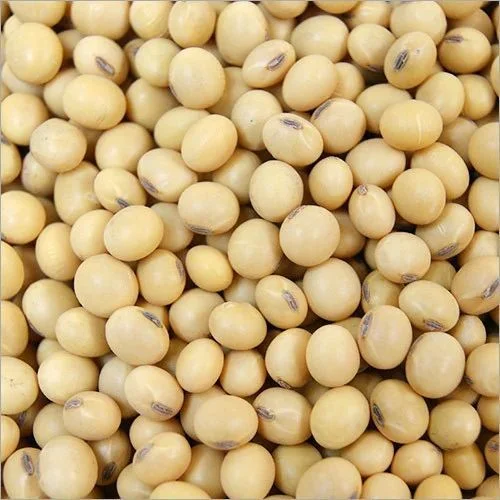
China‑based Hebei Agrilinks Imp & Exp.Co., Ltd. lists 14 active frozen products in its catalogue. The list includes frozen pear dice, strawberry dice, broccoli, mixed mushrooms, cauliflower, asparagus bean, garlic cloves, bamboo shoot strips, green bean cuts, green peas, peapod cuts, soy bean kernel, sugar snap pea and water chestnut kernel, all classified under IQF (individually quick frozen) or frozen vegetable categories. Each item is presented without additional processing claims, focusing on the core frozen commodity. The supplier’s catalogue is organized by product type rather than by HS‑code, and no HS‑code details are supplied in the source data.
Product Range and Specialties of Hebei Agrilinks Imp & Exp.Co., Ltd.
The catalogue covers a variety of frozen vegetables and related products such as fruit dice, mushroom mixes, bamboo shoots and legume kernels. In the global frozen foods market, IQF products are typically graded by size uniformity, colour retention and freezer‑burn resistance; for example, frozen peas are often supplied in 5 mm to 8 mm diameters with a moisture content below 85 % and a frozen state at - 18 °C. Mushroom mixes are commonly evaluated for caps‑to‑stem ratio and a total microbial load below 10 CFU/g. Chinese exporters of frozen vegetables frequently meet HACCP‑based specifications and may provide BRC or ISO 22000 certificates on request.
Trade and Export Information - Hebei Agrilinks Imp & Exp.Co., Ltd.
China is one of the world’s largest exporters of frozen vegetables, with major shipment flows to Europe, North America and the Middle East. The HS chapter 20 (fresh or dried vegetables) and chapter 71 (frozen meat, fish, fruits and vegetables) are the typical tariff classifications for these goods; frozen peas, for instance, fall under HS 0712.40, while frozen mushrooms are under HS 0712.30. Buyers usually require phytosanitary certificates, a Certificate of Origin and compliance with local residue limits. Common Incoterms for bulk frozen shipments are FOB Tianjin or CIF Rotterdam, using 20‑ft or 40‑ft refrigerated containers that maintain - 18 °C throughout transit.
Sourcing from Hebei Agrilinks Imp & Exp.Co., Ltd. - Buyer Guidance
When sourcing frozen vegetables from this supplier, request a product specification sheet that lists size range, moisture content, ice‑crystal size and any microbial test results. Ask for recent HACCP or ISO 22000 audit reports, as well as a phytosanitary certificate issued by Chinese authorities. Verify that the packaging meets ISO 11607 standards for frozen foods, typically a 1 kg or 5 kg polypropylene bag sealed with a zip‑lock or vacuum layer, and that the pallet configuration conforms to EU or US cold‑chain requirements before confirming the order.
Frequently Asked Questions About Hebei Agrilinks Imp & Exp.Co., Ltd.
What frozen vegetable products does Hebei Agrilinks list in its catalogue?
The supplier lists 14 items, including frozen pear dice, strawberry dice, broccoli, mixed mushrooms, cauliflower, asparagus bean, garlic cloves, bamboo shoot strips, green bean cuts, green peas, peapod cuts, soy bean kernel, sugar snap pea and water chestnut kernel.
Are HS codes provided for these products?
The source data does not include HS codes; however, frozen vegetables from China are generally classified under HS chapter 71, such as 0712 for frozen peas and mushrooms.
What certifications are commonly required for frozen vegetables from China?
Buyers typically request HACCP, BRC or ISO 22000 food safety certifications, alongside a phytosanitary certificate and a Certificate of Origin.
What packaging formats are standard for these frozen items?
Standard packaging is a sealed polypropylene bag of 1 kg or 5 kg, often palletised on Euro‑pallets with insulated liners to maintain - 18 °C during transport.
Which markets import frozen vegetables from China most frequently?
Europe, North America and the Middle East are the primary import regions, driven by demand for ready‑to‑cook IQF products.
What documentation should a buyer request before placing an order?
Buyers should ask for a detailed product specification sheet, recent food‑safety audit reports, phytosanitary certificate, Certificate of Origin and, if required, a test report for pesticide residues.
What shipping terms are typical for these frozen products?
Typical Incoterms are FOB Tianjin or CIF to the buyer’s destination port, using refrigerated containers that keep the cargo at - 18 °C.
Is there a minimum order quantity for the listed frozen goods?
The catalogue does not state a MOQ; buyers should confirm the required pallet or container volume with the supplier during the quotation stage.




 , China