Global Marble Hub — Verified Supplier
About Global Marble Hub - Marble & Granite Supplier in India
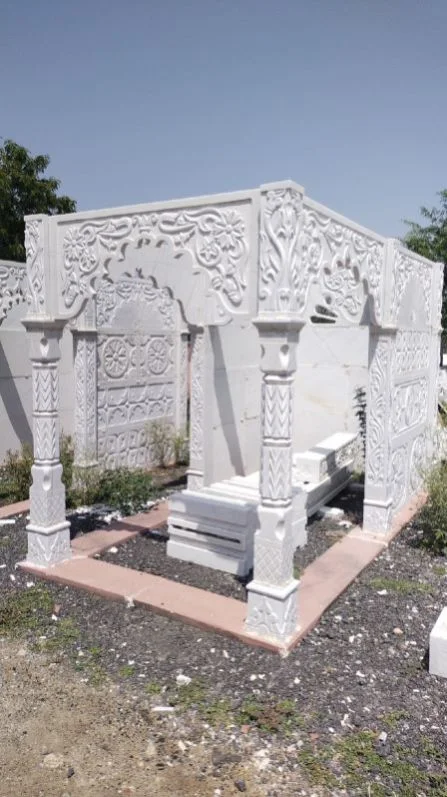
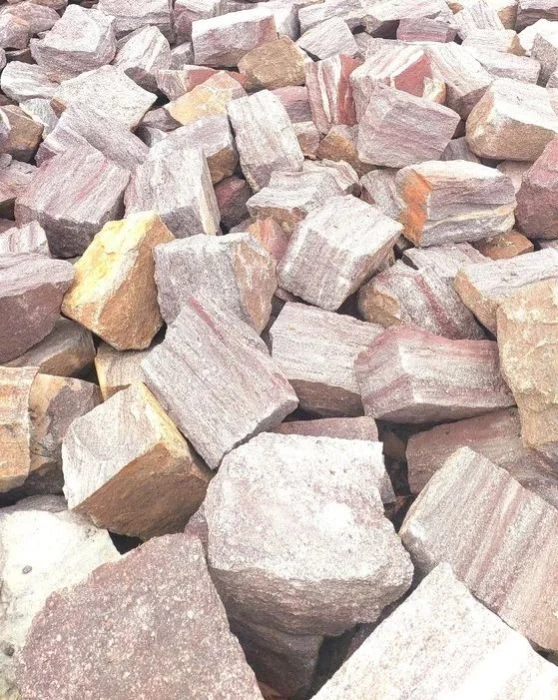
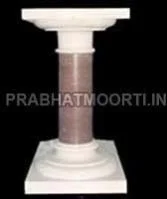
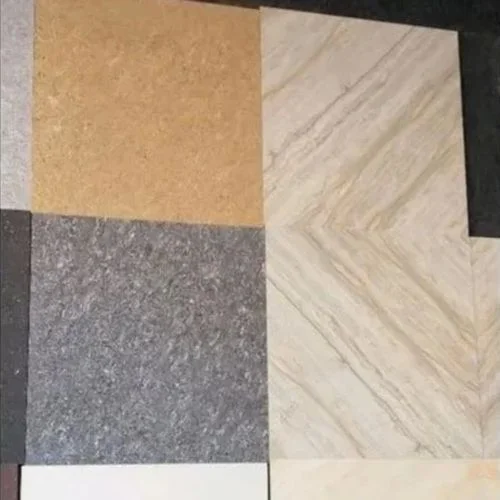
India hosts a diverse natural stone sector, and Global Marble Hub lists five distinct stone products for export. The catalogue includes marble balusters, marble inlay flooring, sandstone blocks, a white marble wash basin, and a marble statue, covering both architectural and decorative applications. Each product falls under the broader HS‑2 chapter 68 for cut stone, which is the standard tariff line used by customs for marble and sandstone exports. The supplier’s active product count of five reflects a focused portfolio rather than a broad‑line offering. Buyers can identify the specific stone type through the product titles without additional HS‑code detail in the supplied data.
Product Range and Specialties of Global Marble Hub
The listed items span structural and ornamental stone uses: marble balusters are typically supplied in 10‑12 mm thickness with a polished finish for stair railings; marble inlay flooring is cut to custom dimensions, often 20 mm thick, and may be honed or polished depending on design intent. Sandstone, commonly used for paving and façade cladding, is offered in standard slab sizes such as 1200 × 2400 mm with a natural split finish. The white marble wash basin belongs to the sanitary ware segment, usually fabricated from Class A white marble with a water‑absorption rate below 0.5 %. The marble statue is a handcrafted decorative piece, often carved from a single block with a minimum hardness of 6 Mohs. Industry practice for these categories includes specifying tolerance limits (±2 mm for length, ±0.5 mm for thickness) and surface finish grades (Polished P‑1, Honed H‑2).
Trade and Export Information - Global Marble Hub
India’s natural stone exports are concentrated to the Middle East, Europe, and North America, where demand for premium marble and sandstone remains strong. The primary HS‑code families for these goods are 6802 (cut stone, marble, granite) and 6803 (ornamental stone, including sandstone). Buyers typically require compliance with ISO 9001 quality management systems and may request test reports aligned with ASTM C615 for compressive strength and ASTM C97 for water absorption. Standard export packaging involves wooden crates, styrofoam padding, and palletization to fit 20‑ft or 40‑ft containers, with FOB or CIF terms commonly used. Indian exporters often hold export‑license certifications from the Ministry of Commerce, which can be verified on request.
Sourcing from Global Marble Hub - Buyer Guidance
When sourcing marble or sandstone from Global Marble Hub, request a material data sheet that includes dimensions, finish grade, compressive strength (minimum 70 MPa for marble), and water‑absorption values. Ask for a recent third‑party lab report complying with ASTM C615 and a certificate of origin to confirm Indian provenance. Verify the supplier’s ISO 9001 certification and inquire about the packing plan, including crate dimensions and pallet configuration, to assess shipping risk. Confirm lead times for each product type, as custom‑cut balusters and statues may require additional machining time compared to standard slabs.
Frequently Asked Questions About Global Marble Hub
What types of stone products does Global Marble Hub list for export?
The catalogue includes marble balusters, marble inlay flooring, sandstone blocks, a white marble wash basin, and a marble statue, covering both structural and decorative stone applications.
Which HS‑code chapters are relevant for the listed stone products?
The products fall under HS chapter 68, specifically headings 6802 for cut stone such as marble and granite, and 6803 for ornamental stone including sandstone.
What standard specifications should a buyer check for marble balusters?
Buyers should verify thickness (typically 10‑12 mm), finish grade (polished P‑1 or honed H‑2), dimensional tolerance (±2 mm), and compressive strength (≥70 MPa) according to ASTM C615.
Are there common certifications required for importing Indian marble?
Importers usually request ISO 9001 certification, a certificate of origin, and laboratory test reports for compressive strength and water absorption complying with ASTM standards.
What packaging methods are typical for shipping marble and sandstone from India?
Stone slabs and statues are packed in wooden crates with styrofoam padding, placed on standard 1200 × 1000 mm pallets, and loaded into 20‑ft or 40‑ft containers using FOB or CIF terms.
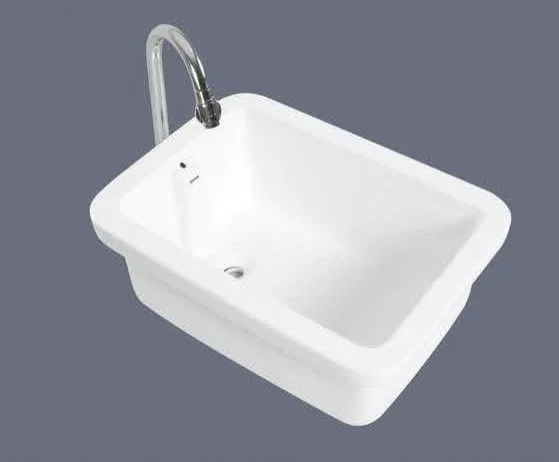
How can a buyer verify the quality of the white marble wash basin?
Request a material data sheet showing the marble grade (Class A), water‑absorption rate (<0.5 %), surface finish details, and a recent ASTM C97 water absorption test report.
What lead times are typical for custom‑cut marble items such as statues?
Custom‑cut items like statues often require 4‑6 weeks for machining and finishing, whereas standard slabs or balusters may be ready for shipment within 2‑3 weeks.
What documents should be requested before placing an order?
Buyers should ask for the commercial invoice, packing list, certificate of origin, ISO 9001 certificate, and relevant ASTM test reports for each stone product.




 , India