Export Herbs — Supplier

About Export Herbs - Herbs Supplier in Egypt

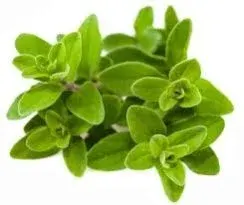
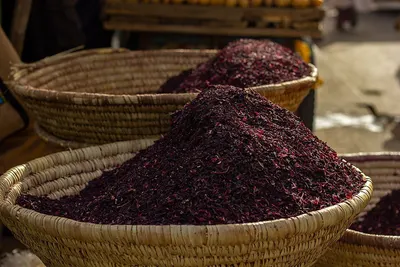
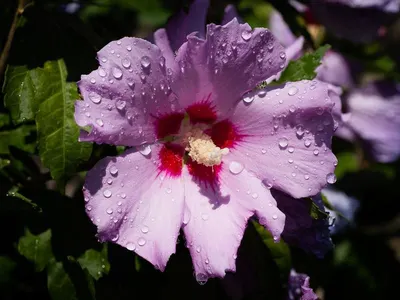
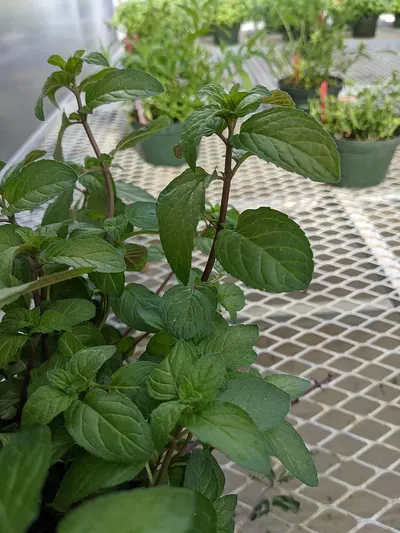
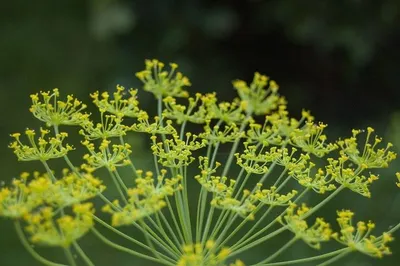
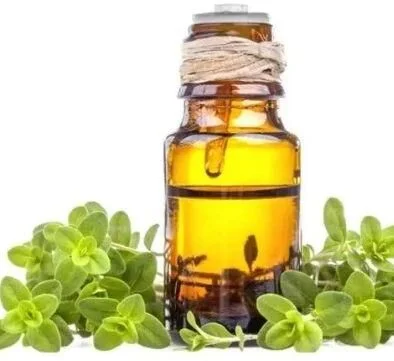
Egypt, a significant player in the global herb market, is home to Export Herbs, a supplier with an active product count of 5. The company lists a variety of herb products, including Dill leaves, Basil leaves, Hibiscus leaves, Hibiscus teabag leaves, and Marjoram leaves. These products are commonly used in the food, beverage, and pharmaceutical industries. Exporters of herbs like Export Herbs typically ship their products to regions with high demand for herbal products, such as Europe and North America. The herbs are usually packaged in airtight containers to preserve their flavor and aroma.

The herb products listed by Export Herbs are part of the larger spice and herb market, which is subject to various quality standards and regulations. For instance, the ISO 676 standard provides guidelines for the sampling and testing of spices and herbs. Buyers of herb products usually require suppliers to adhere to these standards to ensure the quality and safety of the products. In terms of logistics, herbs are often shipped in 20 ft or 40 ft containers, depending on the quantity and destination.

Product Range and Specialties of Export Herbs

Export Herbs' product range includes a variety of herb leaves, which are commonly used in the food and beverage industry. The typical grades of herb leaves include extra fine, fine, and standard, with specifications such as moisture content, ash content, and heavy metal content. For example, the ISO 948 standard provides guidelines for the determination of moisture content in dried herbs. Buyers of herb leaves usually require suppliers to provide samples and test reports to verify the quality of the products.

The herb leaves listed by Export Herbs are made from natural ingredients and are free from artificial additives and preservatives. The company's products are part of the larger market for natural and organic products, which is subject to various certifications and standards, such as USDA Organic and EU Organic. Buyers of natural and organic products usually require suppliers to adhere to these standards to ensure the quality and safety of the products.

Trade and Export Information - Export Herbs

Exporters of herbs like Export Herbs typically export their products to regions with high demand for herbal products, such as Europe and North America. The HS code families involved in the export of herbs include 0909 for coffee, tea, and spices, and 1211 for plants and parts of plants. Certifications commonly required for the export of herbs include ISO 9001 for quality management and ISO 14001 for environmental management. In terms of logistics, herbs are often shipped in 20 ft or 40 ft containers, depending on the quantity and destination. The Incoterms used for the export of herbs include FOB and CIF.

The origin country of Export Herbs, Egypt, has a well-established export market for herbs and spices. The country's strategic location and favorable climate make it an ideal location for the cultivation and export of herbs. Exporters from Egypt typically adhere to the regulations and standards set by the Egyptian Ministry of Agriculture and the Egyptian Organization for Standardization and Quality.

Sourcing from Export Herbs - Buyer Guidance

When sourcing from Export Herbs, buyers should request samples and test reports to verify the quality of the products. The typical specifications for herb leaves include moisture content, ash content, and heavy metal content. Buyers should also verify the certifications and standards adhered to by the supplier, such as ISO 9001 and ISO 14001. In terms of logistics, buyers should confirm the Incoterms and packaging used for the shipment.

Buyers of herb products should also be aware of the common quality parameters and tests used in the industry, such as the determination of moisture content and ash content. They should also verify the tier of the supplier, such as the trust tier and supplier tier, to ensure that they are dealing with a reputable supplier. Additionally, buyers should confirm the lead time and MOQ required for the products to ensure that they can meet their production schedule.

Frequently Asked Questions About Export Herbs

What is the product range of Export Herbs?

Export Herbs lists a variety of herb products, including Dill leaves, Basil leaves, Hibiscus leaves, Hibiscus teabag leaves, and Marjoram leaves. These products are commonly used in the food, beverage, and pharmaceutical industries.

What are the typical grades of herb leaves?

The typical grades of herb leaves include extra fine, fine, and standard, with specifications such as moisture content, ash content, and heavy metal content. For example, the ISO 948 standard provides guidelines for the determination of moisture content in dried herbs.

What certifications are commonly required for the export of herbs?

Certifications commonly required for the export of herbs include ISO 9001 for quality management and ISO 14001 for environmental management. Buyers of herb products should also verify the certifications and standards adhered to by the supplier.

What is the Incoterms used for the export of herbs?

The Incoterms used for the export of herbs include FOB and CIF. Buyers should confirm the Incoterms used for the shipment to ensure that they are aware of the terms and conditions of the sale.

What is the lead time required for the products of Export Herbs?

The lead time required for the products of Export Herbs should be confirmed with the supplier to ensure that buyers can meet their production schedule. The MOQ required for the products should also be confirmed to ensure that buyers can meet the minimum order requirements.

What are the common quality parameters and tests used in the herb industry?

The common quality parameters and tests used in the herb industry include the determination of moisture content, ash content, and heavy metal content. Buyers should verify the certifications and standards adhered to by the supplier to ensure that the products meet the required quality standards.

What is the trust tier and supplier tier of Export Herbs?

The trust tier and supplier tier of Export Herbs are harbor and imported, respectively. Buyers should verify the tier of the supplier to ensure that they are dealing with a reputable supplier.


Featured Products from this Supplier

EximNext
7.2K+ live requirements
Register Free🎁 Reach global buyers
Post Requirement
🌍 Trusted by 225K+ businesses in 200+ countries|
7.2K+ active requirements right now
✉️ [email protected]
|
Sell on EximNextPost Requirement
EximNext
AgricultureApparelConstructionElectronicFoodHomeIndustrialMineralsMiscellaneous
🔥 Deals|✨ AI Match|🏭 Suppliers|📋 Buy Leads|💰 Trade Finance
7.2K+ live RFQs·194.8K+ suppliers
🎁 Reach global buyers →
EximNext
EximNext
Register Free
🎁 Reach global buyers
Sign In
📋Post Requirement💬Get Quotes✨AI Match📋RFQ Marketplace
All Categories
Services & Tools
🏭Supplier Directory🔥Today's Deals💰Trade Finance
Sell on EximNext →
AboutContactBlogHelp
Global Trade  ·  Egypt
5
products listed

Export Herbs

⚓ Harbor
Country flag , EgyptNew supplier / no reviews yet
🛡️
56/100
Trust Score

Export Herbs Product Catalog

Showing 5 of 5 products
View all products →
Marjoram leaves
⚓ Harbor
Marjoram leaves
Contact
MOQ: 1 Unit
Hibiscus teabag leaves
⚓ Harbor
Hibiscus teabag leaves
Contact
MOQ: 1 Unit
Hibiscus leaves
⚓ Harbor
Hibiscus leaves
Contact
MOQ: 1 Unit
Basil leaves
⚓ Harbor
Basil leaves
Contact
MOQ: 1 Unit
Dill leaves
⚓ Harbor
Dill leaves
Contact
MOQ: 1 Unit

About Export Herbs - Herbs Supplier in Egypt

Egypt, a significant player in the global herb market, is home to Export Herbs, a supplier with an active product count of 5. The company lists a variety of herb products, including Dill leaves, Basil leaves, Hibiscus leaves, Hibiscus teabag leaves, and Marjoram leaves. These products are commonly used in the food, beverage, and pharmaceutical industries. Exporters of herbs like Export Herbs typically ship their products to regions with high demand for herbal products, such as Europe and North America. The herbs are usually packaged in airtight containers to preserve their flavor and aroma.

The herb products listed by Export Herbs are part of the larger spice and herb market, which is subject to various quality standards and regulations. For instance, the ISO 676 standard provides guidelines for the sampling and testing of spices and herbs. Buyers of herb products usually require suppliers to adhere to these standards to ensure the quality and safety of the products. In terms of logistics, herbs are often shipped in 20 ft or 40 ft containers, depending on the quantity and destination.

Product Range and Specialties of Export Herbs

Export Herbs' product range includes a variety of herb leaves, which are commonly used in the food and beverage industry. The typical grades of herb leaves include extra fine, fine, and standard, with specifications such as moisture content, ash content, and heavy metal content. For example, the ISO 948 standard provides guidelines for the determination of moisture content in dried herbs. Buyers of herb leaves usually require suppliers to provide samples and test reports to verify the quality of the products.

The herb leaves listed by Export Herbs are made from natural ingredients and are free from artificial additives and preservatives. The company's products are part of the larger market for natural and organic products, which is subject to various certifications and standards, such as USDA Organic and EU Organic. Buyers of natural and organic products usually require suppliers to adhere to these standards to ensure the quality and safety of the products.

Trade and Export Information - Export Herbs

Exporters of herbs like Export Herbs typically export their products to regions with high demand for herbal products, such as Europe and North America. The HS code families involved in the export of herbs include 0909 for coffee, tea, and spices, and 1211 for plants and parts of plants. Certifications commonly required for the export of herbs include ISO 9001 for quality management and ISO 14001 for environmental management. In terms of logistics, herbs are often shipped in 20 ft or 40 ft containers, depending on the quantity and destination. The Incoterms used for the export of herbs include FOB and CIF.

The origin country of Export Herbs, Egypt, has a well-established export market for herbs and spices. The country's strategic location and favorable climate make it an ideal location for the cultivation and export of herbs. Exporters from Egypt typically adhere to the regulations and standards set by the Egyptian Ministry of Agriculture and the Egyptian Organization for Standardization and Quality.

Sourcing from Export Herbs - Buyer Guidance

When sourcing from Export Herbs, buyers should request samples and test reports to verify the quality of the products. The typical specifications for herb leaves include moisture content, ash content, and heavy metal content. Buyers should also verify the certifications and standards adhered to by the supplier, such as ISO 9001 and ISO 14001. In terms of logistics, buyers should confirm the Incoterms and packaging used for the shipment.

Buyers of herb products should also be aware of the common quality parameters and tests used in the industry, such as the determination of moisture content and ash content. They should also verify the tier of the supplier, such as the trust tier and supplier tier, to ensure that they are dealing with a reputable supplier. Additionally, buyers should confirm the lead time and MOQ required for the products to ensure that they can meet their production schedule.

Frequently Asked Questions About Export Herbs

What is the product range of Export Herbs?

Export Herbs lists a variety of herb products, including Dill leaves, Basil leaves, Hibiscus leaves, Hibiscus teabag leaves, and Marjoram leaves. These products are commonly used in the food, beverage, and pharmaceutical industries.

What are the typical grades of herb leaves?

The typical grades of herb leaves include extra fine, fine, and standard, with specifications such as moisture content, ash content, and heavy metal content. For example, the ISO 948 standard provides guidelines for the determination of moisture content in dried herbs.

What certifications are commonly required for the export of herbs?

Certifications commonly required for the export of herbs include ISO 9001 for quality management and ISO 14001 for environmental management. Buyers of herb products should also verify the certifications and standards adhered to by the supplier.

What is the Incoterms used for the export of herbs?

The Incoterms used for the export of herbs include FOB and CIF. Buyers should confirm the Incoterms used for the shipment to ensure that they are aware of the terms and conditions of the sale.

What is the lead time required for the products of Export Herbs?

The lead time required for the products of Export Herbs should be confirmed with the supplier to ensure that buyers can meet their production schedule. The MOQ required for the products should also be confirmed to ensure that buyers can meet the minimum order requirements.

What are the common quality parameters and tests used in the herb industry?

The common quality parameters and tests used in the herb industry include the determination of moisture content, ash content, and heavy metal content. Buyers should verify the certifications and standards adhered to by the supplier to ensure that the products meet the required quality standards.

What is the trust tier and supplier tier of Export Herbs?

The trust tier and supplier tier of Export Herbs are harbor and imported, respectively. Buyers should verify the tier of the supplier to ensure that they are dealing with a reputable supplier.

About Export Herbs - Herbs Supplier in Egypt

Egypt, a significant player in the global herb market, is home to Export Herbs, a supplier with an active product count of 5. The company lists a variety of herb products, including Dill leaves, Basil leaves, Hibiscus leaves, Hibiscus teabag leaves, and Marjoram leaves. These products are commonly used in the food, beverage, and pharmaceutical industries. Exporters of herbs like Export Herbs typically ship their products to regions with high demand for herbal products, such as Europe and North America. The herbs are usually packaged in airtight containers to preserve their flavor and aroma.

The herb products listed by Export Herbs are part of the larger spice and herb market, which is subject to various quality standards and regulations. For instance, the ISO 676 standard provides guidelines for the sampling and testing of spices and herbs. Buyers of herb products usually require suppliers to adhere to these standards to ensure the quality and safety of the products. In terms of logistics, herbs are often shipped in 20 ft or 40 ft containers, depending on the quantity and destination.

Product Range and Specialties of Export Herbs

Export Herbs' product range includes a variety of herb leaves, which are commonly used in the food and beverage industry. The typical grades of herb leaves include extra fine, fine, and standard, with specifications such as moisture content, ash content, and heavy metal content. For example, the ISO 948 standard provides guidelines for the determination of moisture content in dried herbs. Buyers of herb leaves usually require suppliers to provide samples and test reports to verify the quality of the products.

The herb leaves listed by Export Herbs are made from natural ingredients and are free from artificial additives and preservatives. The company's products are part of the larger market for natural and organic products, which is subject to various certifications and standards, such as USDA Organic and EU Organic. Buyers of natural and organic products usually require suppliers to adhere to these standards to ensure the quality and safety of the products.

Trade and Export Information - Export Herbs

Exporters of herbs like Export Herbs typically export their products to regions with high demand for herbal products, such as Europe and North America. The HS code families involved in the export of herbs include 0909 for coffee, tea, and spices, and 1211 for plants and parts of plants. Certifications commonly required for the export of herbs include ISO 9001 for quality management and ISO 14001 for environmental management. In terms of logistics, herbs are often shipped in 20 ft or 40 ft containers, depending on the quantity and destination. The Incoterms used for the export of herbs include FOB and CIF.

The origin country of Export Herbs, Egypt, has a well-established export market for herbs and spices. The country's strategic location and favorable climate make it an ideal location for the cultivation and export of herbs. Exporters from Egypt typically adhere to the regulations and standards set by the Egyptian Ministry of Agriculture and the Egyptian Organization for Standardization and Quality.

Sourcing from Export Herbs - Buyer Guidance

When sourcing from Export Herbs, buyers should request samples and test reports to verify the quality of the products. The typical specifications for herb leaves include moisture content, ash content, and heavy metal content. Buyers should also verify the certifications and standards adhered to by the supplier, such as ISO 9001 and ISO 14001. In terms of logistics, buyers should confirm the Incoterms and packaging used for the shipment.

Buyers of herb products should also be aware of the common quality parameters and tests used in the industry, such as the determination of moisture content and ash content. They should also verify the tier of the supplier, such as the trust tier and supplier tier, to ensure that they are dealing with a reputable supplier. Additionally, buyers should confirm the lead time and MOQ required for the products to ensure that they can meet their production schedule.

Frequently Asked Questions About Export Herbs
What is the product range of Export Herbs?
Export Herbs lists a variety of herb products, including Dill leaves, Basil leaves, Hibiscus leaves, Hibiscus teabag leaves, and Marjoram leaves. These products are commonly used in the food, beverage, and pharmaceutical industries.
What are the typical grades of herb leaves?
The typical grades of herb leaves include extra fine, fine, and standard, with specifications such as moisture content, ash content, and heavy metal content. For example, the ISO 948 standard provides guidelines for the determination of moisture content in dried herbs.
What certifications are commonly required for the export of herbs?
Certifications commonly required for the export of herbs include ISO 9001 for quality management and ISO 14001 for environmental management. Buyers of herb products should also verify the certifications and standards adhered to by the supplier.
What is the Incoterms used for the export of herbs?
The Incoterms used for the export of herbs include FOB and CIF. Buyers should confirm the Incoterms used for the shipment to ensure that they are aware of the terms and conditions of the sale.
What is the lead time required for the products of Export Herbs?
The lead time required for the products of Export Herbs should be confirmed with the supplier to ensure that buyers can meet their production schedule. The MOQ required for the products should also be confirmed to ensure that buyers can meet the minimum order requirements.
What are the common quality parameters and tests used in the herb industry?
The common quality parameters and tests used in the herb industry include the determination of moisture content, ash content, and heavy metal content. Buyers should verify the certifications and standards adhered to by the supplier to ensure that the products meet the required quality standards.
What is the trust tier and supplier tier of Export Herbs?
The trust tier and supplier tier of Export Herbs are harbor and imported, respectively. Buyers should verify the tier of the supplier to ensure that they are dealing with a reputable supplier.

Export Herbs
Country flag Egypt
⚓ HarborGlobal Trade
56/100
Trust Score
5
Products
✓ Free to contact — no commission
✓ Escrow payment available
✓ Verified business identity
Compare more suppliers
Post a requirement — get 10 quotes free
Let verified suppliers compete for your business. Free, fast, no commitment.
Due Diligence
Verify this supplier's real shipping history.
Every shipment, every buyer, every port. Trade data that can't be faked.
Run due diligence →
Discover More

Related Suppliers & Products

Explore similar suppliers, related products and trending categories

Featured Products from this Supplier

Stay ahead in global trade
Weekly market insights & new supplier alerts.
EximNext
Exim Next is a leading global B2B marketplace, connecting over 220,000 registered suppliers and buyers across 200+ countries. As a trusted import export marketplace, it serves as the essential B2B portal for businesses worldwide, empowering them to expand their international reach. With Exim Next, businesses can trade smarter and grow faster.
SECURE PAYMENTS
VISAMastercardPayPalSWIFTL/CEscrow
Follow us
© 2026 EximNext