Agriculture›
 Apparel and fashion accessories›
 Construction & real estate›💡Electronic & Electrical›🍎Food & Beverages›🛋️Home furnishing & supplies›⚗️Industrial goods & chemical›🪨Minerals & metals›📦Miscellaneous›Agriculture›Apparel and fashion accessories›Construction & real estate›💡Electronic & Electrical›🍎Food & Beverages›🛋️Home furnishing & supplies›⚗️Industrial goods & chemical›🪨Minerals & metals›📦Miscellaneous›
Davo Company Product Catalog

About Davo Company - Mixed Food Supplier in Egypt
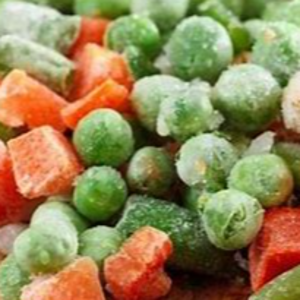
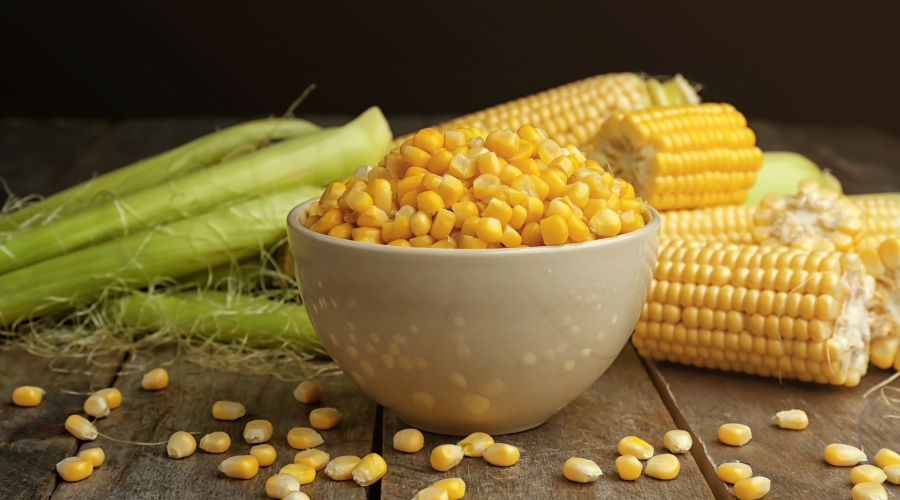
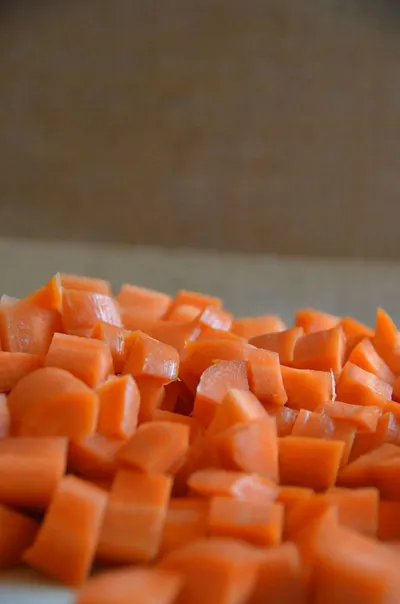
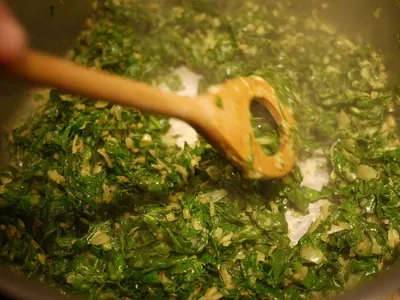
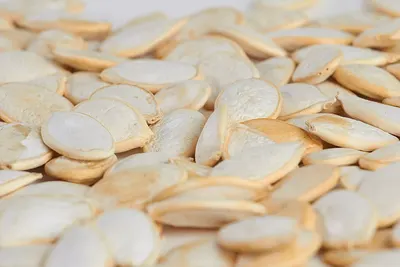
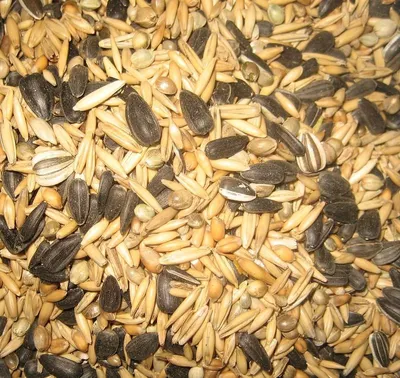
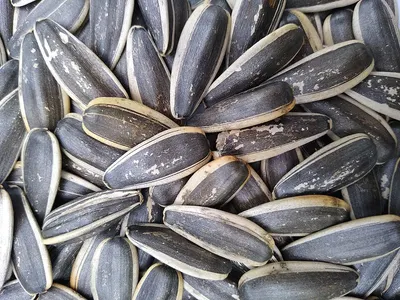
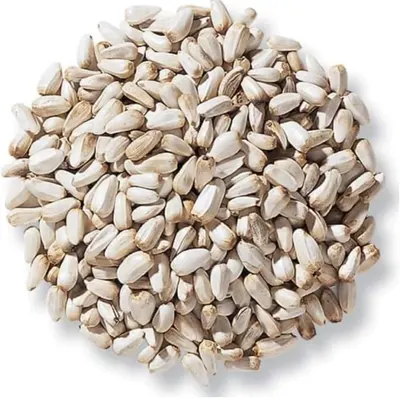
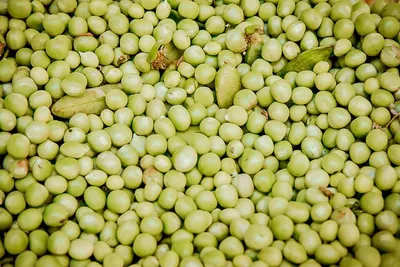
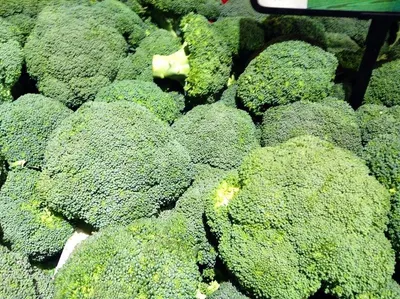
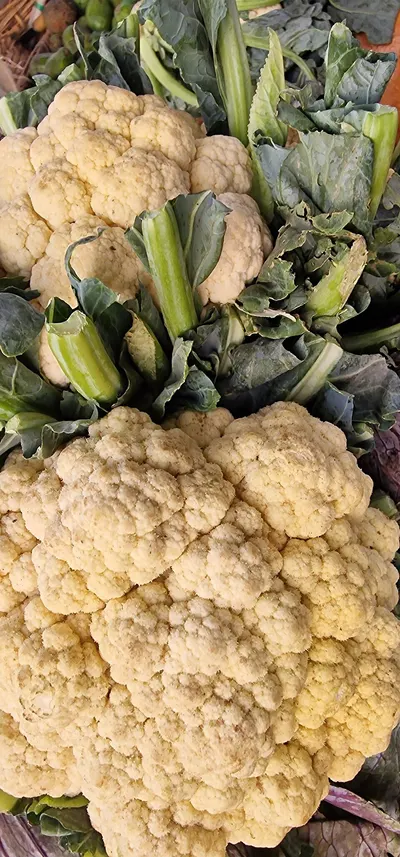
Egypt hosts a diversified food processing sector, and Davo Company lists 20 active products sourced from the country. The catalogue covers IQF or frozen vegetables such as Broccoli Cuts Frozen, Frozen Mixed Broccoli And Cauliflower, Frozen Okra Cuts, Spinach Chopped and Frozen Carrots, as well as fresh‑cut items like Broccoli Florets, White Cauliflower and Green Peas with Carrots. Canned vegetables include Red Kidney Beans In Cans, Canned Green Fava Beans, Sweet Corn Kernel In Cans and Artichoke Hearts In Cans. Seed offerings comprise Roasted Sunflower Seeds, Peeled Raw Sunflower Seeds, Peeled Roasted Sunflower Seeds and Raw Pumpkin Seeds.
The product portfolio is grouped under four top categories: IQF or Frozen Vegetables, Canned Vegetables, Sunflower Seed and Pumpkin Seeds. Each category contains multiple SKUs, bringing the total to twenty distinct items. The frozen line follows individual quick‑freeze processing, while the canned line uses standard retort procedures. Seed products are offered in both raw and roasted forms, meeting typical snack‑grade specifications.
Product Range and Specialties of Davo Company
Davo Company’s catalogue reflects common product formats in the frozen‑vegetable and canned‑vegetable markets. Frozen vegetables are usually packed in 10 kg bulk bags or 1 kg retail trays and meet EU microbiological limits of ≤10 cfu/g for total plate count and ≤100 cfu/g for coliforms. Typical grades for frozen broccoli and cauliflower fall under “Grade A” with ≥90 % colour retention after thawing. Canned beans and corn are generally processed to a 2 % salt brine, sealed in 400 g or 800 g tin cans, and comply with BRC Global Standard for Food Safety. Sunflower and pumpkin seeds sold for snack use are frequently classified as “Roasted - Grade A” with moisture ≤5 % and aflatoxin < 10 µg/kg. Industry standards such as ISO 22000, HACCP plans and, where applicable, BRC or IFS certification are routinely requested by importers.
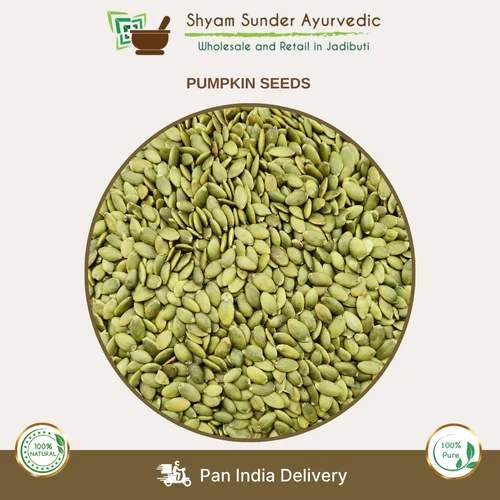
The catalogue’s seed range includes both raw and roasted varieties, which in the global market are often sold in 25 kg poly‑bags or 1 kg retail packs. Typical quality parameters include oil content of 45‑50 % for roasted sunflower seeds and a broken seed rate below 2 %. Pumpkin seeds are commonly graded by size (e.g., 8‑10 mm) and sold with a maximum moisture of 6 %.
Frequently Asked Questions About Davo Company
What product categories does Davo Company list?
The catalogue includes IQF or frozen vegetables, canned vegetables, roasted and raw sunflower seeds, and raw pumpkin seeds, totaling twenty individual SKUs.
Which HS codes are relevant for these products?
Frozen and canned vegetables fall under HS 2008 (frozen) and HS 2008/2009 (canned) in chapter 20, while sunflower and pumpkin seeds are classified under HS 1206 in chapter 12.
What certifications should a buyer ask for?
Buyers should request ISO 22000 or HACCP compliance, a phytosanitary certificate, and, where required, BRC or IFS certification for canned goods. Seed shipments usually need aflatoxin test results and a moisture certificate.
What are typical packaging formats?
Frozen vegetables are commonly packed in 10 kg bulk bags or 1 kg retail trays, canned vegetables in 400 g or 800 g tin cans, and seeds in 25 kg poly‑bags or 1 kg retail packs.
What is the usual MOQ and lead time?
The typical minimum order is 5 metric tons per container for frozen and canned products and 2 metric tons for seeds. Lead time from order confirmation to shipment is usually 30‑45 days.
 Egypt
Related Suppliers & Products
Explore similar suppliers, related products and trending categories