Cortex Chemicals — Supplier
About Cortex Chemicals - Industrial Chemicals Supplier in Poland
Cortex Chemicals operates from Poland and lists six active products in its catalogue. The listed items are Cyclohexanone, Cyclohexanol, Isobutyraldehyde, n-Butyraldehyde, Ortho‑cresol and Trsiloxane, all classified under the Industrial Chemicals and Chemicals & Allied Products categories. Each product is presented without additional HS‑code detail in the supplied data, but they fall within the HS Chapter 29 family for organic chemicals. The catalogue size of six items reflects a focused portfolio rather than a broad line of commodities.
The supplier’s catalogue groups the chemicals by functional family: ketones (Cyclohexanone, Isobutyraldehyde, n‑Butyraldehyde), alcohols (Cyclohexanol, Ortho‑cresol) and a siloxane derivative (Trsiloxane). This structure allows buyers to identify related process chemicals for applications such as solvents, intermediates in polymer synthesis, and specialty additives. All six products are listed under the same trust tier “harbor,” indicating a moderate level of verification within the platform.
Product Range and Specialties of Cortex Chemicals
Cortex Chemicals offers six organic intermediates that are commonly used in petrochemical processing, resin manufacture and fine‑chemical synthesis. In the broader market, Cyclohexanone is typically supplied at ≥99 % purity with a water content below 0.05 % and a boiling point around 155 °C; Cyclohexanol is often offered at 98‑99 % purity with a flash point above 90 °C. Isobutyraldehyde and n‑Butyraldehyde are aldehydes usually shipped with purity specifications of 96‑98 % and controlled aldehydic content. Ortho‑cresol is a phenolic compound generally required at 99 % purity for resin and disinfectant formulations. Trsiloxane, a siloxane oligomer, is supplied with defined viscosity ranges (e.g., 10‑30 cSt at 25 °C) and low moisture levels. Buyers typically request certificates of analysis (COA) that confirm these parameters.
Industry standards for these chemical classes include compliance with REACH registration for the European market, GHS classification for hazard communication, and ISO 9001 quality management systems. Common material safety data sheet (SDS) sections cover acute toxicity, environmental hazards and handling precautions. When sourcing, buyers often compare product grades such as “technical grade” versus “pharmaceutical grade” depending on end‑use requirements.
Trade and Export Information - Cortex Chemicals
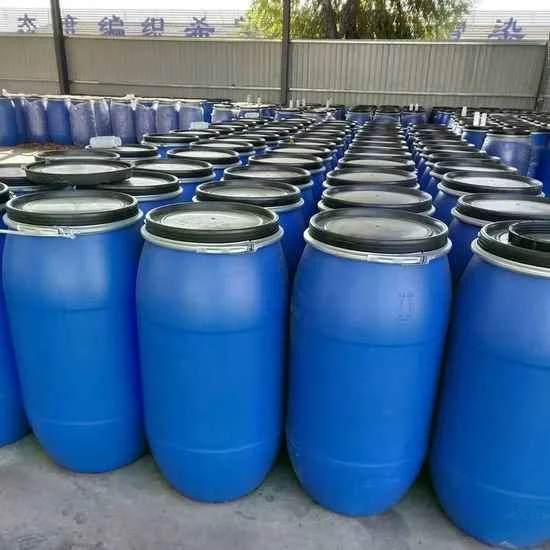
Polish chemical exporters frequently ship organic intermediates to the European Union, North America and East Asia, where demand for solvents and polymer precursors remains strong. The HS codes for the listed items fall within the 2903‑2915 range of Chapter 29, which is subject to customs inspections for hazardous material declarations and, where applicable, anti‑dumping duties. Standard export packaging includes 20‑ft or 40‑ft containers equipped with 200 L steel drums or intermediate bulk containers (IBCs) that meet UN recommendations for hazardous liquids. Incoterms such as FOB Gdańsk or CIF Rotterdam are commonly used for these bulk shipments. Buyers should verify that the supplier can provide REACH‑compliant documentation for EU imports and that the shipment meets the destination country’s chemical import permits.
Sourcing from Cortex Chemicals - Buyer Guidance
When evaluating Cortex Chemicals, request a current SDS and a COA for each product to confirm purity, water content and compliance with any relevant specifications. Ask for evidence of REACH registration or an equivalent national chemical safety dossier, especially if the target market is the EU. Verify that the supplier’s packaging meets UN 30 classification for flammable liquids and that the transport mode aligns with the buyer’s logistics capabilities. It is advisable to obtain a sample batch for laboratory validation before committing to a full container load, and to confirm lead times for production and customs clearance.
Frequently Asked Questions About Cortex Chemicals
What are the typical purity levels for Cyclohexanone and Cyclohexanol supplied by Cortex Chemicals?
Buyers usually receive Cyclohexanone at ≥99 % purity and Cyclohexanol at 98‑99 % purity, with water content specified below 0.05 % for both products.
Which HS code range applies to the chemicals listed in the catalogue?
All six products belong to HS Chapter 29 (organic chemicals), specifically within the 2903‑2915 sub‑heading range used for ketones, aldehydes and phenolic compounds.
What documentation should a buyer request before purchasing?
Request a current Safety Data Sheet (SDS), a Certificate of Analysis (COA) for each batch, and proof of REACH registration or an equivalent chemical safety dossier.
What packaging formats are typical for these chemicals during export?
Standard export packaging includes 200 L steel drums or intermediate bulk containers (IBCs) placed inside 20‑ft or 40‑ft containers, complying with UN hazardous liquid regulations.
Which certifications are commonly required for importing these chemicals into the EU?
Importers generally require REACH registration, GHS classification on the SDS, and may also request ISO 9001 quality system certification from the supplier.
What are the usual Incoterms used for shipping Polish chemicals like those listed?
FOB Gdańsk and CIF Rotterdam are frequently used, allowing the buyer to manage inland transport or receive a door‑to‑door service respectively.
How can a buyer verify the grade of Trsiloxane offered?
The buyer should obtain a COA that details viscosity (e.g., 10‑30 cSt at 25 °C), purity percentage, and moisture content, and compare it with the required specifications for the intended application.
What lead time should a buyer expect for a full container order?
Lead times typically range from 4 to 6 weeks, covering production, quality testing, documentation preparation and container loading, though exact timing depends on order size and destination port.




 , Poland