Canorea — Verified Supplier
About Canorea - Industrial Chemicals Supplier in Canada
Canada hosts the supplier Canorea, which currently lists six active products in its catalogue. The portfolio spans industrial chemicals, industrial valves & gauges, phosphoric acid, and quartz products, reflecting the four top categories recorded for the company. Specific items include Teflon valves, a range of process chemicals, N‑Methylpyrrolidone (NMP) solvent, PVDF binder, phosphoric acid, and a quartz ware product classified under HS code 7020.00 as high‑purity quartz (SiO2 ≥ 99.99 %). Each product is tied to its relevant HS‑code family, such as 8481 for valves and 2901‑2919 for chemical substances.
The six‑product lineup indicates a focused supply model rather than a broad‑spectrum catalog. By grouping under industrial chemicals and valve hardware, Canorea aligns its offerings with standard export classifications used for bulk chemicals, specialty solvents, and precision quartz components. The presence of a quartz wafer product suggests capability for high‑purity silicon‑based substrates, a niche segment within the semiconductor supply chain. Although the catalogue does not disclose production volumes, the listed items cover typical grades required by downstream manufacturers in North America and beyond.
Product Range and Specialties of Canorea
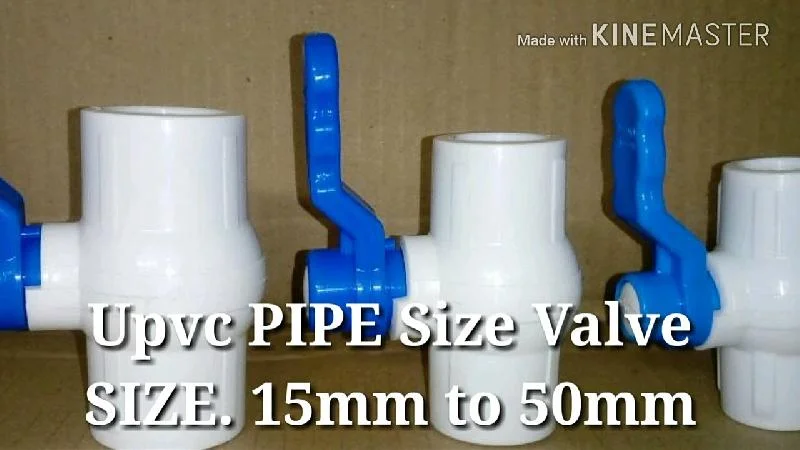
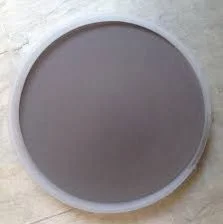
Canorea’s catalogue lists Teflon‑coated valves, which in the valve market are often rated to ASTM A216 or ISO 9001 standards for pressure ratings up to 250 bar and temperatures up to 260 °C. The process chemicals category includes generic “Chemicals (Process)” that usually conform to REACH‑registered purity levels of 99 % or higher, depending on the end use. N‑Methylpyrrolidone (NMP) is commonly supplied at 99.5 % purity and meets GHS classification for a polar aprotic solvent; buyers typically request a Certificate of Analysis showing water content below 0.1 %. PVDF binder is a fluoropolymer used in thin‑film applications and is usually delivered with a melt flow index of 2‑5 g/10 min and a molecular weight around 500 kDa. Phosphoric acid is generally offered in concentrations of 85 % to 99 % w/w, with standard specifications for iron and heavy‑metal limits. The quartz ware item, described as VLSI grade, aligns with industry expectations for wafer thicknesses of 250‑300 µm, resistivity above 10 kΩ·cm, and surface flatness within 0.5 µm across 4‑inch or 6‑inch diameters.
Trade and Export Information - Canorea
Canada’s chemical export sector primarily serves the United States, the European Union, and East Asian markets, where demand for high‑purity solvents, specialty binders, and semiconductor‑grade quartz remains strong. The HS‑code families represented - 8481 for valves, 2901‑2919 for organic chemicals, and 7020.00 for quartz ware - are routinely inspected under Canada Border Services Agency (CBSA) export controls and may require pre‑shipment documentation such as a Commercial Invoice, Packing List, and a Material Safety Data Sheet (MSDS). Typical certifications requested by importers include ISO 9001 quality management, ISO 14001 environmental compliance, and, for chemicals, REACH registration or a US EPA TSCA certificate of compliance. Quartz wafers are often subject to additional testing for particle contamination (≤ 10 particles/100 cm²) and may need to meet IEC 61340‑5‑1 handling standards. Shipping is usually performed in 20‑ft or 40‑ft containers for bulk chemicals (drums or IBCs) and in specialized anti‑static cartons or wooden crates for quartz wafers, with Incoterms such as FCA, FOB or CIF commonly applied.
Sourcing from Canorea - Buyer Guidance
When sourcing from Canorea, buyers should request a current Certificate of Analysis for each chemical product, confirming purity, water content, and any residual metal limits. An up‑to‑date MSDS is essential for NMP, PVDF binder, and phosphoric acid to verify hazard classifications and safe‑handling procedures. For the quartz ware, a test report showing SiO2 purity (≥ 99.99 %), resistivity, and dimensional tolerances should be obtained before finalizing the order. Buyers are advised to confirm the supplier’s compliance with REACH or TSCA for the solvent and binder, and to ask for a copy of any ISO‑based quality management certification if available. Packaging specifications - drum size (200 L) for bulk chemicals, IBC for PVDF, and anti‑static foam inserts for wafers - should be clarified to ensure safe transport, and lead times of 4‑6 weeks are typical for high‑purity quartz shipments from Canada.
Frequently Asked Questions About Canorea
What types of valves does Canorea list in its catalogue?
Canorea lists Teflon‑coated industrial valves, which are generally rated for pressures up to 250 bar and temperatures up to 260 °C under ASTM A216 or equivalent standards.
Which solvent is offered and what purity level is typical?
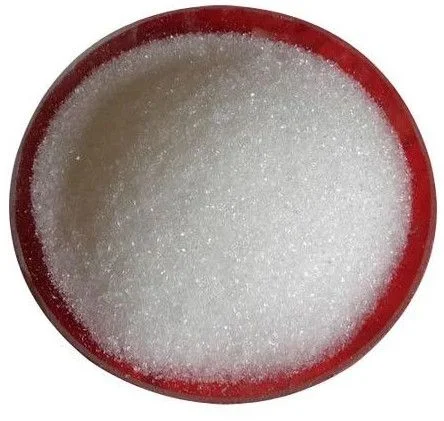
The supplier offers N‑Methylpyrrolidone (NMP) and buyers should expect a purity of 99.5 % with water content below 0.1 %, documented in a Certificate of Analysis.
What are the common specifications for the PVDF binder?
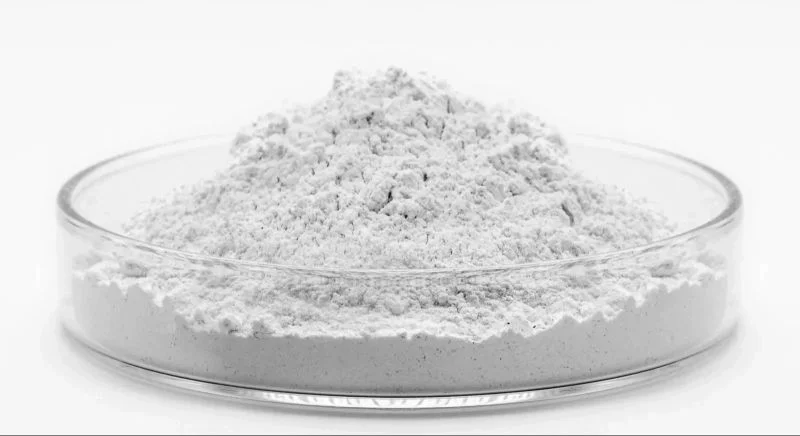
PVDF binder is usually supplied with a melt flow index of 2‑5 g/10 min, a molecular weight around 500 kDa, and purity exceeding 99 %, all verified by a COA.
What concentration grades are available for phosphoric acid?
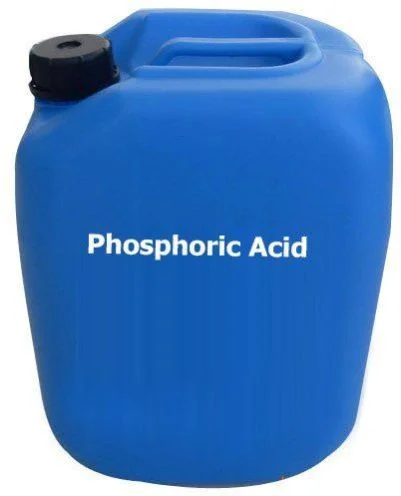
Phosphoric acid is typically offered in 85 % to 99 % w/w concentrations, with standard limits on iron and heavy‑metal impurities as required by REACH.
What material and HS code apply to the quartz product?
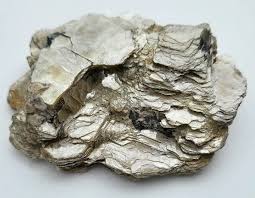
The quartz ware is high‑purity quartz (SiO2 ≥ 99.99 %) classified under HS code 7020.00 and is described as VLSI grade suitable for semiconductor applications.
Which certifications should a buyer request from Canorea?
Buyers should request ISO 9001 or ISO 14001 certificates if available, REACH registration for chemicals, and any applicable TSCA compliance documents for US imports.
What packaging formats are used for the chemical products?
Bulk chemicals are typically packed in 200 L steel drums or 1 m³ IBCs, while the quartz wafers are shipped in anti‑static foam‑lined wooden crates to protect against breakage.
What are the usual lead times and shipment terms for these products?
Lead times range from 3 weeks for standard chemicals to 4‑6 weeks for VLSI‑grade quartz wafers, with Incoterms such as FCA, FOB or CIF commonly applied for international shipments.




 , Canada