Bioveda Naturals — Verified Supplier
About Bioveda Naturals - Herbal Extracts Supplier in India
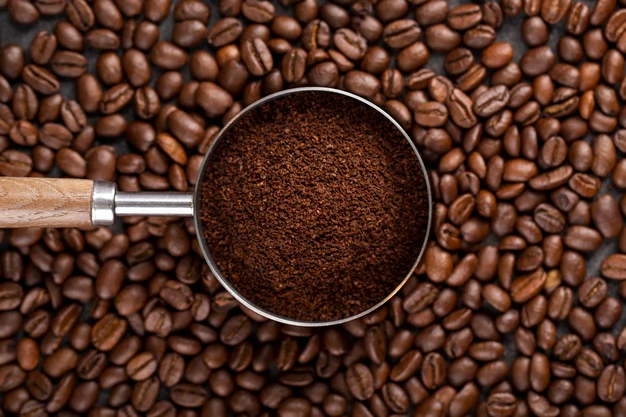
Bioveda Naturals, located in India, offers a diverse range of products, with 9 active products listed in their catalogue. Their primary product categories include Herbal Extracts, Chemicals & Allied Products, Essential Oils, Fruits, and Coffee. The company lists specific products such as Beta Carotene Powder and Oil, Serratiopeptidase, Lactobacillus, Bromelain, Garcinia Cambogia, Lycopene Powder and Oil, Papaya Fruit Gel, Ginseng Extract, and Green Coffee Bean Extract. Notably, Serratiopeptidase and Bromelain are classified under the HS code 3507.90, with the former being a Proteolytic Enzyme from Serratia species and the latter derived from Pineapple Stem and Fruit.
Buyers sourcing from India can expect to find a variety of herbal extracts and other products, with many of these goods being exported to regions such as North America, Europe, and Asia. The HS code families involved in the export of these products include 3507.90 for enzymes and 1302.19 for plant extracts. India, as an origin country, has a significant presence in the global market for herbal extracts and other related products, with many exporters catering to the demands of international buyers.
Product Range and Specialties of Bioveda Naturals
Bioveda Naturals' product range encompasses various herbal extracts, chemicals, and other specialty products. For instance, their Garcinia Cambogia product is standardized to contain 50%-70% Hydroxycitric Acid (HCA), highlighting the importance of specific grade and purity in these products. Similarly, their Bromelain and Serratiopeptidase are proteolytic enzymes with specified potencies, underscoring the need for precise specifications in this category. Buyers should be aware of the typical grades and specifications for these products, such as ICUMSA standards for sugar-related products or the CP (cloud point) for palm oil, to ensure they are sourcing the correct quality and type of products for their needs.
Trade and Export Information - Bioveda Naturals
Exporters of herbal extracts and related products from India, like Bioveda Naturals, typically cater to a global market. The HS code 3507.90, for example, is commonly used for enzymes like Serratiopeptidase and Bromelain, while 1302.19 applies to plant extracts such as Garcinia Cambogia. Buyers of these products usually require certifications such as ISO 9001 for quality management or compliance with food safety standards like HACCP. The regulatory context, including adherence to Incoterms like CIF or FOB, and the logistics of shipping in 20 ft or 40 ft containers, play a crucial role in the trade of these goods. India's export context for herbal extracts involves compliance with the country's food and drug regulations, as well as international standards for export.
Sourcing from Bioveda Naturals - Buyer Guidance
When sourcing from Bioveda Naturals or similar suppliers, buyers should request specifications, samples, and test reports to verify the quality and purity of the products. For herbal extracts like Garcinia Cambogia, it's essential to confirm the HCA content and ensure it meets the required standards. Similarly, for enzymes like Bromelain, understanding the potency and activity is crucial. Buyers should also verify the packaging, typically in bags or drums, and the moisture and purity percentages to ensure the products meet their requirements. Requesting certifications like ISO 9001 or HACCP compliance can provide assurance of the supplier's quality management and food safety practices.
Frequently Asked Questions About Bioveda Naturals
What is the primary product category of Bioveda Naturals?
The primary product category of Bioveda Naturals includes Herbal Extracts, among other categories like Chemicals & Allied Products, Essential Oils, Fruits, and Coffee. Specifically, their product range includes items such as Beta Carotene Powder and Oil, and Green Coffee Bean Extract.
What certifications should I request from Bioveda Naturals?
Buyers should request certifications such as ISO 9001 for quality management, HACCP for food safety, or any other relevant standards that apply to the specific products being sourced, like GMP for herbal extracts. Additionally, requesting test reports and certificates of analysis can provide further assurance of product quality and purity.
What are the typical quality parameters for herbal extracts like Garcinia Cambogia?
For Garcinia Cambogia, typical quality parameters include the Hydroxycitric Acid (HCA) content, which should be between 50%-70% for standard products. Buyers should also consider other factors like moisture content, purity, and the presence of heavy metals or other contaminants.
What is the usual packaging for products like Bromelain and Serratiopeptidase?
The usual packaging for enzymes like Bromelain and Serratiopeptidase, and other products from Bioveda Naturals, can vary but often includes packaging in bags, drums, or other containers suitable for the product's form and intended use. Buyers should specify their packaging requirements when ordering.
How do I verify the authenticity and quality of products from Bioveda Naturals?
To verify the authenticity and quality, buyers should request and review documentation such as certificates of analysis, test reports, and any relevant certifications. Conducting audits or requesting third-party inspections can also provide assurance of the supplier's practices and product quality.
What are the common Incoterms used in the trade of herbal extracts and related products?
Common Incoterms include CIF (Cost, Insurance, and Freight) and FOB (Free On Board), which define the responsibilities of the buyer and seller regarding the delivery of goods. Buyers should understand the implications of each Incoterm on their costs and responsibilities.
What is the significance of the HS code in the export of products like Serratiopeptidase and Garcinia Cambogia?
The HS code, such as 3507.90 for Serratiopeptidase and 1302.19 for Garcinia Cambogia, is crucial for customs clearance, determining duties, and complying with regulations. Buyers and sellers must accurately classify their products using the correct HS codes to avoid delays or legal issues in international trade.




 , India