Agriculture›
 Apparel and fashion accessories›
 Construction & real estate›💡Electronic & Electrical›🍎Food & Beverages›🛋️Home furnishing & supplies›⚗️Industrial goods & chemical›🪨Minerals & metals›📦Miscellaneous›Agriculture›Apparel and fashion accessories›Construction & real estate›💡Electronic & Electrical›🍎Food & Beverages›🛋️Home furnishing & supplies›⚗️Industrial goods & chemical›🪨Minerals & metals›📦Miscellaneous›
Best Group Viet Nam Co., Ltd
⚓ Harbor , Viet NamNew supplier / no reviews yet
Best Group Viet Nam Co., Ltd Product Catalog
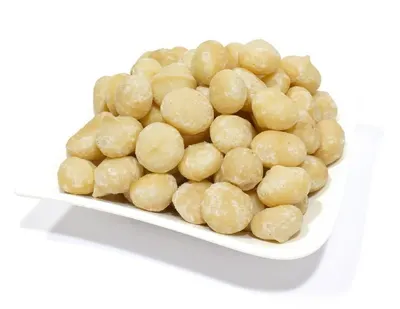
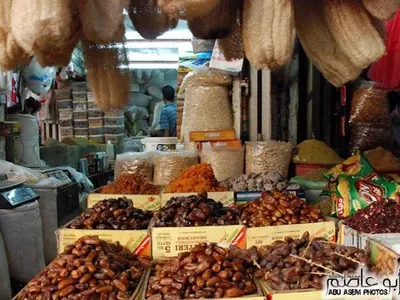
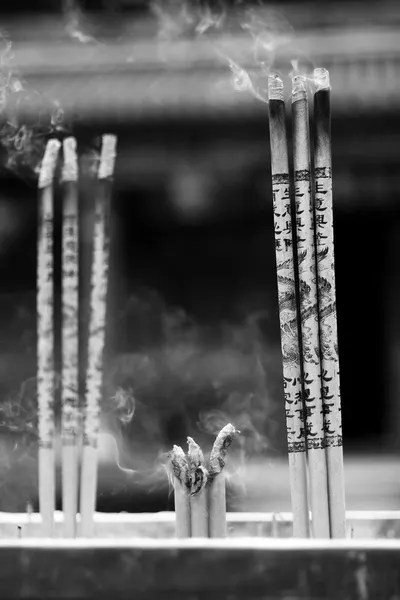
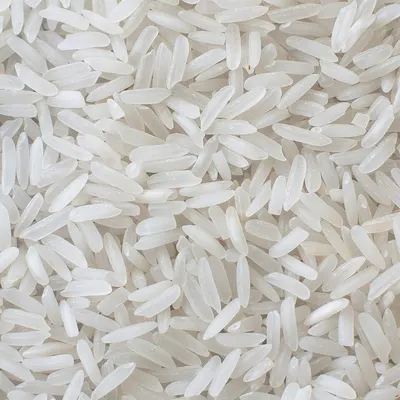
About Best Group Viet Nam Co., Ltd - Macadamia Nuts Supplier in Viet Nam
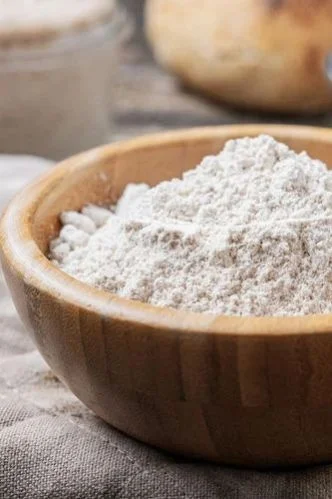
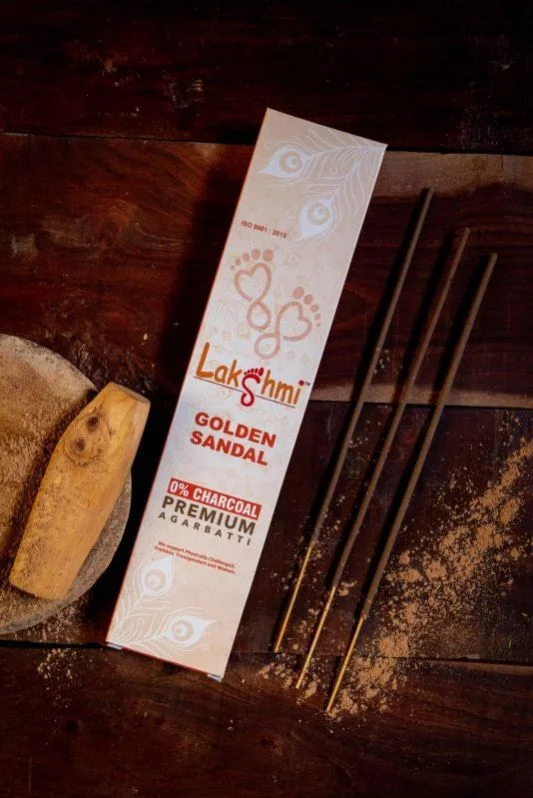
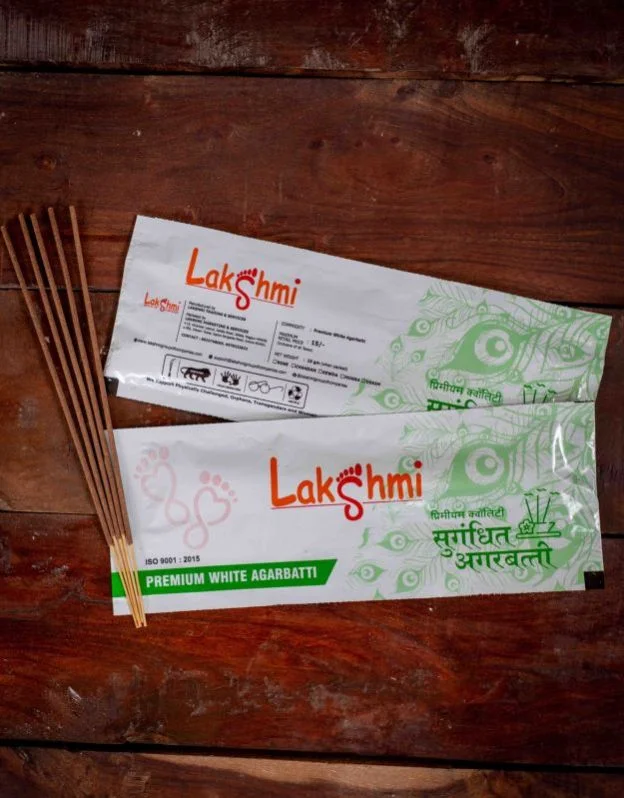
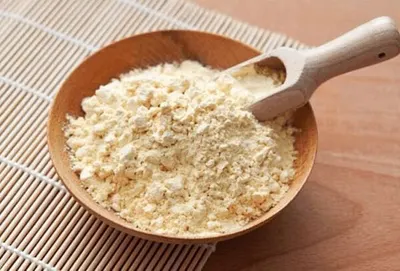
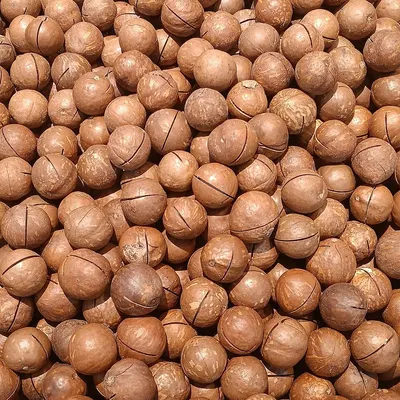
Vietnam, the origin of Best Group Viet Nam Co., Ltd, lists 25 active products across several agricultural categories. The catalogue includes macadamia nuts, various incense sticks and cones, coffee beans (including robusta), jasmine and organic rice, as well as ancillary items such as fruit juice and green banana flour. The product families correspond to HS Chapter 08 (nuts), Chapter 33 (incense and aromatic products), Chapter 09 (coffee), and Chapter 10 (rice and related cereals). The supplier’s trust tier is classified as “harbor” in the platform’s rating system. Each product entry is identified by its specific name, for example “New Season Vietnam Macadamia” or “Organic Vietnam ST25 Rice”.
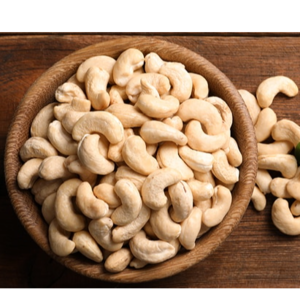
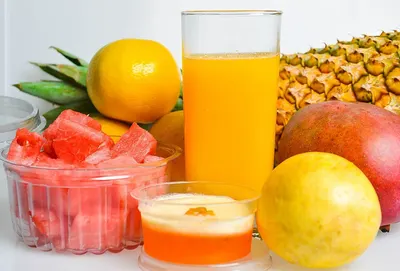
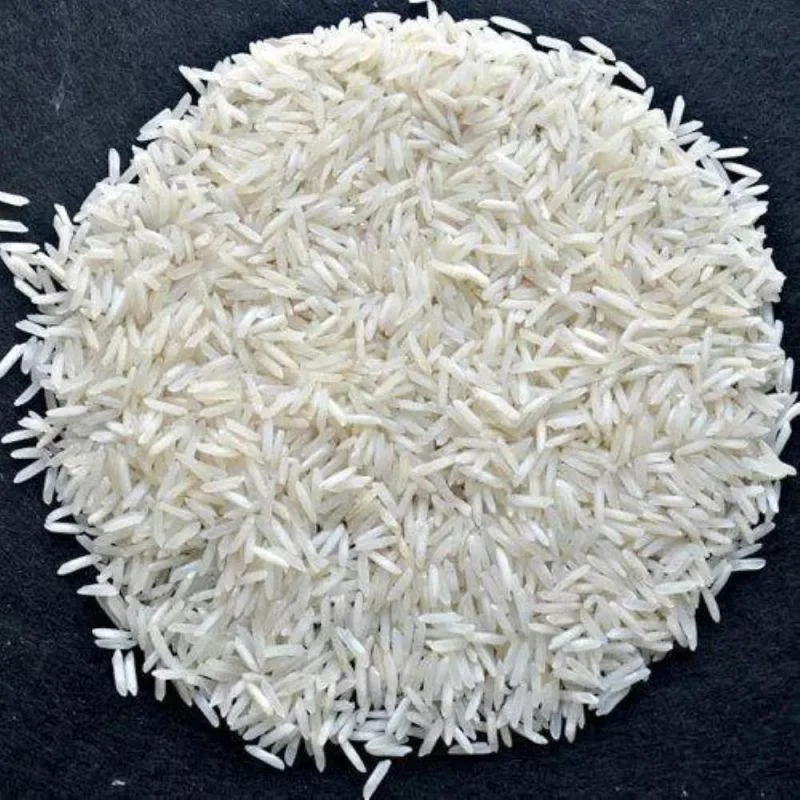
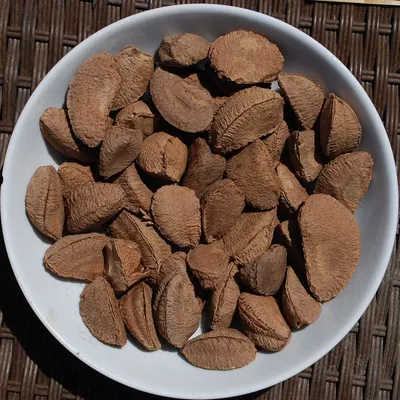
Macadamia offerings cover raw nuts, ready‑to‑eat roasted nuts, and bulk dry nuts, while the incense line includes natural herbal sticks, agarwood sticks and cone formats. Coffee listings comprise generic coffee beans and a dedicated robusta line, reflecting Vietnam’s position as a leading robusta exporter. Rice products feature broken rice (ST25 5 % broken), japonica broken, jasmine rice and an organic ST25 variant. Additional catalog items such as fruit juice and green banana flour expand the portfolio into processed food ingredients. All items are presented without specific HS codes in the source data, but they fall within the standard international tariff headings for their categories.
Product Range and Specialties of Best Group Viet Nam Co., Ltd
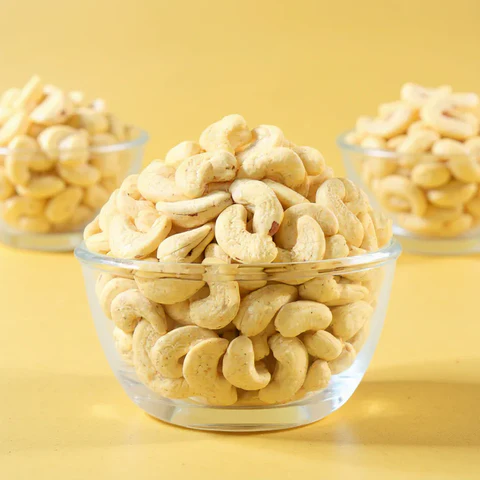
Macadamia nuts from Vietnam are typically graded by size (A‑grade ≥ 12 mm) and moisture content below 5 %, with shell‑free kernels packed in multi‑layer polypropylene bags or 20 ft containers. The catalogue distinguishes raw nuts, ready‑to‑eat roasted nuts and bulk dry nuts, which align with industry specifications such as ICUMSA for color and aflatoxin limits of ≤ 10 µg kg⁻¹ for export markets.
Incense sticks and cones are commonly produced from herbal blends or agarwood chips, with burn times ranging 30 - 45 minutes and an ISO‑9001 quality management system expected for consistent fragrance. Vietnamese robusta coffee beans are usually classified as grade C or D, moisture ≤ 12 %, and screened for defects before being packed in jute or kraft paper bags of 60 kg. Rice exports, including jasmine, ST25 broken and organic variants, meet the Codex standard for moisture (≤ 14 %) and may be certified organic under EU or US standards; broken rice is often sold in 25 kg bags for bulk shipment.
Frequently Asked Questions About Best Group Viet Nam Co., Ltd
What product categories does Best Group Viet Nam Co., Ltd list?
The supplier lists macadamia nuts (raw, roasted and ready‑to‑eat), various incense sticks and cones (herbal and agarwood), coffee beans including a robusta line, jasmine rice, broken rice (ST25 and japonica), organic ST25 rice, fruit juice and green banana flour.
How can I obtain a sample of the macadamia nuts?
Samples are usually offered in 5 kg sealed bags; request a sample by specifying the grade (e.g., A‑grade raw nuts) and the intended use. The supplier can arrange shipment under FOB terms with a commercial invoice for customs clearance.
Which HS codes apply to the listed products?
The typical HS headings are 0802 for macadamia nuts, 3307 for incense sticks and cones, 0901 for coffee beans, and 1006 for rice and broken rice. These codes are used for customs declaration and tariff calculation.
What certifications should I ask for when importing coffee beans from Vietnam?
Buyers commonly request a phytosanitary certificate, a certificate of origin, and a food‑safety certificate such as ISO 22000 or HACCP. If the coffee is marketed as organic, an additional organic certification (EU‑ECO or USDA‑NOP) is required.
What is the usual packaging for rice exports from Vietnam?
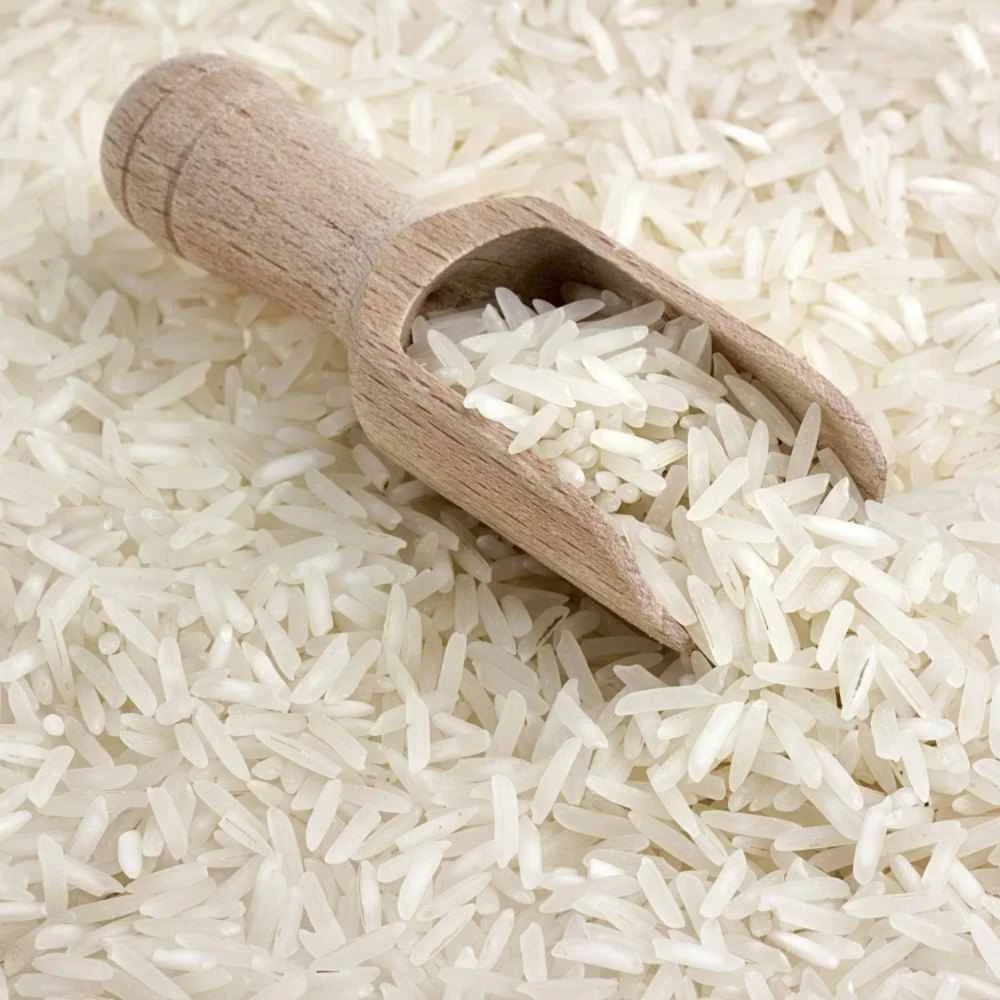
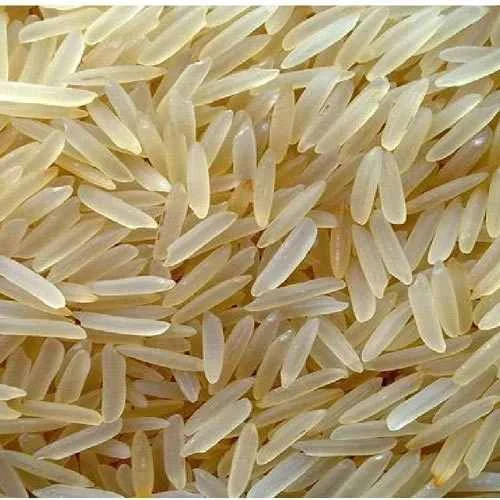
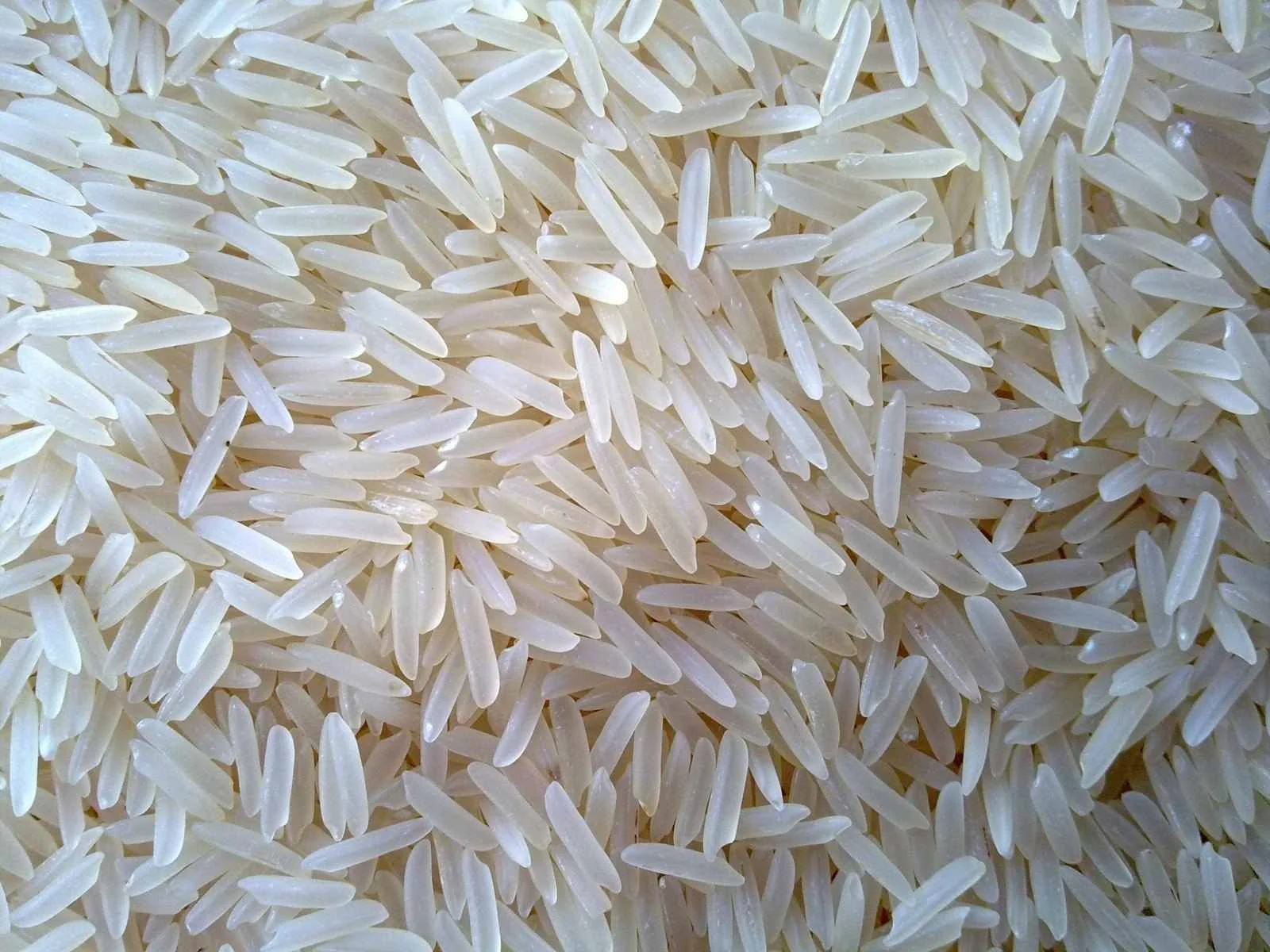
Rice is packed in 25 kg or 50 kg polypropylene bags, which are then stacked and shrink‑wrapped inside 20 ft containers. For broken rice, bags may be labeled with the percentage of broken grains (e.g., ST25 5 % broken).
Viet NamRelated Suppliers & Products
Explore similar suppliers, related products and trending categories