Agriculture›
 Apparel and fashion accessories›
 Construction & real estate›💡Electronic & Electrical›🍎Food & Beverages›🛋️Home furnishing & supplies›⚗️Industrial goods & chemical›🪨Minerals & metals›📦Miscellaneous›Agriculture›Apparel and fashion accessories›Construction & real estate›💡Electronic & Electrical›🍎Food & Beverages›🛋️Home furnishing & supplies›⚗️Industrial goods & chemical›🪨Minerals & metals›📦Miscellaneous›
Belle Creations Product Catalog

About Belle Creations - Cotton Rugs Supplier in India
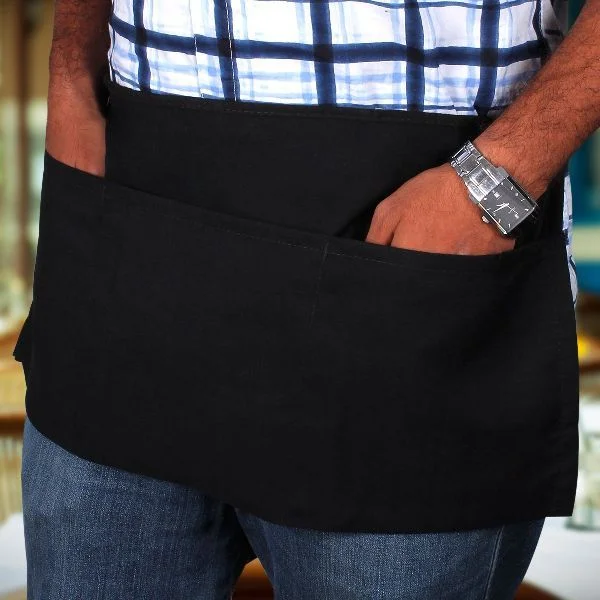
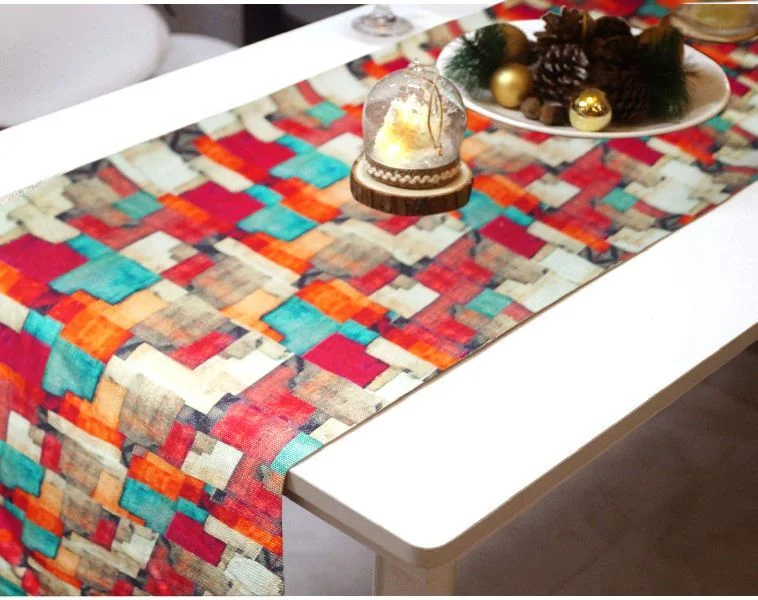
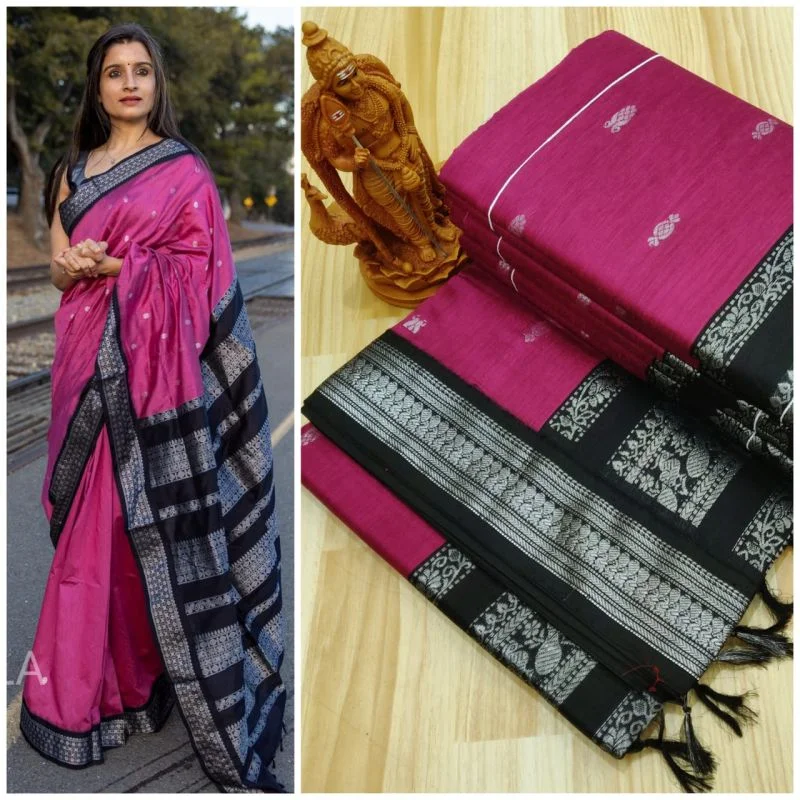
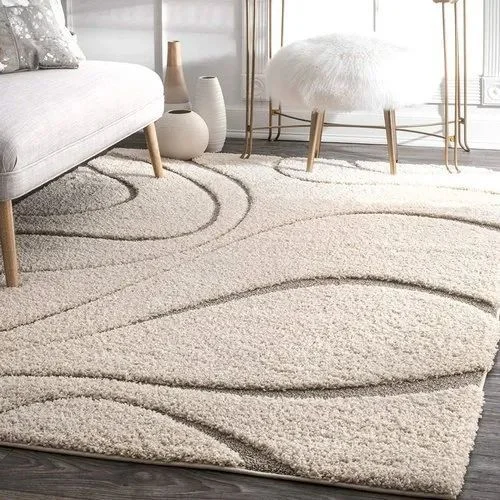
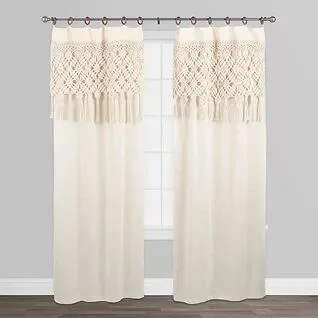
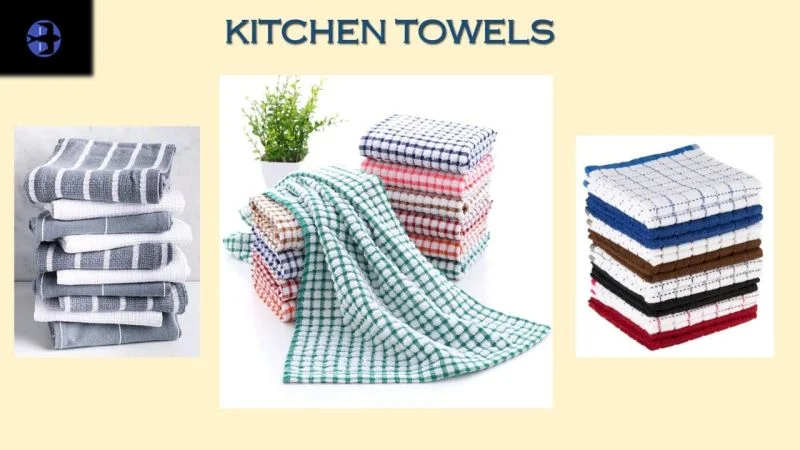
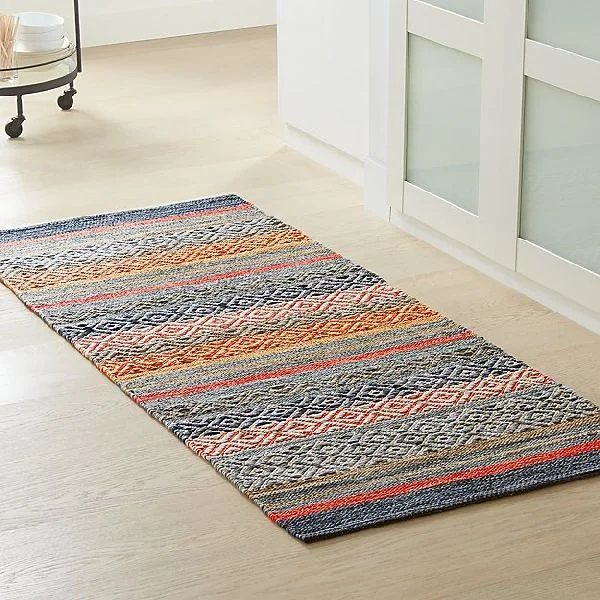
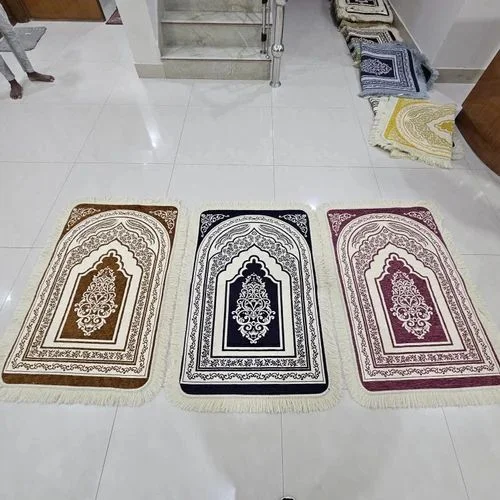
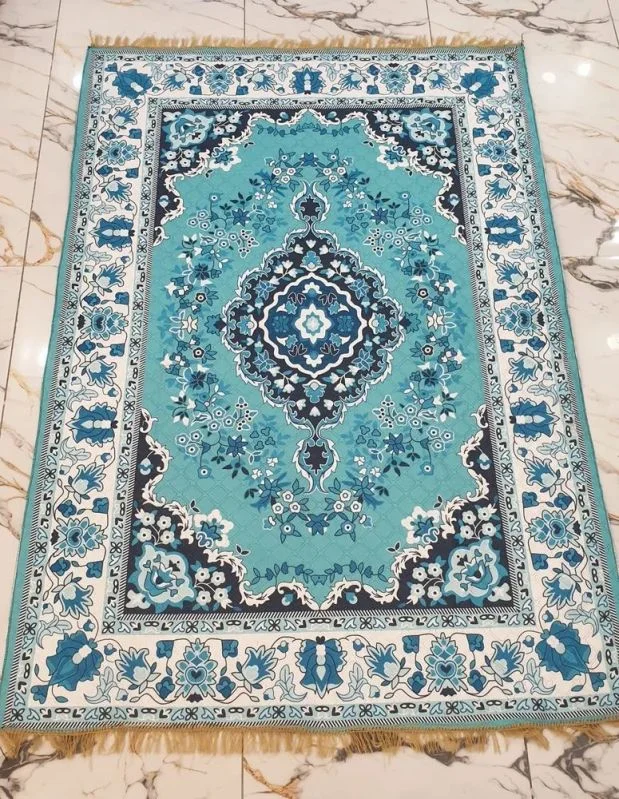
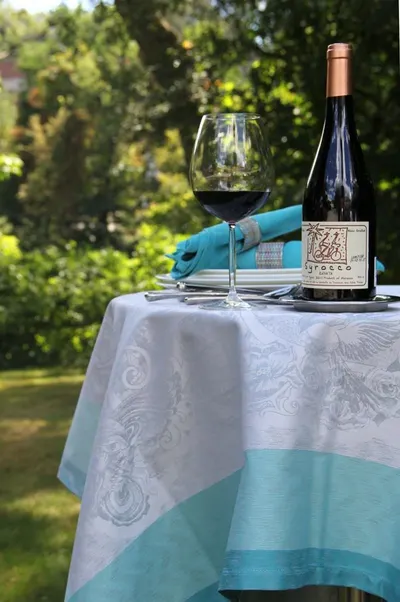
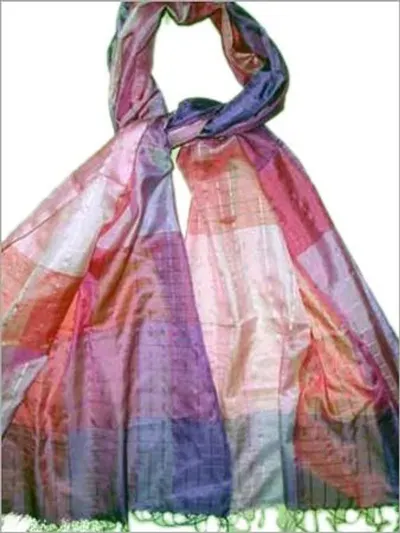
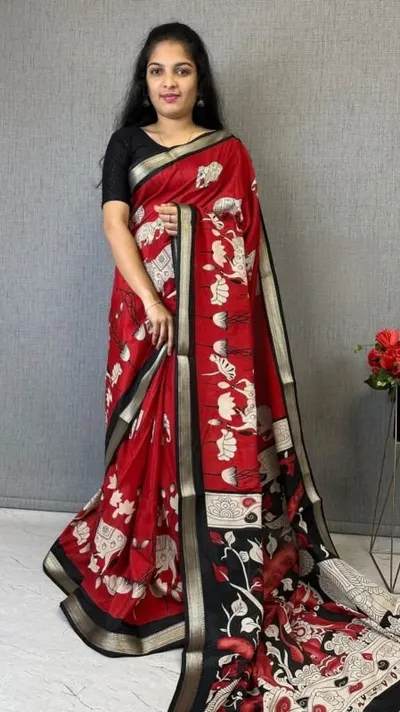
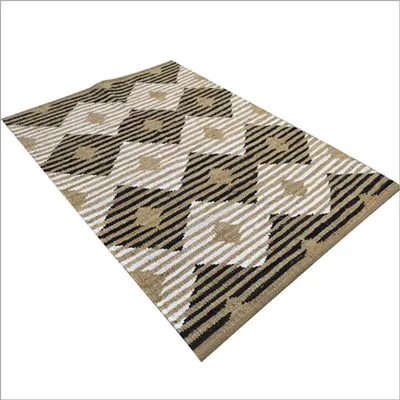
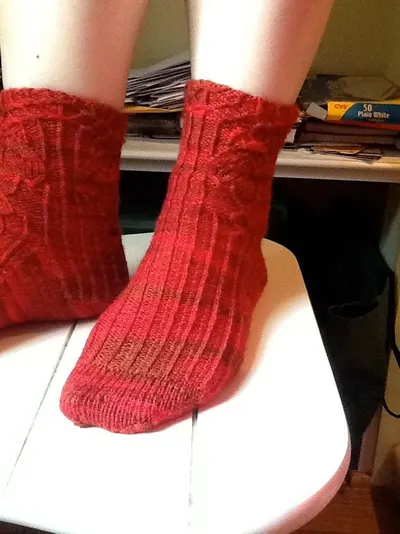
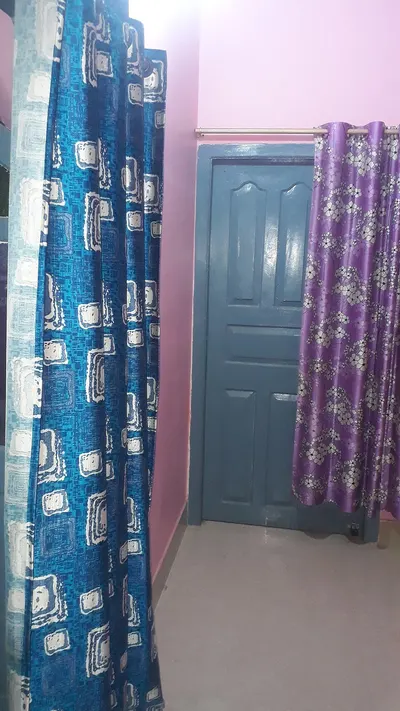
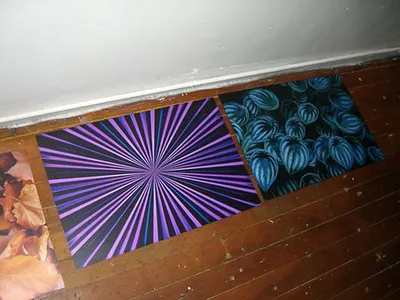
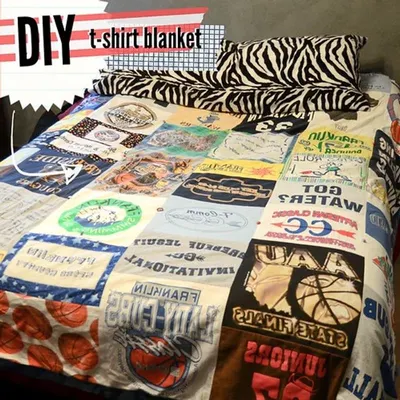
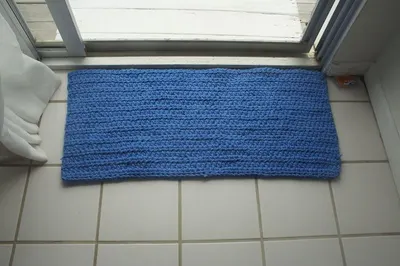
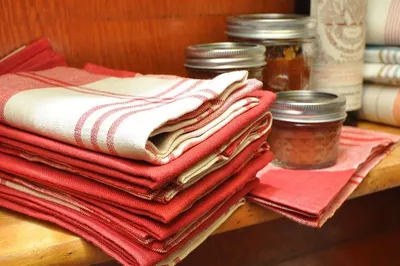
Belle Creations is based in India and currently lists 18 active products across home textiles and decorative items. The catalogue includes handloom 100 % cotton rugs, printed cotton rugs, hand‑woven jute‑cotton blends, wool‑cotton composite rugs, as well as cotton table mats and runners. It also offers cotton aprons classified under HS code 6211.42 with a material description of 100 % cotton canvas/twill, kitchen oven gloves, tea towels, 100 % cotton table cloths, round beach blankets (HS 6301.30, 100 % cotton), wall tapestries, curtains, hand‑knitted woolen socks, assorted dhurries, Indian sarees, silk dupattas and towels. The product set spans floor coverings, table linen, kitchen accessories and soft furnishings.
The listed items are organized under the top categories Cotton Rugs, Table Linen, Table Mats, Aprons, Kitchen Gloves, Kitchen Towels, Blankets and Wall Finishes. No additional certifications or factory details are supplied in the catalogue. Each product is described primarily by material composition, with two items providing explicit HS codes. The supplier’s trust tier is recorded as “harbor” within the platform.
Product Range and Specialties of Belle Creations
The product range covers handloom cotton rugs, printed variants, jute‑cotton and wool‑cotton blends, which in the industry are classified under HS chapter 63 (carpets and other floor coverings). Standard grades for Indian handloom rugs range from 100 % natural fibre, pile height 5‑10 mm, and a GSM of 250‑350. Printed cotton rugs often meet colour‑fastness standards such as ISO 105‑B02. Table mats and runners are typically woven with a thread count of 180‑250 and a width of 30‑45 cm, suitable for commercial hospitality use.
Aprons made from 100 % cotton canvas/twill fall under HS 6211 and are commonly required to comply with Oeko‑Tex Standard 100 for harmful‑substance limits. Kitchen gloves and tea towels are usually specified by absorbency (e.g., 10 g / m²) and heat‑resistance (up to 200 °C for oven gloves). Blankets and wall tapestries are generally produced in GSM 300‑500, with silk dupattas evaluated for fiber purity (>99 % silk) and fabric weight 40‑60 g/m². The catalogue also includes towels, which in trade are measured by GSM 400‑600 and loop count.
Frequently Asked Questions About Belle Creations
What types of rugs does Belle Creations offer and under which HS code are they classified?
The supplier lists handloom 100 % cotton rugs, printed cotton rugs, jute‑cotton blend rugs and wool‑cotton composite rugs. These floor‑covering items fall under HS chapter 63, with the round cotton beach blankets specifically coded as 6301.30.
Are there any HS codes provided for the textile products?
Yes. The catalogue includes HS 6211.42 for the 100 % cotton canvas/twill aprons and HS 6301.30 for the 100 % cotton round beach blankets. Other products are grouped within the broader HS chapters for carpets (63) and apparel/textiles (62).
What material specifications are given for the aprons?
Aprons are described as made from 100 % cotton canvas/twill. Buyers typically verify the fabric weight (around 250 g/m²) and request Oeko‑Tex Standard 100 certification to confirm absence of restricted substances.
Which certifications should a buyer request for kitchen gloves and towels?
For kitchen oven gloves and tea towels, buyers commonly request Oeko‑Tex Standard 100 or ISO 9001 quality‑management certification, along with a heat‑resistance test report indicating performance up to at least 200 °C for gloves.
What is the typical packaging method for the table linens?
Table mats, runners and cloths are usually folded, placed in sealed poly‑bags and then packed in double‑wall cardboard cartons sized to protect the fabric during sea freight. Carton dimensions are matched to the product size to optimise container space.
 India
Related Suppliers & Products
Explore similar suppliers, related products and trending categories