Beautyflex Textile Screen Inks — Verified Supplier
About Beautyflex Textile Screen Inks - Printing Inks Supplier in India
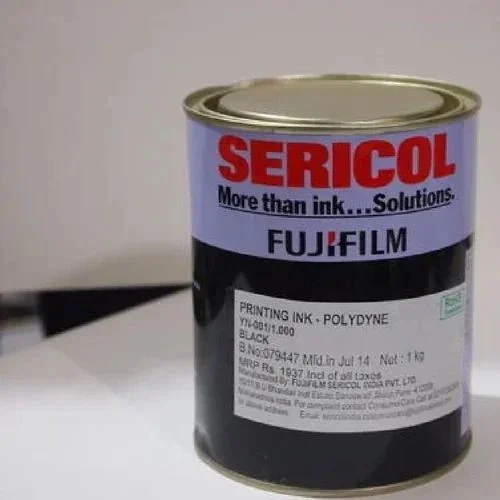
Based in India, Beautyflex Textile Screen Inks lists five active products across its catalogue. The company’s offerings fall under the categories of Printing Inks, Tools & Instruments, and Buttons (Tailoring Material). Its product portfolio includes Plastisol Opq Inks, High Density & Puff inks, the BKF Denim Cutter, Emboss Gell (HS code 3824.90, a polyurethane and acrylic polymer blend), and the Dazzle Series. Each item is identified by its specific product name as recorded in the supplier’s catalogue. The supplier is classified in the harbor trust tier.
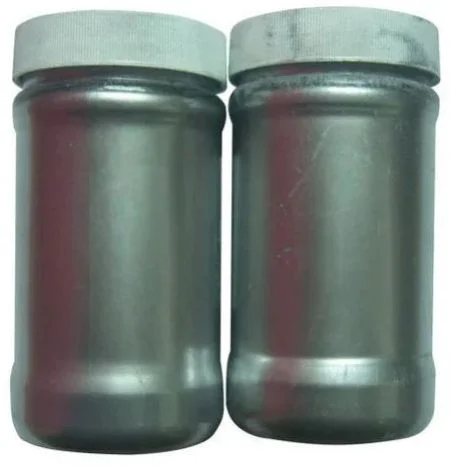
The Plastisol Opq Inks are opaque screen‑printing inks commonly used for textile applications. High Density & Puff refers to specialty inks that create raised, three‑dimensional effects on fabric after curing. The BKF Denim Cutter is a hand‑operated cutting tool designed for precision cutting of denim and other heavy fabrics. Emboss Gell is a polymer blend used to produce embossed patterns on textiles, typically supplied in liquid form for screen application. The Dazzle Series comprises decorative inks formulated for bright, metallic finishes on apparel.
Product Range and Specialties of Beautyflex Textile Screen Inks
The catalogue’s five products reflect three distinct sub‑segments. Plastisol Opq Inks are PVC‑based inks that cure at 150‑180 °C, offering opacity levels measured by ISO 4915 and viscosity in the 500 - 700 cP range for screen printing. High Density & Puff inks are formulated with expanding agents that generate a raised surface, usually specified by puff height (0.5 - 2 mm) and density (g/100 cm²). The BKF Denim Cutter is typically a steel‑blade tool with a blade length of 250 mm and a hardened handle for durability in cutting denim layers. Emboss Gell, classified under HS 3824.90, combines polyurethane and acrylic polymers; industry standards often require a Shore A hardness of 70 - 80 and a drying time of 5 - 10 minutes at 25 °C. The Dazzle Series includes metallic pigments blended into a base ink, with particle size below 5 µm to ensure smooth flow and high gloss after curing.
Trade and Export Information - Beautyflex Textile Screen Inks
India is a major exporter of textile screen inks, with shipments primarily directed to garment manufacturers in Bangladesh, Vietnam, the United Arab Emirates, and Europe. Products classified under HS chapter 38, such as the Emboss Gell (HS 3824.90), are subject to chemical safety regulations including REACH registration for the EU and the Indian Central Pollution Control Board guidelines. Printing inks generally require compliance with ISO 9001 quality management and, for food‑contact textiles, ISO 22716 cosmetic GMP standards. Typical export packaging includes 20 L metal drums for bulk inks and sealed polyethylene bottles for specialty colours, loaded in 20‑ft or 40‑ft containers. Buyers often request certificates of analysis (CoA), safety data sheets (SDS), and, where applicable, conformity to the Oeko‑Tex Standard 100 for textile chemicals.
Sourcing from Beautyflex Textile Screen Inks - Buyer Guidance
When sourcing Plastisol Opq Inks or High Density & Puff inks, request a sample printed on the intended fabric to verify colour match, opacity, and puff height. Request a current Safety Data Sheet and a Certificate of Analysis that lists PVC content, viscosity, and cure temperature range. For the BKF Denim Cutter, ask for material certification confirming the blade is made from hardened carbon steel and inquire about blade replacement intervals. For Emboss Gell, obtain the SDS, a CoA showing the exact polymer composition, and any REACH registration numbers if the shipment is destined for the EU. Verify that packaging meets the buyer’s logistics requirements - drums should be sealed with tamper‑evident caps and labelled with HS code 3824.90.
Frequently Asked Questions About Beautyflex Textile Screen Inks
What types of inks does Beautyflex Textile Screen Inks offer?
The supplier lists Plastisol Opq Inks, which are opaque PVC‑based screen inks, and High Density & Puff inks that create raised effects on fabric after curing.
Is the Emboss Gell product classified under a specific HS code?
Yes, Emboss Gell is recorded with HS code 3824.90, covering polymer blends of polyurethane and acrylic.
What material is used for the BKF Denim Cutter?
The catalogue identifies the BKF Denim Cutter as a tool, typically manufactured from hardened steel, though the exact alloy is not specified in the source data.
Which certifications should a buyer request for the inks?
Buyers should request a Certificate of Analysis and a Safety Data Sheet; for international shipments, REACH registration and ISO 9001 compliance are commonly required.
What packaging formats are typical for these inks?
Screen inks are usually shipped in sealed metal drums of 20 L or in polyethylene bottles, both of which can be palletised for 20‑ft or 40‑ft container loading.
Can samples be obtained before placing a full order?
Suppliers of screen inks generally provide small‑volume samples for colour and performance testing; buyers should ask for a printed sample on the target fabric to evaluate opacity and puff effect.
What are the usual lead times for the Denim Cutter tool?
Tools such as the BKF Denim Cutter are often stocked and can be dispatched within 7‑14 days after order confirmation, depending on quantity.
Are there any standard tests for the quality of puff inks?
Puff inks are commonly assessed for puff height (measured in mm), density (g/100 cm²), and cure temperature compliance with ISO 4915 specifications.




 , India