Balaji Enterprise — Verified Supplier
About Balaji Enterprise - Industrial Chemicals Supplier in India
Balaji Enterprise is an India-based supplier operating with 7 active product listings concentrated in the industrial chemicals segment, with calcium chloride identified as the primary category. The catalogue covers inorganic chlorides and related compounds used across water treatment, agriculture, construction and chemical processing, with the supplier's base of operations situated in India, a country that ranks among the world's leading exporters of inorganic salts and bulk industrial chemicals. The product mix spans potassium salts, calcium chloride, magnesium compounds and poly aluminum chloride, giving buyers a single-source option for several adjacent water-clarification and process-chemical inputs. The HS code 2827.31 is paired with the calcium chloride entry, placing that product within the international customs tariff subheading for chlorides of calcium, while the remaining chlorides and hydroxides in the catalogue fall within the broader HS chapter 28 (inorganic chemicals) family that governs trade in these commodities.
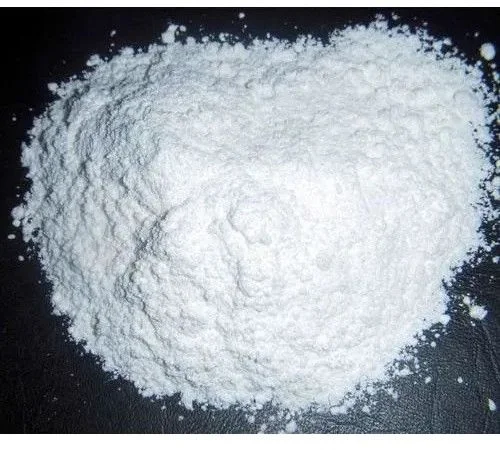
The supplier's listing pattern reflects the structure typical of Indian merchant-export operations handling inorganic salts in bulk, where each chemical is offered as a defined grade with an assay or purity specification rather than as a finished consumer good. Calcium chloride is presented as a white powder with an assay above 94 percent, a specification consistent with the technical-grade material commonly traded for de-icing, dust control, concrete acceleration and brine refrigeration. The remaining listings, including potassium chloride, potassium nitrate, magnesium chloride flakes, magnesium chloride crystal, magnesium hydroxide and poly aluminum chloride, represent complementary inputs used in fertilizer blending, water and wastewater treatment, flame retardancy, and industrial process chemistry, all of which sit within the inorganic chemicals trade that India exports to neighbouring Asian markets, the Middle East and Africa.
Product Range and Specialties of Balaji Enterprise
Balaji Enterprise's catalogue of 7 products is built around inorganic chlorides and hydroxides, beginning with potassium chloride (KCl) and potassium nitrate (KNO3), both of which are staple inputs in the fertilizer and specialty chemical trades. Potassium chloride is the world's most widely used muriate of potash fertilizer and is also a feedstock for potassium hydroxide and other potassium derivatives, with commercial grades typically expressed as K2O equivalent (60-62 percent for standard muriate) and purity percentages in the high 90s for technical and food grades. Potassium nitrate, also known as niter or saltpeter, is traded in technical, agricultural and heat-treatment grades, with purity specifications commonly ranging from 95 percent upward for fertilizer use and tighter assays for pyrotechnic and food applications.
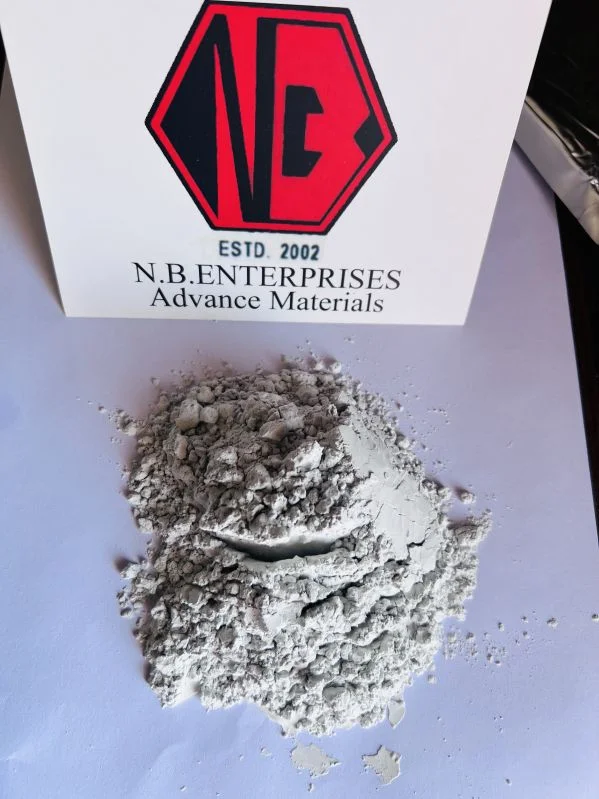
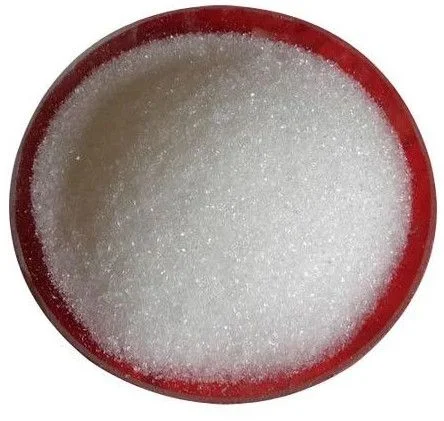
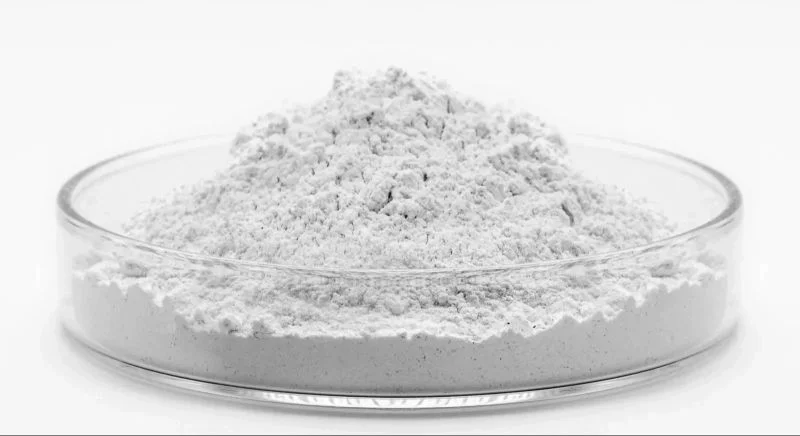
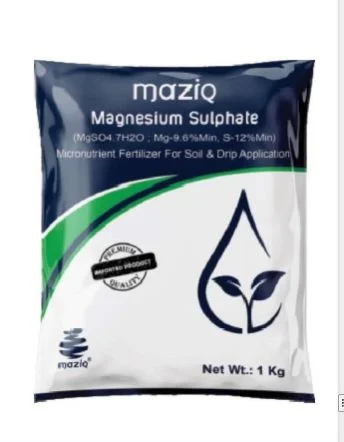
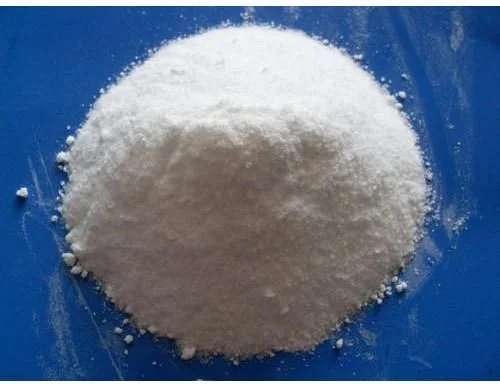
The calcium chloride entry (HS 2827.31) is specified as a white powder with CaCl2 assay above 94 percent, a grade used in de-icing, road stabilization, concrete acceleration, drilling fluids and desiccant applications; commercial calcium chloride is also traded as anhydrous pellets, dihydrate flakes and liquid brine at concentrations of 28-42 percent. Magnesium chloride is listed in two physical forms, flakes and crystal, both as the hexahydrate MgCl2·6H2O, with the hexahydrate being the dominant industrial form used in magnesium metal production, de-icing, dust suppression and textile auxiliaries; typical flake specifications report MgCl2 content of 46-47 percent minimum. Magnesium hydroxide Mg(OH)2 is a flame-retardant filler, acid neutralizer and wastewater precipitant, commonly supplied as a white slurry or powder with active Mg(OH)2 content in the 90-98 percent range. Poly aluminum chloride (PAC) is a coagulant used in potable and industrial water treatment, with basicity values typically between 40 and 85 percent and Al2O3 content in the 10-18 percent range for the most common liquid grades, although powder grades are also traded for export.
Trade and Export Information - Balaji Enterprise
Industrial inorganic chlorides exported from India typically flow into South and Southeast Asia, the Middle East and the Gulf states, and African markets, where they serve municipal water treatment, oil and gas drilling, construction chemicals and agricultural fertilizer blenders. The HS chapter 28 family that covers these products, including subheading 2827.31 for calcium chloride, is generally subject to fewer consumer-product-style regulatory barriers than finished goods, but importers commonly require a Certificate of Analysis (COA) with each shipment, a Material Safety Data Sheet (MSDS/SDS) aligned to GHS classification, and for drinking-water applications, NSF/ANSI 60 or equivalent potability certification on the relevant grade. Indian exporters of these chemicals typically ship in 25 kg or 50 kg woven polypropylene bags with inner polyethylene liners for powder grades, in 1 MT jumbo bags for bulk calcium chloride and magnesium chloride, and in IBC totes or bulk tankers for liquid PAC; container loading is usually by 20 ft dry container at roughly 20-25 MT for bagged powder depending on bulk density.
For cross-border movement, the standard Incoterms used in this segment are FOB, CFR and CIF for sea shipments from western Indian ports such as Mundra, Kandla, Mumbai and JNPT/Nhava Sheva, with lead times for prompt grades typically running 2-4 weeks from order confirmation for in-stock items and longer for made-to-order specifications. Buyers in the fertilizer, water-treatment and oilfield-services sectors typically request pre-shipment inspection by agencies such as SGS, Bureau Veritas or Intertek, along with third-party sampling and assay verification against the agreed COA. Regulatory documents that are commonly requested at destination include the REACH registration status or equivalent for the European Union, halal or kosher certificates where the end use requires it, and country-specific pre-import clearances such as the Gulf Standardization Organization (GSO) conformity mark for GCC states. India's domestic production base for calcium chloride, magnesium chloride and PAC is concentrated in Gujarat and Rajasthan, regions with large salt-bittern and mineral reserves that feed merchant-export operations of this type.
Sourcing from Balaji Enterprise - Buyer Guidance
Buyers sourcing inorganic chlorides and hydroxides from Balaji Enterprise should request the Certificate of Analysis for each lot, with the assay figures aligned to the catalogue specification (for calcium chloride, CaCl2 content above 94 percent; for magnesium chloride hexahydrate, MgCl2 content typically above 46 percent; for PAC, the Al2O3 percentage and basicity value). It is standard practice to ask for a recent MSDS/SDS conforming to GHS, the country of origin certificate, and a packing list that states net weight per bag, bag material and container-stowage plan. For water-treatment end uses, confirmation that the grade meets NSF/ANSI 60, IS 10500 or an equivalent drinking-water standard should be requested in writing before order confirmation, since industrial-grade material is not automatically cleared for potable applications. Where the buyer's market requires it, a pre-shipment inspection by an independent third-party agency (SGS, Bureau Veritas or Intertek) with sampling and lab verification is the most common safeguard against grade drift.
Verification points that are worth checking before issuing a purchase order include the supplier's IEC (Import Export Code) issued by India's Directorate General of Foreign Trade, its GST registration, and the bank reference on the proforma invoice. Lead times should be confirmed in writing, with the distinction made between prompt-ready stock and made-to-specification production, and the Incoterm (FOB, CFR or CIF) and named discharge port should be specified on the order. For first-time transactions, an LC at sight or a confirmed LC is the typical payment instrument in this trade, with TT advances of 20-30 percent common for repeat buyers after a track record is established. Packaging should be specified by the buyer: 25 kg or 50 kg PP bags with PE liners for powder grades, 1 MT jumbo bags for bulk calcium chloride and magnesium chloride, and sealed drums or IBCs for hygroscopic materials such as calcium chloride anhydrous and magnesium chloride hexahydrate, which absorb moisture readily during ocean transit.
Frequently Asked Questions About Balaji Enterprise
What product categories does Balaji Enterprise supply?
Balaji Enterprise lists 7 active products in the industrial chemicals segment, covering potassium chloride (KCl), potassium nitrate (KNO3), calcium chloride (CaCl2) under HS 2827.31, magnesium chloride flakes and crystal (MgCl2·6H2O), magnesium hydroxide (Mg(OH)2) and poly aluminum chloride (PAC). The primary category is calcium chloride, with the remaining items serving adjacent water-treatment, fertilizer and process-chemical applications.
What grade of calcium chloride is offered?
The calcium chloride is specified as a white powder with CaCl2 assay above 94 percent, consistent with the technical grade used in de-icing, concrete acceleration, dust control and brine refrigeration. Buyers should request the COA confirming the CaCl2 percentage and the limits on moisture and heavy metals for their end use.
Which certifications should a buyer request?
Buyers typically request a Certificate of Analysis per lot, a GHS-aligned MSDS/SDS, a Certificate of Origin, and where the end use is drinking water, NSF/ANSI 60 or an equivalent potability standard. For European destinations, REACH registration status of the substance is commonly requested, and for Gulf markets the GSO conformity documentation.
What is the typical packaging for these chemicals?
Powder grades such as calcium chloride, magnesium chloride and PAC are usually packed in 25 kg or 50 kg woven polypropylene bags with polyethylene inner liners, or in 1 MT jumbo bags for bulk shipments. Hygroscopic materials like anhydrous calcium chloride and magnesium chloride hexahydrate benefit from sealed drum or IBC packaging to limit moisture pickup during ocean transit.
What MOQ and lead time should a buyer expect?
For merchant-export inorganic salts out of India, MOQ is typically one 20 ft container (around 20-25 MT for bagged powder depending on bulk density), with smaller trial orders sometimes possible at a premium. Lead times run 2-4 weeks for prompt-ready stock and longer for made-to-specification production, subject to the supplier's manufacturing calendar.
Which Incoterms are standard for these shipments?
FOB, CFR and CIF are the standard Incoterms for seaborne export of Indian inorganic chemicals, with shipments typically loading from Mundra, Kandla, Mumbai or JNPT/Nhava Sheva. The named discharge port and Incoterm should be fixed in the purchase order to avoid ambiguity on freight and insurance responsibility.
How is quality verified before shipment?
Pre-shipment inspection by an independent agency such as SGS, Bureau Veritas or Intertek, with sampling and lab assay against the agreed COA, is the standard safeguard in this trade. Buyers should specify the inspection agency, the sampling plan and the acceptance criteria in the order documentation.
Which industries typically buy these chemicals?
Municipal and industrial water-treatment plants, fertilizer blenders, oil and gas drilling service companies, construction-chemical formulators, and refractory or flame-retardant compounders are the typical end users of this product group. Magnesium hydroxide in particular is widely used as a flame retardant in plastics and rubber compounding.




 , India