Agriculture›
 Apparel and fashion accessories›
 Construction & real estate›💡Electronic & Electrical›🍎Food & Beverages›🛋️Home furnishing & supplies›⚗️Industrial goods & chemical›🪨Minerals & metals›📦Miscellaneous›Agriculture›Apparel and fashion accessories›Construction & real estate›💡Electronic & Electrical›🍎Food & Beverages›🛋️Home furnishing & supplies›⚗️Industrial goods & chemical›🪨Minerals & metals›📦Miscellaneous›
Antonivskii Meatplant LTD
⚓ Harbor , UkraineNew supplier / no reviews yet
Antonivskii Meatplant LTD Product Catalog
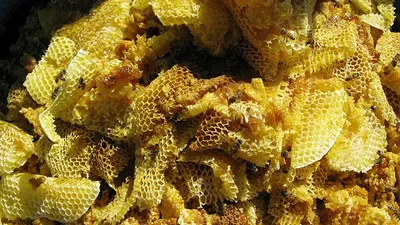

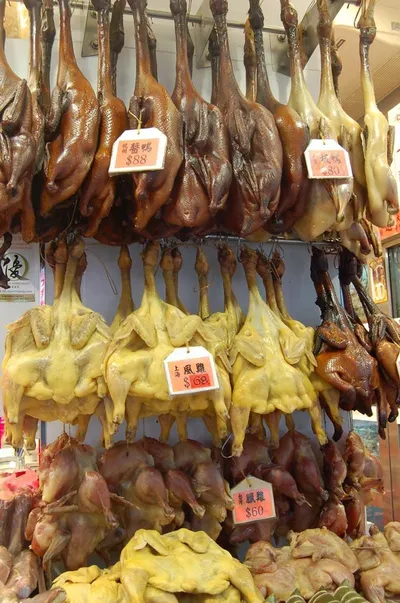
About Antonivskii Meatplant LTD - Meat & Poultry Supplier in Ukraine
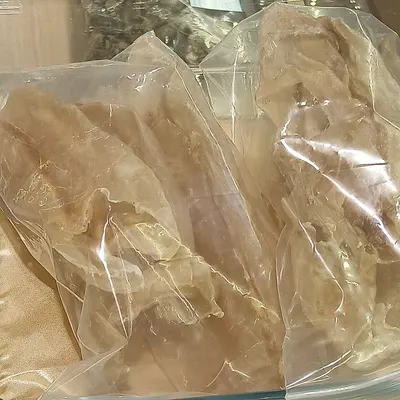
Ukraine hosts Antonivskii Meatplant LTD, which currently lists five distinct meat and off‑al products in its catalogue. The supplier is classified under the “Meat & Poultry” category and the active product count of five includes pork chitterling, beef honeycomb tripe, pork tail, pork ears and beef tripe. Each item is presented as a separate line entry without additional specifications such as HS codes or certifications in the source data. The catalogue therefore reflects a focused range of edible off‑al rather than whole muscle cuts. The supplier’s trust tier is recorded as “harbor”, indicating a mid‑level verification status within the platform.
Product Range and Specialties of Antonivskii Meatplant LTD
The product list comprises pork chitterling, pork tail, pork ears and two beef off‑al items - honeycomb tripe and plain tripe. In the meat processing industry, these off‑al cuts are commonly sorted by size, skin‑on versus skin‑off, and freshness level measured by pH (typically 5.8‑6.2) and moisture content (around 70‑75%). Buyers often specify grades such as “USDA Choice” for tripe texture or “EU hygienic grade A” for pork ears, though such labels depend on the processing plant’s certification. Standard packaging for these products includes vacuum‑sealed polyethylene bags of 5 kg or bulk chilled boxes of 500 kg, allowing transport in refrigerated containers at 0 °C to +4 °C.
Frequently Asked Questions About Antonivskii Meatplant LTD
What types of meat off‑al does Antonivskii Meatplant LTD offer?
The catalogue lists five items: pork chitterling, pork tail, pork ears, beef honeycomb tripe and beef tripe. Each product is presented as a separate entry without additional variants.
Are HS codes provided for the listed products?
No specific HS codes are attached to the catalogue entries. Generally, meat off‑al falls under HS Chapter 02, but buyers should confirm the exact sub‑heading with the supplier.
Which certifications should a buyer request for these products?
Buyers should ask for a current HACCP audit, a veterinary health certificate and any relevant EU or CIS sanitary‑phytosanitary certificates. These documents verify compliance with food safety standards.
What packaging formats are typical for pork ears and tripe?
Industry practice uses vacuum‑sealed polyethylene bags ranging from 5 kg to 20 kg, or bulk chilled boxes of 500 kg for larger shipments. All packaging is kept at 0 °C to +4 °C to preserve freshness.
What are the usual shipment terms for Ukrainian meat off‑al?
Exporters commonly use FOB at Ukrainian ports such as Odesa or CIF to destination hubs. Shipments are placed in refrigerated 20 ft or 40 ft containers with temperature monitoring.
UkraineRelated Suppliers & Products
Explore similar suppliers, related products and trending categories