Agriculture›
 Apparel and fashion accessories›
 Construction & real estate›💡Electronic & Electrical›🍎Food & Beverages›🛋️Home furnishing & supplies›⚗️Industrial goods & chemical›🪨Minerals & metals›📦Miscellaneous›Agriculture›Apparel and fashion accessories›Construction & real estate›💡Electronic & Electrical›🍎Food & Beverages›🛋️Home furnishing & supplies›⚗️Industrial goods & chemical›🪨Minerals & metals›📦Miscellaneous›
ACM Group Product Catalog
About ACM Group - Batteries & Chargers Supplier in Pakistan
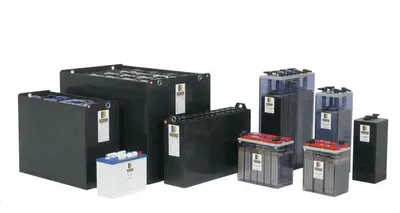
Pakistan‑based ACM Group lists 23 distinct battery products under the Batteries & Chargers category. The catalogue groups the items by lead‑acid technology, covering dry‑charged batteries, maintenance‑free (AGM or gel) types, tubular‑plate flooded batteries, traction batteries for electric vehicles, valve‑regulated lead‑acid (VRLA) units and a series of motorcycle batteries. Each entry is linked to an HS‑code in the 8507.xx family - primarily 8507.10, 8507.20, 8507.30 and 8507.40 - which identifies the specific construction and electrolyte format.
The product descriptions specify core materials such as lead‑acid plates (lead‑calcium, lead‑antimony or lead‑alloy grids), polypropylene or ABS containers, and various separator technologies including absorbed glass mat (AGM) and tubular polyethylene. The HS‑code allocation reflects the differences between flooded, sealed and high‑capacity traction formats, providing a clear customs classification for each battery type.
Product Range and Specialties of ACM Group
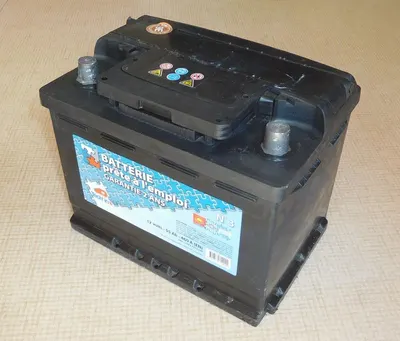
ACM Group’s catalogue includes dry‑charged batteries (e.g., 12GEN‑MR45), maintenance‑free AGM and gel batteries, tubular‑plate flooded units, and high‑current traction batteries ranging from 5 pzb250 to 10 pzb500. In the broader market, lead‑acid batteries are classified by construction: flooded (IEC 60896‑1), sealed VRLA (IEC 60896‑2), and high‑performance traction cells that meet IEC 62133 for safety. Typical specifications buyers encounter are capacity (Ah), cold‑cranking amps (CCA), cycle life (500‑1000 cycles for AGM), and weight per unit. Materials commonly used are lead‑acid plates with lead‑calcium or lead‑antimony alloys, polypropylene/ABS housings, and separators of AGM glass‑mat or tubular polyethylene. Standard grades include IEC 60896‑1 Class A flooded batteries and IEC 60896‑2 Class B VRLA units.
Frequently Asked Questions About ACM Group
What HS codes are assigned to ACM Group’s batteries?
The catalogue assigns HS 8507.10 to sealed and VRLA types, HS 8507.20 to flooded and tubular‑plate batteries, HS 8507.30 to specialized traction cells, and HS 8507.40 to certain high‑capacity traction models.
Which standards should I verify for lead‑acid batteries from Pakistan?
Buyers normally check compliance with IEC 60896‑1 for flooded batteries, IEC 60896‑2 for VRLA units, IEC 62133 for safety, and UN 38.3 for transport. ISO 9001 certification is also commonly requested from the exporter.
What typical specifications are listed for the traction batteries?
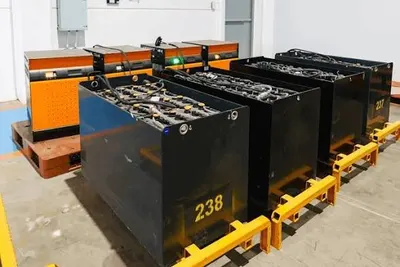
Traction batteries in the catalogue are described by model code (e.g., 10PZB500), nominal voltage, capacity in amp‑hours, tubular‑plate construction, and liquid sulfuric‑acid electrolyte. IEC 62133 safety testing and cycle‑life figures are standard specifications.
How are the batteries packaged for export?
Export shipments are usually packed in steel‑framed wooden crates or bulk pallets, with each crate sized to fit standard 20‑ft or 40‑ft containers. Packaging includes protective padding and moisture‑resistant liners.
What documentation should I request before placing an order?
Request a test certificate (capacity, CCA, cycle life), IEC compliance report, safety data sheet, certificate of origin, and, if available, a third‑party inspection report.
 Pakistan
Related Suppliers & Products
Explore similar suppliers, related products and trending categories