ABM International — Verified Supplier
About ABM International - Porcelain Tiles Supplier in India
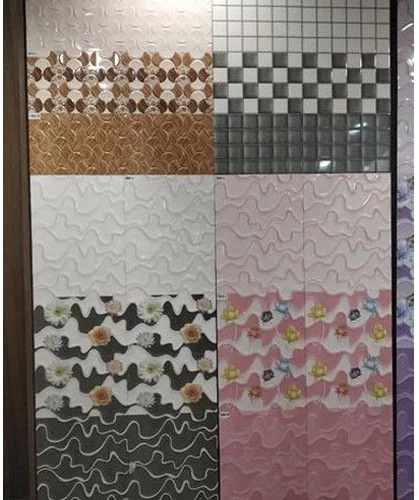
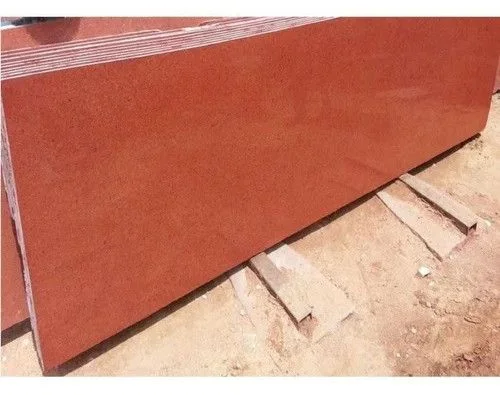
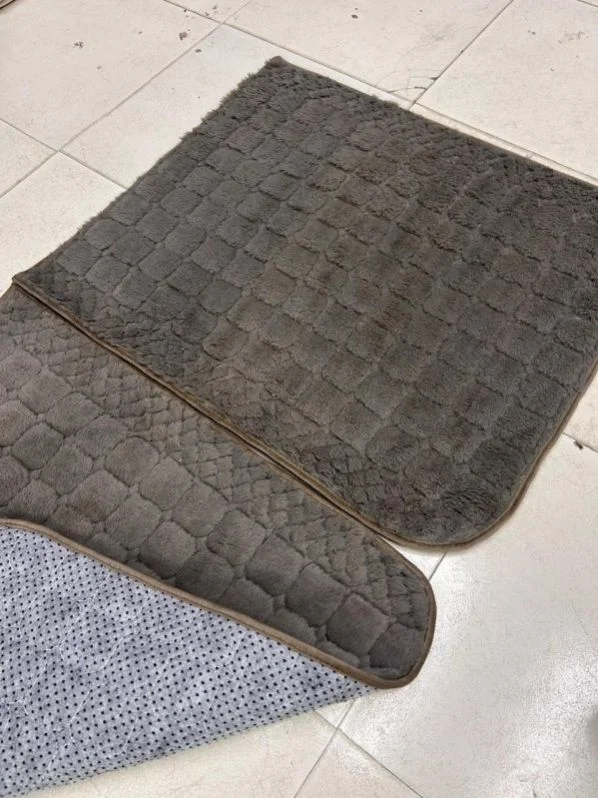
India is the origin of ABM International, which lists six active products in its catalogue. The catalogue includes ceramic tiles, vitrified tiles (GVT/PGVT), porcelain tiles (GVT/PGVT), ceramic sanitary wares, ceramic/porcelain/sublimation mugs, and Rexine/PVC leather. Each product falls under the broader categories of floor and wall coverings, bathroom fixtures, tableware, and synthetic leather materials. The supplier groups the tile items under the porcelain and ceramic tile families, while the mug line combines ceramic and sublimation printing techniques. The PVC leather offering is described as Rexine, a synthetic leather alternative.
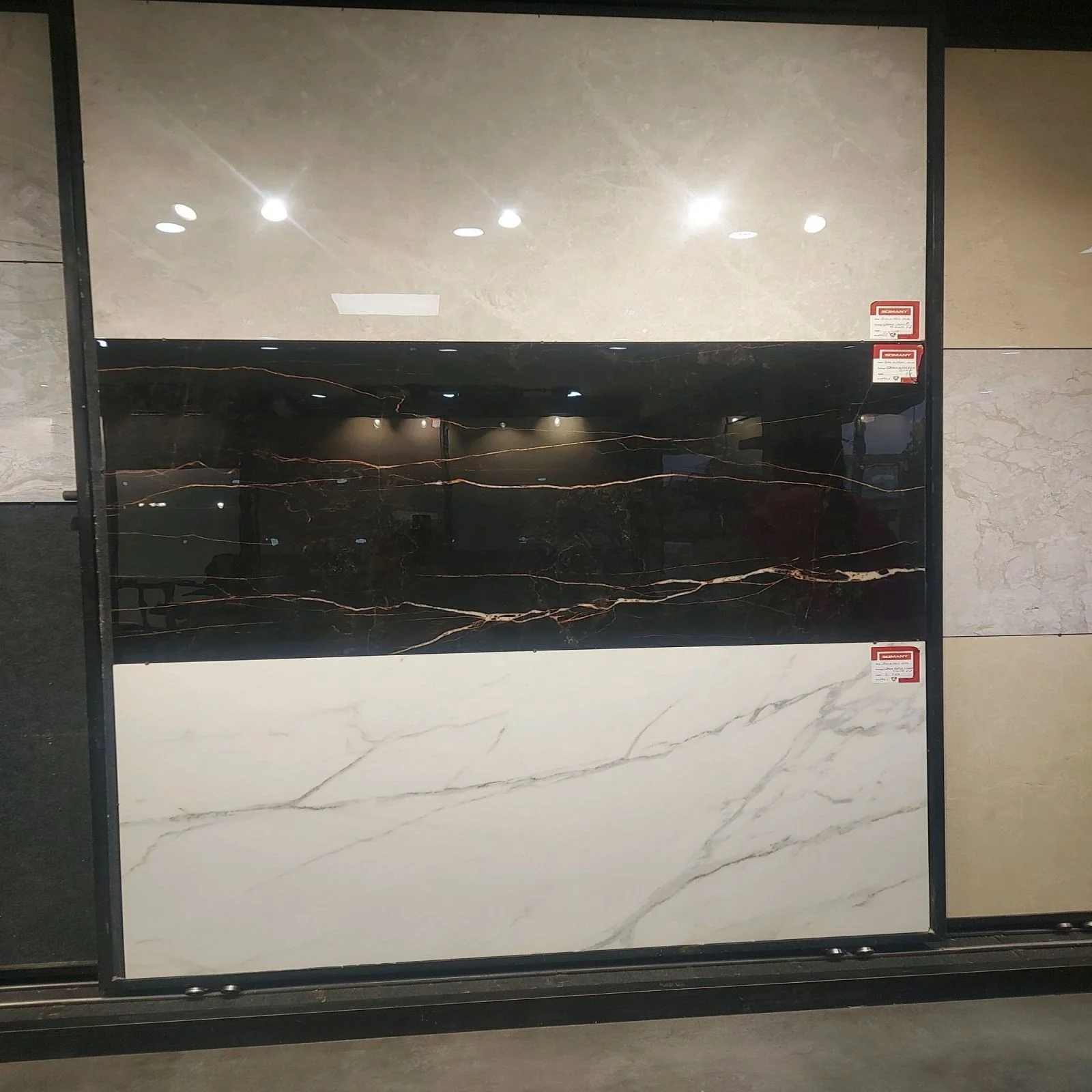
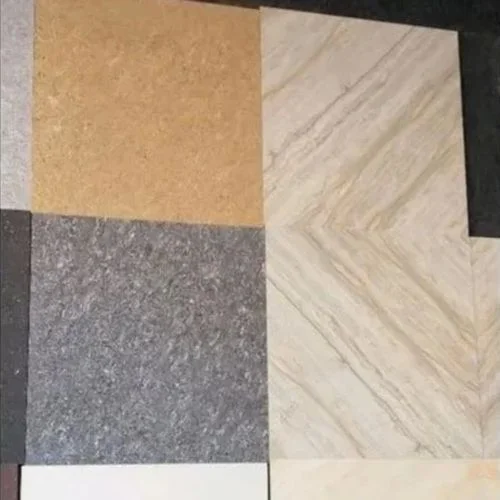
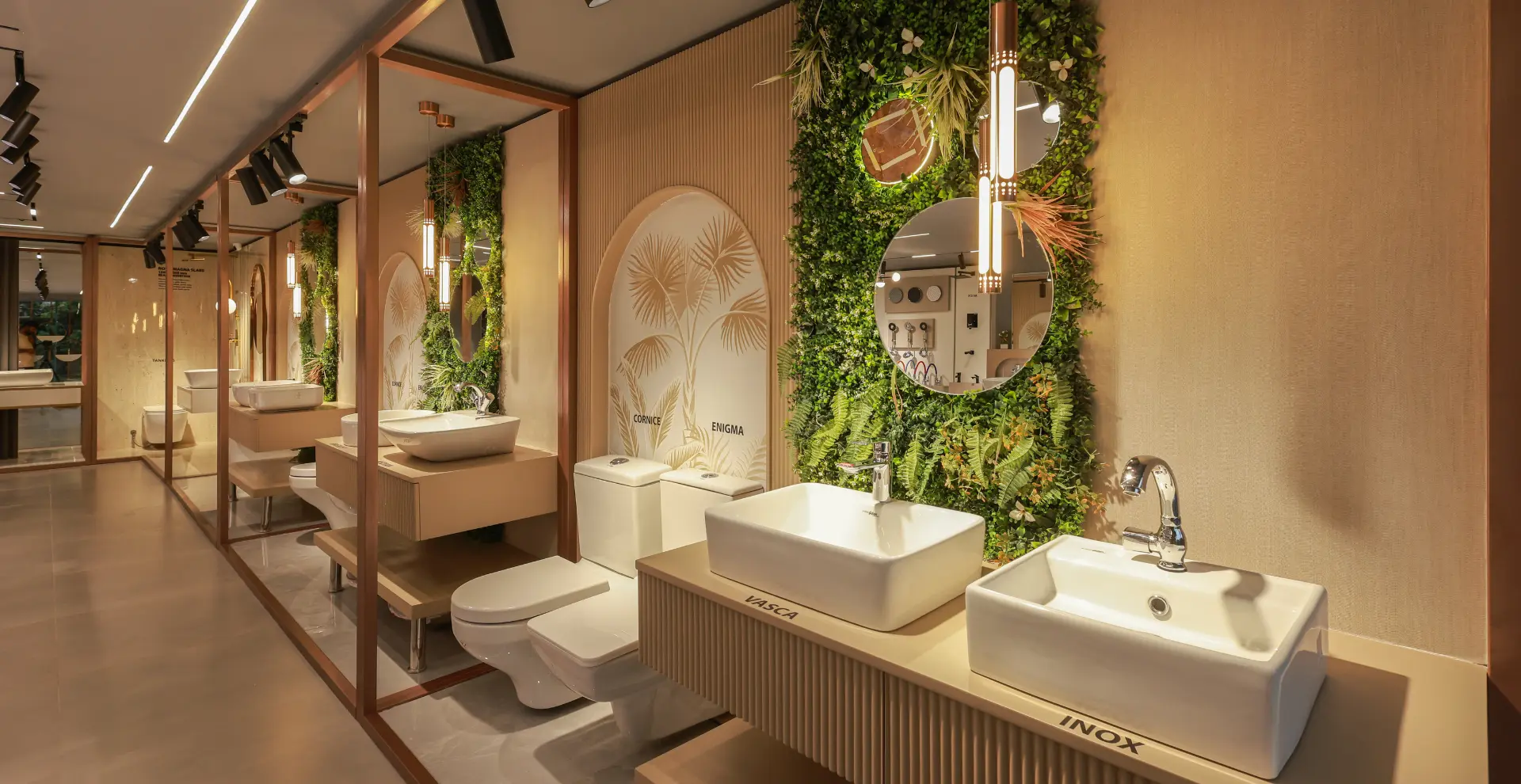
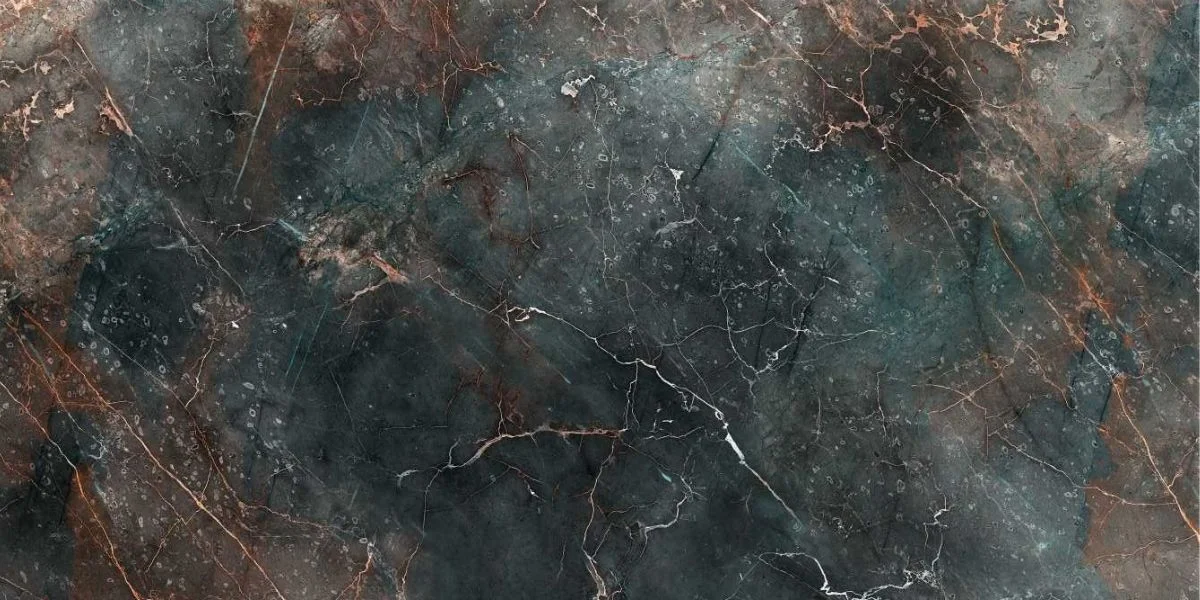
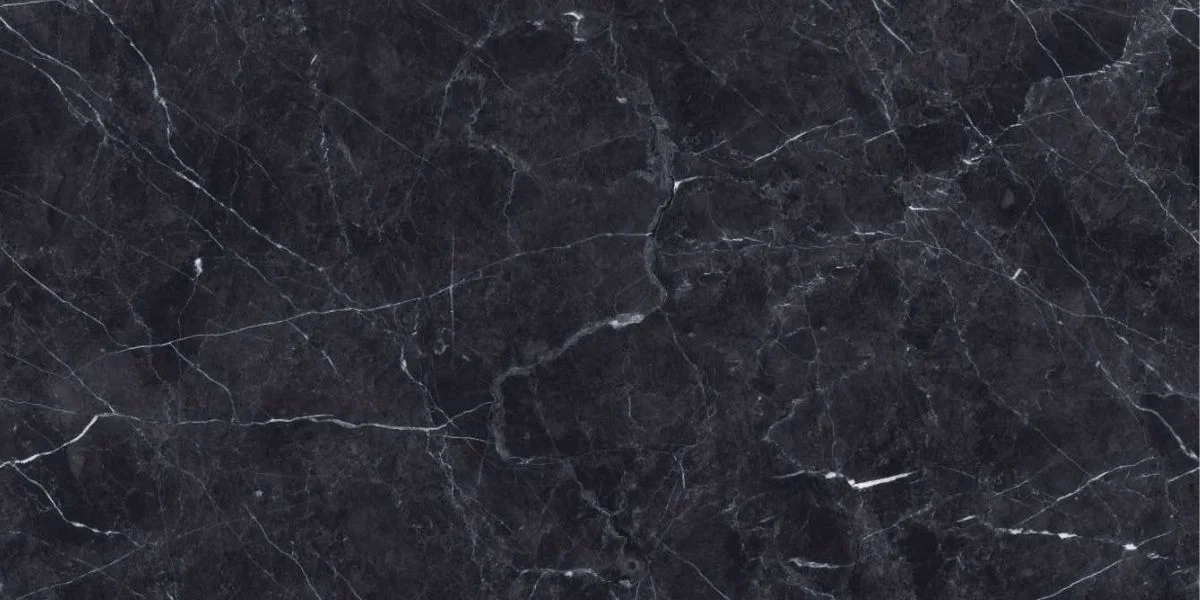
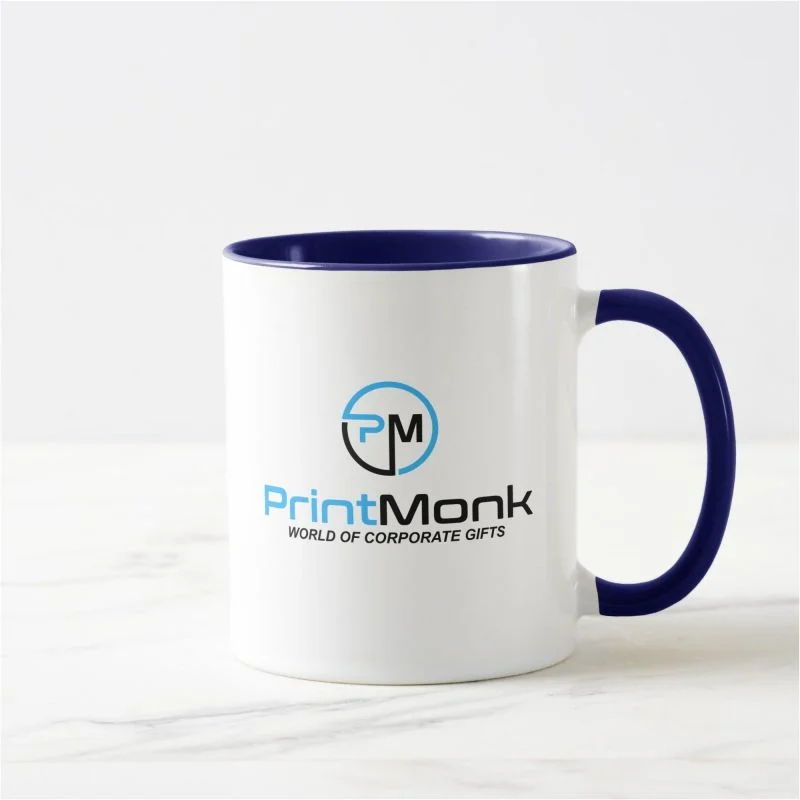
The listed ceramic tiles are standard glazed tiles used for interior flooring and wall cladding. Vitrified tiles are described as GVT/PGVT, indicating glazed vitrified tile technology with low water absorption. Porcelain tiles in the catalogue are also labelled GVT/PGVT, reflecting high‑density porcelain suitable for heavy traffic areas. Ceramic sanitary wares cover typical bathroom fittings such as washbasins and flush plates. The mug range includes both plain ceramic and printed sublimation designs, while the Rexine/PVC leather is positioned as a flexible sheet material for upholstery and accessories.
Product Range and Specialties of ABM International
ABM International’s catalogue comprises six product types: ceramic tiles, vitrified tiles (GVT/PGVT), porcelain tiles (GVT/PGVT), ceramic sanitary wares, ceramic/porcelain/sublimation mugs, and Rexine/PVC leather. The tile items are differentiated by surface finish and density, while the sanitary wares are presented as ceramic fixtures. The mug line combines traditional ceramic bodies with sublimation printing, and the PVC leather is offered as a synthetic leather sheet.
In the tile market, ceramic tiles are commonly produced in thicknesses of 8 - 10 mm and meet ISO 13006 surface abrasion ratings of R9 - R10. Vitrified and porcelain tiles with GVT/PGVT technology typically achieve water absorption below 0.5 % and are graded by PEI ratings from 3 to 5 for commercial use. Standard sanitary wares conform to ISO 604 dimensions and ceramic body density around 2.3 g/cm³. Mugs for food‑service are usually 250 - 350 ml, with lead‑free glaze and compliance to FDA 21 CFR 175.105. Rexine or PVC leather sheets are produced in thicknesses from 0.3 mm to 0.6 mm, with PVC content above 80 % and often meet ISO 9001 quality management standards in the industry.
Trade and Export Information - ABM International
India is a major exporter of ceramic and porcelain tiles, with shipments frequently directed to the Middle East, Africa, Southeast Asia and European markets. Buyers typically import tiles in 20‑ft or 40‑ft containers stacked on wooden pallets, using FOB or CIF Incoterms. The HS‑code family for floor and wall tiles is Chapter 69, which often requires the buyer to verify compliance with ISO 13006 and, where applicable, CE marking for EU destinations. Commonly requested certifications include ISO 9001 quality management, and test reports for water absorption, breaking strength and slip resistance.
Synthetic leather products such as Rexine/PVC leather are exported from India to automotive upholstery, furniture and fashion sectors in South‑East Asia and Europe. These sheets are usually packed in bulk rolls or flat panels, protected by moisture‑resistant wrapping, and shipped in containers with standard palletization. HS‑code for PVC leather falls under Chapter 39, and importers often request REACH registration documents and fire‑retardancy test certificates. Indian manufacturers typically provide material safety data sheets (MSDS) and compliance with ISO 14001 environmental management where available.
Sourcing from ABM International - Buyer Guidance
When sourcing tiles from ABM International, buyers should request sample panels that show glaze finish, size (e.g., 600 × 600 mm) and thickness. Test reports for water absorption (≤0.5 % for vitrified and porcelain tiles), breaking strength (≥30 MPa) and PEI rating are standard documents to verify. For sanitary wares, ask for dimensional drawings, ceramic body density data and compliance certificates for ISO 604.
For the mug line, buyers usually ask for a lead‑free glaze certificate, a sample of the sublimation print quality, and a capacity verification (ml). For PVC leather, request a material safety data sheet, thickness measurement, PVC content analysis and any REACH or fire‑retardancy test results. Verifying these documents before order placement helps ensure that the products meet the typical regulatory and performance standards of the target market.
Frequently Asked Questions About ABM International
What tile sizes does ABM International offer?
The catalogue lists ceramic, vitrified and porcelain tiles but does not specify dimensions; typical Indian exporters provide standard formats such as 300 × 300 mm, 600 × 600 mm or 800 × 800 mm, and buyers should request the exact size list from the supplier.
Which certifications should I ask for when buying tiles?
Request ISO 13006 surface abrasion rating, ISO 9001 quality management certificate, and test reports for water absorption and breaking strength. For EU shipments also ask for a CE conformity declaration.
How are the ceramic sanitary wares packaged for export?
They are generally packed in reinforced cardboard boxes with individual foam inserts, stacked on pallets, and labeled according to HS Chapter 69 requirements. The packaging protects the fixtures during sea transport.
What are the typical material specifications for the PVC leather?
PVC leather (Rexine) is usually a flexible sheet with PVC content above 80 %, thickness between 0.3 mm and 0.6 mm, and may include a polyurethane coating for abrasion resistance. Buyers should request a material safety data sheet to confirm composition.
Can I obtain a sample of the sublimation printed mugs?
Suppliers normally provide a single unit sample that shows the glaze finish, print alignment and capacity (commonly 250 ml). The sample is accompanied by a lead‑free glaze test certificate.
What documentation is needed for importing mugs into the United States?
Importers typically need an FDA food‑contact compliance certificate, a lead‑free glaze test report, and a commercial invoice indicating the appropriate HS code. These documents demonstrate conformity with U.S. food safety regulations.
Which Incoterms are commonly used for these products?
Indian tile and synthetic‑leather exporters frequently work under FOB (Free on Board) or CIF (Cost, Insurance, Freight) terms. The chosen Incoterm determines the point at which responsibility and risk transfer to the buyer.




 , India