
 Agriculture›
 Apparel and fashion accessories›
 Construction & real estate›💡Electronic & Electrical›🍎Food & Beverages›🛋️Home furnishing & supplies›⚗️Industrial goods & chemical›🪨Minerals & metals›📦Miscellaneous›Agriculture›Apparel and fashion accessories›Construction & real estate›💡Electronic & Electrical›🍎Food & Beverages›🛋️Home furnishing & supplies›⚗️Industrial goods & chemical›🪨Minerals & metals›📦Miscellaneous›
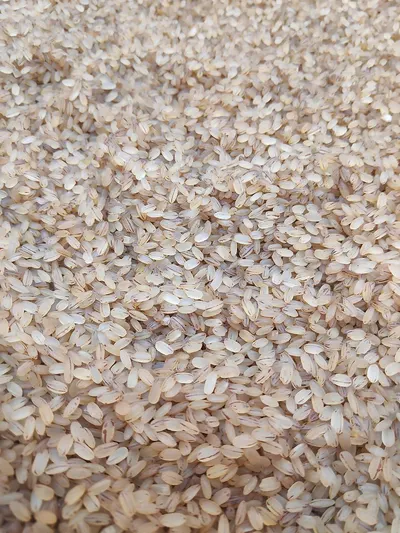
Rice Husk
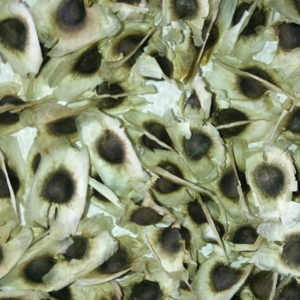
Rice husk is often interpreted as waste material or leftover material from the rice milling process. Processes that have an impact on running slowly, not only disrupt the surrounding environment but also interfere with human health. At every mill, we will always see piles and even mountains of husks that are getting taller and taller. Currently, the use of rice husks is still very little, so that the husks are still a waste material that disturbs the environment (Aziz, 1992). Rice husk consists of a hard layer that includes a kariopsis which consists of two halves called the lemma and palea which are interlocked. In the rice milling process, the husks will be separated from the rice grains and residue or milling waste (Aziz, 1992). The structure of rice husks has four layers, namely the outermost epidermis which is covered with the epidermis, Scelerenchyma, Spongi parenchyma, and the innermost epidermis. Of the four layers above, rice husk has silicon that is dominant in both layers of the epidermis which functions as a hardener and protector of the grain against fungi (Aziz, 1992). Chemical properties of rice husks are generally composed of organic and inorganic components. Components include carbohydrates which are dominated by cellulose and hemicellulose. Crude protein in rice husk is about 3% and lipid 0.039-2.98% (Primo et al, in Luh, 1980). The amount of pure lignin in rice husk is around 19.20-24.47% (Lenzio in Luh, 1980). The vitamins contained in rice husks include thiamin, riboflavin, and niacin then about 13.2-29.0% of the weight of rice husks are inorganic components such as Fe, Ca, Mg, P, and others are compounds needed in rice growth (Houston in Luh, 1980). Husk is classified as biomass that can be used for various needs such as industrial raw materials, animal feed and energy or fuel. From the rice milling process, about 20-30% of the grain is usually obtained. The use of husk energy aims to reduce expenditure costs for fuel for farmers' households. From the rice milling process, about 20-30% of husks are obtained, bran between 8-12% and milled rice between 50-63.5% of the initial weight of grain data. Husk with a high proportion can cause environmental problems (Houston in Luh, 1980). Bibliography: Azis, S.A, Krisantini, Winarso D. Widodo and Aris Munandar. 1992. Study on the Utilization of Husk, sawdust, bark and peanut shells as a medium for growing plants in containers. IPB. Bogor.
| Business Type | Supplier |
| Year Established | Recently Joined |
| Employees | Contact Supplier |
| Annual Revenue | Contact Supplier |
| Main Products | View Products Tab |
| Major Markets | Global |
| Response Time | Contact Supplier |
| Response Rate | New Supplier |
Sourcing Rice Husk from Indonesia
Rice Husk is offered by Muhaimin, a Supplier based in Indonesia, in wholesale quantities for importers, distributors, and trade buyers. Contact the supplier to request pricing, minimum order quantity, and shipping terms for your destination.
When importing Rice Husk, confirm trade terms such as FOB or CIF, packaging, and any certification or documentation you need directly with the supplier before placing a bulk order.
Active buying requirements from importers looking for Similar products
 United Arab Emirates
 Spain
 Saudi Arabia
 Nepal
 India
 Bangladesh
- ✓Who's importing it
- ✓What prices they're paying
- ✓Which ports they're moving through
Related Products & Suppliers
Compare alternatives, find similar products and connect with suppliers
Similar Products
Related Products


Trending in this Category
Top Suppliers for this Product
Compare Other Sellers
More from Parent Category

Browse Rice Husk — Top Products
48 listingsTop Suppliers for Rice Husk
30 suppliersBuy Rice Husk in Bulk — Supplier in Indonesia
When sourcing Rice Husk for your business, securing the right balance of quality and cost is essential. Muhaimin, a supplier based in Indonesia, offers this product for international export. By purchasing directly from the manufacturer or authorized exporter, buyers can negotiate favorable FOB prices starting at $317/Bags and manage bulk orders with a minimum order quantity (MOQ) of 1 Bags. This product is a staple in the Animal & Cattle Feed sector with strong demand from importing countries worldwide.
Rice Husk Specifications, Trade Terms & Pricing
Importing Rice Husk requires careful attention to shipping logistics, customs compliance, and secure payment terms. Muhaimin offers flexible shipping options such as Full Container Load (FCL) or Less than Container Load (LCL) via sea freight. Common payment methods for international B2B transactions include Letter of Credit (L/C), Telegraphic Transfer (T/T), and Documents against Payment (D/P). All transactions and RFQs are facilitated through EximNext, a leading B2B marketplace designed to make cross-border trade secure and efficient.
About Muhaimin — Supplier in Indonesia
Finding trustworthy partners is the foundation of successful importing. Ask the supplier of this Rice Husk for business registration and quality documents before ordering. Whether you are a distributor, wholesaler, or procurement manager, you can request a free quotation, ask for product samples, and finalize your bulk purchase with confidence. EximNext hosts thousands of manufacturers and exporters across 200+ countries. Explore similar products in the Animal & Cattle Feed category and connect with top-tier exporters on our comprehensive global B2B marketplace. Start your sourcing journey today.
Import Rice Husk — Shipping, Logistics & Customs
Importing Rice Husk requires careful attention to shipping logistics, customs compliance, and secure payment terms. Common shipping options include Full Container Load (FCL) or Less than Container Load (LCL) via sea freight. Buyers should verify import duties in their destination country. Common payment methods include Letter of Credit (L/C), Telegraphic Transfer (T/T), and Documents against Payment (D/P).
Frequently Asked Questions About Rice Husk
What is the wholesale price of Rice Husk?
The current listed wholesale price for Rice Husk from Muhaimin is $317/Bags on FOB terms from Indonesia. Prices may vary depending on order volume, packaging, and destination. For the most accurate bulk quote, send a direct RFQ to Muhaimin through EximNext.
What is the Minimum Order Quantity (MOQ) for Rice Husk?
The supplier, Muhaimin, has set a Minimum Order Quantity (MOQ) of 1 Bags for Rice Husk. For sample requests or smaller trial orders, contact the supplier directly through our platform's inquiry system.
What is the HS Code for Rice Husk?
The HS Code classification for Rice Husk depends on the specific grade and form. Contact Muhaimin through EximNext for the exact HS Code and customs documentation required for your destination country.
How can I import Rice Husk from Indonesia?
To import Rice Husk from Indonesia, negotiate shipping terms (FOB, CIF, or EXW) directly with Muhaimin. Ensure you have the necessary import licenses for Animal & Cattle Feed products in your destination country.
How can I check Muhaimin before ordering?
Open the Muhaimin company profile on EximNext to see the details the company has provided. Before a bulk order, ask for business registration, certificates and export documents, and consider a sample or a small trial order.
What are the key specifications of Rice Husk?
For a complete technical data sheet or Certificate of Analysis (COA), send an inquiry directly to Muhaimin through EximNext.
What packaging options are available for bulk orders of Rice Husk?
Muhaimin offers Rice Husk with standard export packaging. Custom packaging, private labeling, and OEM/ODM options may also be available for large wholesale orders.
Which countries import Rice Husk the most?
Rice Husk is actively imported by buyers worldwide. Request a destination-specific CIF or CFR quote from Muhaimin through our platform.
What certifications does this Rice Husk supplier hold?
Muhaimin maintains international quality certifications. These ensure that the Rice Husk meets international quality, safety, and regulatory standards required for cross-border trade.
How do I place a bulk order for Rice Husk on EximNext?
Click "Request Quotation" on this product page, specify your required quantity, preferred shipping terms, and destination country. Muhaimin will respond with a detailed wholesale quote including FOB pricing, lead time, and payment options.
What payment methods are accepted?
Common payment methods include Letter of Credit (L/C), Telegraphic Transfer (T/T), Documents against Payment (D/P), and Escrow services. Confirm accepted terms directly with Muhaimin.
Explore More Animal & Cattle Feed Products for Wholesale Import
Discover more products in Animal & Cattle Feed from suppliers worldwide.