Agriculture›
 Apparel and fashion accessories›
 Construction & real estate›💡Electronic & Electrical›🍎Food & Beverages›🛋️Home furnishing & supplies›⚗️Industrial goods & chemical›🪨Minerals & metals›📦Miscellaneous›Agriculture›Apparel and fashion accessories›Construction & real estate›💡Electronic & Electrical›🍎Food & Beverages›🛋️Home furnishing & supplies›⚗️Industrial goods & chemical›🪨Minerals & metals›📦Miscellaneous›
Wuhan Xinyingda Chemicals Co., Ltd.
⚓ Harbor , ChinaNew supplier / no reviews yet
Wuhan Xinyingda Chemicals Co., Ltd. Product Catalog
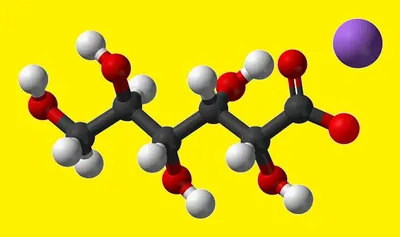
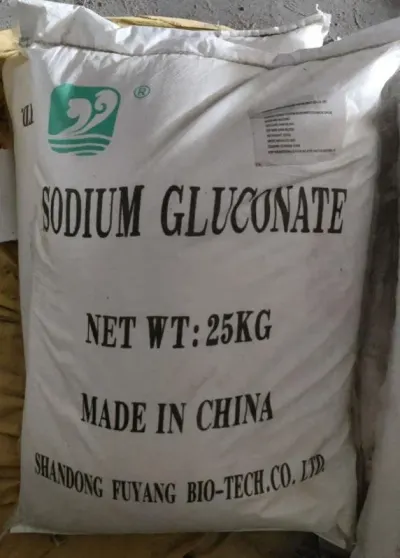
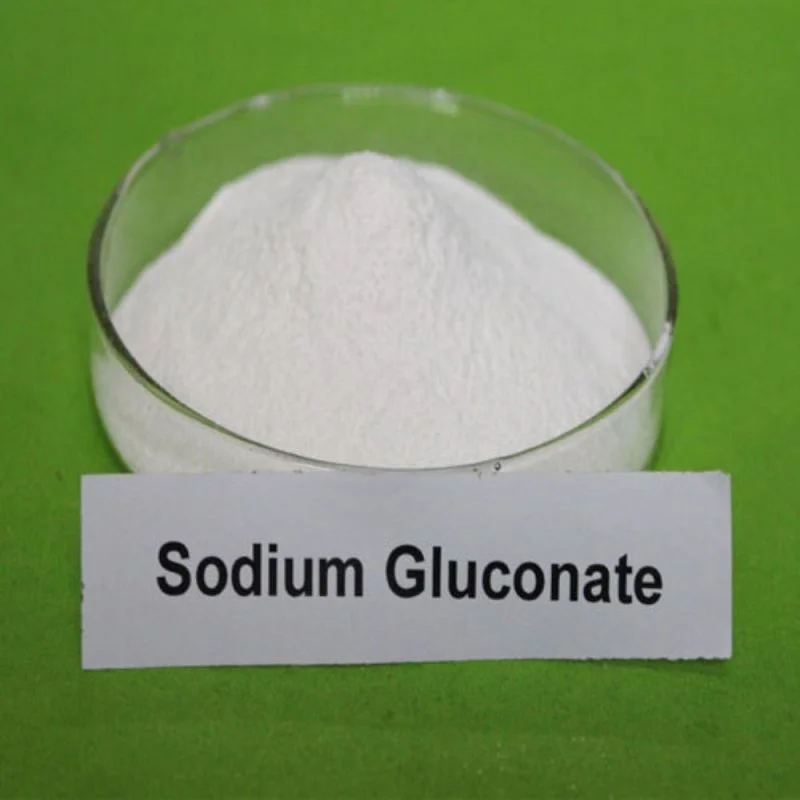
About Wuhan Xinyingda Chemicals Co., Ltd. - Sodium Gluconate Supplier in China
Wuhan Xinyingda Chemicals Co., Ltd. is registered in China and maintains an active catalogue of five chemical products. The listed items comprise Sodium Lignosulphonate, Sodium Gluconate, Sodium Naphthalene Sulfonate Formaldehyde, Poly Naphthalene Sulfonate Formaldehyde, and Magnesium Lignosulphonate. Sodium Gluconate is identified as the top category, reflecting its prominence in the supplier’s offering. All five chemicals belong to the family of sodium or magnesium salts derived from lignin or naphthalene sulfonation processes. The company is classified as an imported tier with a harbor trust rating, indicating its position within the platform’s sourcing hierarchy.
The product set covers both lignosulphonate derivatives and naphthalene‑based sulfonates. Sodium Lignosulphonate and Magnesium Lignosulphonate are water‑soluble polymers commonly used as dispersants and concrete admixtures. Sodium Gluconate serves as a chelating agent in cleaning formulations and metal‑finishing processes. Sodium Naphthalene Sulfonate Formaldehyde and its polymerised counterpart, Poly Naphthalene Sulfonate Formaldehyde, are typical anionic surfactants and dispersants employed in detergents and oil‑field applications. Each product is presented without specific grade or purity data in the catalogue.
Product Range and Specialties of Wuhan Xinyingda Chemicals Co., Ltd.
The catalogue’s five chemicals align with standard industrial grades. Sodium Gluconate is typically supplied at 99 % purity, with moisture content below 0.5 % and is graded for chelating performance in water‑treatment and concrete admixture markets. Lignosulphonates are usually offered in viscosity ranges of 20 - 150 mPas at 25 °C, with ash content under 5 % and a calcium binding capacity measured in mg CaCO₃ g⁻¹. Magnesium Lignosulphonate follows similar specifications but with higher magnesium content, influencing its performance as a set‑retarder. Sodium Naphthalene Sulfonate Formaldehyde is commonly graded by its anionic charge density (e.g., 1.5 - 2.5 meq g⁻¹) and surfactant efficiency. The polymerised form, Poly Naphthalene Sulfonate Formaldehyde, is supplied with molecular weights ranging from 5 000 to 30 000 Da, affecting its thickening and dispersing capabilities. These typical grades provide a reference point for buyers evaluating the supplier’s offerings.
Frequently Asked Questions About Wuhan Xinyingda Chemicals Co., Ltd.
What are the typical purity levels for the Sodium Gluconate offered by Wuhan Xinyingda Chemicals?
Buyers usually receive Sodium Gluconate at 99 % purity with moisture below 0.5 %, as indicated on the batch Certificate of Analysis.
Which documentation should be requested for the lignosulphonate products?
The supplier should provide a Material Safety Data Sheet, a Certificate of Analysis detailing viscosity and ash content, and any applicable REACH registration numbers.
Are the naphthalene sulfonate products supplied as liquids or powders?
Both Sodium Naphthalene Sulfonate Formaldehyde and its polymerised form are typically supplied as dry powders, packed in moisture‑proof bags or bulk containers.
What standard tests verify the performance of the surfactant grades?
Charge‑density measurement (meq g⁻¹) and, for the polymer, molecular‑weight distribution by gel‑permeation chromatography are common verification tests.
What are the common packaging sizes for these chemicals?
Standard packaging includes 25 kg polypropylene bags for powders and 1 ton IBCs for bulk liquid formulations, depending on the product form.
ChinaRelated Suppliers & Products
Explore similar suppliers, related products and trending categories