Weifang Qizhou New Material Co., Ltd. — Verified Supplier
About Weifang Qizhou New Material Co., Ltd. - Chemicals & Allied Products Supplier in China
Weifang Qizhou New Material Co., Ltd. operates in China and presently lists five active products spanning the Chemicals & Allied Products, Starch and Corn Meal categories. The active product count of five includes both food‑grade and feed‑grade items, each identified by its material type in the catalogue.
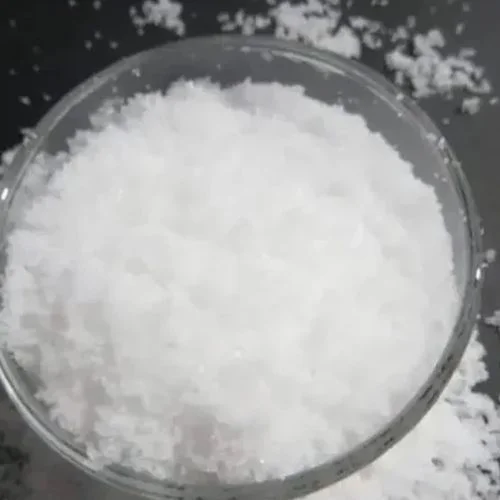
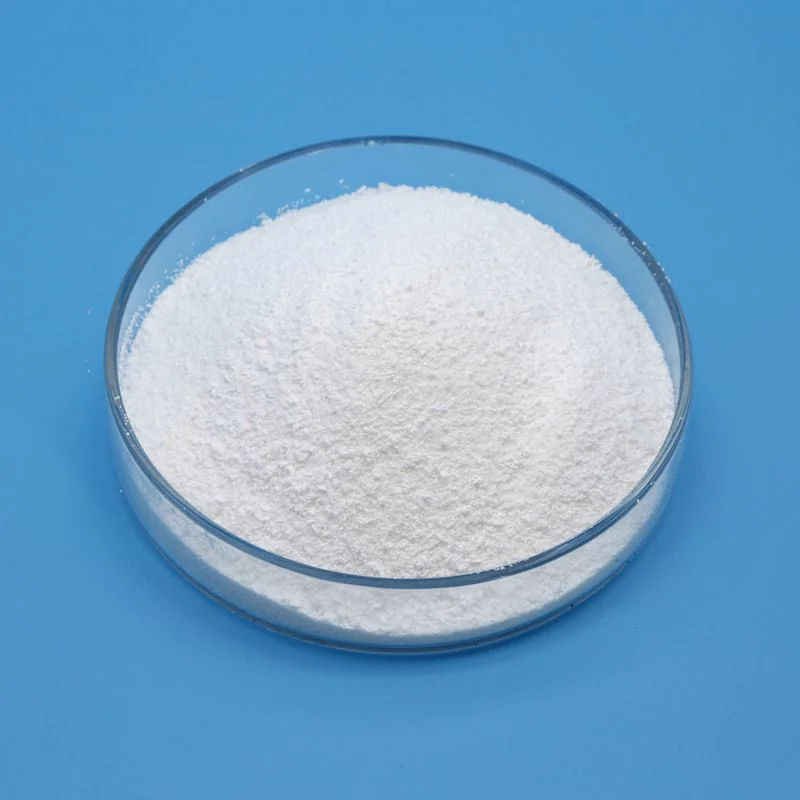
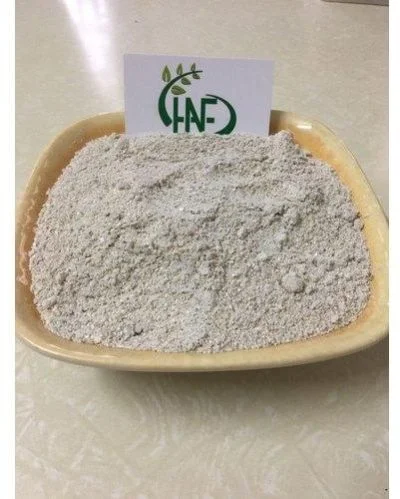
The catalogue comprises Corn Starch (NON‑GMO) Food Grade, Corn Gluten Feed (corn bran), Dicalcium Phosphate (feed grade) with HS code 2835.26, Mono‑Dicalcium Phosphate (feed grade) with HS code 2835.25, and a Photoluminescent Pigment. Where HS codes are provided they correspond to the standard international tariff headings for calcium phosphate feed additives.
Product Range and Specialties of Weifang Qizhou New Material Co., Ltd.
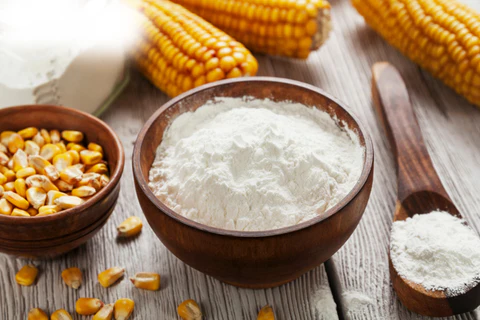
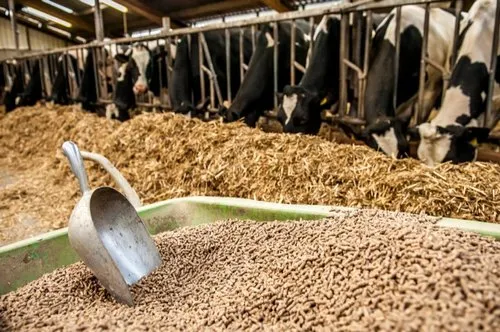
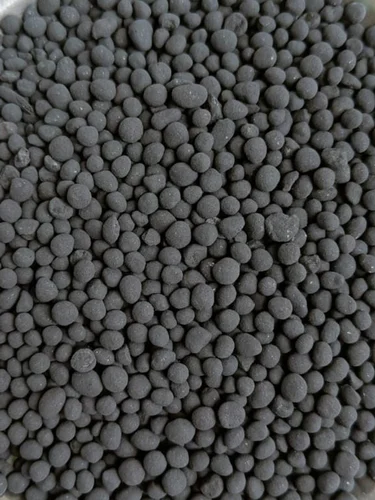
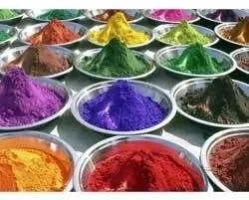
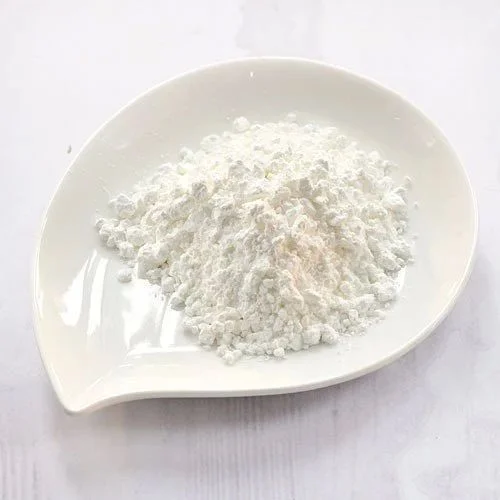
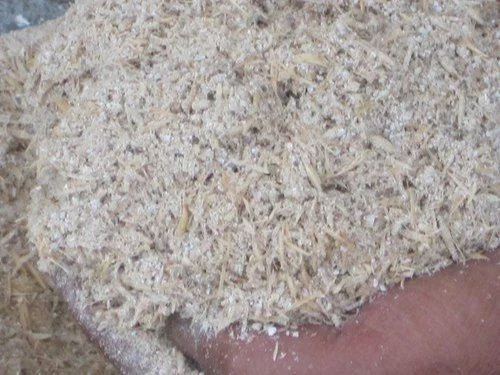
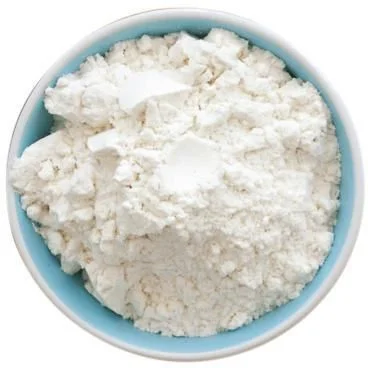
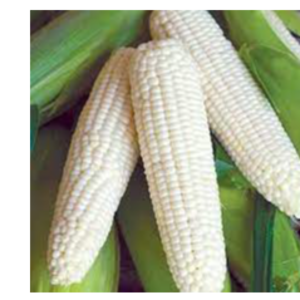
The Corn Starch offered is a non‑GMO, food‑grade product typically meeting moisture limits of 12‑14 %, ash below 0.2 % and a viscosity range of 70‑90 mPa·s at 25 °C. Corn Gluten Feed is a high‑protein feed ingredient derived from corn bran, generally containing 20‑25 % protein, 5‑7 % fiber and a moisture content under 12 %. Dicalcium Phosphate feed grade (HS 2835.26) is supplied as CaHPO₄ powder, commonly meeting a purity of 30 % P₂O₅ and calcium content of 35‑40 % with particle sizes of 200‑400 µm. Mono‑Dicalcium Phosphate (HS 2835.25) combines CaHPO₄·2H₂O and Ca(H₂PO₄)₂·H₂O, usually specified to a total phosphorus content of 18‑22 % and calcium of 30‑35 %. The Photoluminescent Pigment is an inorganic pigment used in safety markings, often characterized by particle sizes of 5‑30 µm and emission peaks in the 440‑460 nm range.
Industry standards for these categories include HACCP or ISO 22000 for food‑grade starch, EU Feed Additive Regulation (Regulation 183/2005) and FDA feed‑grade specifications for calcium phosphates, and REACH compliance for pigments. Typical packaging for bulk starch and feed phosphates is 25 kg polypropylene bags, while pigments are often supplied in 5 kg or 20 kg drums. Buyers frequently request analysis reports confirming moisture, ash, protein, phosphorus and calcium levels, as well as non‑GMO certificates for the starch.
Trade and Export Information - Weifang Qizhou New Material Co., Ltd.
China is a major exporter of corn‑derived ingredients and feed phosphates, with Southeast Asia, the Middle East and sub‑Saharan Africa representing the largest import regions for these commodities. Export shipments of calcium phosphate feed additives routinely use HS chapter 28 (2835) classifications, while corn starch and gluten feed fall under HS chapter 11 (1101‑1106). Buyers commonly require ISO 9001 quality management certification, HACCP or equivalent food safety certificates for starch, and feed‑additive registration documents for phosphates. Photoluminescent pigments are subject to REACH registration and may need safety data sheets (SDS) and conformity to IEC 60598 for lighting applications.
Typical logistics involve containerised bulk shipments: 20‑ft containers can hold up to 21 tons of 25 kg bags, and 40‑ft containers up to 42 tons. Incoterms such as FOB or CIF are standard, with buyers often arranging pre‑shipment inspections under the Shanghai Inspection System for feed additives. Chinese exporters generally employ moisture‑proof liners and palletised loading to meet international handling standards.
Sourcing from Weifang Qizhou New Material Co., Ltd. - Buyer Guidance
When sourcing corn starch, request a recent laboratory analysis covering moisture, ash, granularity and a non‑GMO declaration. Verify that the supplier can provide HACCP or ISO 22000 compliance documents before finalising the order. For corn gluten feed, ask for protein and fiber content reports, as well as a mycotoxin screening certificate if the destination market imposes limits.
For the two calcium phosphate feed grades, buyers should obtain a full specification sheet showing P₂O₅, Ca, moisture and particle‑size distribution, together with a feed‑additive registration certificate for the target region (e.g., EU Feed Register or US FDA Feed Additive Notification). The photoluminescent pigment requires an SDS, a batch‑wise purity analysis (typically ≥95 % inorganic pigment) and confirmation of compliance with REACH or local hazardous substance regulations. Sampling a small batch and conducting independent laboratory verification is advisable before large‑scale procurement.
Frequently Asked Questions About Weifang Qizhou New Material Co., Ltd.
What purity level is typical for the Dicalcium Phosphate feed grade offered?
The Dicalcium Phosphate (HS 2835.26) usually meets a phosphorus purity of about 30 % P₂O₅ and calcium content between 35‑40 % as indicated in the supplier’s test report.
Does the corn starch carry a non‑GMO certification?
Yes, the corn starch is listed as non‑GMO and the supplier can provide a certificate of non‑genetically modified origin together with standard food‑grade analysis.
Which HS codes apply to the calcium phosphate products?
The Dicalcium Phosphate feed grade is classified under HS 2835.26, while the Mono‑Dicalcium Phosphate feed grade falls under HS 2835.25.
What standard packaging is used for the corn gluten feed?
Corn gluten feed is typically packed in 25 kg polypropylene bulk bags, stacked on pallets for container loading.
What documentation should be requested for the photoluminescent pigment?
Buyers should request a Safety Data Sheet (SDS), a batch purity analysis (generally ≥95 % inorganic pigment) and any REACH registration evidence applicable to the destination market.
Are there common certifications required for the corn starch product?
Food‑grade corn starch commonly requires HACCP or ISO 22000 certification and may be subject to a food safety audit before shipment.
What is the usual lead time for a sample of the mono‑dicalcium phosphate?
Suppliers typically provide a sample within 7‑10 business days after a written request, accompanied by an analytical report covering moisture, phosphorus and calcium content.
Which markets most frequently import Chinese corn‑based feed ingredients?
Southeast Asian countries such as Vietnam and the Philippines, as well as African markets like Kenya and Nigeria, are among the top importers of Chinese corn‑based feed ingredients.




 , China