VR Stones — Supplier
About VR Stones - Gemstones Supplier in Brazil
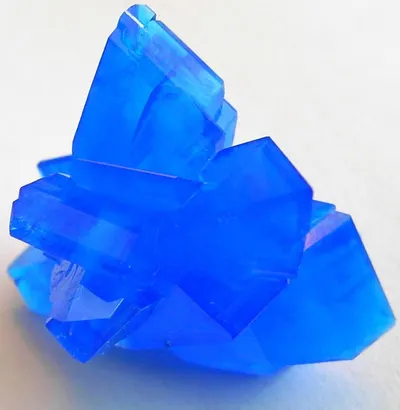
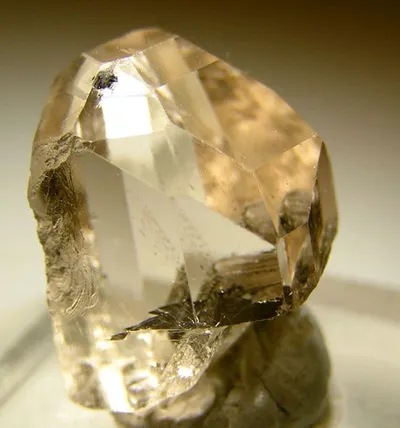
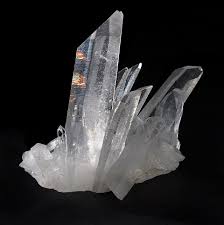
Brazil hosts VR Stones, an imported‑tier supplier that currently lists five distinct gemstone products in its catalogue. The active product count of five includes citrine, clean sawed white topaz, green aventurine, amethyst and blue quartz, each classified under the broader HS Chapter 71 family for precious or semi‑precious stones. The catalogue does not provide individual HS codes, but the items fall within the typical 7103‑xxxx range used for cut and polished gemstones. VR Stones sources its stones from Brazilian mining regions, which are known for high natural colour saturation and clarity in quartz varieties.
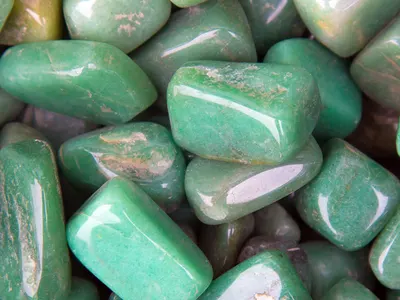
The supplier’s five listed items cover a spectrum of colour and mineral type, ranging from the yellow‑orange hue of citrine to the deep violet of amethyst and the green speckled matrix of aventurine. All products are presented as raw or minimally processed stones, suitable for further cutting, polishing or setting in jewellery. Buyers can expect the stones to conform to the standard grading parameters used in the gemstone trade, such as colour grade, clarity, carat weight and cut quality, even though specific grades are not disclosed in the catalogue.
Product Range and Specialties of VR Stones
VR Stones’ catalogue features five semi‑precious gemstones: citrine, clean sawed white topaz, green aventurine, amethyst and blue quartz. In the global gemstone market, these stones are commonly graded by colour intensity (e.g., GIA colour grades for quartz), clarity (from eye‑clean to included), and carat weight, with typical size ranges from 2 mm up to 15 mm for loose stones. Standard industry specifications for quartz varieties include a refractive index of 1.544‑1.553 and hardness of 7 on the Mohs scale, while amethyst is evaluated for its deep purple hue and minimal colour zoning. Exported gemstones are usually classified under HS code 7103.19 for other cut and polished precious or semiprecious stones, and are packed in cardboard boxes or wooden crates with protective padding to avoid chipping during transit.
Trade and Export Information - VR Stones
Brazil is among the world’s leading exporters of quartz‑family gemstones, supplying jewellery manufacturers and decorative‑item producers in Europe, North America and East Asia. Export shipments typically use HS Chapter 71 codes, with 7103.19 covering cut and polished semi‑precious stones such as those listed by VR Stones. Buyers generally require gemological reports (e.g., GIA or IGI) and certificates of origin to comply with customs and anti‑conflict‑mineral regulations, although the Kimberley Process does not apply to quartz. Common Incoterms for Brazilian gemstone exports are FOB Rio de Janeiro or CIF Shanghai, with goods packed in 20‑ft or 40‑ft containers, each container holding roughly 1 000 - 1 200 kg of loose stones depending on size and packaging density. Brazilian exporters also adhere to ISO 9001 quality‑management practices, which buyers often request as part of the due‑diligence process.
Sourcing from VR Stones - Buyer Guidance
When sourcing from VR Stones, buyers should request a recent gemological report that details colour grade, clarity, carat weight and any treatments applied to the stones. Verification of a certificate of origin is advisable to satisfy customs authorities and to confirm that the stones are sourced from Brazilian mines. It is also prudent to ask for a sample batch, preferably a 500 g assortment, to evaluate colour consistency and surface quality before confirming larger orders. Buyers should confirm packaging details - such as double‑wall cartons with foam inserts - and the preferred Incoterm, ensuring that the shipment aligns with the buyer’s logistics network.
Frequently Asked Questions About VR Stones
What gemstone varieties does VR Stones offer?
VR Stones lists five semi‑precious stones: citrine, clean sawed white topaz, green aventurine, amethyst and blue quartz.
Which HS code family applies to the stones listed by VR Stones?
The stones fall under HS Chapter 71, typically classified with code 7103.19 for cut and polished semi‑precious gemstones.
What quality documentation should a buyer request?
Buyers should request a current gemological report (e.g., GIA or IGI) and a certificate of origin confirming Brazilian provenance.
Are there standard size ranges for the listed gemstones?
In the market, these stones are commonly supplied in sizes from 2 mm to 15 mm, with carat weights varying accordingly.
What packaging is used for export shipments?
Export packs usually consist of double‑wall cardboard boxes or wooden crates with foam padding, suitable for container loading.
Which Incoterms are typically used for shipments from Brazil?
Typical terms include FOB at the Brazilian port of export (e.g., Rio de Janeiro) or CIF to major Asian ports, depending on buyer preference.
What are the typical target markets for Brazilian quartz gemstones?
Major importers include jewellery manufacturers in the European Union, the United States and China, as well as decorative‑item producers in Southeast Asia.




 , Brazil