Vitamega Com. Imp. Exp. E Repres. Ltda — Verified Supplier
About Vitamega Com. Imp. Exp. E Repres. Ltda - Cosmetics Supplier in Brazil
Brazil‑based Vitamega Com. Imp. Exp. E Repres. Ltda lists eight active products in its catalogue. The portfolio is limited to personal‑care cosmetics, covering skin‑care lotions, a facial toner, a cleansing lotion, a body moisturizer, a shampoo, a conditioner and a facial moisturizing mask. All items are classified under the broad HS Chapter 33 that covers beauty and make‑up preparations, with the specific HS sub‑headings typically falling in 3304 (preparations for skin‑care) and 3305 (hair‑care preparations).
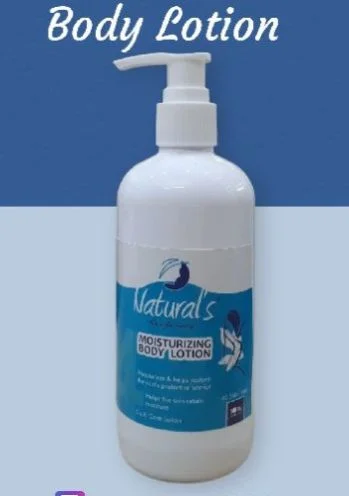
The listed products include two facial moisturizing lotions - one with SPF 15 - a separate facial toner, a facial cleansing lotion, a body moisturizer supplied in a 180 ml container, a shampoo marketed for shine and vitality, a conditioner described as a moisturizer, and a facial moisturizing mask. These product types correspond to standard cosmetic formulations such as oil‑in‑water emulsions for lotions, water‑based gels for masks, and surfactant systems for shampoo and conditioner. The catalogue does not provide HS codes for individual items, but the product families align with the common HS classifications for cosmetics exported from Brazil.
Product Range and Specialties of Vitamega Com. Imp. Exp. E Repres. Ltda
The catalogue comprises skin‑care and hair‑care items that are typical of the Brazilian cosmetics sector. Facial moisturizers often contain humectants like glycerin at 5‑10 % and emollients such as dimethicone, while an SPF 15 lotion must include a UV filter (e.g., avobenzone or octocrylene) meeting the minimum protection level defined by local regulatory standards. Facial toners are usually water‑based solutions with a pH between 4.5 and 5.5, containing mild astringents such as witch‑hazel. Cleansing lotions follow similar emulsion structures but with higher surfactant content for oil removal. Body moisturizers in 180 ml packaging typically use a similar base to facial lotions but with a lighter texture for larger surface area application. Shampoos marketed for shine contain conditioning polymers and silicone quaterniums, while conditioners labelled as moisturizers incorporate cationic surfactants and fatty alcohols. Facial masks are often gel or cream‑type formulations with clay or hyaluronic acid as active ingredients.
Trade and Export Information - Vitamega Com. Imp. Exp. E Repres. Ltda
Brazil is a major exporter of cosmetic preparations, and shipments from the country generally use HS codes 3304 and 3305. Buyers in the European Union, United States and Middle‑East frequently import these categories, requiring compliance with the EU Cosmetic Regulation (EC No 1223/2009) or the US FDA’s cosmetics rules. Typical certifications requested include ISO 22716 (Good Manufacturing Practice for cosmetics), ANVISA registration for Brazilian products, and documentation of allergen testing. Export logistics commonly employ 20‑ft or 40‑ft containers with inner cartons protected by moisture‑resistant liners; Incoterms such as FOB Santos or CIF New York are standard. Brazilian exporters also need to provide a Certificate of Origin and may be subject to phytosanitary or chemical safety inspections depending on the destination’s import controls.
Buyers usually request product safety data sheets (SDS), ingredient declarations, and stability test reports before finalising orders. The supplier’s target markets are not listed in the facts, so sourcing parties should confirm the intended regions and verify that the products meet the relevant regional labeling and packaging requirements, such as ingredient lists in the local language and batch‑level traceability.
Sourcing from Vitamega Com. Imp. Exp. E Repres. Ltda - Buyer Guidance
When sourcing from Vitamega, buyers should ask for a full specification sheet that details the formulation base, active ingredient percentages, pH, viscosity and any preservative system used. Request a Safety Data Sheet, a Certificate of GMP (if available) and, for the SPF 15 lotion, a UV‑filter efficacy report that confirms compliance with the declared protection factor. Verify that the packaging meets the destination market’s material standards - for example, PET or HDPE bottles that are compatible with cosmetic liquids and that carry tamper‑evident seals. Typical minimum order quantities for small‑batch cosmetic producers range from 1,000 to 5,000 units per SKU, with lead times of 30‑45 days after sample approval.
Frequently Asked Questions About Vitamega Com. Imp. Exp. E Repres. Ltda
What types of skin‑care products does Vitamega offer?
The supplier lists facial moisturizing lotions (including one with SPF 15), a facial toner, a facial cleansing lotion, a body moisturizer in 180 ml size, and a facial moisturizing mask.
Does Vitamega provide hair‑care products?
Yes, the catalogue includes a shampoo described as ‘shine & vitality’ and a conditioner labelled as a moisturizer.
Which HS code families are relevant for these products?
These cosmetics fall under HS Chapter 33, commonly classified in sub‑headings 3304 for skin‑care preparations and 3305 for hair‑care preparations.
What certifications should a buyer request for these cosmetics?
Buyers typically request an ISO 22716 GMP certificate, an ANVISA registration proof for Brazilian products, and any relevant safety or efficacy test reports such as SPF validation for the sunscreen lotion.
What is a typical minimum order quantity for the listed items?
Small‑batch orders usually start at 1,000 units per SKU, though the exact MOQ should be confirmed with the supplier for each product.
What packaging formats are used for the body moisturizer?
The body moisturizer is supplied in a 180 ml container, commonly a PET or HDPE bottle suitable for lotion formulations.
How long does it take to receive a sample?
Sample preparation and shipment typically require 2‑3 weeks, after the buyer provides the required specifications and any applicable testing requests.
Which Incoterms are commonly used for exporting these cosmetics?
Exporters from Brazil often use FOB Santos or CIF ports in North America and Europe, depending on the buyer’s preferred logistics arrangement.




 , Brazil